Traveling can leave your luggage smelling less than pleasant after several days away. Clothes, shoes, toiletries, and damp towels can quickly create unwanted odors inside your suitcase. The problem becomes especially noticeable when everything stays packed together for hours.
Airports are operating at historic capacities, meaning luggage stays enclosed in tight transit spaces longer than ever. According to federal transportation screenings, daily air travel volume reached approximately 2.48 million passengers per day in 2025.
This high-density transit environment increases the chances of trapped odors developing across packed bags. Fortunately, keeping your luggage fresh does not require complicated travel hacks. A few simple habits can make a surprisingly big difference throughout your trip. You just need to think about what creates odors and prevent those problems early.
Clean and Dry Your Shoes Before Packing
Shoes can easily become one of the biggest sources of unpleasant smells inside your luggage. Sweat, moisture, dirt, and bacteria can accumulate inside shoes during everyday activities. Packing them immediately after wearing them can trap all those odors inside your suitcase.
Perroquet Shoes notes that drying your shoes is the essential first step to remove odors. Give them enough time to dry completely, especially after walking through rain or wet conditions. Even slightly damp shoes can make an enclosed suitcase smell stale surprisingly quickly.
If possible, remove the insoles and let every part of your shoes air out properly. Packing shoes inside breathable bags can also prevent their odors from spreading throughout your luggage. This simple routine helps your entire suitcase stay noticeably fresher between destinations.
Kids can make this challenge even trickier because active days often leave their shoes sweaty. If you are wondering how to keep kids’ shoes from smelling, start with thorough drying. For smelly kids’ shoes, removing the insoles and allowing everything to air out can reduce shoe odor considerably.
Stopping kids’ shoes from stinking also becomes easier when you pack an extra pair. A shoe dryer can help when footwear needs drying quickly after rainy outdoor activities. You can also use an odor spray designed for footwear when lingering smells become difficult.
Separate Dirty Clothes From Everything Else
Worn clothes can quickly transfer sweat and body odors onto clean items inside your suitcase. This becomes particularly noticeable after exercising, sightseeing, hiking, or spending long hours outdoors.
Worn garments harbor massive microbial loads that multiply quickly when trapped in dark, unventilated spaces. Studies on environmental infection control cited by the Centers for Disease Control and Prevention show that heavily contaminated fabrics can carry bacterial loads as high as 10⁶ to 10⁸ CFU per 100 cm².
Keeping dirty items isolated stops these microbes from transferring onto your fresh wardrobe. Instead of tossing used clothes directly beside fresh outfits, separate them immediately. A dedicated laundry bag gives dirty clothing its own enclosed space during your travels.
Choose something washable or breathable rather than relying on a completely airtight plastic bag. Moisture trapped inside sealed plastic can create an ideal environment for unpleasant smells.
If your clothes are damp, allow them to dry before placing them into the laundry bag. You can hang sweaty garments in your hotel bathroom while preparing for the evening. Keeping clean and dirty clothing apart makes unpacking easier while protecting your fresh wardrobe.
It also helps to pack fewer clothes that require complicated care while traveling for several days. Lightweight fabrics often dry faster, making them easier to wash and reuse between destinations. If you have access to laundry facilities, wash particularly sweaty garments before storing them again. Never leave damp swimwear, towels, or workout clothes buried underneath other belongings.
Photo by Kazim Torun
Give Your Suitcase Some Breathing Room
Overpacking does more than make your suitcase difficult to close before leaving home. A tightly packed bag also leaves very little space for air to circulate around your belongings.
Limited airflow can trap existing smells and make moisture disappear much more slowly. Try leaving some breathing room between clothing, shoes, toiletries, and other packed items.
Hannah Chubb, a travel blog editor from Condé Nast Traveler, recommends using packing cubes. These cubes can help organize your belongings without forcing everything into one compressed compartment. Choose cubes made from breathable materials when possible, particularly for clothing you expect to wear frequently.
You should also avoid filling every available pocket simply because additional space remains. A little empty room can actually make your suitcase easier to manage during longer trips.
When you arrive somewhere, unpacking certain items can immediately improve airflow inside your luggage. Hang frequently worn clothes rather than returning them directly to your suitcase each evening. Keep toiletries closed tightly and store anything potentially leaky inside a separate waterproof pouch. If your accommodation provides drawers or shelves, use them for items you need regularly.
Use Simple Freshness Boosters
According to the United States Environmental Protection Agency, volatile organic compounds are easily trapped in small indoor spaces and closed containers. Clean air standards note that concentrations of volatile organic compounds can be up to ten times higher in enclosed spaces compared to outdoor environments.
You do not need heavily scented products to keep your luggage smelling pleasant throughout your journey. Simple odor absorbers can help manage smells without covering them with stronger fragrances. Sorbents like charcoal or baking soda actively capture these airborne gases rather than simply masking them with heavy fragrances.
Place an appropriate absorber inside your suitcase while keeping it away from clothing. Small breathable pouches are particularly convenient because they take up very little valuable packing space. Replace or refresh these products according to their instructions during longer trips. Avoid spilling loose powders directly onto clothes, since removing residue later can become surprisingly annoying.
You can also pack a few dryer sheets between clothing layers if you enjoy their familiar fresh scent. However, fragrance should never replace proper cleaning, drying, and ventilation practices. Otherwise, odors can remain underneath the added scent and become noticeable again later.
FAQs
How can you prevent leather luggage and leather travel bags from absorbing unpleasant smells?
Allow leather luggage to air out completely after each trip before placing it into storage. Keep bags away from damp areas and store them in breathable dust covers rather than sealed plastic containers. Emptying pockets, removing soiled items, and periodically conditioning the leather can also help prevent odors from becoming trapped.
What household items can you place inside stored luggage between trips to maintain a fresh scent?
Baking soda, activated charcoal, and dry tea bags can help absorb unwanted odors while luggage remains stored between trips. Cedar blocks can also provide a mild, fresh scent without introducing moisture. Place these items inside breathable pouches or containers so they do not directly contact luggage fabrics, leather, or delicate materials.
How do you remove smoke, perfume, or food smells from a suitcase without damaging the fabric?
Start by emptying the suitcase and allowing it to air outdoors or near an open window in indirect sunlight. Sprinkle baking soda over fabric interiors, leave it for several hours, then vacuum thoroughly before wiping surfaces with a manufacturer-approved cleaner. Avoid soaking materials, harsh chemicals, or excessive heat that could cause damage.
Data Points on Traveling and What Makes Your Luggage Stink
Daily air travel volume in 2025
Approximately 2.48 million passengers per day
Bacterial load on heavily contaminated fabrics
10⁶–10⁸ CFU per 100 cm²
Potential VOC concentration in enclosed spaces compared with outdoor environments
Up to 10× higher
Keeping luggage odor-free mostly comes down to managing moisture, cleanliness, airflow, and separation. None of these habits take much time, yet they can make traveling noticeably more comfortable.
Start by drying shoes thoroughly and keeping worn clothing away from clean outfits. Give your suitcase enough breathing room instead of packing every compartment completely full. Freshness boosters can provide extra support, but they work best alongside basic cleaning habits.
These simple steps help prevent unpleasant smells from building up during future adventures. Your suitcase will stay fresher, your clothes will feel cleaner, and unpacking will become much more enjoyable.


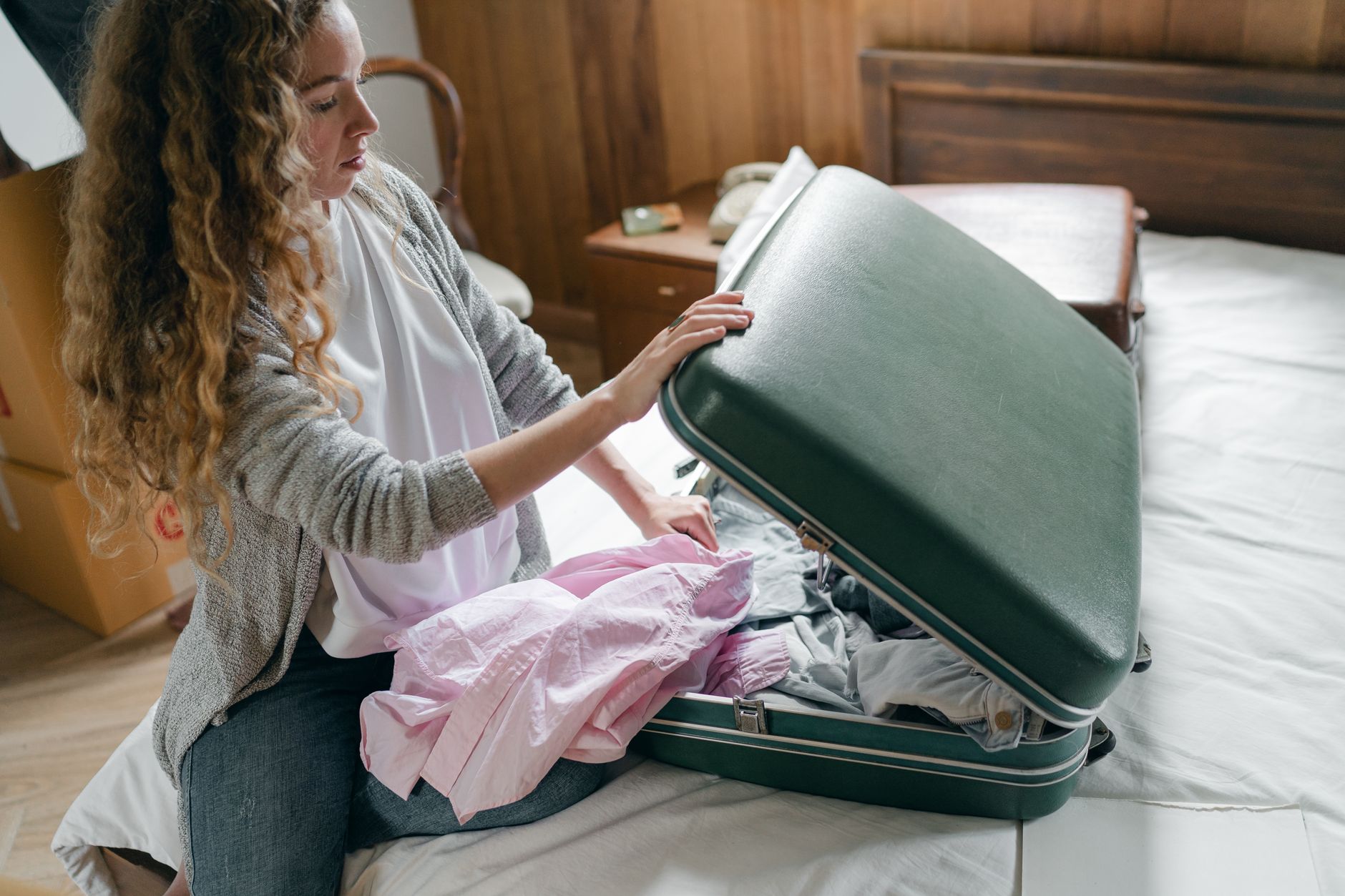
Traveling can leave your luggage smelling less than pleasant after several days away. Clothes, shoes, toiletries, and damp towels can quickly create unwanted odors inside your suitcase. The problem becomes especially noticeable when everything stays packed together for hours.
Airports are operating at historic capacities, meaning luggage stays enclosed in tight transit spaces longer than ever. According to federal transportation screenings, daily air travel volume reached approximately 2.48 million passengers per day in 2025.
This high-density transit environment increases the chances of trapped odors developing across packed bags. Fortunately, keeping your luggage fresh does not require complicated travel hacks. A few simple habits can make a surprisingly big difference throughout your trip. You just need to think about what creates odors and prevent those problems early.
Clean and Dry Your Shoes Before Packing
Shoes can easily become one of the biggest sources of unpleasant smells inside your luggage. Sweat, moisture, dirt, and bacteria can accumulate inside shoes during everyday activities. Packing them immediately after wearing them can trap all those odors inside your suitcase.
Perroquet Shoes notes that drying your shoes is the essential first step to remove odors. Give them enough time to dry completely, especially after walking through rain or wet conditions. Even slightly damp shoes can make an enclosed suitcase smell stale surprisingly quickly.
If possible, remove the insoles and let every part of your shoes air out properly. Packing shoes inside breathable bags can also prevent their odors from spreading throughout your luggage. This simple routine helps your entire suitcase stay noticeably fresher between destinations.
Kids can make this challenge even trickier because active days often leave their shoes sweaty. If you are wondering how to keep kids’ shoes from smelling, start with thorough drying. For smelly kids’ shoes, removing the insoles and allowing everything to air out can reduce shoe odor considerably.
Stopping kids’ shoes from stinking also becomes easier when you pack an extra pair. A shoe dryer can help when footwear needs drying quickly after rainy outdoor activities. You can also use an odor spray designed for footwear when lingering smells become difficult.
Separate Dirty Clothes From Everything Else
Worn clothes can quickly transfer sweat and body odors onto clean items inside your suitcase. This becomes particularly noticeable after exercising, sightseeing, hiking, or spending long hours outdoors.
Worn garments harbor massive microbial loads that multiply quickly when trapped in dark, unventilated spaces. Studies on environmental infection control cited by the Centers for Disease Control and Prevention show that heavily contaminated fabrics can carry bacterial loads as high as 10⁶ to 10⁸ CFU per 100 cm².
Keeping dirty items isolated stops these microbes from transferring onto your fresh wardrobe. Instead of tossing used clothes directly beside fresh outfits, separate them immediately. A dedicated laundry bag gives dirty clothing its own enclosed space during your travels.
Choose something washable or breathable rather than relying on a completely airtight plastic bag. Moisture trapped inside sealed plastic can create an ideal environment for unpleasant smells.
If your clothes are damp, allow them to dry before placing them into the laundry bag. You can hang sweaty garments in your hotel bathroom while preparing for the evening. Keeping clean and dirty clothing apart makes unpacking easier while protecting your fresh wardrobe.
It also helps to pack fewer clothes that require complicated care while traveling for several days. Lightweight fabrics often dry faster, making them easier to wash and reuse between destinations. If you have access to laundry facilities, wash particularly sweaty garments before storing them again. Never leave damp swimwear, towels, or workout clothes buried underneath other belongings.
Give Your Suitcase Some Breathing Room
Overpacking does more than make your suitcase difficult to close before leaving home. A tightly packed bag also leaves very little space for air to circulate around your belongings.
Limited airflow can trap existing smells and make moisture disappear much more slowly. Try leaving some breathing room between clothing, shoes, toiletries, and other packed items.
Hannah Chubb, a travel blog editor from Condé Nast Traveler, recommends using packing cubes. These cubes can help organize your belongings without forcing everything into one compressed compartment. Choose cubes made from breathable materials when possible, particularly for clothing you expect to wear frequently.
You should also avoid filling every available pocket simply because additional space remains. A little empty room can actually make your suitcase easier to manage during longer trips.
When you arrive somewhere, unpacking certain items can immediately improve airflow inside your luggage. Hang frequently worn clothes rather than returning them directly to your suitcase each evening. Keep toiletries closed tightly and store anything potentially leaky inside a separate waterproof pouch. If your accommodation provides drawers or shelves, use them for items you need regularly.
Use Simple Freshness Boosters
According to the United States Environmental Protection Agency, volatile organic compounds are easily trapped in small indoor spaces and closed containers. Clean air standards note that concentrations of volatile organic compounds can be up to ten times higher in enclosed spaces compared to outdoor environments.
You do not need heavily scented products to keep your luggage smelling pleasant throughout your journey. Simple odor absorbers can help manage smells without covering them with stronger fragrances. Sorbents like charcoal or baking soda actively capture these airborne gases rather than simply masking them with heavy fragrances.
Place an appropriate absorber inside your suitcase while keeping it away from clothing. Small breathable pouches are particularly convenient because they take up very little valuable packing space. Replace or refresh these products according to their instructions during longer trips. Avoid spilling loose powders directly onto clothes, since removing residue later can become surprisingly annoying.
You can also pack a few dryer sheets between clothing layers if you enjoy their familiar fresh scent. However, fragrance should never replace proper cleaning, drying, and ventilation practices. Otherwise, odors can remain underneath the added scent and become noticeable again later.
FAQs
How can you prevent leather luggage and leather travel bags from absorbing unpleasant smells?
Allow leather luggage to air out completely after each trip before placing it into storage. Keep bags away from damp areas and store them in breathable dust covers rather than sealed plastic containers. Emptying pockets, removing soiled items, and periodically conditioning the leather can also help prevent odors from becoming trapped.
What household items can you place inside stored luggage between trips to maintain a fresh scent?
Baking soda, activated charcoal, and dry tea bags can help absorb unwanted odors while luggage remains stored between trips. Cedar blocks can also provide a mild, fresh scent without introducing moisture. Place these items inside breathable pouches or containers so they do not directly contact luggage fabrics, leather, or delicate materials.
How do you remove smoke, perfume, or food smells from a suitcase without damaging the fabric?
Start by emptying the suitcase and allowing it to air outdoors or near an open window in indirect sunlight. Sprinkle baking soda over fabric interiors, leave it for several hours, then vacuum thoroughly before wiping surfaces with a manufacturer-approved cleaner. Avoid soaking materials, harsh chemicals, or excessive heat that could cause damage.
Data Points on Traveling and What Makes Your Luggage Stink
Keeping luggage odor-free mostly comes down to managing moisture, cleanliness, airflow, and separation. None of these habits take much time, yet they can make traveling noticeably more comfortable.
Start by drying shoes thoroughly and keeping worn clothing away from clean outfits. Give your suitcase enough breathing room instead of packing every compartment completely full. Freshness boosters can provide extra support, but they work best alongside basic cleaning habits.
These simple steps help prevent unpleasant smells from building up during future adventures. Your suitcase will stay fresher, your clothes will feel cleaner, and unpacking will become much more enjoyable.
Share this:
Like this: