Copenhagen is one of those rare cities that feels both effortlessly cool and deeply liveable. It is stylish without being showy, historic without feeling trapped in the past, and polished without losing its sense of ease. One minute you are walking past pastel townhouses and royal palaces, the next you are eating cardamom buns beside a canal, browsing Danish design stores or watching beautifully dressed locals cycle past in oversized coats, trainers and perfect sunglasses.
Denmark’s capital is compact enough to explore slowly, but layered enough to reward a longer stay. It is a city of neighbourhoods, each with its own mood: elegant Frederiksberg, creative Nørrebro, canal-wrapped Christianshavn, food-loving Vesterbro, design-conscious Østerbro and industrial-cool Refshaleøen. VisitCopenhagen describes the city as a collection of distinct neighbourhoods, from gritty Refshaleøen to polished Frederiksberg, which is exactly what makes it such a rewarding destination to explore beyond the postcard view of Nyhavn.
Copenhagen is a dream city. It has food, design, fashion, architecture, gardens, museums, waterfront walks, bakeries, shopping and that unmistakable Scandinavian ability to make everyday life look beautiful. This is your ultimate guide to Copenhagen, including where to stay, what to eat, where to shop, what to wear, the best neighbourhoods, day trips, fashion spotting and how to plan the perfect visit.
Why Visit Copenhagen?
Copenhagen is ideal if you love cities that are stylish, walkable and full of atmosphere. It has the beauty of an old European capital, but the energy of a modern design city. You can spend the morning at a palace, lunch at a food market, the afternoon shopping Danish fashion and interiors, and the evening drinking wine by the harbour.
It is also one of Europe’s easiest capitals to enjoy without overplanning. Public transport is simple, cycling is part of the culture, and many of the best experiences are found by wandering: a bakery queue, a quiet courtyard, a canal-side bench, a design store window, a small restaurant glowing against the winter dark.
Copenhagen is not always cheap, but it delivers on quality. Even simple things, bread, coffee, flowers, furniture, candles, coats, are done with care. That is the real charm of the city. It makes everyday rituals feel elevated.
Best Time to Visit Copenhagen
Copenhagen can be beautiful in every season, but the experience changes dramatically depending on when you go.
Spring is fresh, pretty and ideal for walking. Parks and gardens come back to life, the days get longer and the city begins to move outdoors again.
Summer is the most popular time to visit. Expect long daylight hours, outdoor dining, harbour swimming, festivals, picnics and locals spending as much time as possible by the water.
Autumn is one of the most stylish times to visit. The weather cools, the city feels moodier, and Copenhagen’s fashion and design energy feels especially strong.
Winter is cold, dark and atmospheric. It is perfect for museums, candles, cosy restaurants, bakeries, Christmas markets and hotel bars. Tivoli Gardens is especially magical during its seasonal openings.
If it is your first visit, late spring, summer or early autumn is the easiest time to fall in love with the city. If you love design, fashion, food and cosy interiors, winter has its own quiet magic.
How Many Days Do You Need in Copenhagen?
You can see the highlights of Copenhagen in three days, but four or five days will give you a much better feel for the city.
Two days is enough for a quick city break: Nyhavn, a canal tour, Tivoli, a palace, a bakery crawl and one or two neighbourhoods.
Three days gives you time for neighbourhood exploring, shopping, museums and better meals.
Four to five days lets you slow down, visit Louisiana Museum of Modern Art, take a day trip, explore Refshaleøen and enjoy the city the way locals do.
One week is ideal if you want to use Copenhagen as a base for day trips, design shopping and slow travel.
Getting Around Copenhagen
Copenhagen is an easy city to navigate. You can walk, cycle, take the Metro, use buses or hop on harbour buses. VisitDenmark notes that travellers can buy digital City Pass tickets for unlimited public transport across Copenhagen zones 1 to 4, including the airport, for set periods such as 24, 48, 72, 96 or 120 hours.
The Copenhagen Card can also be worth considering if you plan to visit multiple paid attractions. The official Copenhagen Card covers admission to more than 80 attractions and includes public transportation, including to and from the airport.
For the most Copenhagen experience, rent a bike. The city is famously bike-friendly, but only do this if you are confident riding in urban traffic and understand local cycling etiquette. Otherwise, walking and the Metro will get you almost everywhere you need to go.
Photo by Nadezhda Moryak
The Best Neighbourhoods in Copenhagen
Indre By, Best for First-Time Visitors
Indre By is Copenhagen’s historic centre and the best area to stay if you want to be close to the major sights. This is where you will find colourful Nyhavn, Amalienborg Palace, Christiansborg Palace, Strøget, museums, restaurants, shopping and many classic Copenhagen views.
Stay here if you want convenience, charm and easy access to everything. It can feel touristy around Nyhavn and Strøget, but the side streets, squares and courtyards still hold plenty of atmosphere.
Best for: First-timers, sightseeing, classic Copenhagen, short stays.
Vesterbro, Best for Food, Bars and Cool Hotels
Vesterbro has become one of Copenhagen’s most energetic neighbourhoods, with restaurants, bars, galleries, bakeries and hotels clustered around streets that once had a rougher edge. It is home to the Meatpacking District, a great area for dining and nightlife, and it works well for travellers who want a slightly cooler, more local-feeling base.
Stay here if you want good food, late nights and easy access to the city centre without being right in the tourist zone.
Best for: Restaurants, bars, design hotels, couples, friends.
Nørrebro, Best for Local Energy and Independent Style
Nørrebro is diverse, youthful and full of personality. It has some of Copenhagen’s best independent shops, cafes, bakeries, restaurants and street life. Jægersborggade is one of the most famous streets for shopping, food and coffee, and VisitDenmark highlights it as part of the city’s shopping culture.
This is a great neighbourhood for travellers who like creative streets, casual dining and local fashion spotting.
Best for: Cafes, boutiques, bakeries, young energy, street style.
Frederiksberg, Best for Elegant Copenhagen
Frederiksberg feels calmer, greener and more polished. It has leafy avenues, grand apartment buildings, parks, boutiques and a more residential feel. It is still close to the centre, but it feels softer and more refined.
Stay here if you like beautiful streets, good coffee, boutiques, gardens and a slightly quieter base.
Best for: Elegant stays, parks, families, longer visits, relaxed luxury.
Christianshavn, Best for Canals and Atmosphere
Christianshavn is one of Copenhagen’s prettiest areas, with canals, houseboats, colourful buildings and a slower waterfront mood. It is also close to Christiania, which has its own alternative history and atmosphere.
Stay here if you love being by the water and want a romantic, slightly quieter base with easy access to the centre.
Best for: Canals, couples, walking, charm.
Østerbro, Best for Families and Quiet Luxury
Østerbro is calm, residential and stylish. It is home to parks, cafes, boutiques and easy access to the waterfront. It is less obvious than Vesterbro or Nørrebro, but that is part of the appeal.
Stay here if you want a quieter, more local Copenhagen experience.
Best for: Families, slow travel, green spaces, relaxed neighbourhood dining.
Refshaleøen, Best for Food, Design and Industrial Cool
Refshaleøen is one of Copenhagen’s most interesting areas for food, creativity and waterfront culture. Once industrial, it is now associated with restaurants, street food, cultural spaces and design-led experiences. VisitCopenhagen specifically points to Refshaleøen as one of the city’s distinctive neighbourhoods.
Come here for a different side of Copenhagen: bigger skies, harbour views, food markets, saunas, contemporary art and a more experimental mood.
Best for: Food lovers, design travellers, repeat visitors, summer evenings.
Where to Stay in Copenhagen
Copenhagen has excellent hotels, from grand heritage properties to modern design stays. Choose your area first, then your hotel style.
Best Areas to Stay
For a first visit, stay in Indre By or near Kongens Nytorv if you want to walk to classic sights.
For restaurants and nightlife, choose Vesterbro.
For boutiques, bakeries and a more local mood, choose Nørrebro.
For elegance and calm, choose Frederiksberg.
For canal charm, choose Christianshavn.
For quiet luxury and family-friendly streets, choose Østerbro.
Hotel Styles to Look For
Design hotels: Copenhagen does these particularly well. Expect good lighting, natural materials, thoughtful furniture and beautiful public spaces.
Boutique hotels: Ideal if you want charm, atmosphere and a more personal feel.
Grand hotels: Best for classic luxury, historic architecture and a polished city break.
Apartment stays: Useful for longer visits, families and travellers who want to shop at local markets and eat in occasionally.
Photo by Gije Cho
What to Do in Copenhagen
Wander Around Nyhavn
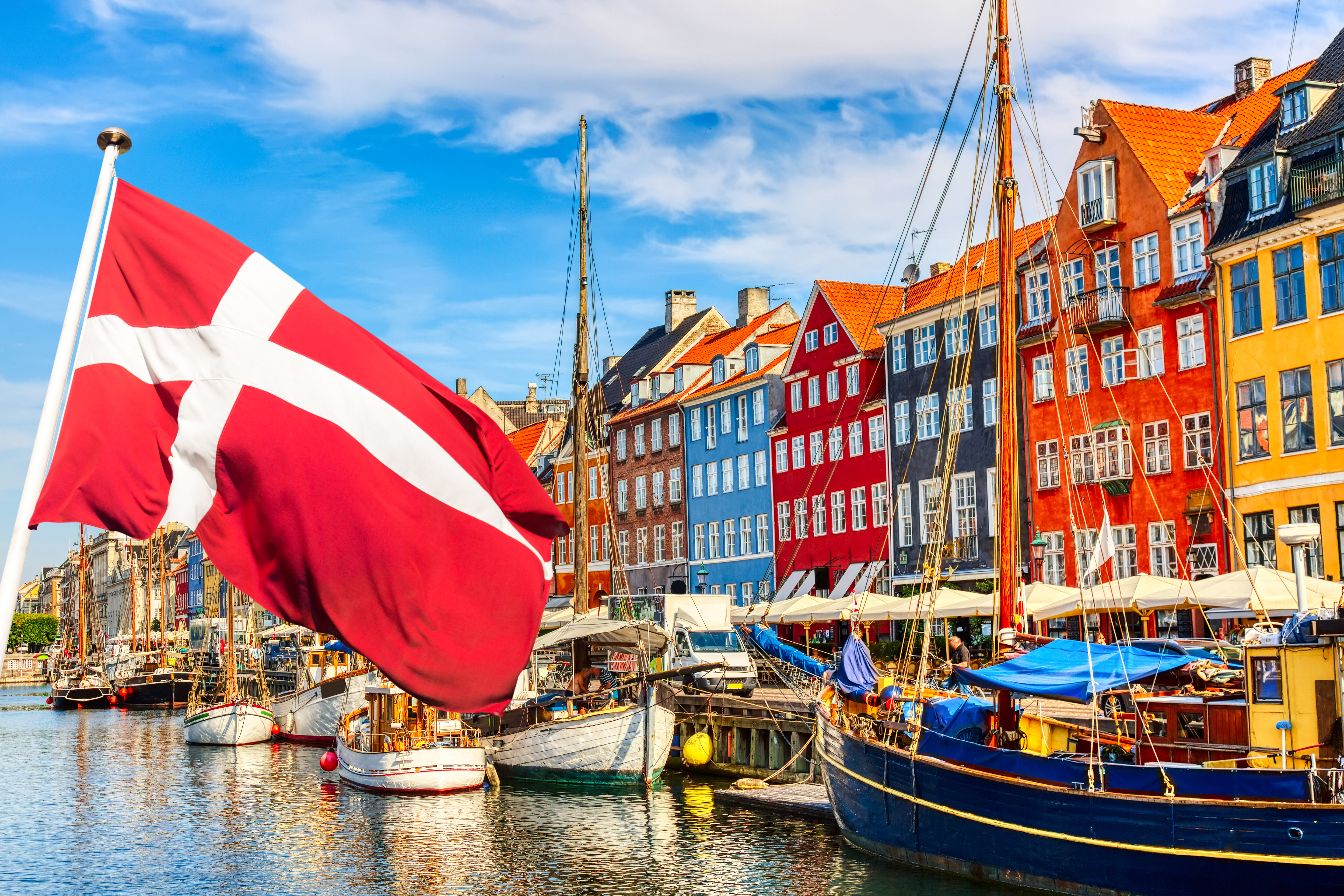
Nyhavn is Copenhagen’s most photographed waterfront, and yes, it is touristy. It is still worth seeing. Go early in the morning for quieter views, or visit later in the afternoon when the light softens and the colourful buildings reflect in the canal. It is not necessarily the best place to eat your most memorable meal, but it is one of the best places to start your visit.
Take a Canal Tour
A canal tour is one of the easiest ways to understand Copenhagen’s geography. You will see the city from the water, passing under low bridges and through harbour areas that reveal how much Copenhagen’s identity is tied to the sea.
It is especially good on your first day because it helps you orient yourself.
Visit Tivoli Gardens
Tivoli Gardens is one of Copenhagen’s most beloved attractions, blending amusement park, garden, restaurant destination and nostalgic fantasy. It is beautiful in summer, but also magical during seasonal openings when lights, decorations and evening atmosphere make it feel almost storybook.
Check opening dates before planning around it, as Tivoli operates seasonal periods rather than being open every single day of the year.
See the Royal Palaces
Copenhagen is a royal city, and its palaces help anchor the historic side of the capital.
Visit Amalienborg for royal history and the changing of the guard.
Explore Rosenborg Castle for Renaissance architecture and the Danish Crown Jewels.
See Christiansborg Palace, which sits at the centre of Danish political and royal life.
The Round Tower is a classic Copenhagen stop, especially if you love city views. It is known for its spiral ramp rather than a typical staircase, and the view from the top gives you a beautiful sense of the city’s rooftops, spires and skyline.
Visit the Ny Carlsberg Glyptotek
The Glyptotek is one of the city’s most atmospheric museums, with art, sculpture, architecture and a beautiful winter garden. It is especially good on a rainy or cold day, and it gives a softer, more romantic cultural contrast to Copenhagen’s contemporary design scene.
Explore the Design Museum Denmark
If you love interiors, furniture, ceramics and Scandinavian design, Design Museum Denmark is essential. Copenhagen is one of the best cities in the world for understanding how design shapes everyday life, from chairs and lighting to tableware and public spaces.
For readers who love interiors, it is also worth exploring ele HOME after your trip, especially if Copenhagen leaves you inspired to bring more warm minimalism, lighting, timber and texture into your own home.
Visit Louisiana Museum of Modern Art
Louisiana Museum of Modern Art is one of the best day trips from Copenhagen and one of the most beautiful museums in Europe. It sits north of the city, combining modern art, sculpture, sea views, architecture and gardens.
It is the kind of place that appeals even to travellers who do not usually build trips around museums.
Walk or Swim by the Harbour
Copenhagen’s harbour is not just scenic, it is part of daily life. In warmer months, locals swim, sunbathe and gather along the water. In cooler weather, walks by the harbour still feel restorative. The city’s transformation of its harbour into a cleaner, more public recreational space is one of the reasons Copenhagen feels so liveable.
Go to CopenHill
CopenHill is one of Copenhagen’s most unusual attractions: a waste-to-energy plant with a ski slope, hiking area and city views. It is a perfect example of the city’s approach to sustainability, architecture and public space.
For readers who like clever urban planning, innovative engineering and sustainability, it is also a natural crossover with TechDrivePlay, where design, technology and future-focused living often meet.
Where to Eat in Copenhagen
Copenhagen is one of Europe’s great food cities. It is famous for New Nordic dining, but you do not need a fine dining reservation to eat well here. Some of the best food experiences are bakeries, open sandwiches, casual wine bars, food markets and simple seasonal plates.
Start With Bakeries
Copenhagen’s bakery culture is reason enough to visit. Look for cardamom buns, cinnamon buns, sourdough, tebirkes, rye bread, pastries and excellent coffee.
Go early if you have your heart set on something specific. Popular bakeries often sell out.
Try Smørrebrød
Smørrebrød is the classic Danish open-faced sandwich, usually built on rye bread and topped with ingredients such as herring, egg, prawns, roast beef, potatoes or cheese. It can be traditional and hearty, or modern and delicate.
It is one of the best things to eat in Copenhagen because it connects you to Danish food culture in a simple, memorable way.
Photo by Anastasia Shuraeva
Visit Torvehallerne
Torvehallerne is a popular food market with produce, coffee, pastries, seafood, wine, chocolates, flowers and casual meals. It is excellent for a relaxed lunch, grazing or picking up edible gifts. It is also an easy stop if you are exploring central Copenhagen and want a low-pressure food experience.
Eat at Reffen
Reffen is Copenhagen’s famous street food area on Refshaleøen. It is best in good weather, when you can eat outdoors by the water, try different cuisines and enjoy the more relaxed, industrial side of the city.
Book One Special Dinner
Copenhagen has a serious dining culture, so it is worth booking at least one special restaurant. This does not have to mean the most expensive table in the city. It could be a modern Nordic restaurant, a seafood-focused dinner, a wine bar with small plates, or a beautifully simple neighbourhood restaurant.
Book ahead, especially for popular restaurants and weekend nights.
Photo by Laura Meinhardt
What to Eat in Copenhagen
Cardamom buns Cinnamon buns Danish rye bread Smørrebrød Herring New potatoes Seafood Seasonal vegetables Open sandwiches Danish cheeses Natural wine Coffee Hot chocolate in winter Ice cream in summer
Copenhagen Shopping Guide
Shopping in Copenhagen is a joy because the city has a strong sense of style. VisitDenmark describes Copenhagen shopping as a mix of cobbled streets, independent boutiques, fashion and design powerhouses, with everything close enough to reach by foot, bike or Metro.
Best Shopping Streets and Areas
Strøget
Strøget is one of the city’s main shopping streets, with international brands, department stores and easy access to central Copenhagen. It is convenient, but not necessarily where you will find the most interesting boutiques.
Go for: Big brands, department stores, convenience.
Strædet
Close to Strøget but more charming, Strædet has smaller shops, cafes and a more relaxed feel. It is a better option if you prefer wandering to high-street shopping.
Go for: Boutiques, cafes, pretty streets.
Jægersborggade
Jægersborggade in Nørrebro is one of Copenhagen’s best streets for independent shopping, food and coffee. Expect small boutiques, ceramics, jewellery, fashion, food, wine and design details.
Go for: Independent finds, gifts, coffee, local style.
Gammel Kongevej
In Frederiksberg, Gammel Kongevej is a lovely shopping street with fashion, interiors, food and a more polished local feel.
Go for: Elegant Copenhagen shopping, boutiques, interiors.
Østerbro
Østerbro has a quieter, more residential shopping mood. Look for fashion boutiques, children’s stores, homewares, cafes and local favourites.
Go for: Calm shopping, family-friendly finds, everyday Danish style.
Copenhagen’s fashion scene is practical, playful and very influential. While Paris may be polished and Milan glamorous, Copenhagen has mastered the art of clothes that look stylish but still wearable.
Look for brands and stores that capture the Danish mood: oversized tailoring, clean denim, sculptural knitwear, practical outerwear, colourful accessories and excellent flat shoes.
Brands often associated with Danish fashion include Ganni, Stine Goya, Baum und Pferdgarten, Saks Potts, By Malene Birger, Cecilie Bahnsen, Rotate and Rains. Availability changes, so check current store locations before you go.
For readers who love translating travel style into everyday dressing, eleSTYLED is a natural next stop, especially for guides on colour, capsule wardrobes and polished everyday outfits inspired by the world’s most stylish cities.
Copenhagen Fashion Spotting
Copenhagen is one of the best cities in Europe for people-watching, especially if you love fashion that feels relaxed, intelligent and personal. The local style is less about looking perfect and more about looking interesting.
You will see:
Oversized coats Wide-leg jeans Tailored trousers with trainers Ballet flats and loafers Chunky knitwear Long scarves Minimal jewellery Crossbody bags Colourful socks Trench coats Technical rainwear Soft tailoring Sunglasses, even on grey days Natural hair and easy makeup
The most Copenhagen outfit formula is simple: one practical piece, one polished piece and one unexpected detail.
Think a wool coat with running shoes, a crisp shirt with loose denim, a trench over a bright knit, or a minimalist outfit with a colourful bag. Find out how to get the look here.
Where to Fashion Spot
Gammel Kongevej for elegant everyday style.
Jægersborggade for creative locals and independent fashion.
Vesterbro for cool restaurants and relaxed evening outfits.
Kongens Nytorv for polished city dressing.
Torvehallerne for bakery queue style.
Copenhagen Fashion Week periods for the strongest street style, although the city is stylish all year.
What to Pack for Copenhagen
Copenhagen weather can change quickly, so pack layers and comfortable shoes.
For spring, bring a trench, light knitwear, jeans, trainers and a scarf.
For summer, pack linen, relaxed dresses, light layers, sunglasses and a jacket for cooler evenings.
For autumn, bring wool coats, knitwear, loafers or trainers, denim and an umbrella.
For winter, pack a warm coat, hat, gloves, boots, thermal layers and a scarf.
No matter the season, bring shoes you can walk in. Copenhagen is a city for wandering.
Copenhagen Design and Interiors Guide
Copenhagen is a dream for anyone who loves interiors. Danish design is not just something you see in museums, it is part of daily life. Cafes have beautiful lighting. Hotels use thoughtful furniture. Shops display ceramics like art. Even small apartments often feel considered.
What Defines Copenhagen Interiors?
Warm minimalism Natural timber Soft lighting Sculptural chairs Ceramic objects Candles Neutral palettes Texture Functionality A mix of old and new Beautiful table settings Design that feels useful, not decorative for its own sake
Visit design stores, furniture showrooms, museum shops and hotel lobbies. Copenhagen is one of the best cities for collecting ideas you can bring home, even if you are not buying anything large.
Best Design Stops
Design Museum Denmark Illums Bolighus Hay House Royal Copenhagen Frama Normann Copenhagen Louisiana Museum shop Local ceramic studios Vintage furniture stores
Even if you only bring home a small bowl, candleholder, poster or tea towel, Copenhagen is a wonderful city for meaningful design souvenirs.
Best Museums and Cultural Stops
Copenhagen is excellent for museums because they are varied, manageable and often beautifully designed.
Visit:
Ny Carlsberg Glyptotek Design Museum Denmark National Museum of Denmark SMK, National Gallery of Denmark Louisiana Museum of Modern Art Copenhagen Contemporary Rosenborg Castle Amalienborg Museum Danish Architecture Center
If you are short on time, choose one historic palace, one art museum and one design-focused stop.
Copenhagen With Kids
Copenhagen is a great family city. It is safe, walkable, full of parks, easy to navigate and has lots of activities that do not feel painfully childish for adults.
Family-friendly ideas include:
Tivoli Gardens The National Museum The Blue Planet Aquarium Canal tours Playgrounds Parks Bakeries Copenhagen Zoo Rosenborg Castle gardens Harbour walks
Choose accommodation near transport and do not overschedule. Copenhagen works best when you leave space for snacks, playgrounds and wandering.
Romantic Copenhagen
Copenhagen is a beautiful city for couples because it is atmospheric without being overly obvious. It is not romantic in the Paris postcard sense. It is romantic in the way of candlelit restaurants, cold walks, quiet canals, good wine, hotel breakfasts and long conversations in cosy bars.
Romantic things to do:
Take a canal tour Walk through Frederiksberg Gardens Book a special dinner Have drinks in a hotel bar Visit Louisiana Wander Christianshavn Share pastries in the morning Go sauna and harbour swimming Stay somewhere design-led and intimate
Copenhagen on a Budget
Copenhagen can be expensive, but there are ways to make it more affordable. Walk as much as possible. Use public transport passes if you are moving around often and eat bakery breakfasts.
Have smørrebrød or food market meals for lunch. Choose one or two special dinners rather than dining expensively every night.
Visit free parks, harbour areas and neighbourhoods.
Consider the Copenhagen Card if you plan to visit several paid attractions, as it includes public transport and admission to more than 80 attractions.
Stay slightly outside the historic centre for better value.
Best Day Trips from Copenhagen
Louisiana Museum of Modern Art
This is the easiest and most rewarding day trip for art, architecture and sea views. It is ideal for design lovers and anyone who wants a slower day outside the city.
Kronborg Castle
Located in Helsingør, Kronborg Castle is famous as the setting associated with Shakespeare’s Hamlet. It is a strong choice for history lovers.
Frederiksborg Castle
A beautiful Renaissance castle in Hillerød, Frederiksborg is ideal if you want grandeur, gardens and Danish history.
Roskilde
Roskilde is known for Viking history, its cathedral and a slower town feel. It is a good day trip if you want to go beyond Copenhagen’s design and food scene.
Malmö, Sweden
Malmö is just across the Øresund Bridge, making it possible to visit Sweden as a day trip. It has its own food, design and waterfront culture, and can be a fun addition if you have extra time.
Photo by Mylo Kaye
Suggested Copenhagen Itinerary
Day One: Classic Copenhagen
Start with coffee and a pastry, then walk to Nyhavn. Take a canal tour, visit Amalienborg and wander through the historic centre. Spend the afternoon around Strøget, Strædet and Kongens Nytorv, then have dinner in Indre By or Vesterbro.
Day Two: Design, Food and Tivoli
Visit Design Museum Denmark or the Glyptotek in the morning. Have lunch at Torvehallerne, then spend the afternoon shopping Danish fashion and interiors. End the day at Tivoli Gardens if it is open.
Day Three: Nørrebro and Vesterbro
Start with a bakery visit, then explore Jægersborggade and Nørrebro’s boutiques. Have lunch nearby, then head to Vesterbro for restaurants, bars and the Meatpacking District.
Day Four: Refshaleøen and the Harbour
Spend the day around Refshaleøen, Copenhagen Contemporary, Reffen and the harbour. In warmer months, add a swim or sauna experience. In cooler months, linger over long lunches, galleries and coffee.
Day Five: Louisiana or a Castle Day Trip
Take the train to Louisiana Museum of Modern Art, Kronborg Castle, Frederiksborg Castle or Roskilde. Return to Copenhagen for a final dinner and a slow evening walk.
Photo by Rao Gingwei
Copenhagen Travel Tips
Book popular restaurants early.
Check Tivoli’s seasonal opening dates.
Pack comfortable shoes.
Carry a light rain jacket or umbrella.
Use contactless payment, Copenhagen is very card-friendly.
Do not walk in bike lanes.
If cycling, follow local rules carefully.
Make bakery stops part of your itinerary.
Leave time for wandering, it is one of the best things to do in Copenhagen.
Avoid only staying around Nyhavn, the city gets much better when you explore its neighbourhoods.
Is Copenhagen Worth Visiting?
Yes. Copenhagen is absolutely worth visiting, especially if you love food, design, fashion, architecture and cities that feel beautiful without being overwhelming.
It is not the cheapest city in Europe, and it is not a destination built around dramatic sightseeing in the way Rome or Paris might be. Its magic is quieter. It is found in the details: a perfect pastry, a candlelit restaurant, a beautifully designed chair, a harbour swim, a wool coat on a bicycle, a small ceramic bowl you wish you could fit in your suitcase.
Copenhagen is a city that teaches you how good everyday life can look and feel.
Photo by Burcu Elmas
FAQs
What is Copenhagen best known for?
Copenhagen is known for design, cycling, food, colourful Nyhavn, Tivoli Gardens, royal palaces, canals, bakeries, New Nordic dining, fashion and its relaxed Scandinavian lifestyle.
Is Copenhagen expensive?
Yes, Copenhagen can be expensive compared with many European cities. However, you can manage costs by walking, using public transport passes, eating at bakeries and markets, and choosing only a few special restaurants.
How many days should I spend in Copenhagen?
Three days is enough for a first visit, but four or five days is better if you want to explore neighbourhoods, museums, shopping, food and a day trip.
What is the best area to stay in Copenhagen?
For first-time visitors, Indre By is the most convenient. Vesterbro is best for restaurants and nightlife, Nørrebro is best for local energy, Frederiksberg is best for elegance, and Christianshavn is best for canals and charm.
Is Copenhagen walkable?
Yes, Copenhagen is very walkable, especially around the historic centre, canals and inner neighbourhoods. Public transport is also excellent for longer distances.
Do you need to rent a bike in Copenhagen?
You do not need to rent a bike, but it can be a fun way to experience the city if you are confident riding in urban conditions. If not, walking and public transport are easy.
What should I eat in Copenhagen?
Try cardamom buns, cinnamon buns, sourdough, rye bread, smørrebrød, seafood, seasonal vegetables, Danish pastries, coffee, natural wine and at least one special dinner.
Is Copenhagen good for shopping?
Yes. Copenhagen is excellent for shopping, especially Danish fashion, interiors, ceramics, design objects, jewellery, vintage and independent boutiques.
What should I wear in Copenhagen?
Pack stylish but practical clothes. Think comfortable shoes, layers, good outerwear, knitwear, denim, tailoring, scarves and weather-ready pieces. Copenhagen style is polished but relaxed.
Can you visit Sweden from Copenhagen?
Yes. Malmö in Sweden is an easy day trip from Copenhagen via the Øresund Bridge.


Copenhagen is one of those rare cities that feels both effortlessly cool and deeply liveable. It is stylish without being showy, historic without feeling trapped in the past, and polished without losing its sense of ease. One minute you are walking past pastel townhouses and royal palaces, the next you are eating cardamom buns beside a canal, browsing Danish design stores or watching beautifully dressed locals cycle past in oversized coats, trainers and perfect sunglasses.
Denmark’s capital is compact enough to explore slowly, but layered enough to reward a longer stay. It is a city of neighbourhoods, each with its own mood: elegant Frederiksberg, creative Nørrebro, canal-wrapped Christianshavn, food-loving Vesterbro, design-conscious Østerbro and industrial-cool Refshaleøen. VisitCopenhagen describes the city as a collection of distinct neighbourhoods, from gritty Refshaleøen to polished Frederiksberg, which is exactly what makes it such a rewarding destination to explore beyond the postcard view of Nyhavn.
Copenhagen is a dream city. It has food, design, fashion, architecture, gardens, museums, waterfront walks, bakeries, shopping and that unmistakable Scandinavian ability to make everyday life look beautiful. This is your ultimate guide to Copenhagen, including where to stay, what to eat, where to shop, what to wear, the best neighbourhoods, day trips, fashion spotting and how to plan the perfect visit.
Why Visit Copenhagen?
Copenhagen is ideal if you love cities that are stylish, walkable and full of atmosphere. It has the beauty of an old European capital, but the energy of a modern design city. You can spend the morning at a palace, lunch at a food market, the afternoon shopping Danish fashion and interiors, and the evening drinking wine by the harbour.
It is also one of Europe’s easiest capitals to enjoy without overplanning. Public transport is simple, cycling is part of the culture, and many of the best experiences are found by wandering: a bakery queue, a quiet courtyard, a canal-side bench, a design store window, a small restaurant glowing against the winter dark.
Copenhagen is not always cheap, but it delivers on quality. Even simple things, bread, coffee, flowers, furniture, candles, coats, are done with care. That is the real charm of the city. It makes everyday rituals feel elevated.
Best Time to Visit Copenhagen
Copenhagen can be beautiful in every season, but the experience changes dramatically depending on when you go.
Spring is fresh, pretty and ideal for walking. Parks and gardens come back to life, the days get longer and the city begins to move outdoors again.
Summer is the most popular time to visit. Expect long daylight hours, outdoor dining, harbour swimming, festivals, picnics and locals spending as much time as possible by the water.
Autumn is one of the most stylish times to visit. The weather cools, the city feels moodier, and Copenhagen’s fashion and design energy feels especially strong.
Winter is cold, dark and atmospheric. It is perfect for museums, candles, cosy restaurants, bakeries, Christmas markets and hotel bars. Tivoli Gardens is especially magical during its seasonal openings.
If it is your first visit, late spring, summer or early autumn is the easiest time to fall in love with the city. If you love design, fashion, food and cosy interiors, winter has its own quiet magic.
How Many Days Do You Need in Copenhagen?
You can see the highlights of Copenhagen in three days, but four or five days will give you a much better feel for the city.
Two days is enough for a quick city break: Nyhavn, a canal tour, Tivoli, a palace, a bakery crawl and one or two neighbourhoods.
Three days gives you time for neighbourhood exploring, shopping, museums and better meals.
Four to five days lets you slow down, visit Louisiana Museum of Modern Art, take a day trip, explore Refshaleøen and enjoy the city the way locals do.
One week is ideal if you want to use Copenhagen as a base for day trips, design shopping and slow travel.
Getting Around Copenhagen
Copenhagen is an easy city to navigate. You can walk, cycle, take the Metro, use buses or hop on harbour buses. VisitDenmark notes that travellers can buy digital City Pass tickets for unlimited public transport across Copenhagen zones 1 to 4, including the airport, for set periods such as 24, 48, 72, 96 or 120 hours.
The Copenhagen Card can also be worth considering if you plan to visit multiple paid attractions. The official Copenhagen Card covers admission to more than 80 attractions and includes public transportation, including to and from the airport.
For the most Copenhagen experience, rent a bike. The city is famously bike-friendly, but only do this if you are confident riding in urban traffic and understand local cycling etiquette. Otherwise, walking and the Metro will get you almost everywhere you need to go.
The Best Neighbourhoods in Copenhagen
Indre By, Best for First-Time Visitors
Indre By is Copenhagen’s historic centre and the best area to stay if you want to be close to the major sights. This is where you will find colourful Nyhavn, Amalienborg Palace, Christiansborg Palace, Strøget, museums, restaurants, shopping and many classic Copenhagen views.
Stay here if you want convenience, charm and easy access to everything. It can feel touristy around Nyhavn and Strøget, but the side streets, squares and courtyards still hold plenty of atmosphere.
Best for: First-timers, sightseeing, classic Copenhagen, short stays.
Vesterbro, Best for Food, Bars and Cool Hotels
Vesterbro has become one of Copenhagen’s most energetic neighbourhoods, with restaurants, bars, galleries, bakeries and hotels clustered around streets that once had a rougher edge. It is home to the Meatpacking District, a great area for dining and nightlife, and it works well for travellers who want a slightly cooler, more local-feeling base.
Stay here if you want good food, late nights and easy access to the city centre without being right in the tourist zone.
Best for: Restaurants, bars, design hotels, couples, friends.
Nørrebro, Best for Local Energy and Independent Style
Nørrebro is diverse, youthful and full of personality. It has some of Copenhagen’s best independent shops, cafes, bakeries, restaurants and street life. Jægersborggade is one of the most famous streets for shopping, food and coffee, and VisitDenmark highlights it as part of the city’s shopping culture.
This is a great neighbourhood for travellers who like creative streets, casual dining and local fashion spotting.
Best for: Cafes, boutiques, bakeries, young energy, street style.
Frederiksberg, Best for Elegant Copenhagen
Frederiksberg feels calmer, greener and more polished. It has leafy avenues, grand apartment buildings, parks, boutiques and a more residential feel. It is still close to the centre, but it feels softer and more refined.
Stay here if you like beautiful streets, good coffee, boutiques, gardens and a slightly quieter base.
Best for: Elegant stays, parks, families, longer visits, relaxed luxury.
Christianshavn, Best for Canals and Atmosphere
Christianshavn is one of Copenhagen’s prettiest areas, with canals, houseboats, colourful buildings and a slower waterfront mood. It is also close to Christiania, which has its own alternative history and atmosphere.
Stay here if you love being by the water and want a romantic, slightly quieter base with easy access to the centre.
Best for: Canals, couples, walking, charm.
Østerbro, Best for Families and Quiet Luxury
Østerbro is calm, residential and stylish. It is home to parks, cafes, boutiques and easy access to the waterfront. It is less obvious than Vesterbro or Nørrebro, but that is part of the appeal.
Stay here if you want a quieter, more local Copenhagen experience.
Best for: Families, slow travel, green spaces, relaxed neighbourhood dining.
Refshaleøen, Best for Food, Design and Industrial Cool
Refshaleøen is one of Copenhagen’s most interesting areas for food, creativity and waterfront culture. Once industrial, it is now associated with restaurants, street food, cultural spaces and design-led experiences. VisitCopenhagen specifically points to Refshaleøen as one of the city’s distinctive neighbourhoods.
Come here for a different side of Copenhagen: bigger skies, harbour views, food markets, saunas, contemporary art and a more experimental mood.
Best for: Food lovers, design travellers, repeat visitors, summer evenings.
Where to Stay in Copenhagen
Copenhagen has excellent hotels, from grand heritage properties to modern design stays. Choose your area first, then your hotel style.
Best Areas to Stay
For a first visit, stay in Indre By or near Kongens Nytorv if you want to walk to classic sights.
For restaurants and nightlife, choose Vesterbro.
For boutiques, bakeries and a more local mood, choose Nørrebro.
For elegance and calm, choose Frederiksberg.
For canal charm, choose Christianshavn.
For quiet luxury and family-friendly streets, choose Østerbro.
Hotel Styles to Look For
Design hotels: Copenhagen does these particularly well. Expect good lighting, natural materials, thoughtful furniture and beautiful public spaces.
Boutique hotels: Ideal if you want charm, atmosphere and a more personal feel.
Grand hotels: Best for classic luxury, historic architecture and a polished city break.
Apartment stays: Useful for longer visits, families and travellers who want to shop at local markets and eat in occasionally.
What to Do in Copenhagen
Wander Around Nyhavn
Nyhavn is Copenhagen’s most photographed waterfront, and yes, it is touristy. It is still worth seeing. Go early in the morning for quieter views, or visit later in the afternoon when the light softens and the colourful buildings reflect in the canal. It is not necessarily the best place to eat your most memorable meal, but it is one of the best places to start your visit.
Take a Canal Tour
A canal tour is one of the easiest ways to understand Copenhagen’s geography. You will see the city from the water, passing under low bridges and through harbour areas that reveal how much Copenhagen’s identity is tied to the sea.
It is especially good on your first day because it helps you orient yourself.
Visit Tivoli Gardens
Tivoli Gardens is one of Copenhagen’s most beloved attractions, blending amusement park, garden, restaurant destination and nostalgic fantasy. It is beautiful in summer, but also magical during seasonal openings when lights, decorations and evening atmosphere make it feel almost storybook.
Check opening dates before planning around it, as Tivoli operates seasonal periods rather than being open every single day of the year.
See the Royal Palaces
Copenhagen is a royal city, and its palaces help anchor the historic side of the capital.
Visit Amalienborg for royal history and the changing of the guard.
Explore Rosenborg Castle for Renaissance architecture and the Danish Crown Jewels.
See Christiansborg Palace, which sits at the centre of Danish political and royal life.
Our feature My Town with Tina Madsen-Walcott, Founder of Tina M Copenhagen also recommends Amalienborg, a canal tour, the Round Tower and Rosenborg Castle as classic Copenhagen experiences, making it a lovely companion read for this guide.
Climb the Round Tower
The Round Tower is a classic Copenhagen stop, especially if you love city views. It is known for its spiral ramp rather than a typical staircase, and the view from the top gives you a beautiful sense of the city’s rooftops, spires and skyline.
Visit the Ny Carlsberg Glyptotek
The Glyptotek is one of the city’s most atmospheric museums, with art, sculpture, architecture and a beautiful winter garden. It is especially good on a rainy or cold day, and it gives a softer, more romantic cultural contrast to Copenhagen’s contemporary design scene.
Explore the Design Museum Denmark
If you love interiors, furniture, ceramics and Scandinavian design, Design Museum Denmark is essential. Copenhagen is one of the best cities in the world for understanding how design shapes everyday life, from chairs and lighting to tableware and public spaces.
For readers who love interiors, it is also worth exploring ele HOME after your trip, especially if Copenhagen leaves you inspired to bring more warm minimalism, lighting, timber and texture into your own home.
Visit Louisiana Museum of Modern Art
Louisiana Museum of Modern Art is one of the best day trips from Copenhagen and one of the most beautiful museums in Europe. It sits north of the city, combining modern art, sculpture, sea views, architecture and gardens.
It is the kind of place that appeals even to travellers who do not usually build trips around museums.
Walk or Swim by the Harbour
Copenhagen’s harbour is not just scenic, it is part of daily life. In warmer months, locals swim, sunbathe and gather along the water. In cooler weather, walks by the harbour still feel restorative. The city’s transformation of its harbour into a cleaner, more public recreational space is one of the reasons Copenhagen feels so liveable.
Go to CopenHill
CopenHill is one of Copenhagen’s most unusual attractions: a waste-to-energy plant with a ski slope, hiking area and city views. It is a perfect example of the city’s approach to sustainability, architecture and public space.
For readers who like clever urban planning, innovative engineering and sustainability, it is also a natural crossover with TechDrivePlay, where design, technology and future-focused living often meet.
Where to Eat in Copenhagen
Copenhagen is one of Europe’s great food cities. It is famous for New Nordic dining, but you do not need a fine dining reservation to eat well here. Some of the best food experiences are bakeries, open sandwiches, casual wine bars, food markets and simple seasonal plates.
Start With Bakeries
Copenhagen’s bakery culture is reason enough to visit. Look for cardamom buns, cinnamon buns, sourdough, tebirkes, rye bread, pastries and excellent coffee.
Great bakery experiences to seek out include:
Juno the Bakery
Hart Bageri
Lille Bakery
Andersen Bakery
Skt. Peders Bageri
Meyers Bageri
Go early if you have your heart set on something specific. Popular bakeries often sell out.
Try Smørrebrød
Smørrebrød is the classic Danish open-faced sandwich, usually built on rye bread and topped with ingredients such as herring, egg, prawns, roast beef, potatoes or cheese. It can be traditional and hearty, or modern and delicate.
It is one of the best things to eat in Copenhagen because it connects you to Danish food culture in a simple, memorable way.
Visit Torvehallerne
Torvehallerne is a popular food market with produce, coffee, pastries, seafood, wine, chocolates, flowers and casual meals. It is excellent for a relaxed lunch, grazing or picking up edible gifts. It is also an easy stop if you are exploring central Copenhagen and want a low-pressure food experience.
Eat at Reffen
Reffen is Copenhagen’s famous street food area on Refshaleøen. It is best in good weather, when you can eat outdoors by the water, try different cuisines and enjoy the more relaxed, industrial side of the city.
Book One Special Dinner
Copenhagen has a serious dining culture, so it is worth booking at least one special restaurant. This does not have to mean the most expensive table in the city. It could be a modern Nordic restaurant, a seafood-focused dinner, a wine bar with small plates, or a beautifully simple neighbourhood restaurant.
Book ahead, especially for popular restaurants and weekend nights.
What to Eat in Copenhagen
Cardamom buns
Cinnamon buns
Danish rye bread
Smørrebrød
Herring
New potatoes
Seafood
Seasonal vegetables
Open sandwiches
Danish cheeses
Natural wine
Coffee
Hot chocolate in winter
Ice cream in summer
Copenhagen Shopping Guide
Shopping in Copenhagen is a joy because the city has a strong sense of style. VisitDenmark describes Copenhagen shopping as a mix of cobbled streets, independent boutiques, fashion and design powerhouses, with everything close enough to reach by foot, bike or Metro.
Best Shopping Streets and Areas
Strøget
Strøget is one of the city’s main shopping streets, with international brands, department stores and easy access to central Copenhagen. It is convenient, but not necessarily where you will find the most interesting boutiques.
Go for: Big brands, department stores, convenience.
Strædet
Close to Strøget but more charming, Strædet has smaller shops, cafes and a more relaxed feel. It is a better option if you prefer wandering to high-street shopping.
Go for: Boutiques, cafes, pretty streets.
Jægersborggade
Jægersborggade in Nørrebro is one of Copenhagen’s best streets for independent shopping, food and coffee. Expect small boutiques, ceramics, jewellery, fashion, food, wine and design details.
Go for: Independent finds, gifts, coffee, local style.
Gammel Kongevej
In Frederiksberg, Gammel Kongevej is a lovely shopping street with fashion, interiors, food and a more polished local feel.
Go for: Elegant Copenhagen shopping, boutiques, interiors.
Østerbro
Østerbro has a quieter, more residential shopping mood. Look for fashion boutiques, children’s stores, homewares, cafes and local favourites.
Go for: Calm shopping, family-friendly finds, everyday Danish style.
What to Buy in Copenhagen
Danish ceramics
Glassware
Candles
Linen
Wool scarves
Minimal jewellery
Tableware
Posters and prints
Coffee beans
Chocolate
Danish fashion
Vintage coats
Design books
Children’s clothes
Sculptural homewares
Danish Fashion Brands to Look For
Copenhagen’s fashion scene is practical, playful and very influential. While Paris may be polished and Milan glamorous, Copenhagen has mastered the art of clothes that look stylish but still wearable.
Look for brands and stores that capture the Danish mood: oversized tailoring, clean denim, sculptural knitwear, practical outerwear, colourful accessories and excellent flat shoes.
Brands often associated with Danish fashion include Ganni, Stine Goya, Baum und Pferdgarten, Saks Potts, By Malene Birger, Cecilie Bahnsen, Rotate and Rains. Availability changes, so check current store locations before you go.
For readers who love translating travel style into everyday dressing, eleSTYLED is a natural next stop, especially for guides on colour, capsule wardrobes and polished everyday outfits inspired by the world’s most stylish cities.
Copenhagen Fashion Spotting
Copenhagen is one of the best cities in Europe for people-watching, especially if you love fashion that feels relaxed, intelligent and personal. The local style is less about looking perfect and more about looking interesting.
You will see:
Oversized coats
Wide-leg jeans
Tailored trousers with trainers
Ballet flats and loafers
Chunky knitwear
Long scarves
Minimal jewellery
Crossbody bags
Colourful socks
Trench coats
Technical rainwear
Soft tailoring
Sunglasses, even on grey days
Natural hair and easy makeup
The most Copenhagen outfit formula is simple: one practical piece, one polished piece and one unexpected detail.
Think a wool coat with running shoes, a crisp shirt with loose denim, a trench over a bright knit, or a minimalist outfit with a colourful bag. Find out how to get the look here.
Where to Fashion Spot
Gammel Kongevej for elegant everyday style.
Jægersborggade for creative locals and independent fashion.
Vesterbro for cool restaurants and relaxed evening outfits.
Kongens Nytorv for polished city dressing.
Torvehallerne for bakery queue style.
Copenhagen Fashion Week periods for the strongest street style, although the city is stylish all year.
What to Pack for Copenhagen
Copenhagen weather can change quickly, so pack layers and comfortable shoes.
For spring, bring a trench, light knitwear, jeans, trainers and a scarf.
For summer, pack linen, relaxed dresses, light layers, sunglasses and a jacket for cooler evenings.
For autumn, bring wool coats, knitwear, loafers or trainers, denim and an umbrella.
For winter, pack a warm coat, hat, gloves, boots, thermal layers and a scarf.
No matter the season, bring shoes you can walk in. Copenhagen is a city for wandering.
Copenhagen Design and Interiors Guide
Copenhagen is a dream for anyone who loves interiors. Danish design is not just something you see in museums, it is part of daily life. Cafes have beautiful lighting. Hotels use thoughtful furniture. Shops display ceramics like art. Even small apartments often feel considered.
What Defines Copenhagen Interiors?
Warm minimalism
Natural timber
Soft lighting
Sculptural chairs
Ceramic objects
Candles
Neutral palettes
Texture
Functionality
A mix of old and new
Beautiful table settings
Design that feels useful, not decorative for its own sake
Visit design stores, furniture showrooms, museum shops and hotel lobbies. Copenhagen is one of the best cities for collecting ideas you can bring home, even if you are not buying anything large.
Best Design Stops
Design Museum Denmark
Illums Bolighus
Hay House
Royal Copenhagen
Frama
Normann Copenhagen
Louisiana Museum shop
Local ceramic studios
Vintage furniture stores
Even if you only bring home a small bowl, candleholder, poster or tea towel, Copenhagen is a wonderful city for meaningful design souvenirs.
Best Museums and Cultural Stops
Copenhagen is excellent for museums because they are varied, manageable and often beautifully designed.
Visit:
Ny Carlsberg Glyptotek
Design Museum Denmark
National Museum of Denmark
SMK, National Gallery of Denmark
Louisiana Museum of Modern Art
Copenhagen Contemporary
Rosenborg Castle
Amalienborg Museum
Danish Architecture Center
If you are short on time, choose one historic palace, one art museum and one design-focused stop.
Copenhagen With Kids
Copenhagen is a great family city. It is safe, walkable, full of parks, easy to navigate and has lots of activities that do not feel painfully childish for adults.
Family-friendly ideas include:
Tivoli Gardens
The National Museum
The Blue Planet Aquarium
Canal tours
Playgrounds
Parks
Bakeries
Copenhagen Zoo
Rosenborg Castle gardens
Harbour walks
Choose accommodation near transport and do not overschedule. Copenhagen works best when you leave space for snacks, playgrounds and wandering.
Romantic Copenhagen
Copenhagen is a beautiful city for couples because it is atmospheric without being overly obvious. It is not romantic in the Paris postcard sense. It is romantic in the way of candlelit restaurants, cold walks, quiet canals, good wine, hotel breakfasts and long conversations in cosy bars.
Romantic things to do:
Take a canal tour
Walk through Frederiksberg Gardens
Book a special dinner
Have drinks in a hotel bar
Visit Louisiana
Wander Christianshavn
Share pastries in the morning
Go sauna and harbour swimming
Stay somewhere design-led and intimate
Copenhagen on a Budget
Copenhagen can be expensive, but there are ways to make it more affordable. Walk as much as possible. Use public transport passes if you are moving around often and eat bakery breakfasts.
Have smørrebrød or food market meals for lunch. Choose one or two special dinners rather than dining expensively every night.
Visit free parks, harbour areas and neighbourhoods.
Consider the Copenhagen Card if you plan to visit several paid attractions, as it includes public transport and admission to more than 80 attractions.
Stay slightly outside the historic centre for better value.
Best Day Trips from Copenhagen
Louisiana Museum of Modern Art
This is the easiest and most rewarding day trip for art, architecture and sea views. It is ideal for design lovers and anyone who wants a slower day outside the city.
Kronborg Castle
Located in Helsingør, Kronborg Castle is famous as the setting associated with Shakespeare’s Hamlet. It is a strong choice for history lovers.
Frederiksborg Castle
A beautiful Renaissance castle in Hillerød, Frederiksborg is ideal if you want grandeur, gardens and Danish history.
Roskilde
Roskilde is known for Viking history, its cathedral and a slower town feel. It is a good day trip if you want to go beyond Copenhagen’s design and food scene.
Malmö, Sweden
Malmö is just across the Øresund Bridge, making it possible to visit Sweden as a day trip. It has its own food, design and waterfront culture, and can be a fun addition if you have extra time.
Suggested Copenhagen Itinerary
Day One: Classic Copenhagen
Start with coffee and a pastry, then walk to Nyhavn. Take a canal tour, visit Amalienborg and wander through the historic centre. Spend the afternoon around Strøget, Strædet and Kongens Nytorv, then have dinner in Indre By or Vesterbro.
Day Two: Design, Food and Tivoli
Visit Design Museum Denmark or the Glyptotek in the morning. Have lunch at Torvehallerne, then spend the afternoon shopping Danish fashion and interiors. End the day at Tivoli Gardens if it is open.
Day Three: Nørrebro and Vesterbro
Start with a bakery visit, then explore Jægersborggade and Nørrebro’s boutiques. Have lunch nearby, then head to Vesterbro for restaurants, bars and the Meatpacking District.
Day Four: Refshaleøen and the Harbour
Spend the day around Refshaleøen, Copenhagen Contemporary, Reffen and the harbour. In warmer months, add a swim or sauna experience. In cooler months, linger over long lunches, galleries and coffee.
Day Five: Louisiana or a Castle Day Trip
Take the train to Louisiana Museum of Modern Art, Kronborg Castle, Frederiksborg Castle or Roskilde. Return to Copenhagen for a final dinner and a slow evening walk.
Copenhagen Travel Tips
Book popular restaurants early.
Check Tivoli’s seasonal opening dates.
Pack comfortable shoes.
Carry a light rain jacket or umbrella.
Use contactless payment, Copenhagen is very card-friendly.
Do not walk in bike lanes.
If cycling, follow local rules carefully.
Make bakery stops part of your itinerary.
Leave time for wandering, it is one of the best things to do in Copenhagen.
Avoid only staying around Nyhavn, the city gets much better when you explore its neighbourhoods.
Is Copenhagen Worth Visiting?
Yes. Copenhagen is absolutely worth visiting, especially if you love food, design, fashion, architecture and cities that feel beautiful without being overwhelming.
It is not the cheapest city in Europe, and it is not a destination built around dramatic sightseeing in the way Rome or Paris might be. Its magic is quieter. It is found in the details: a perfect pastry, a candlelit restaurant, a beautifully designed chair, a harbour swim, a wool coat on a bicycle, a small ceramic bowl you wish you could fit in your suitcase.
Copenhagen is a city that teaches you how good everyday life can look and feel.
FAQs
What is Copenhagen best known for?
Copenhagen is known for design, cycling, food, colourful Nyhavn, Tivoli Gardens, royal palaces, canals, bakeries, New Nordic dining, fashion and its relaxed Scandinavian lifestyle.
Is Copenhagen expensive?
Yes, Copenhagen can be expensive compared with many European cities. However, you can manage costs by walking, using public transport passes, eating at bakeries and markets, and choosing only a few special restaurants.
How many days should I spend in Copenhagen?
Three days is enough for a first visit, but four or five days is better if you want to explore neighbourhoods, museums, shopping, food and a day trip.
What is the best area to stay in Copenhagen?
For first-time visitors, Indre By is the most convenient. Vesterbro is best for restaurants and nightlife, Nørrebro is best for local energy, Frederiksberg is best for elegance, and Christianshavn is best for canals and charm.
Is Copenhagen walkable?
Yes, Copenhagen is very walkable, especially around the historic centre, canals and inner neighbourhoods. Public transport is also excellent for longer distances.
Do you need to rent a bike in Copenhagen?
You do not need to rent a bike, but it can be a fun way to experience the city if you are confident riding in urban conditions. If not, walking and public transport are easy.
What should I eat in Copenhagen?
Try cardamom buns, cinnamon buns, sourdough, rye bread, smørrebrød, seafood, seasonal vegetables, Danish pastries, coffee, natural wine and at least one special dinner.
Is Copenhagen good for shopping?
Yes. Copenhagen is excellent for shopping, especially Danish fashion, interiors, ceramics, design objects, jewellery, vintage and independent boutiques.
What should I wear in Copenhagen?
Pack stylish but practical clothes. Think comfortable shoes, layers, good outerwear, knitwear, denim, tailoring, scarves and weather-ready pieces. Copenhagen style is polished but relaxed.
Can you visit Sweden from Copenhagen?
Yes. Malmö in Sweden is an easy day trip from Copenhagen via the Øresund Bridge.
Where to Next
For more Copenhagen inspiration, read My Town with Tina Madsen-Walcott, Founder of Tina M Copenhagen on eat.live.escape.
If you love northern European escapes, explore Travel Guide: The Faroe Islands, Europe’s Most Magical Hidden Escape.
For a destination with a similar mix of culture, style and long-weekend appeal, read The Ultimate Guide to Amsterdam.
For beautiful interiors inspired by Scandinavian warmth and design, visit ele HOME.
For travel wardrobe ideas, polished city dressing and effortless everyday style, visit eleSTYLED.
And for design, cars, technology and smart city inspiration, visit TechDrivePlay.
Share this:
Like this: