Okinawa feels different from the Japan many travellers imagine. There are the familiar elements of Japanese culture, excellent food, beautiful gardens, temples and meticulous attention to detail, but Okinawa adds turquoise water, coral reefs, subtropical forests, sandy beaches and a history shaped by the former Ryukyu Kingdom.
The result is a destination that can feel like several holidays in one. You can spend the morning exploring Naha’s historic streets, swim in clear water in the afternoon and finish the day eating Okinawan dishes in a tiny local restaurant.
Okinawa is also much larger and more varied than a simple beach holiday destination. The prefecture includes the main island, the Kerama Islands, Miyako Islands, Yaeyama Islands and other smaller islands, each with its own landscape and character. The official Okinawa tourism guide highlights Naha, Ishigaki, Miyako and Yanbaru among its major destinations, while the wider archipelago includes places such as Iriomote, Taketomi, Kume and the Keramas.
This complete Okinawa travel guide covers the best places to visit, where to stay, what to eat, the best time to go, how to get around, suggested itineraries and how to choose the right islands for your trip.
Why Visit Okinawa?
Okinawa is ideal for travellers who want something beyond the usual Japanese city itinerary.
The islands offer a combination of tropical scenery, fascinating history, distinctive food and a slower pace that feels very different from Tokyo, Kyoto or Osaka.
The region is especially appealing for travellers interested in:
• Beautiful beaches and turquoise water
• Snorkelling and diving
• Island hopping
• Japanese and Ryukyuan history
• Traditional crafts and culture
• Fresh seafood and distinctive local cuisine
• Subtropical forests and wildlife
• Road trips and scenic drives
• Wellness and slow travel
• Family friendly holidays
• Romantic island escapes
Okinawa’s food culture is particularly distinctive. The islands developed as part of the Ryukyu Kingdom and absorbed influences from China, Southeast Asia and mainland Japan, creating a cuisine that is unlike what you will find elsewhere in Japan.
The region is also known for its longevity culture and its traditional concept of food as something that nourishes both body and mind.
The Best Places to Visit in Okinawa
Okinawa should not be treated as a single destination.
Naha, the northern forests, the central coast, the Kerama Islands, Miyakojima and the Yaeyama Islands all offer very different experiences.
Naha
Naha is the natural starting point for most trips to Okinawa and the best place to begin understanding the islands.
The capital combines modern Japanese life with traces of the old Ryukyu Kingdom. It is compact enough to explore without a car, particularly around the central districts, and gives travellers an easy introduction to Okinawan food, shopping and culture.
Spend time walking through Kokusai Street, exploring the covered markets, visiting Shurijo Castle Park and wandering through the older neighbourhoods around Tsuboya.
Naha is also useful as a base before or after travelling to the outer islands.
Photo by Aiwa Hu 艾蛙媽 VS. 達樂哥
Kokusai Street
Kokusai Street is Naha’s best known shopping and dining area.
The long central road is filled with restaurants, souvenir shops, cafés, bars and stores selling Okinawan products. It can feel busy and touristy, but it is still worth exploring, particularly in the evening when the street becomes lively.
Move away from the main road into the smaller side streets and you will find more intimate restaurants, izakayas and local shops.
Shurijo Castle Park
Shurijo Castle is one of the most important cultural sites in Okinawa and a place to understand the history of the Ryukyu Kingdom.
The original castle was badly damaged during the Second World War and later rebuilt. A major fire in 2019 caused further damage, and restoration work continues.
Even with restoration underway, the wider park remains an important stop for visitors interested in Okinawan history, architecture and culture.
Tsuboya Yachimun Street
Tsuboya is the place to explore Okinawa’s pottery tradition.
The historic street is lined with pottery shops, workshops and traditional buildings. Look for yachimun, the distinctive Okinawan ceramics that make beautiful souvenirs and practical pieces to take home.
This is a quieter experience than simply shopping along Kokusai Street and gives you a chance to see another side of Naha.
Okinawa Main Island Beaches
The main island has beaches ranging from busy resort areas to quieter stretches of coastline.
The west coast is particularly popular for resorts and swimming, while northern Okinawa offers a more natural landscape.
For a first visit, combining Naha with several days along the coast works well because you can experience culture, food and history before slowing down beside the sea.
Chatan and American Village
Chatan has a very different atmosphere from traditional Naha.
American Village is a colourful entertainment and shopping district filled with restaurants, cafés, shops and ocean views. The area reflects Okinawa’s long relationship with the United States and has a distinctly international atmosphere.
It works particularly well for families, younger travellers and anyone who wants an easy mix of food, shopping and sunset views.
Cape Manzamo
Cape Manzamo is one of the most photographed coastal viewpoints on the main island.
The dramatic cliff edge overlooks the East China Sea and is particularly beautiful around sunset.
Allow time to walk beyond the main viewpoint rather than arriving only for a photograph.
Okinawa Churaumi Aquarium
Okinawa Churaumi Aquarium is one of the main attractions in northern Okinawa and is particularly popular with families.
Photo by Elgin Renz Rocili
The aquarium is part of Ocean Expo Park and is known for its enormous tanks and marine life.
It works well as part of a northern Okinawa road trip rather than a quick journey from Naha.
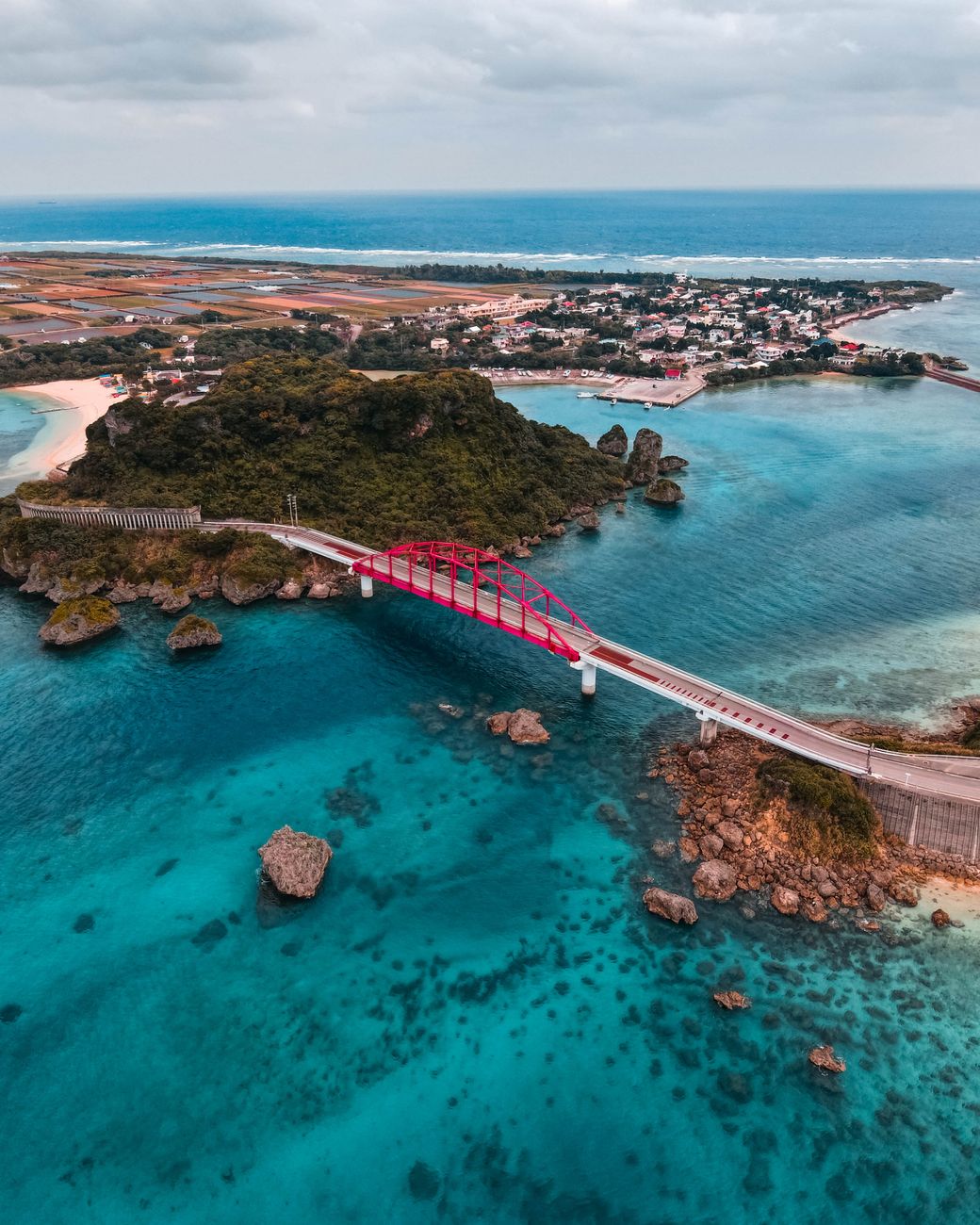
Kouri Island
Kouri Island is connected to the main island by a long bridge and is known for its beautiful sea views and clear water.
The drive across the bridge is part of the attraction.
Spend time around Kouri Beach, explore the island’s smaller roads and stop for a relaxed lunch rather than rushing through as a photo stop.
Yanbaru
Northern Okinawa becomes increasingly wild as you move into Yanbaru.
The region is known for subtropical forests, mountains, rivers and distinctive wildlife. It is an excellent choice for travellers who want hiking, nature and a slower version of Okinawa.
Yanbaru National Park is particularly rewarding for travellers who want to move beyond beaches and resorts.
The Kerama Islands
The Kerama Islands are an easy addition to a trip based in Naha.
The islands are known for exceptionally clear water, coral reefs and marine activities. The official Okinawa tourism guide describes Tokashiki as the largest island in Keramashoto National Park and notes that ferries connect it with Naha.
Photo by Gusti Mega
Tokashiki Island
Tokashiki is one of the easiest outer islands to reach from Naha.
It is known for beaches, snorkelling, sea kayaking and the brilliant blue water often referred to as Kerama Blue.
The island also has observation points, small guesthouses and a slower pace than the main island.
Zamami Island
Zamami is another popular Kerama destination and a strong choice for travellers who want beautiful beaches, snorkelling and a more intimate island atmosphere.
It can work as a day trip, but staying overnight gives you a much better chance to experience the island after day visitors leave.
Aka Island
Aka is smaller and quieter than Tokashiki and Zamami.
It is ideal for travellers who want to slow down, spend time near the water and explore by bicycle or on foot.
The Keramas are particularly good for travellers who want island scenery without committing to the longer journey required to reach Okinawa’s far southern islands.
Ishigaki Island
Ishigaki is the main gateway to the Yaeyama Islands and one of Okinawa’s best bases for island hopping.
The island has beaches, coral reefs, mountains, mangroves and excellent food.
Ishigaki City is the practical centre, while the rest of the island is much more spread out.
A rental car is useful if you want to explore beaches, viewpoints and quieter areas.
Kabira Bay
Kabira Bay is one of Ishigaki’s most famous landscapes.
The water changes colour depending on the light and weather, creating shades of blue and green around the small islands and forested coastline.
Swimming is restricted in the bay because of its environmental conditions, but glass bottom boat tours provide a way to experience the marine life.
Ishigaki City
Ishigaki City is where you will find most restaurants, shops, supermarkets and accommodation.
It is also the departure point for many ferries to nearby islands.
Stay here if you want convenience and easy access to restaurants and transport.
Taketomi Island
Taketomi is famous for its traditional village, stone walls, white sand paths and distinctive red tiled houses.
The island feels remarkably different from modern Japanese cities.
Take time to walk through the village, visit the beaches and experience the traditional architecture.
Taketomi is close enough to Ishigaki for an easy day trip, but staying overnight allows you to experience a quieter side of the island.
Iriomote Island
Iriomote is one of Okinawa’s most adventurous destinations.
Much of the island is covered by subtropical forest and mangroves, and the experience is centred on nature rather than resort life.
Kayaking, hiking, river trips and wildlife experiences are the main reasons to visit.
If you want Okinawa to feel wild rather than polished, Iriomote is one of the best choices.
Miyakojima
Miyakojima is known for beaches and remarkably clear water.
The island has a relaxed resort atmosphere without feeling as developed as some parts of the main island.
It is particularly appealing for travellers who want a straightforward beach holiday combined with scenic drives and excellent swimming.
Photo by John One
Yonaha Maehama Beach
Yonaha Maehama is one of Miyakojima’s most famous beaches.
The long stretch of pale sand and turquoise water makes it ideal for swimming, relaxing and sunset walks.
Irabu Bridge
Irabu Bridge connects Miyakojima with Irabu Island and is one of the most scenic drives in the region.
The road stretches across brilliant blue water and makes even a simple drive feel like part of the holiday.
The Best Time to Visit Okinawa
Okinawa can be visited throughout the year, but the experience changes considerably by season. The official Okinawa tourism guide describes the destination as a year round option, with different seasonal experiences throughout the year.
Spring: March to May
Spring is one of the most comfortable periods for exploring Okinawa. Temperatures are pleasant, flowers are appearing and the weather is generally suitable for sightseeing and outdoor activities. Late spring can also be a good time for beaches before the hottest summer weather arrives.
Summer: June to August
Summer brings hot weather, warm seas and excellent conditions for swimming and water activities. It is also a busy period, particularly around school holidays.
Typhoons can affect Okinawa during the warmer months, so travellers should keep plans flexible and check weather conditions before travelling between islands.
Autumn: September to November
September can remain hot, but October and November are often comfortable for sightseeing. The sea remains warm while the intense summer heat begins to ease. This is a good period for road trips, hiking and combining beaches with cultural sightseeing.
Winter: December to February
Okinawa’s winter is much milder than much of mainland Japan.
It is not the best season if your priority is guaranteed beach weather, but it can be excellent for escaping colder climates, exploring Naha, enjoying local food and experiencing a quieter side of the islands.
Whale watching is also an important seasonal attraction in Okinawa.
How Many Days Do You Need in Okinawa?
Okinawa is too spread out to see properly in only a couple of days.
Four Days
With four days, stay on the main island.
Spend two nights in Naha and two nights around the central or northern coast.
This gives you enough time for culture, food, beaches and one major northern excursion.
Seven Days
A week allows for a much more satisfying first visit.
Spend two nights in Naha, three nights on the main island coast and two nights on one of the Kerama Islands.
Alternatively, spend the full week on the main island if you prefer not to move hotels.
Ten Days
Ten days allows you to combine the main island with one outer island group.
A good option is:
Two nights in Naha
Three nights in northern Okinawa
Two nights in the Kerama Islands
Three nights in Ishigaki or Miyakojima
Two Weeks
Fourteen days gives you time to experience Okinawa more slowly.
You could combine the main island, Keramas and either Miyakojima or the Yaeyama Islands.
If you want to include Ishigaki, Taketomi and Iriomote, allow extra time rather than trying to squeeze everything into a few days.
Photo by John One
A Suggested Seven Day Okinawa Itinerary
Days 1 and 2: Naha
Stay centrally and explore Kokusai Street, Tsuboya and Shurijo Castle Park.
Spend your evenings trying Okinawan food and wandering the smaller streets around the city.
Day 3: Central Okinawa
Drive north along the coast and stop around Chatan, Cape Manzamo and nearby beaches.
Stay overnight on the central or northern coast.
Day 4: Northern Okinawa
Visit Okinawa Churaumi Aquarium and explore the coastline around Motobu and Kouri Island.
Continue into the northern part of the island if you want more nature.
Day 5: Yanbaru
Spend the day exploring northern forests, viewpoints and nature trails.
Stay overnight in northern Okinawa or return south depending on your next destination.
Days 6 and 7: Kerama Islands
Return towards Naha and take a ferry to Tokashiki or Zamami.
Spend two nights swimming, snorkelling and slowing down before returning to Naha.
A Suggested Ten Day Okinawa Island Itinerary
Days 1 and 2: Naha
Explore the city, markets, Shurijo Castle Park and Tsuboya.
Days 3 and 4: Northern Okinawa
Drive north and stay around Motobu or a coastal resort.
Visit Churaumi Aquarium, Kouri Island and nearby beaches.
Day 5: Yanbaru
Spend a full day in the forests and northern landscapes.
Days 6 and 7: Kerama Islands
Stay on Tokashiki, Zamami or Aka Island.
Days 8 to 10: Ishigaki
Fly to Ishigaki and spend three nights exploring the island.
Take a day trip to Taketomi or another nearby island if conditions allow.
Getting to Okinawa
Naha Airport is the main gateway to Okinawa’s main island.
There are direct flights from major Japanese cities and connections from destinations elsewhere in Asia. Flights also connect Naha with several of Okinawa’s outer islands.
If you are already travelling through Japan, Okinawa works particularly well as a second part of a larger itinerary.
For travellers arriving from overseas, check current flight schedules because direct international routes can vary by season.
Getting Around Okinawa
By Car
A rental car is one of the easiest ways to explore Okinawa’s main island.
It gives you freedom to reach beaches, viewpoints, restaurants and rural areas that are difficult to access by public transport.
The official tourism guide recommends rental vehicles for travellers who want to explore at their own pace, particularly away from the main urban areas.
By Monorail
Naha has the Yui Rail monorail.
It connects Naha Airport with central Naha and the Shurijo Castle area, making it especially useful for travellers staying in the capital without a car. The line has 19 stations and takes around 40 minutes from one end to the other.
By Bus
Buses connect many major attractions on the main island.
They are useful if you do not want to drive, although journey times can be longer and some remote areas are less convenient.
By Ferry
Ferries are essential for island hopping.
Routes connect Naha with the Kerama Islands and other island groups.
Weather can affect ferry services, so avoid planning an international flight immediately after a tight ferry connection.
By Domestic Flight
Flights connect Naha with islands including Ishigaki, Miyako, Kume and the Yaeyama Islands.
Flying is usually the most practical option when travelling between the main island and distant island groups.
Where to Stay in Okinawa
Okinawa offers everything from city hotels and boutique stays to beachfront resorts, villas and family friendly accommodation.
Naha
Stay in Naha if you want restaurants, shopping, culture and easy transport.
It is particularly useful for the beginning or end of your trip.
Chatan
Chatan is a good choice for travellers who want restaurants, nightlife, shopping and a more international atmosphere.
It works well for families and younger travellers.
Onna
Onna is one of the best areas for a classic Okinawa resort holiday.
Expect beaches, larger hotels, pools and easy access to coastal attractions.
Motobu
Motobu is ideal for travellers who want a quieter northern base near Churaumi Aquarium, beaches and scenic drives.
Ishigaki City
Stay in Ishigaki City for restaurants, shopping and easy ferry connections to nearby islands.
Miyakojima
Choose Miyakojima if beaches are the priority. The island is particularly appealing for couples, families and travellers who want a slower island holiday.
What to Eat in Okinawa
Okinawan food is one of the best reasons to visit. The cuisine reflects the islands’ history as a trading centre and combines local ingredients with influences from Japan, China and Southeast Asia.
Goya Champuru
Goya champuru is one of Okinawa’s signature dishes. It combines bitter melon with tofu, vegetables and usually pork or another protein.
The word champuru refers to the idea of mixing or blending, which perfectly reflects the character of Okinawan cuisine.
Okinawa Soba
Okinawa soba is different from the soba noodles commonly associated with mainland Japan. The noodles are wheat based and usually served in a rich pork and fish broth with slices of pork and green onion.
Taco Rice
Taco rice is one of Okinawa’s most recognisable modern comfort foods. It combines seasoned taco meat, rice, lettuce, tomato, cheese and other toppings.
It is a perfect example of Okinawa’s ability to blend different culinary influences into something distinctly local. The official tourism guide describes taco rice as a classic Okinawan comfort food connected to the islands’ champuru culture.
Rafute
Rafute is slow cooked pork belly traditionally prepared with awamori, soy sauce and sugar.
The result is rich, tender and deeply savoury.
Umibudo
Umibudo, or sea grapes, are small green seaweed clusters with a delicate texture that pops in your mouth.
They are often served with vinegar or dipping sauces.
Okinawan Sweet Potato
Purple Okinawan sweet potatoes appear in cakes, ice cream, tarts and other desserts. Look for them in markets and cafés.
Fresh Seafood
Okinawa’s surrounding waters provide an abundance of seafood.
Depending on where you travel, look for sashimi, grilled fish, sea grapes and local shellfish.
If you want to try another classic Japanese dish at home, our Japanese Okonomiyaki recipe is an easy place to start.
Awamori
Awamori is Okinawa’s traditional distilled spirit and has a history stretching back more than 500 years. It is made using Thai rice and black koji and remains an important part of Okinawan food culture.
Best Things to Do in Okinawa
Snorkelling
Okinawa is one of Japan’s best destinations for snorkelling.
The Kerama Islands are particularly famous for clear water and coral reefs, while Ishigaki and Miyakojima offer excellent marine experiences.
Diving
Diving is another major reason travellers visit Okinawa.
The islands offer coral reefs, tropical fish, caves and seasonal marine life.
Choose your base according to the type of diving you want rather than simply selecting the most famous island.
Whale Watching
During the appropriate season, whale watching is available around Okinawa.
Choose operators that follow responsible wildlife viewing practices and respect distance requirements.
Hiking in Yanbaru
Northern Okinawa offers a completely different landscape from the beaches.
Walk through subtropical forest, explore waterfalls and spend time in the quieter northern villages.
Explore Ryukyuan Culture
Visit castles, sacred sites, pottery workshops, traditional villages and cultural performances.
Okinawa’s history cannot be separated from the Ryukyu Kingdom, and understanding that history makes the islands much more interesting.
Visit a Traditional Pottery Workshop
Yachimun pottery is one of Okinawa’s most distinctive crafts.
Buying a handmade piece is also a more meaningful souvenir than a generic tourist item.
Relax at a Beach Resort
Not every day needs to be planned.
One of the best things about Okinawa is allowing yourself a day with no major attraction at all.
Swim, read, eat slowly and watch the sunset.
Practical Tips for Visiting Okinawa
Do Not Try to See Every Island
Okinawa is much larger than it looks.
Choose one main island group and explore it properly rather than spending your entire holiday moving between airports and ferries.
Book Popular Accommodation Early
Beach resorts and popular island guesthouses can fill quickly during peak periods.
Book ahead if you are travelling during school holidays or want a particular beachfront property.
Check Weather Before Island Transfers
Ferries and flights can be affected by tropical weather.
Leave some flexibility in your itinerary, particularly before an international departure.
Carry Cash
Cards are widely accepted, but cash remains useful at smaller restaurants, markets, rural businesses and some island accommodation.
Learn a Few Japanese Words
Japanese is the main language spoken in Okinawa, although many larger hotels and tourist facilities have English speaking staff or multilingual assistance.
A simple:
Arigatou: Thank you
Sumimasen: Excuse me
Ohayou gozaimasu: Good morning
Kon’nichiwa: Hello
is always useful.
Respect Sacred Places
Okinawa has important sacred sites and spiritual traditions.
Follow signs, stay on marked paths and avoid treating religious spaces simply as photography locations.
Take Care in the Ocean
Conditions can change quickly.
Follow local beach warnings, use designated swimming areas and listen to lifeguards and tour operators.
Pack for Heat and Rain
Light clothing, swimwear, comfortable walking shoes, sunscreen and a lightweight rain layer are useful throughout much of the year.
Okinawa Main Island, especially around Onna and Chatan.
Best for Culture
Naha and the southern and central parts of the main island.
Best for Nature
Yanbaru and Iriomote Island.
Best for Island Hopping
Ishigaki and the Yaeyama Islands.
Best for a Romantic Escape
Miyakojima, Ishigaki and the quieter Kerama Islands.
Best for a Short Break
Naha and the southern or central main island.
Where to Next?
Okinawa is a natural extension to a wider Japan trip.
If you are continuing through Japan, explore our ultimate Osaka travel guide for food, neighbourhoods and practical tips. Osaka offers a completely different side of Japan, with a much faster urban rhythm and one of the country’s most exciting food scenes.
For a different side of Japan, continue north to Hyogo Prefecture, where historic towns, beautiful coastlines, mountain onsen and some of Japan’s best food create a very different experience.
If you are flying through Tokyo or arriving in Japan via Narita, our [Narita City travel guide] is worth reading before you rush straight towards the capital. Narita offers temples, traditional streets, local food and a calmer introduction to Japan.
For another tropical escape, continue south into the Pacific with our ultimate Fiji travel guide. covering where to stay, what to eat, the best islands and how to plan a relaxed island holiday.
For a completely different kind of escape, discover our ultimate Copenhagen travel guide, where design, food, architecture and neighbourhood life create a very different travel experience.
The Final Word
Okinawa is not simply Japan with better beaches. It is a destination with its own rhythm, history, food culture and identity. The former Ryukyu Kingdom left a cultural legacy that can still be seen in architecture, crafts, music, food and traditions, while the islands’ subtropical landscapes create an atmosphere unlike mainland Japan.
For a first trip, keep things simple.
Spend time in Naha, explore the main island, experience the food and culture, then give yourself several days beside the sea. If you have more time, add the Kerama Islands, Ishigaki, Miyakojima or Iriomote rather than trying to collect every island.
The best Okinawa trips leave room for both adventure and doing absolutely nothing.
Swim in clear water. Eat taco rice from a small local restaurant. Wander through a pottery street. Drive across a bridge surrounded by blue water. Watch the sunset from the coast. Sit down for a bowl of Okinawa soba and stay a little longer than planned.
That slower rhythm is part of what makes Okinawa so memorable.
Frequently Asked Questions About Okinawa
Is Okinawa worth visiting?
Yes. Okinawa combines tropical beaches, coral reefs, distinctive food, Ryukyuan culture and subtropical landscapes with the convenience of travelling within Japan.
It is especially worthwhile for travellers who want a slower and more relaxed experience after visiting Japan’s major cities.
How many days should you spend in Okinawa?
Allow at least five to seven days for a first visit.
Ten days is better if you want to combine the main island with an outer island group, while two weeks allows for a more relaxed island hopping itinerary.
What is Okinawa best known for?
Okinawa is best known for its beaches, coral reefs, island culture, Ryukyuan history, distinctive cuisine, traditional crafts and subtropical landscapes.
It is also famous for its longevity culture.
Is Okinawa part of Japan?
Yes. Okinawa is Japan’s southernmost prefecture and includes more than 150 islands, although only some are inhabited.
The region has a distinct cultural history because it was formerly the independent Ryukyu Kingdom.
What is the best month to visit Okinawa?
Spring and autumn are generally excellent for comfortable sightseeing.
Summer is best for warm water and beach activities but can be hot and affected by tropical weather.
Winter is mild compared with much of mainland Japan and can be a good time for culture, food and a quieter trip.
Is Okinawa expensive?
Okinawa can be affordable or expensive depending on your accommodation and itinerary.
Resorts, rental cars, domestic flights and island transfers can increase costs, while local restaurants, guesthouses and public transport can help keep the budget manageable.
Do you need a car in Okinawa?
You do not need a car to explore Naha, but a rental car is very useful for exploring the main island beyond the capital.
On remote islands, transport options vary considerably, so check local conditions before booking accommodation.
Can you visit Okinawa without a car?
Yes.
Naha has the Yui Rail and buses, and some islands have buses, taxis, bicycles and organised tours. However, transport becomes more limited in remote areas.
Which is better, Ishigaki or Miyakojima?
Choose Ishigaki if you want a good base for island hopping and access to places such as Taketomi and Iriomote.
Choose Miyakojima if your priority is beaches, clear water and a slower beach holiday.
Is Okinawa good for families?
Yes. Okinawa has family friendly beaches, resorts, aquariums, easy sightseeing and many activities suitable for children.
The main island is particularly convenient because it has more accommodation and transport options.
What food should you try in Okinawa?
Try Okinawa soba, goya champuru, taco rice, rafute, sea grapes, fresh seafood, Okinawan sweet potato desserts and other local dishes.
Awamori is the region’s traditional spirit.
Can you swim in Okinawa?
Yes. Okinawa has many beautiful swimming beaches, but conditions vary by location and season.
Always follow local signs, beach rules and weather warnings.
Is Okinawa good for a honeymoon?
Yes. Miyakojima, Ishigaki, the Kerama Islands and luxury resorts on the main island all work well for couples.
For a more adventurous honeymoon, combine a beach resort with several days of island exploration.
Can Okinawa be combined with Tokyo or Osaka?
Absolutely.
Okinawa works particularly well at the beginning or end of a larger Japan itinerary.
Combine Osaka or Tokyo with Okinawa for a trip that mixes major cities, Japanese culture and tropical island life.
Okinawa Travel Guide Fast Facts
Best time to visit
Spring and autumn for comfortable sightseeing, with summer best for warm water and beach activities.
Main gateway
Naha Airport on Okinawa Main Island.
Currency
Japanese yen.
Language
Japanese, with English commonly available at major hotels and tourist facilities.
Ideal trip length
Seven to ten days for a first visit, or two weeks for a slower island hopping itinerary.
Best first areas
Naha, central Okinawa, northern Okinawa and the Kerama Islands.
Best beach destinations
Miyakojima, Ishigaki and the Kerama Islands.
Best for nature
Yanbaru and Iriomote Island.
Best for culture
Naha, Shuri, Tsuboya and the historic sites of the main island.


Okinawa feels different from the Japan many travellers imagine. There are the familiar elements of Japanese culture, excellent food, beautiful gardens, temples and meticulous attention to detail, but Okinawa adds turquoise water, coral reefs, subtropical forests, sandy beaches and a history shaped by the former Ryukyu Kingdom.
The result is a destination that can feel like several holidays in one. You can spend the morning exploring Naha’s historic streets, swim in clear water in the afternoon and finish the day eating Okinawan dishes in a tiny local restaurant.
Okinawa is also much larger and more varied than a simple beach holiday destination. The prefecture includes the main island, the Kerama Islands, Miyako Islands, Yaeyama Islands and other smaller islands, each with its own landscape and character. The official Okinawa tourism guide highlights Naha, Ishigaki, Miyako and Yanbaru among its major destinations, while the wider archipelago includes places such as Iriomote, Taketomi, Kume and the Keramas.
This complete Okinawa travel guide covers the best places to visit, where to stay, what to eat, the best time to go, how to get around, suggested itineraries and how to choose the right islands for your trip.
Why Visit Okinawa?
Okinawa is ideal for travellers who want something beyond the usual Japanese city itinerary.
The islands offer a combination of tropical scenery, fascinating history, distinctive food and a slower pace that feels very different from Tokyo, Kyoto or Osaka.
The region is especially appealing for travellers interested in:
• Beautiful beaches and turquoise water
• Snorkelling and diving
• Island hopping
• Japanese and Ryukyuan history
• Traditional crafts and culture
• Fresh seafood and distinctive local cuisine
• Subtropical forests and wildlife
• Road trips and scenic drives
• Wellness and slow travel
• Family friendly holidays
• Romantic island escapes
Okinawa’s food culture is particularly distinctive. The islands developed as part of the Ryukyu Kingdom and absorbed influences from China, Southeast Asia and mainland Japan, creating a cuisine that is unlike what you will find elsewhere in Japan.
The region is also known for its longevity culture and its traditional concept of food as something that nourishes both body and mind.
The Best Places to Visit in Okinawa
Okinawa should not be treated as a single destination.
Naha, the northern forests, the central coast, the Kerama Islands, Miyakojima and the Yaeyama Islands all offer very different experiences.
Naha
Naha is the natural starting point for most trips to Okinawa and the best place to begin understanding the islands.
The capital combines modern Japanese life with traces of the old Ryukyu Kingdom. It is compact enough to explore without a car, particularly around the central districts, and gives travellers an easy introduction to Okinawan food, shopping and culture.
Spend time walking through Kokusai Street, exploring the covered markets, visiting Shurijo Castle Park and wandering through the older neighbourhoods around Tsuboya.
Naha is also useful as a base before or after travelling to the outer islands.
Kokusai Street
Kokusai Street is Naha’s best known shopping and dining area.
The long central road is filled with restaurants, souvenir shops, cafés, bars and stores selling Okinawan products. It can feel busy and touristy, but it is still worth exploring, particularly in the evening when the street becomes lively.
Move away from the main road into the smaller side streets and you will find more intimate restaurants, izakayas and local shops.
Shurijo Castle Park
Shurijo Castle is one of the most important cultural sites in Okinawa and a place to understand the history of the Ryukyu Kingdom.
The original castle was badly damaged during the Second World War and later rebuilt. A major fire in 2019 caused further damage, and restoration work continues.
Even with restoration underway, the wider park remains an important stop for visitors interested in Okinawan history, architecture and culture.
Tsuboya Yachimun Street
Tsuboya is the place to explore Okinawa’s pottery tradition.
The historic street is lined with pottery shops, workshops and traditional buildings. Look for yachimun, the distinctive Okinawan ceramics that make beautiful souvenirs and practical pieces to take home.
This is a quieter experience than simply shopping along Kokusai Street and gives you a chance to see another side of Naha.
Okinawa Main Island Beaches
The main island has beaches ranging from busy resort areas to quieter stretches of coastline.
The west coast is particularly popular for resorts and swimming, while northern Okinawa offers a more natural landscape.
For a first visit, combining Naha with several days along the coast works well because you can experience culture, food and history before slowing down beside the sea.
Chatan and American Village
Chatan has a very different atmosphere from traditional Naha.
American Village is a colourful entertainment and shopping district filled with restaurants, cafés, shops and ocean views. The area reflects Okinawa’s long relationship with the United States and has a distinctly international atmosphere.
It works particularly well for families, younger travellers and anyone who wants an easy mix of food, shopping and sunset views.
Cape Manzamo
Cape Manzamo is one of the most photographed coastal viewpoints on the main island.
The dramatic cliff edge overlooks the East China Sea and is particularly beautiful around sunset.
Allow time to walk beyond the main viewpoint rather than arriving only for a photograph.
Okinawa Churaumi Aquarium
Okinawa Churaumi Aquarium is one of the main attractions in northern Okinawa and is particularly popular with families.
The aquarium is part of Ocean Expo Park and is known for its enormous tanks and marine life.
It works well as part of a northern Okinawa road trip rather than a quick journey from Naha.
Kouri Island
Kouri Island is connected to the main island by a long bridge and is known for its beautiful sea views and clear water.
The drive across the bridge is part of the attraction.
Spend time around Kouri Beach, explore the island’s smaller roads and stop for a relaxed lunch rather than rushing through as a photo stop.
Yanbaru
Northern Okinawa becomes increasingly wild as you move into Yanbaru.
The region is known for subtropical forests, mountains, rivers and distinctive wildlife. It is an excellent choice for travellers who want hiking, nature and a slower version of Okinawa.
Yanbaru National Park is particularly rewarding for travellers who want to move beyond beaches and resorts.
The Kerama Islands
The Kerama Islands are an easy addition to a trip based in Naha.
The islands are known for exceptionally clear water, coral reefs and marine activities. The official Okinawa tourism guide describes Tokashiki as the largest island in Keramashoto National Park and notes that ferries connect it with Naha.
Tokashiki Island
Tokashiki is one of the easiest outer islands to reach from Naha.
It is known for beaches, snorkelling, sea kayaking and the brilliant blue water often referred to as Kerama Blue.
The island also has observation points, small guesthouses and a slower pace than the main island.
Zamami Island
Zamami is another popular Kerama destination and a strong choice for travellers who want beautiful beaches, snorkelling and a more intimate island atmosphere.
It can work as a day trip, but staying overnight gives you a much better chance to experience the island after day visitors leave.
Aka Island
Aka is smaller and quieter than Tokashiki and Zamami.
It is ideal for travellers who want to slow down, spend time near the water and explore by bicycle or on foot.
The Keramas are particularly good for travellers who want island scenery without committing to the longer journey required to reach Okinawa’s far southern islands.
Ishigaki Island
Ishigaki is the main gateway to the Yaeyama Islands and one of Okinawa’s best bases for island hopping.
The island has beaches, coral reefs, mountains, mangroves and excellent food.
Ishigaki City is the practical centre, while the rest of the island is much more spread out.
A rental car is useful if you want to explore beaches, viewpoints and quieter areas.
Kabira Bay
Kabira Bay is one of Ishigaki’s most famous landscapes.
The water changes colour depending on the light and weather, creating shades of blue and green around the small islands and forested coastline.
Swimming is restricted in the bay because of its environmental conditions, but glass bottom boat tours provide a way to experience the marine life.
Ishigaki City
Ishigaki City is where you will find most restaurants, shops, supermarkets and accommodation.
It is also the departure point for many ferries to nearby islands.
Stay here if you want convenience and easy access to restaurants and transport.
Taketomi Island
Taketomi is famous for its traditional village, stone walls, white sand paths and distinctive red tiled houses.
The island feels remarkably different from modern Japanese cities.
Take time to walk through the village, visit the beaches and experience the traditional architecture.
Taketomi is close enough to Ishigaki for an easy day trip, but staying overnight allows you to experience a quieter side of the island.
Iriomote Island
Iriomote is one of Okinawa’s most adventurous destinations.
Much of the island is covered by subtropical forest and mangroves, and the experience is centred on nature rather than resort life.
Kayaking, hiking, river trips and wildlife experiences are the main reasons to visit.
If you want Okinawa to feel wild rather than polished, Iriomote is one of the best choices.
Miyakojima
Miyakojima is known for beaches and remarkably clear water.
The island has a relaxed resort atmosphere without feeling as developed as some parts of the main island.
It is particularly appealing for travellers who want a straightforward beach holiday combined with scenic drives and excellent swimming.
Yonaha Maehama Beach
Yonaha Maehama is one of Miyakojima’s most famous beaches.
The long stretch of pale sand and turquoise water makes it ideal for swimming, relaxing and sunset walks.
Irabu Bridge
Irabu Bridge connects Miyakojima with Irabu Island and is one of the most scenic drives in the region.
The road stretches across brilliant blue water and makes even a simple drive feel like part of the holiday.
The Best Time to Visit Okinawa
Okinawa can be visited throughout the year, but the experience changes considerably by season. The official Okinawa tourism guide describes the destination as a year round option, with different seasonal experiences throughout the year.
Spring: March to May
Spring is one of the most comfortable periods for exploring Okinawa. Temperatures are pleasant, flowers are appearing and the weather is generally suitable for sightseeing and outdoor activities. Late spring can also be a good time for beaches before the hottest summer weather arrives.
Summer: June to August
Summer brings hot weather, warm seas and excellent conditions for swimming and water activities. It is also a busy period, particularly around school holidays.
Typhoons can affect Okinawa during the warmer months, so travellers should keep plans flexible and check weather conditions before travelling between islands.
Autumn: September to November
September can remain hot, but October and November are often comfortable for sightseeing. The sea remains warm while the intense summer heat begins to ease. This is a good period for road trips, hiking and combining beaches with cultural sightseeing.
Winter: December to February
Okinawa’s winter is much milder than much of mainland Japan.
It is not the best season if your priority is guaranteed beach weather, but it can be excellent for escaping colder climates, exploring Naha, enjoying local food and experiencing a quieter side of the islands.
Whale watching is also an important seasonal attraction in Okinawa.
How Many Days Do You Need in Okinawa?
Okinawa is too spread out to see properly in only a couple of days.
Four Days
With four days, stay on the main island.
Spend two nights in Naha and two nights around the central or northern coast.
This gives you enough time for culture, food, beaches and one major northern excursion.
Seven Days
A week allows for a much more satisfying first visit.
Spend two nights in Naha, three nights on the main island coast and two nights on one of the Kerama Islands.
Alternatively, spend the full week on the main island if you prefer not to move hotels.
Ten Days
Ten days allows you to combine the main island with one outer island group.
A good option is:
Two nights in Naha
Three nights in northern Okinawa
Two nights in the Kerama Islands
Three nights in Ishigaki or Miyakojima
Two Weeks
Fourteen days gives you time to experience Okinawa more slowly.
You could combine the main island, Keramas and either Miyakojima or the Yaeyama Islands.
If you want to include Ishigaki, Taketomi and Iriomote, allow extra time rather than trying to squeeze everything into a few days.
A Suggested Seven Day Okinawa Itinerary
Days 1 and 2: Naha
Stay centrally and explore Kokusai Street, Tsuboya and Shurijo Castle Park.
Spend your evenings trying Okinawan food and wandering the smaller streets around the city.
Day 3: Central Okinawa
Drive north along the coast and stop around Chatan, Cape Manzamo and nearby beaches.
Stay overnight on the central or northern coast.
Day 4: Northern Okinawa
Visit Okinawa Churaumi Aquarium and explore the coastline around Motobu and Kouri Island.
Continue into the northern part of the island if you want more nature.
Day 5: Yanbaru
Spend the day exploring northern forests, viewpoints and nature trails.
Stay overnight in northern Okinawa or return south depending on your next destination.
Days 6 and 7: Kerama Islands
Return towards Naha and take a ferry to Tokashiki or Zamami.
Spend two nights swimming, snorkelling and slowing down before returning to Naha.
A Suggested Ten Day Okinawa Island Itinerary
Days 1 and 2: Naha
Explore the city, markets, Shurijo Castle Park and Tsuboya.
Days 3 and 4: Northern Okinawa
Drive north and stay around Motobu or a coastal resort.
Visit Churaumi Aquarium, Kouri Island and nearby beaches.
Day 5: Yanbaru
Spend a full day in the forests and northern landscapes.
Days 6 and 7: Kerama Islands
Stay on Tokashiki, Zamami or Aka Island.
Days 8 to 10: Ishigaki
Fly to Ishigaki and spend three nights exploring the island.
Take a day trip to Taketomi or another nearby island if conditions allow.
Getting to Okinawa
Naha Airport is the main gateway to Okinawa’s main island.
There are direct flights from major Japanese cities and connections from destinations elsewhere in Asia. Flights also connect Naha with several of Okinawa’s outer islands.
If you are already travelling through Japan, Okinawa works particularly well as a second part of a larger itinerary.
For travellers arriving from overseas, check current flight schedules because direct international routes can vary by season.
Getting Around Okinawa
By Car
A rental car is one of the easiest ways to explore Okinawa’s main island.
It gives you freedom to reach beaches, viewpoints, restaurants and rural areas that are difficult to access by public transport.
The official tourism guide recommends rental vehicles for travellers who want to explore at their own pace, particularly away from the main urban areas.
By Monorail
Naha has the Yui Rail monorail.
It connects Naha Airport with central Naha and the Shurijo Castle area, making it especially useful for travellers staying in the capital without a car. The line has 19 stations and takes around 40 minutes from one end to the other.
By Bus
Buses connect many major attractions on the main island.
They are useful if you do not want to drive, although journey times can be longer and some remote areas are less convenient.
By Ferry
Ferries are essential for island hopping.
Routes connect Naha with the Kerama Islands and other island groups.
Weather can affect ferry services, so avoid planning an international flight immediately after a tight ferry connection.
By Domestic Flight
Flights connect Naha with islands including Ishigaki, Miyako, Kume and the Yaeyama Islands.
Flying is usually the most practical option when travelling between the main island and distant island groups.
Where to Stay in Okinawa
Okinawa offers everything from city hotels and boutique stays to beachfront resorts, villas and family friendly accommodation.
Naha
Stay in Naha if you want restaurants, shopping, culture and easy transport.
It is particularly useful for the beginning or end of your trip.
Chatan
Chatan is a good choice for travellers who want restaurants, nightlife, shopping and a more international atmosphere.
It works well for families and younger travellers.
Onna
Onna is one of the best areas for a classic Okinawa resort holiday.
Expect beaches, larger hotels, pools and easy access to coastal attractions.
Motobu
Motobu is ideal for travellers who want a quieter northern base near Churaumi Aquarium, beaches and scenic drives.
Ishigaki City
Stay in Ishigaki City for restaurants, shopping and easy ferry connections to nearby islands.
Miyakojima
Choose Miyakojima if beaches are the priority. The island is particularly appealing for couples, families and travellers who want a slower island holiday.
What to Eat in Okinawa
Okinawan food is one of the best reasons to visit. The cuisine reflects the islands’ history as a trading centre and combines local ingredients with influences from Japan, China and Southeast Asia.
Goya Champuru
Goya champuru is one of Okinawa’s signature dishes. It combines bitter melon with tofu, vegetables and usually pork or another protein.
The word champuru refers to the idea of mixing or blending, which perfectly reflects the character of Okinawan cuisine.
Okinawa Soba
Okinawa soba is different from the soba noodles commonly associated with mainland Japan. The noodles are wheat based and usually served in a rich pork and fish broth with slices of pork and green onion.
Taco Rice
Taco rice is one of Okinawa’s most recognisable modern comfort foods. It combines seasoned taco meat, rice, lettuce, tomato, cheese and other toppings.
It is a perfect example of Okinawa’s ability to blend different culinary influences into something distinctly local. The official tourism guide describes taco rice as a classic Okinawan comfort food connected to the islands’ champuru culture.
Rafute
Rafute is slow cooked pork belly traditionally prepared with awamori, soy sauce and sugar.
The result is rich, tender and deeply savoury.
Umibudo
Umibudo, or sea grapes, are small green seaweed clusters with a delicate texture that pops in your mouth.
They are often served with vinegar or dipping sauces.
Okinawan Sweet Potato
Purple Okinawan sweet potatoes appear in cakes, ice cream, tarts and other desserts. Look for them in markets and cafés.
Fresh Seafood
Okinawa’s surrounding waters provide an abundance of seafood.
Depending on where you travel, look for sashimi, grilled fish, sea grapes and local shellfish.
If you want to try another classic Japanese dish at home, our Japanese Okonomiyaki recipe is an easy place to start.
Awamori
Awamori is Okinawa’s traditional distilled spirit and has a history stretching back more than 500 years. It is made using Thai rice and black koji and remains an important part of Okinawan food culture.
Best Things to Do in Okinawa
Snorkelling
Okinawa is one of Japan’s best destinations for snorkelling.
The Kerama Islands are particularly famous for clear water and coral reefs, while Ishigaki and Miyakojima offer excellent marine experiences.
Diving
Diving is another major reason travellers visit Okinawa.
The islands offer coral reefs, tropical fish, caves and seasonal marine life.
Choose your base according to the type of diving you want rather than simply selecting the most famous island.
Whale Watching
During the appropriate season, whale watching is available around Okinawa.
Choose operators that follow responsible wildlife viewing practices and respect distance requirements.
Hiking in Yanbaru
Northern Okinawa offers a completely different landscape from the beaches.
Walk through subtropical forest, explore waterfalls and spend time in the quieter northern villages.
Explore Ryukyuan Culture
Visit castles, sacred sites, pottery workshops, traditional villages and cultural performances.
Okinawa’s history cannot be separated from the Ryukyu Kingdom, and understanding that history makes the islands much more interesting.
Visit a Traditional Pottery Workshop
Yachimun pottery is one of Okinawa’s most distinctive crafts.
Buying a handmade piece is also a more meaningful souvenir than a generic tourist item.
Relax at a Beach Resort
Not every day needs to be planned.
One of the best things about Okinawa is allowing yourself a day with no major attraction at all.
Swim, read, eat slowly and watch the sunset.
Practical Tips for Visiting Okinawa
Do Not Try to See Every Island
Okinawa is much larger than it looks.
Choose one main island group and explore it properly rather than spending your entire holiday moving between airports and ferries.
Book Popular Accommodation Early
Beach resorts and popular island guesthouses can fill quickly during peak periods.
Book ahead if you are travelling during school holidays or want a particular beachfront property.
Check Weather Before Island Transfers
Ferries and flights can be affected by tropical weather.
Leave some flexibility in your itinerary, particularly before an international departure.
Carry Cash
Cards are widely accepted, but cash remains useful at smaller restaurants, markets, rural businesses and some island accommodation.
Learn a Few Japanese Words
Japanese is the main language spoken in Okinawa, although many larger hotels and tourist facilities have English speaking staff or multilingual assistance.
A simple:
Arigatou: Thank you
Sumimasen: Excuse me
Ohayou gozaimasu: Good morning
Kon’nichiwa: Hello
is always useful.
Respect Sacred Places
Okinawa has important sacred sites and spiritual traditions.
Follow signs, stay on marked paths and avoid treating religious spaces simply as photography locations.
Take Care in the Ocean
Conditions can change quickly.
Follow local beach warnings, use designated swimming areas and listen to lifeguards and tour operators.
Pack for Heat and Rain
Light clothing, swimwear, comfortable walking shoes, sunscreen and a lightweight rain layer are useful throughout much of the year.
For a polished holiday wardrobe that still feels practical, you can also browse ele STYLED’s guide to [The Best Basics to Buy Once and Keep Forever].
The Best Okinawa Islands by Travel Style
Best for First Time Visitors
Okinawa Main Island and the Kerama Islands.
Best for Beaches
Miyakojima, Ishigaki and the Kerama Islands.
Best for Diving
Ishigaki, Miyakojima and the Kerama Islands.
Best for Families
Okinawa Main Island, especially around Onna and Chatan.
Best for Culture
Naha and the southern and central parts of the main island.
Best for Nature
Yanbaru and Iriomote Island.
Best for Island Hopping
Ishigaki and the Yaeyama Islands.
Best for a Romantic Escape
Miyakojima, Ishigaki and the quieter Kerama Islands.
Best for a Short Break
Naha and the southern or central main island.
Where to Next?
Okinawa is a natural extension to a wider Japan trip.
If you are continuing through Japan, explore our ultimate Osaka travel guide for food, neighbourhoods and practical tips. Osaka offers a completely different side of Japan, with a much faster urban rhythm and one of the country’s most exciting food scenes.
For a different side of Japan, continue north to Hyogo Prefecture, where historic towns, beautiful coastlines, mountain onsen and some of Japan’s best food create a very different experience.
If you are flying through Tokyo or arriving in Japan via Narita, our [Narita City travel guide] is worth reading before you rush straight towards the capital. Narita offers temples, traditional streets, local food and a calmer introduction to Japan.
For another tropical escape, continue south into the Pacific with our ultimate Fiji travel guide. covering where to stay, what to eat, the best islands and how to plan a relaxed island holiday.
You could also continue to French Polynesia with our ultimate Tahiti and French Polynesia travel guide, another destination where turquoise water, island culture and slow travel come together.
For a completely different kind of escape, discover our ultimate Copenhagen travel guide, where design, food, architecture and neighbourhood life create a very different travel experience.
The Final Word
Okinawa is not simply Japan with better beaches. It is a destination with its own rhythm, history, food culture and identity. The former Ryukyu Kingdom left a cultural legacy that can still be seen in architecture, crafts, music, food and traditions, while the islands’ subtropical landscapes create an atmosphere unlike mainland Japan.
For a first trip, keep things simple.
Spend time in Naha, explore the main island, experience the food and culture, then give yourself several days beside the sea. If you have more time, add the Kerama Islands, Ishigaki, Miyakojima or Iriomote rather than trying to collect every island.
The best Okinawa trips leave room for both adventure and doing absolutely nothing.
Swim in clear water. Eat taco rice from a small local restaurant. Wander through a pottery street. Drive across a bridge surrounded by blue water. Watch the sunset from the coast. Sit down for a bowl of Okinawa soba and stay a little longer than planned.
That slower rhythm is part of what makes Okinawa so memorable.
Frequently Asked Questions About Okinawa
Is Okinawa worth visiting?
Yes. Okinawa combines tropical beaches, coral reefs, distinctive food, Ryukyuan culture and subtropical landscapes with the convenience of travelling within Japan.
It is especially worthwhile for travellers who want a slower and more relaxed experience after visiting Japan’s major cities.
How many days should you spend in Okinawa?
Allow at least five to seven days for a first visit.
Ten days is better if you want to combine the main island with an outer island group, while two weeks allows for a more relaxed island hopping itinerary.
What is Okinawa best known for?
Okinawa is best known for its beaches, coral reefs, island culture, Ryukyuan history, distinctive cuisine, traditional crafts and subtropical landscapes.
It is also famous for its longevity culture.
Is Okinawa part of Japan?
Yes. Okinawa is Japan’s southernmost prefecture and includes more than 150 islands, although only some are inhabited.
The region has a distinct cultural history because it was formerly the independent Ryukyu Kingdom.
What is the best month to visit Okinawa?
Spring and autumn are generally excellent for comfortable sightseeing.
Summer is best for warm water and beach activities but can be hot and affected by tropical weather.
Winter is mild compared with much of mainland Japan and can be a good time for culture, food and a quieter trip.
Is Okinawa expensive?
Okinawa can be affordable or expensive depending on your accommodation and itinerary.
Resorts, rental cars, domestic flights and island transfers can increase costs, while local restaurants, guesthouses and public transport can help keep the budget manageable.
Do you need a car in Okinawa?
You do not need a car to explore Naha, but a rental car is very useful for exploring the main island beyond the capital.
On remote islands, transport options vary considerably, so check local conditions before booking accommodation.
Can you visit Okinawa without a car?
Yes.
Naha has the Yui Rail and buses, and some islands have buses, taxis, bicycles and organised tours. However, transport becomes more limited in remote areas.
Which is better, Ishigaki or Miyakojima?
Choose Ishigaki if you want a good base for island hopping and access to places such as Taketomi and Iriomote.
Choose Miyakojima if your priority is beaches, clear water and a slower beach holiday.
Is Okinawa good for families?
Yes. Okinawa has family friendly beaches, resorts, aquariums, easy sightseeing and many activities suitable for children.
The main island is particularly convenient because it has more accommodation and transport options.
What food should you try in Okinawa?
Try Okinawa soba, goya champuru, taco rice, rafute, sea grapes, fresh seafood, Okinawan sweet potato desserts and other local dishes.
Awamori is the region’s traditional spirit.
Can you swim in Okinawa?
Yes. Okinawa has many beautiful swimming beaches, but conditions vary by location and season.
Always follow local signs, beach rules and weather warnings.
Is Okinawa good for a honeymoon?
Yes. Miyakojima, Ishigaki, the Kerama Islands and luxury resorts on the main island all work well for couples.
For a more adventurous honeymoon, combine a beach resort with several days of island exploration.
Can Okinawa be combined with Tokyo or Osaka?
Absolutely.
Okinawa works particularly well at the beginning or end of a larger Japan itinerary.
Combine Osaka or Tokyo with Okinawa for a trip that mixes major cities, Japanese culture and tropical island life.
Okinawa Travel Guide Fast Facts
Best time to visit
Spring and autumn for comfortable sightseeing, with summer best for warm water and beach activities.
Main gateway
Naha Airport on Okinawa Main Island.
Currency
Japanese yen.
Language
Japanese, with English commonly available at major hotels and tourist facilities.
Ideal trip length
Seven to ten days for a first visit, or two weeks for a slower island hopping itinerary.
Best first areas
Naha, central Okinawa, northern Okinawa and the Kerama Islands.
Best beach destinations
Miyakojima, Ishigaki and the Kerama Islands.
Best for nature
Yanbaru and Iriomote Island.
Best for culture
Naha, Shuri, Tsuboya and the historic sites of the main island.
Food to try
Okinawa soba, goya champuru, taco rice, rafute, sea grapes and fresh seafood.
Good to know
Okinawa is much larger than the main island alone. Choose your islands carefully and allow extra time for flights and ferries between destinations.
Share this:
Like this: