Fiji is one of those destinations that feels instantly familiar, even if you have never been. Warm water, palm trees, coral reefs, smiling welcomes, island songs, fresh seafood, frangipani, soft sand, and that lovely sense that life has permission to slow down. For Australians especially, Fiji is one of the easiest South Pacific escapes, close enough for a family holiday, romantic enough for a honeymoon, and varied enough for travellers who want more than one resort pool and a cocktail list.
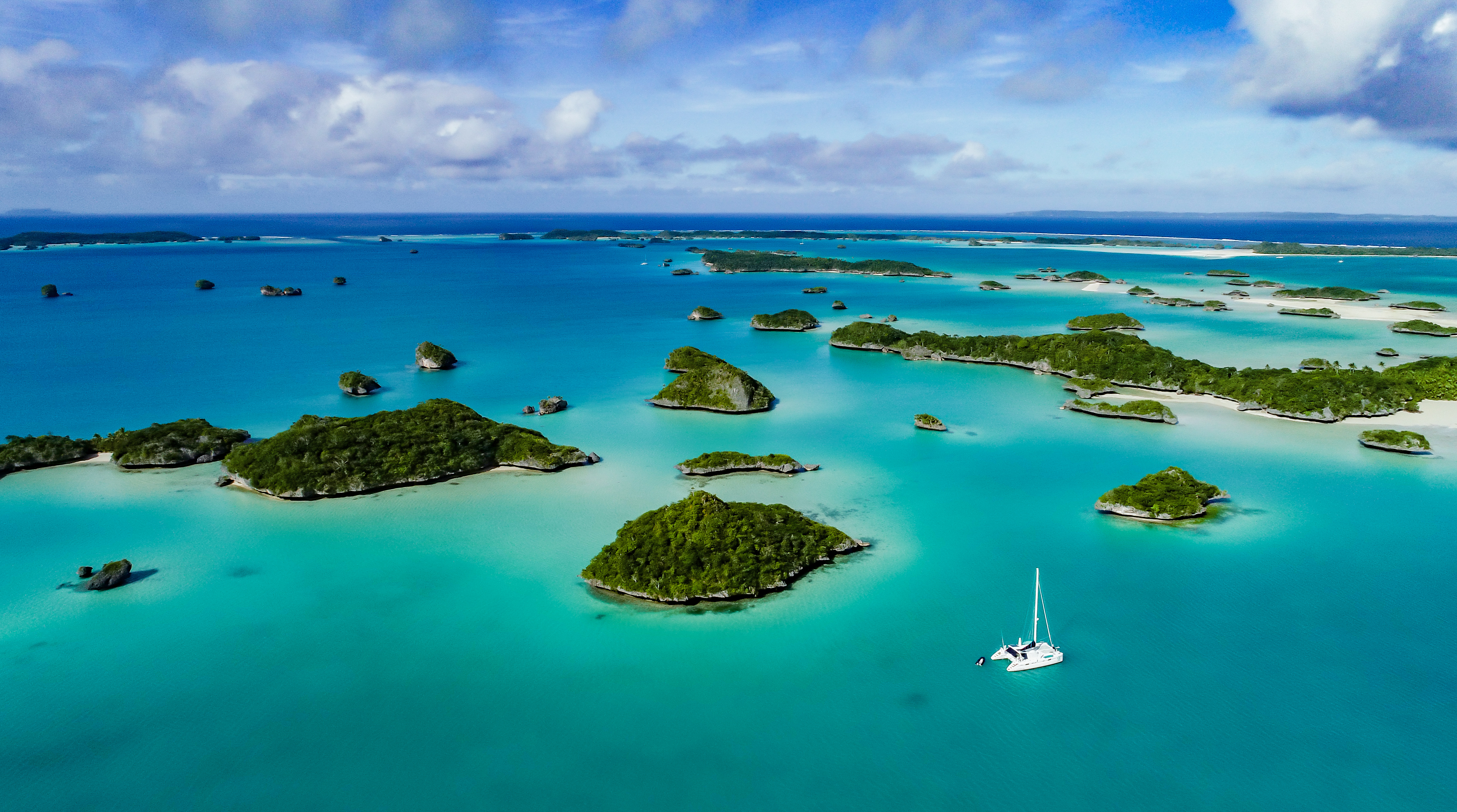
But Fiji is also bigger and more interesting than many first time visitors realise. It is not just one island or one resort strip. Fiji is made up of more than 300 islands, with the two main islands, Viti Levu and Vanua Levu, acting as gateways to smaller island groups such as the Mamanucas, Yasawas, Kadavu, Taveuni, Lomaiviti and Lau. Some islands are polished and resort ready, some are barefoot and simple, and some still feel deliciously far from the usual holiday trail.
This guide covers everything you need to know before planning a trip to Fiji, including how to get there, the best time to visit, where to stay, how much it costs, what to eat, which islands to choose, off the beaten track options, what to be aware of, and how long to spend.
Where Is Fiji?
Fiji sits in the South Pacific Ocean, northeast of Australia and north of New Zealand. It is one of the most accessible Pacific island destinations for Australian travellers, with most international arrivals landing at Nadi International Airport on the western side of Viti Levu. Nadi Airport as the main international gateway for most travellers arriving and departing by air.
Viti Levu is Fiji’s largest island and home to Nadi, Denarau, the Coral Coast, Pacific Harbour and Suva. Many travellers stay on Viti Levu for convenience, especially if they are visiting Fiji for a week or less. But the smaller islands are where Fiji often becomes more dreamlike, with reef fringed beaches, boat transfers, village visits, snorkelling, diving and that slower island feeling.
How to Get to Fiji
Most international flights arrive into Nadi International Airport, usually shown as NAN. Tourism Fiji notes that most international flights to Fiji use Nadi International Airport, and Fiji Airways operates direct flights and connections from many major Pacific Rim airports.
From Australia, direct flights to Nadi commonly operate from major east coast cities, depending on airline schedules and season. Travellers from Melbourne, Sydney, Brisbane and other Australian cities can usually find fairly straightforward routes, but flight availability can change, so always check current airline schedules before planning your itinerary.
Once you arrive in Nadi, you can transfer by car, resort shuttle, boat, ferry, seaplane or domestic flight, depending on where you are staying. Denarau is close to Nadi and easy to reach by road. The Mamanuca and Yasawa Islands are usually reached by ferry, speedboat, resort transfer, helicopter or seaplane. Other islands, including Taveuni, Kadavu and Vanua Levu, generally require domestic flights.
Tourism Fiji notes that taxis, car rentals, local buses and resort shuttle services operate from Nadi Airport, but rideshare services such as Uber, Lyft and Ola do not operate in Fiji.
Best Time to Visit Fiji
Fiji is a year round destination, with warm weather across the year. Tourism Fiji describes the climate as mild and tropical, with average daily temperatures ranging from around 26°C to 31°C.
The most popular time to visit is generally the dry season, from around May to October. This period usually brings lower humidity, less rainfall, sunny days and comfortable conditions for swimming, snorkelling, boating and relaxing outdoors.
The wet season generally runs from November to April. This period is warmer and more humid, with a greater chance of tropical rain. Smartraveller notes that November to April is cyclone season, although cyclones can occur at other times too.
For most travellers, the best months to visit Fiji are often:
May to June, for pleasant weather and fewer peak season crowds July to September, for classic dry season conditions, though it can be busier with school holidays October, for warm weather and a lovely shoulder season feel
If you are travelling during the wet season, you can still have a beautiful holiday, but build in flexibility and consider travel insurance carefully.
How Long Do You Need in Fiji?
A Fiji trip can be as short as four nights or as long as three weeks, depending on how much island hopping you want to do.
For a first visit, 7 to 10 days is ideal. This gives you enough time to settle in, avoid rushing between transfers, and enjoy at least one island or coastal stay properly.
A 5 night trip works well if you stay on Denarau, the Coral Coast or one easy island resort.
A 7 night trip gives you time for either one relaxed resort stay or a split between mainland Fiji and the Mamanucas.
A 10 night trip lets you combine Denarau or the Coral Coast with the Mamanucas, Yasawas or Taveuni.
A 14 night trip is best if you want a more interesting itinerary with remote islands, diving, village experiences and slower travel.
The main thing to remember is that island transfers take time. Do not try to see five island groups in one week. Fiji is much better when you slow down.
Photo by Isabelle Bruce
The Main Fiji Island Areas Explained
Viti Levu
Viti Levu is Fiji’s largest island and the main arrival point for most travellers. It is home to Nadi, Denarau, the Coral Coast, Pacific Harbour and Suva.
This is the most practical island for first timers, families, short stays and travellers who want easy airport access. It also offers a good range of accommodation, from larger resorts to boutique stays, villas and budget friendly hotels.
Best for: first timers, families, convenience, short stays, resort holidays, road trips and easy transfers.
Denarau Island
Denarau is not a remote island escape, but it is very easy. It is close to Nadi Airport, has large resorts, restaurants, golf, shopping, a marina and boat access to the Mamanuca and Yasawa Islands.
It is polished, convenient and family friendly. If you want postcard wildness, Denarau may not be your dream. If you want an easy fly and flop holiday with kids, pools, restaurants and tours, it works beautifully.
Best for: families, first nights, easy holidays, resort facilities, marina access and travellers who want minimal effort.
Photo by Vincent Rivaud
The Coral Coast
The Coral Coast runs along the southern coast of Viti Levu and is one of Fiji’s classic holiday regions. It offers beaches, resorts, villages, cultural activities, snorkelling spots and a more scenic, spread out feel than Denarau.
It is a strong choice if you want to stay on the main island but still feel like you have escaped the airport corridor.
Best for: families, couples, resort stays, culture, beaches, longer mainland holidays and good value.
The Mamanuca Islands
The Mamanucas are the dreamy island group many travellers imagine when they picture Fiji. They sit offshore from Nadi and Denarau, making them relatively easy to reach by boat, helicopter or seaplane.
This is where you will find clear lagoons, coral reefs, island resorts, snorkelling, diving, water sports and some very beautiful beach scenery.
Best for: first time island stays, couples, families, honeymoons, snorkelling, clear water and easy island access.
The Yasawa Islands
The Yasawas sit further north than the Mamanucas and feel more remote. The islands are known for dramatic volcanic landscapes, blue lagoons, village visits, beaches, caves, backpacker stays, boutique resorts and a more adventurous island hopping feel.
The Yasawas are ideal if you want Fiji to feel less polished and more barefoot.
Best for: island hopping, backpackers, couples, remote beaches, budget stays, boutique resorts and slower travel.
Vanua Levu
Vanua Levu is Fiji’s second largest island and much less visited than Viti Levu. Savusavu is the main tourism hub, often loved by sailors, divers and travellers who want a quieter, greener side of Fiji.
It is less obvious than Denarau or the Mamanucas, and that is exactly the appeal.
Best for: repeat visitors, divers, sailors, couples, nature lovers and quieter stays.
Taveuni
Taveuni is known as the Garden Island of Fiji, and it is one of the most beautiful islands for nature lovers. Expect waterfalls, rainforest, lush vegetation, diving, hiking, flowers and a wilder, greener mood.
It is also close to the famous Rainbow Reef, making it a strong choice for divers and snorkellers.
Best for: nature, waterfalls, diving, hiking, romance and off the beaten track travel.
Kadavu
Kadavu is remote, quiet and deeply appealing for travellers who want Fiji without the resort crowds. It is known for the Great Astrolabe Reef, diving, snorkelling, kayaking, village life and low key accommodation.
This is not the place for polished nightlife or big resort dining. It is for ocean lovers, divers and travellers who want something more grounded.
Best for: diving, reef experiences, remote lodges, kayaking, village culture and quiet travel.
Lomaiviti Islands
The Lomaiviti group includes Ovalau, home to Levuka, Fiji’s former capital and a UNESCO World Heritage listed port town. This region has history, culture and a slower pace than the main resort corridors.
Best for: culture, history, heritage, photography and travellers who want to see a different side of Fiji.
Lau Islands
The Lau Islands are among Fiji’s most remote and least visited island groups. They are harder to reach and require more planning, but they offer extraordinary beauty, culture and a sense of true distance.
Best for: experienced travellers, sailing, remote island travel and once in a lifetime Pacific adventures.
Best Fiji Islands for First Time Visitors
Denarau
Denarau is the easiest Fiji choice. It is close to the airport, full of family friendly resorts and a simple base for boat trips. It is not the most authentic or remote part of Fiji, but it is comfortable and convenient. Choose Denarau if you want easy logistics, large resort pools, kids clubs, restaurants and day trips.
Coral Coast
The Coral Coast is a better choice if you want to stay on the mainland but feel more connected to Fiji’s landscapes and culture. Resorts here can offer beach access, local excursions, village visits and a slower pace.
Choose the Coral Coast if you want convenience with a little more atmosphere.
Mamanuca Islands
For many first timers, the Mamanucas are the best choice. They are easy to reach, beautiful and varied, with everything from romantic island resorts to family friendly stays and day trip islands.
Choose the Mamanucas if you want clear water, beaches, snorkelling and that classic island holiday feeling.
Yasawa Islands
The Yasawas are ideal for travellers who want more adventure and fewer crowds. They require a little more travel effort but reward you with dramatic scenery and a more remote island feeling.
Choose the Yasawas if you want barefoot beaches, island hopping and a slower pace.
Best Off the Beaten Track Islands in Fiji
Taveuni
Taveuni is one of Fiji’s most rewarding islands for travellers who care about nature. Waterfalls, rainforest, birds, flowers, hiking and diving make it feel lush and alive. It is a beautiful choice for couples, adventurous families and anyone who wants more than a poolside holiday.
Kadavu
Kadavu is remote, quiet and reef focused. It is one of the best choices for divers and travellers who want to stay somewhere small scale and connected to nature. Expect simple luxury, not shiny glamour.
Ovalau
Ovalau offers history and culture rather than the usual resort scene. Levuka, Fiji’s old capital, gives travellers a glimpse of the country’s colonial and trading history, with a slower, more local feel.
Vanua Levu
Vanua Levu is excellent for repeat visitors who want to get beyond the standard Fiji holiday. Savusavu offers a lovely base for diving, sailing, hot springs, market visits and relaxed coastal stays.
Qamea
Near Taveuni, Qamea is a beautiful option for travellers looking for a quiet island stay with beaches, snorkelling and a more intimate resort experience.
Matangi Island
Matangi is a private island near Taveuni and is best suited to couples looking for a romantic, remote and polished escape without the crowds of more famous island groups.
The Lau Islands
The Lau Islands are for serious Fiji dreamers. They are remote, culturally rich and logistically more complex, but they offer a version of Fiji that very few visitors experience.
Suggested Fiji Itineraries
5 Days in Fiji, Easy Resort Escape
Base yourself in Denarau or the Coral Coast. Spend your days swimming, relaxing, taking a day trip to the Mamanucas, visiting a local market and enjoying a low effort reset.
This is best for families, short breaks and travellers who do not want multiple transfers.
7 Days in Fiji, First Time Classic
Spend one or two nights in Denarau after arrival, then transfer to a Mamanuca Island resort for five nights. This gives you an easy arrival, beautiful island time and enough space to actually relax.
This is one of the best itineraries for first timers.
10 Days in Fiji, Mainland and Islands
Spend three nights on the Coral Coast, then five nights in the Mamanucas or Yasawas, then one or two final nights near Nadi before flying home.
This gives you culture, beaches, reef time and practical airport access.
12 to 14 Days in Fiji, More Adventurous
Spend two nights near Nadi or Denarau, four nights in the Yasawas, four nights on Taveuni, and two nights back on Viti Levu before departure.
This is ideal for travellers who want nature, snorkelling, diving and a more varied Fiji experience.
2 to 3 Weeks in Fiji, Off the Beaten Track
Combine Viti Levu, Vanua Levu, Taveuni, Kadavu and possibly Ovalau or the Lau Islands. This kind of trip needs more planning, but it gives you a richer and more memorable understanding of Fiji.
Where to Stay in Fiji
Luxury Stays
Fiji does luxury beautifully, especially if your idea of luxury involves privacy, warm service, ocean views and barefoot ease rather than flashy formality.
For high end stays, look at the Mamanucas, Yasawas, private islands, Taveuni, Vanua Levu and selected Coral Coast resorts. Luxury in Fiji can mean private pool villas, beachfront bures, adults only island retreats, overwater style settings, spa treatments, private dining and reef access straight from the beach.
Best luxury areas include:
Mamanuca Islands Yasawa Islands Taveuni and nearby private islands Savusavu on Vanua Levu Selected Coral Coast resorts
Mid Range Stays
Fiji has a strong mid range resort scene, particularly around Denarau, the Coral Coast, the Mamanucas and parts of the Yasawas. These stays often include pools, restaurants, kids clubs, beach access and organised activities without reaching ultra luxury pricing.
For many Australian travellers, this is the sweet spot, comfortable, scenic and easy without feeling wildly over the top.
Budget and Guesthouse Options
Budget travel in Fiji is very possible, especially in Nadi, parts of Viti Levu and the Yasawa Islands. You will find backpacker resorts, simple bures, guesthouses and family run accommodation.
The Yasawas are especially good for travellers who want beautiful beaches without five star prices. Just check what is included, as some island stays require meal plans and transfer costs can add up.
Fiji for Families
Fiji is one of the best family destinations in the South Pacific. The warmth toward children is one of its biggest strengths, and many resorts are well set up for family holidays with kids clubs, babysitting, pools, activities and family bures.
For younger children, Denarau and the Coral Coast are easiest because transfers are simpler. For older children, the Mamanucas or Yasawas can feel more adventurous and memorable.
Fiji for Couples and Honeymoons
For romance, Fiji is wonderful. Look for adults only resorts, private island stays, beachfront bures, spa focused properties and smaller boutique resorts.
Best areas for couples include:
Mamanuca Islands Yasawa Islands Taveuni Savusavu Private island resorts
If you want romance without too much travel effort, choose the Mamanucas. If you want something quieter and more nature focused, look at Taveuni or Savusavu.
How Much Does Fiji Cost?
Fiji can be surprisingly flexible. It can be a relatively easy family resort holiday, a luxury private island splurge, or a more budget friendly island hopping trip. Costs vary heavily depending on where you stay, how many transfers you need, whether meals are included and how many activities you book.
The main costs to plan for are:
International flights Airport transfers Boat, ferry, seaplane or domestic flight transfers Accommodation Meal plans, especially on smaller islands Activities and tours Travel insurance Tips or small cash purchases Souvenirs, markets and spa treatments
A mainland stay in Nadi, Denarau or the Coral Coast is generally easier to control cost wise. A remote island stay can become more expensive once you add boat transfers, meal plans and activities.
If you want better value, consider travelling outside peak school holiday periods, choosing the Coral Coast or Yasawas, mixing resort nights with simpler accommodation, and booking meal inclusions where they make sense.
Money, Currency and Payments
Fiji uses the Fijian dollar, usually written as FJD. Credit cards are widely accepted in hotels, resorts and larger businesses, but cash is still useful for markets, taxis, village visits, smaller vendors and some local experiences.
If you are heading to smaller islands, do not assume you will always find an ATM nearby. Take some cash before transferring away from Nadi or the mainland, especially if you are staying somewhere more remote.
What to Eat in Fiji
Fijian food is fresh, tropical, comforting and often beautifully simple. You will find seafood, coconut, root vegetables, tropical fruit, curries, Indian influenced dishes, lovo feasts and resort style Pacific cuisine.
Kokoda
Kokoda is one of Fiji’s signature dishes and a must try. It is made with raw fish marinated in citrus and mixed with coconut milk, onion, chilli and vegetables. Think of it as Fiji’s answer to ceviche, but creamier and more tropical.
Lovo
A lovo is a traditional earth oven feast, where meat, fish, chicken, root vegetables and other foods are cooked underground. Many resorts offer lovo nights with cultural performances, but you may also encounter more local versions depending on where you travel.
Rourou
Rourou is made from taro leaves, often cooked with coconut milk. It is rich, earthy and comforting, and a great side dish to try with fish or meat.
Cassava and Taro
Root vegetables are important in Fijian cooking. Cassava and taro are often served boiled, roasted, fried or cooked in coconut milk.
Fresh Seafood
Expect fish, prawns, lobster, crab and reef fish depending on where you are staying. Grilled fish with coconut sauce and local vegetables can be one of the best meals of the trip.
Fijian Indian Food
Fiji has a large Indo Fijian community, and this influence is one of the great joys of eating in Fiji. Try curries, roti, dhal, chutneys, sweets and snacks. A simple curry plate or roti parcel can be just as memorable as a resort dinner.
Tropical Fruit
Papaya, pineapple, mango, banana, coconut and passionfruit appear often at breakfast tables, markets and roadside stalls.
Kava
Kava is a traditional drink made from the root of the yaqona plant. It is culturally important and often shared in ceremonies or social settings. If you are invited to take part, be respectful, follow the local lead and understand that kava has a calming, numbing effect.
Best Things to Do in Fiji
Snorkelling and Diving
Fiji is famous for its reefs, soft corals and marine life. The Mamanucas, Yasawas, Taveuni, Kadavu and Vanua Levu all offer excellent snorkelling and diving opportunities.
Taveuni’s Rainbow Reef and Kadavu’s Great Astrolabe Reef are especially appealing for serious divers.
Island Hopping
Island hopping is one of the best ways to experience Fiji. You can do this as a day trip from Denarau, a few nights in the Mamanucas, a longer Yasawa route, or a more complex itinerary combining domestic flights and boat transfers.
Visit a Village
Village visits can be a meaningful way to understand Fijian culture, but they should be approached respectfully. Dress modestly, ask before taking photos, follow your guide’s instructions and bring a sevusevu gift if appropriate, often kava root, depending on the visit.
Take a Boat Trip
Boat trips are central to Fiji travel. You can visit sand cays, snorkelling spots, uninhabited islands, reef systems and local villages. Some of the best Fiji days are simply spent on the water.
Go to a Local Market
Visit Nadi Market, Suva Market or smaller town markets for fruit, vegetables, flowers, spices, snacks and everyday island life. Markets are one of the easiest ways to see Fiji beyond the resort.
Explore Waterfalls
Taveuni is especially good for waterfalls, but you can also find waterfall walks and swimming spots in other parts of Fiji. Always check local access rules and conditions before swimming.
Try a Spa Treatment
Many resorts offer spa treatments using coconut oil, local botanicals and ocean view treatment rooms. Fiji is a natural destination for rest and wellness.
Attend a Cultural Performance
Meke performances, fire dancing, music and lovo nights are common at resorts, but some experiences are more authentic and respectful than others. Look for performances that involve local communities and cultural context, rather than purely tourist staging.
Photo by Daria Klet
Things to Be Aware of Before You Go
Cyclone Season
Smartraveller notes that November to April is cyclone season in Fiji, although cyclones can happen at other times. If travelling during this period, monitor weather, have insurance and allow flexibility. (Smartraveller)
Transfers Can Add Up
Island transfers can be expensive and time consuming. Always calculate ferry, boat, seaplane or domestic flight costs before choosing a resort.
Sunday Trading Can Be Quiet
Sundays are often quieter in Fiji, especially outside major resort areas. Some shops, services and transport options may be limited.
Village Etiquette Matters
If visiting villages, dress modestly and respect local customs. Avoid wearing hats in villages unless told it is acceptable, ask before taking photos and follow your guide’s instructions.
Reef Safety Matters
Use reef safe sunscreen, avoid standing on coral, do not touch marine life and choose responsible snorkelling and diving operators.
Travel Insurance Is Important
Travel insurance is essential, especially if you are travelling during cyclone season, taking boat transfers, diving, snorkelling, hiking or staying on remote islands.
Health and Safety
Fiji is generally a welcoming and popular holiday destination, and Smartraveller currently advises Australians to exercise normal safety precautions. Still, use common sense with belongings, transport, swimming conditions and weather.
Entry Requirements and Visas for Australians
Entry requirements can change, so always check official advice before travelling. Smartraveller provides current travel advice for Fiji, and Australian travellers should ensure they meet passport, visa, health and airline requirements before departure.
As a practical rule, make sure your passport has sufficient validity, carry proof of accommodation and onward or return travel, and check any updated immigration requirements before you fly.
What to Pack for Fiji
Fiji is relaxed, tropical and casual, so pack light. Most travellers need far less than they think.
Bring:
Lightweight linen or cotton clothing Swimwear A hat and sunglasses Reef safe sunscreen Insect repellent Sandals and water shoes A light rain jacket A modest outfit for village visits A dry bag for boat trips A reusable water bottle A waterproof phone pouch Basic medication and first aid A light evening outfit for resort dinners
For women, linen dresses, relaxed shirts, matching sets, swim cover ups and flat sandals are ideal. For men, linen shirts, tailored shorts and casual resort wear are usually enough.
Avoid overpacking formal clothing. Fiji is elegant in a relaxed way, not stiff.
Best Islands by Travel Style
Best for First Timers
Denarau, Coral Coast, Mamanuca Islands and Yasawa Islands.
Best for Families
Denarau, Coral Coast and family friendly Mamanuca resorts.
Best for Honeymoons
Mamanuca Islands, Yasawa Islands, Taveuni, Savusavu and private island resorts.
Best for Budget Travellers
Nadi, Coral Coast and selected Yasawa Island stays.
Best for Luxury
Private islands, Mamanucas, Yasawas, Taveuni and Savusavu.
Best for Diving
Taveuni, Kadavu, Vanua Levu, Mamanucas and Yasawas.
Best for Culture
Viti Levu, Ovalau, Vanua Levu and village based experiences in the outer islands.
Best for Getting Away From Crowds
Taveuni, Kadavu, Vanua Levu, Qamea, Matangi, Ovalau and the Lau Islands.
Fiji is easy to love because it gives travellers the thing so many holidays promise but do not always deliver, a genuine sense of exhale. The water is warm, the welcomes are warmer, and the best days often unfold without too much effort.
For a first trip, keep it simple. Stay on Denarau or the Coral Coast if you want convenience. Choose the Mamanucas if you want that classic island feeling without complicated logistics. Go to the Yasawas if you want something more barefoot and adventurous. For a second or third trip, look further, Taveuni, Kadavu, Vanua Levu, Ovalau and the Lau Islands all reveal a deeper, less obvious version of Fiji.
The real secret is not trying to do everything. Pick your islands well, slow down, eat the kokoda, swim often, take the boat trip, visit a market, learn a little about the culture and leave space for Fiji to work its magic.
Photo by Mark Direen
FAQs About Travelling to Fiji
What is the best time to visit Fiji?
The best time to visit Fiji is generally during the dry season, from May to October. This period usually brings lower humidity, less rain and comfortable conditions for beaches, snorkelling and island hopping. Fiji is warm year round, but November to April is the wetter season and also cyclone season. (Smartraveller)
How many days do you need in Fiji?
For a first trip, 7 to 10 days is ideal. You can enjoy a short Fiji holiday in five nights if you stay in one easy resort area, but 10 days gives you more time to combine the mainland with the Mamanuca or Yasawa Islands.
Which Fiji island is best for first timers?
For first timers, Denarau, the Coral Coast and the Mamanuca Islands are the easiest choices. Denarau is best for convenience, the Coral Coast is good for mainland resort stays, and the Mamanucas offer the classic island holiday experience.
Is Fiji good for families?
Yes, Fiji is excellent for families. Many resorts offer kids clubs, family bures, babysitting, pools and child friendly activities. Denarau, the Coral Coast and family friendly Mamanuca resorts are especially popular.
Is Fiji expensive?
Fiji can be affordable or very expensive depending on how you travel. Mainland stays are usually easier to manage cost wise, while remote island resorts, private transfers, meal plans and luxury accommodation can increase the budget quickly.
What currency does Fiji use?
Fiji uses the Fijian dollar, usually written as FJD. Credit cards are widely accepted in resorts and larger businesses, but cash is useful for markets, taxis, villages and smaller islands.
What food should you try in Fiji?
Try kokoda, lovo, rourou, cassava, taro, fresh seafood, tropical fruit and Fijian Indian curries and roti. Kava is also an important cultural drink, especially in village and ceremonial settings.
What are the best off the beaten track islands in Fiji?
Taveuni, Kadavu, Vanua Levu, Ovalau, Qamea, Matangi and the Lau Islands are excellent choices for travellers who want to go beyond Denarau, the Coral Coast and the Mamanucas.
Do you need a visa for Fiji?
Visa and entry rules depend on nationality and can change, so check official advice before travelling. Australian travellers should check Smartraveller and Fiji entry requirements before departure.
Is Fiji safe?
Fiji is generally a popular and welcoming destination, and Smartraveller currently advises Australians to exercise normal safety precautions. Travellers should still use common sense, monitor weather during cyclone season and take care with swimming, transport and valuables.
“`html
Fiji Travel Guide
Fast Facts
Best time to visit
May to October for drier weather, lower humidity and classic island holiday conditions.
Main gateway
Nadi International Airport, on the western side of Viti Levu.
Currency
Fijian dollar, usually written as FJD.
Language
English, Fijian and Fiji Hindi are widely spoken.
Ideal trip length
7 to 10 days for a first visit, or 14 days if adding remote islands.
Best first areas
Denarau, the Coral Coast, the Mamanuca Islands and the Yasawa Islands.
Off the beaten track
Taveuni, Kadavu, Vanua Levu, Ovalau, Qamea, Matangi and the Lau Islands.
Food to try
Kokoda, lovo, rourou, cassava, taro, fresh seafood, tropical fruit and Fijian Indian curries.
Good to know
Island transfers can add up, so factor boats, ferries and domestic flights into your budget.
“`
Where to Next
If Fiji has you dreaming of more warm water, island hopping and slow travel escapes, keep planning with these EatLiveEscape guides. Start with 5 Things You Can Do Now to Plan A Dream Fiji Holiday, a natural next read for anyone starting to map out their Fiji plans. (eatliveescape.com)


Fiji is one of those destinations that feels instantly familiar, even if you have never been. Warm water, palm trees, coral reefs, smiling welcomes, island songs, fresh seafood, frangipani, soft sand, and that lovely sense that life has permission to slow down. For Australians especially, Fiji is one of the easiest South Pacific escapes, close enough for a family holiday, romantic enough for a honeymoon, and varied enough for travellers who want more than one resort pool and a cocktail list.
But Fiji is also bigger and more interesting than many first time visitors realise. It is not just one island or one resort strip. Fiji is made up of more than 300 islands, with the two main islands, Viti Levu and Vanua Levu, acting as gateways to smaller island groups such as the Mamanucas, Yasawas, Kadavu, Taveuni, Lomaiviti and Lau. Some islands are polished and resort ready, some are barefoot and simple, and some still feel deliciously far from the usual holiday trail.
This guide covers everything you need to know before planning a trip to Fiji, including how to get there, the best time to visit, where to stay, how much it costs, what to eat, which islands to choose, off the beaten track options, what to be aware of, and how long to spend.
Where Is Fiji?
Fiji sits in the South Pacific Ocean, northeast of Australia and north of New Zealand. It is one of the most accessible Pacific island destinations for Australian travellers, with most international arrivals landing at Nadi International Airport on the western side of Viti Levu. Nadi Airport as the main international gateway for most travellers arriving and departing by air.
Viti Levu is Fiji’s largest island and home to Nadi, Denarau, the Coral Coast, Pacific Harbour and Suva. Many travellers stay on Viti Levu for convenience, especially if they are visiting Fiji for a week or less. But the smaller islands are where Fiji often becomes more dreamlike, with reef fringed beaches, boat transfers, village visits, snorkelling, diving and that slower island feeling.
How to Get to Fiji
Most international flights arrive into Nadi International Airport, usually shown as NAN. Tourism Fiji notes that most international flights to Fiji use Nadi International Airport, and Fiji Airways operates direct flights and connections from many major Pacific Rim airports.
From Australia, direct flights to Nadi commonly operate from major east coast cities, depending on airline schedules and season. Travellers from Melbourne, Sydney, Brisbane and other Australian cities can usually find fairly straightforward routes, but flight availability can change, so always check current airline schedules before planning your itinerary.
Once you arrive in Nadi, you can transfer by car, resort shuttle, boat, ferry, seaplane or domestic flight, depending on where you are staying. Denarau is close to Nadi and easy to reach by road. The Mamanuca and Yasawa Islands are usually reached by ferry, speedboat, resort transfer, helicopter or seaplane. Other islands, including Taveuni, Kadavu and Vanua Levu, generally require domestic flights.
Tourism Fiji notes that taxis, car rentals, local buses and resort shuttle services operate from Nadi Airport, but rideshare services such as Uber, Lyft and Ola do not operate in Fiji.
Best Time to Visit Fiji
Fiji is a year round destination, with warm weather across the year. Tourism Fiji describes the climate as mild and tropical, with average daily temperatures ranging from around 26°C to 31°C.
The most popular time to visit is generally the dry season, from around May to October. This period usually brings lower humidity, less rainfall, sunny days and comfortable conditions for swimming, snorkelling, boating and relaxing outdoors.
The wet season generally runs from November to April. This period is warmer and more humid, with a greater chance of tropical rain. Smartraveller notes that November to April is cyclone season, although cyclones can occur at other times too.
For most travellers, the best months to visit Fiji are often:
May to June, for pleasant weather and fewer peak season crowds
July to September, for classic dry season conditions, though it can be busier with school holidays
October, for warm weather and a lovely shoulder season feel
If you are travelling during the wet season, you can still have a beautiful holiday, but build in flexibility and consider travel insurance carefully.
How Long Do You Need in Fiji?
A Fiji trip can be as short as four nights or as long as three weeks, depending on how much island hopping you want to do.
For a first visit, 7 to 10 days is ideal. This gives you enough time to settle in, avoid rushing between transfers, and enjoy at least one island or coastal stay properly.
A 5 night trip works well if you stay on Denarau, the Coral Coast or one easy island resort.
A 7 night trip gives you time for either one relaxed resort stay or a split between mainland Fiji and the Mamanucas.
A 10 night trip lets you combine Denarau or the Coral Coast with the Mamanucas, Yasawas or Taveuni.
A 14 night trip is best if you want a more interesting itinerary with remote islands, diving, village experiences and slower travel.
The main thing to remember is that island transfers take time. Do not try to see five island groups in one week. Fiji is much better when you slow down.
The Main Fiji Island Areas Explained
Viti Levu
Viti Levu is Fiji’s largest island and the main arrival point for most travellers. It is home to Nadi, Denarau, the Coral Coast, Pacific Harbour and Suva.
This is the most practical island for first timers, families, short stays and travellers who want easy airport access. It also offers a good range of accommodation, from larger resorts to boutique stays, villas and budget friendly hotels.
Best for: first timers, families, convenience, short stays, resort holidays, road trips and easy transfers.
Denarau Island
Denarau is not a remote island escape, but it is very easy. It is close to Nadi Airport, has large resorts, restaurants, golf, shopping, a marina and boat access to the Mamanuca and Yasawa Islands.
It is polished, convenient and family friendly. If you want postcard wildness, Denarau may not be your dream. If you want an easy fly and flop holiday with kids, pools, restaurants and tours, it works beautifully.
Best for: families, first nights, easy holidays, resort facilities, marina access and travellers who want minimal effort.
The Coral Coast
The Coral Coast runs along the southern coast of Viti Levu and is one of Fiji’s classic holiday regions. It offers beaches, resorts, villages, cultural activities, snorkelling spots and a more scenic, spread out feel than Denarau.
It is a strong choice if you want to stay on the main island but still feel like you have escaped the airport corridor.
Best for: families, couples, resort stays, culture, beaches, longer mainland holidays and good value.
The Mamanuca Islands
The Mamanucas are the dreamy island group many travellers imagine when they picture Fiji. They sit offshore from Nadi and Denarau, making them relatively easy to reach by boat, helicopter or seaplane.
This is where you will find clear lagoons, coral reefs, island resorts, snorkelling, diving, water sports and some very beautiful beach scenery.
Best for: first time island stays, couples, families, honeymoons, snorkelling, clear water and easy island access.
The Yasawa Islands
The Yasawas sit further north than the Mamanucas and feel more remote. The islands are known for dramatic volcanic landscapes, blue lagoons, village visits, beaches, caves, backpacker stays, boutique resorts and a more adventurous island hopping feel.
The Yasawas are ideal if you want Fiji to feel less polished and more barefoot.
Best for: island hopping, backpackers, couples, remote beaches, budget stays, boutique resorts and slower travel.
Vanua Levu
Vanua Levu is Fiji’s second largest island and much less visited than Viti Levu. Savusavu is the main tourism hub, often loved by sailors, divers and travellers who want a quieter, greener side of Fiji.
It is less obvious than Denarau or the Mamanucas, and that is exactly the appeal.
Best for: repeat visitors, divers, sailors, couples, nature lovers and quieter stays.
Taveuni
Taveuni is known as the Garden Island of Fiji, and it is one of the most beautiful islands for nature lovers. Expect waterfalls, rainforest, lush vegetation, diving, hiking, flowers and a wilder, greener mood.
It is also close to the famous Rainbow Reef, making it a strong choice for divers and snorkellers.
Best for: nature, waterfalls, diving, hiking, romance and off the beaten track travel.
Kadavu
Kadavu is remote, quiet and deeply appealing for travellers who want Fiji without the resort crowds. It is known for the Great Astrolabe Reef, diving, snorkelling, kayaking, village life and low key accommodation.
This is not the place for polished nightlife or big resort dining. It is for ocean lovers, divers and travellers who want something more grounded.
Best for: diving, reef experiences, remote lodges, kayaking, village culture and quiet travel.
Lomaiviti Islands
The Lomaiviti group includes Ovalau, home to Levuka, Fiji’s former capital and a UNESCO World Heritage listed port town. This region has history, culture and a slower pace than the main resort corridors.
Best for: culture, history, heritage, photography and travellers who want to see a different side of Fiji.
Lau Islands
The Lau Islands are among Fiji’s most remote and least visited island groups. They are harder to reach and require more planning, but they offer extraordinary beauty, culture and a sense of true distance.
Best for: experienced travellers, sailing, remote island travel and once in a lifetime Pacific adventures.
Best Fiji Islands for First Time Visitors
Denarau
Denarau is the easiest Fiji choice. It is close to the airport, full of family friendly resorts and a simple base for boat trips. It is not the most authentic or remote part of Fiji, but it is comfortable and convenient. Choose Denarau if you want easy logistics, large resort pools, kids clubs, restaurants and day trips.
Coral Coast
The Coral Coast is a better choice if you want to stay on the mainland but feel more connected to Fiji’s landscapes and culture. Resorts here can offer beach access, local excursions, village visits and a slower pace.
Choose the Coral Coast if you want convenience with a little more atmosphere.
Mamanuca Islands
For many first timers, the Mamanucas are the best choice. They are easy to reach, beautiful and varied, with everything from romantic island resorts to family friendly stays and day trip islands.
Choose the Mamanucas if you want clear water, beaches, snorkelling and that classic island holiday feeling.
Yasawa Islands
The Yasawas are ideal for travellers who want more adventure and fewer crowds. They require a little more travel effort but reward you with dramatic scenery and a more remote island feeling.
Choose the Yasawas if you want barefoot beaches, island hopping and a slower pace.
Best Off the Beaten Track Islands in Fiji
Taveuni
Taveuni is one of Fiji’s most rewarding islands for travellers who care about nature. Waterfalls, rainforest, birds, flowers, hiking and diving make it feel lush and alive. It is a beautiful choice for couples, adventurous families and anyone who wants more than a poolside holiday.
Kadavu
Kadavu is remote, quiet and reef focused. It is one of the best choices for divers and travellers who want to stay somewhere small scale and connected to nature. Expect simple luxury, not shiny glamour.
Ovalau
Ovalau offers history and culture rather than the usual resort scene. Levuka, Fiji’s old capital, gives travellers a glimpse of the country’s colonial and trading history, with a slower, more local feel.
Vanua Levu
Vanua Levu is excellent for repeat visitors who want to get beyond the standard Fiji holiday. Savusavu offers a lovely base for diving, sailing, hot springs, market visits and relaxed coastal stays.
Qamea
Near Taveuni, Qamea is a beautiful option for travellers looking for a quiet island stay with beaches, snorkelling and a more intimate resort experience.
Matangi Island
Matangi is a private island near Taveuni and is best suited to couples looking for a romantic, remote and polished escape without the crowds of more famous island groups.
The Lau Islands
The Lau Islands are for serious Fiji dreamers. They are remote, culturally rich and logistically more complex, but they offer a version of Fiji that very few visitors experience.
Suggested Fiji Itineraries
5 Days in Fiji, Easy Resort Escape
Base yourself in Denarau or the Coral Coast. Spend your days swimming, relaxing, taking a day trip to the Mamanucas, visiting a local market and enjoying a low effort reset.
This is best for families, short breaks and travellers who do not want multiple transfers.
7 Days in Fiji, First Time Classic
Spend one or two nights in Denarau after arrival, then transfer to a Mamanuca Island resort for five nights. This gives you an easy arrival, beautiful island time and enough space to actually relax.
This is one of the best itineraries for first timers.
10 Days in Fiji, Mainland and Islands
Spend three nights on the Coral Coast, then five nights in the Mamanucas or Yasawas, then one or two final nights near Nadi before flying home.
This gives you culture, beaches, reef time and practical airport access.
12 to 14 Days in Fiji, More Adventurous
Spend two nights near Nadi or Denarau, four nights in the Yasawas, four nights on Taveuni, and two nights back on Viti Levu before departure.
This is ideal for travellers who want nature, snorkelling, diving and a more varied Fiji experience.
2 to 3 Weeks in Fiji, Off the Beaten Track
Combine Viti Levu, Vanua Levu, Taveuni, Kadavu and possibly Ovalau or the Lau Islands. This kind of trip needs more planning, but it gives you a richer and more memorable understanding of Fiji.
Where to Stay in Fiji
Luxury Stays
Fiji does luxury beautifully, especially if your idea of luxury involves privacy, warm service, ocean views and barefoot ease rather than flashy formality.
For high end stays, look at the Mamanucas, Yasawas, private islands, Taveuni, Vanua Levu and selected Coral Coast resorts. Luxury in Fiji can mean private pool villas, beachfront bures, adults only island retreats, overwater style settings, spa treatments, private dining and reef access straight from the beach.
Best luxury areas include:
Mamanuca Islands
Yasawa Islands
Taveuni and nearby private islands
Savusavu on Vanua Levu
Selected Coral Coast resorts
Mid Range Stays
Fiji has a strong mid range resort scene, particularly around Denarau, the Coral Coast, the Mamanucas and parts of the Yasawas. These stays often include pools, restaurants, kids clubs, beach access and organised activities without reaching ultra luxury pricing.
For many Australian travellers, this is the sweet spot, comfortable, scenic and easy without feeling wildly over the top.
Budget and Guesthouse Options
Budget travel in Fiji is very possible, especially in Nadi, parts of Viti Levu and the Yasawa Islands. You will find backpacker resorts, simple bures, guesthouses and family run accommodation.
The Yasawas are especially good for travellers who want beautiful beaches without five star prices. Just check what is included, as some island stays require meal plans and transfer costs can add up.
Fiji for Families
Fiji is one of the best family destinations in the South Pacific. The warmth toward children is one of its biggest strengths, and many resorts are well set up for family holidays with kids clubs, babysitting, pools, activities and family bures.
Best areas for families include:
Denarau
Coral Coast
Mamanuca Islands
Selected Yasawa resorts
For younger children, Denarau and the Coral Coast are easiest because transfers are simpler. For older children, the Mamanucas or Yasawas can feel more adventurous and memorable.
Fiji for Couples and Honeymoons
For romance, Fiji is wonderful. Look for adults only resorts, private island stays, beachfront bures, spa focused properties and smaller boutique resorts.
Best areas for couples include:
Mamanuca Islands
Yasawa Islands
Taveuni
Savusavu
Private island resorts
If you want romance without too much travel effort, choose the Mamanucas. If you want something quieter and more nature focused, look at Taveuni or Savusavu.
How Much Does Fiji Cost?
Fiji can be surprisingly flexible. It can be a relatively easy family resort holiday, a luxury private island splurge, or a more budget friendly island hopping trip. Costs vary heavily depending on where you stay, how many transfers you need, whether meals are included and how many activities you book.
The main costs to plan for are:
International flights
Airport transfers
Boat, ferry, seaplane or domestic flight transfers
Accommodation
Meal plans, especially on smaller islands
Activities and tours
Travel insurance
Tips or small cash purchases
Souvenirs, markets and spa treatments
A mainland stay in Nadi, Denarau or the Coral Coast is generally easier to control cost wise. A remote island stay can become more expensive once you add boat transfers, meal plans and activities.
If you want better value, consider travelling outside peak school holiday periods, choosing the Coral Coast or Yasawas, mixing resort nights with simpler accommodation, and booking meal inclusions where they make sense.
Money, Currency and Payments
Fiji uses the Fijian dollar, usually written as FJD. Credit cards are widely accepted in hotels, resorts and larger businesses, but cash is still useful for markets, taxis, village visits, smaller vendors and some local experiences.
If you are heading to smaller islands, do not assume you will always find an ATM nearby. Take some cash before transferring away from Nadi or the mainland, especially if you are staying somewhere more remote.
What to Eat in Fiji
Fijian food is fresh, tropical, comforting and often beautifully simple. You will find seafood, coconut, root vegetables, tropical fruit, curries, Indian influenced dishes, lovo feasts and resort style Pacific cuisine.
Kokoda
Kokoda is one of Fiji’s signature dishes and a must try. It is made with raw fish marinated in citrus and mixed with coconut milk, onion, chilli and vegetables. Think of it as Fiji’s answer to ceviche, but creamier and more tropical.
Lovo
A lovo is a traditional earth oven feast, where meat, fish, chicken, root vegetables and other foods are cooked underground. Many resorts offer lovo nights with cultural performances, but you may also encounter more local versions depending on where you travel.
Rourou
Rourou is made from taro leaves, often cooked with coconut milk. It is rich, earthy and comforting, and a great side dish to try with fish or meat.
Cassava and Taro
Root vegetables are important in Fijian cooking. Cassava and taro are often served boiled, roasted, fried or cooked in coconut milk.
Fresh Seafood
Expect fish, prawns, lobster, crab and reef fish depending on where you are staying. Grilled fish with coconut sauce and local vegetables can be one of the best meals of the trip.
Fijian Indian Food
Fiji has a large Indo Fijian community, and this influence is one of the great joys of eating in Fiji. Try curries, roti, dhal, chutneys, sweets and snacks. A simple curry plate or roti parcel can be just as memorable as a resort dinner.
Tropical Fruit
Papaya, pineapple, mango, banana, coconut and passionfruit appear often at breakfast tables, markets and roadside stalls.
Kava
Kava is a traditional drink made from the root of the yaqona plant. It is culturally important and often shared in ceremonies or social settings. If you are invited to take part, be respectful, follow the local lead and understand that kava has a calming, numbing effect.
Best Things to Do in Fiji
Snorkelling and Diving
Fiji is famous for its reefs, soft corals and marine life. The Mamanucas, Yasawas, Taveuni, Kadavu and Vanua Levu all offer excellent snorkelling and diving opportunities.
Taveuni’s Rainbow Reef and Kadavu’s Great Astrolabe Reef are especially appealing for serious divers.
Island Hopping
Island hopping is one of the best ways to experience Fiji. You can do this as a day trip from Denarau, a few nights in the Mamanucas, a longer Yasawa route, or a more complex itinerary combining domestic flights and boat transfers.
Visit a Village
Village visits can be a meaningful way to understand Fijian culture, but they should be approached respectfully. Dress modestly, ask before taking photos, follow your guide’s instructions and bring a sevusevu gift if appropriate, often kava root, depending on the visit.
Take a Boat Trip
Boat trips are central to Fiji travel. You can visit sand cays, snorkelling spots, uninhabited islands, reef systems and local villages. Some of the best Fiji days are simply spent on the water.
Go to a Local Market
Visit Nadi Market, Suva Market or smaller town markets for fruit, vegetables, flowers, spices, snacks and everyday island life. Markets are one of the easiest ways to see Fiji beyond the resort.
Explore Waterfalls
Taveuni is especially good for waterfalls, but you can also find waterfall walks and swimming spots in other parts of Fiji. Always check local access rules and conditions before swimming.
Try a Spa Treatment
Many resorts offer spa treatments using coconut oil, local botanicals and ocean view treatment rooms. Fiji is a natural destination for rest and wellness.
Attend a Cultural Performance
Meke performances, fire dancing, music and lovo nights are common at resorts, but some experiences are more authentic and respectful than others. Look for performances that involve local communities and cultural context, rather than purely tourist staging.
Things to Be Aware of Before You Go
Cyclone Season
Smartraveller notes that November to April is cyclone season in Fiji, although cyclones can happen at other times. If travelling during this period, monitor weather, have insurance and allow flexibility. (Smartraveller)
Transfers Can Add Up
Island transfers can be expensive and time consuming. Always calculate ferry, boat, seaplane or domestic flight costs before choosing a resort.
Sunday Trading Can Be Quiet
Sundays are often quieter in Fiji, especially outside major resort areas. Some shops, services and transport options may be limited.
Village Etiquette Matters
If visiting villages, dress modestly and respect local customs. Avoid wearing hats in villages unless told it is acceptable, ask before taking photos and follow your guide’s instructions.
Reef Safety Matters
Use reef safe sunscreen, avoid standing on coral, do not touch marine life and choose responsible snorkelling and diving operators.
Travel Insurance Is Important
Travel insurance is essential, especially if you are travelling during cyclone season, taking boat transfers, diving, snorkelling, hiking or staying on remote islands.
Health and Safety
Fiji is generally a welcoming and popular holiday destination, and Smartraveller currently advises Australians to exercise normal safety precautions. Still, use common sense with belongings, transport, swimming conditions and weather.
Entry Requirements and Visas for Australians
Entry requirements can change, so always check official advice before travelling. Smartraveller provides current travel advice for Fiji, and Australian travellers should ensure they meet passport, visa, health and airline requirements before departure.
As a practical rule, make sure your passport has sufficient validity, carry proof of accommodation and onward or return travel, and check any updated immigration requirements before you fly.
What to Pack for Fiji
Fiji is relaxed, tropical and casual, so pack light. Most travellers need far less than they think.
Bring:
Lightweight linen or cotton clothing
Swimwear
A hat and sunglasses
Reef safe sunscreen
Insect repellent
Sandals and water shoes
A light rain jacket
A modest outfit for village visits
A dry bag for boat trips
A reusable water bottle
A waterproof phone pouch
Basic medication and first aid
A light evening outfit for resort dinners
For women, linen dresses, relaxed shirts, matching sets, swim cover ups and flat sandals are ideal. For men, linen shirts, tailored shorts and casual resort wear are usually enough.
Avoid overpacking formal clothing. Fiji is elegant in a relaxed way, not stiff.
Best Islands by Travel Style
Best for First Timers
Denarau, Coral Coast, Mamanuca Islands and Yasawa Islands.
Best for Families
Denarau, Coral Coast and family friendly Mamanuca resorts.
Best for Honeymoons
Mamanuca Islands, Yasawa Islands, Taveuni, Savusavu and private island resorts.
Best for Budget Travellers
Nadi, Coral Coast and selected Yasawa Island stays.
Best for Luxury
Private islands, Mamanucas, Yasawas, Taveuni and Savusavu.
Best for Diving
Taveuni, Kadavu, Vanua Levu, Mamanucas and Yasawas.
Best for Culture
Viti Levu, Ovalau, Vanua Levu and village based experiences in the outer islands.
Best for Getting Away From Crowds
Taveuni, Kadavu, Vanua Levu, Qamea, Matangi, Ovalau and the Lau Islands.
Best for a Short Break
Denarau, Coral Coast or one easy Mamanuca resort.
The Wrap
Fiji is easy to love because it gives travellers the thing so many holidays promise but do not always deliver, a genuine sense of exhale. The water is warm, the welcomes are warmer, and the best days often unfold without too much effort.
For a first trip, keep it simple. Stay on Denarau or the Coral Coast if you want convenience. Choose the Mamanucas if you want that classic island feeling without complicated logistics. Go to the Yasawas if you want something more barefoot and adventurous. For a second or third trip, look further, Taveuni, Kadavu, Vanua Levu, Ovalau and the Lau Islands all reveal a deeper, less obvious version of Fiji.
The real secret is not trying to do everything. Pick your islands well, slow down, eat the kokoda, swim often, take the boat trip, visit a market, learn a little about the culture and leave space for Fiji to work its magic.
FAQs About Travelling to Fiji
What is the best time to visit Fiji?
The best time to visit Fiji is generally during the dry season, from May to October. This period usually brings lower humidity, less rain and comfortable conditions for beaches, snorkelling and island hopping. Fiji is warm year round, but November to April is the wetter season and also cyclone season. (Smartraveller)
How many days do you need in Fiji?
For a first trip, 7 to 10 days is ideal. You can enjoy a short Fiji holiday in five nights if you stay in one easy resort area, but 10 days gives you more time to combine the mainland with the Mamanuca or Yasawa Islands.
Which Fiji island is best for first timers?
For first timers, Denarau, the Coral Coast and the Mamanuca Islands are the easiest choices. Denarau is best for convenience, the Coral Coast is good for mainland resort stays, and the Mamanucas offer the classic island holiday experience.
Is Fiji good for families?
Yes, Fiji is excellent for families. Many resorts offer kids clubs, family bures, babysitting, pools and child friendly activities. Denarau, the Coral Coast and family friendly Mamanuca resorts are especially popular.
Is Fiji expensive?
Fiji can be affordable or very expensive depending on how you travel. Mainland stays are usually easier to manage cost wise, while remote island resorts, private transfers, meal plans and luxury accommodation can increase the budget quickly.
What currency does Fiji use?
Fiji uses the Fijian dollar, usually written as FJD. Credit cards are widely accepted in resorts and larger businesses, but cash is useful for markets, taxis, villages and smaller islands.
What food should you try in Fiji?
Try kokoda, lovo, rourou, cassava, taro, fresh seafood, tropical fruit and Fijian Indian curries and roti. Kava is also an important cultural drink, especially in village and ceremonial settings.
What are the best off the beaten track islands in Fiji?
Taveuni, Kadavu, Vanua Levu, Ovalau, Qamea, Matangi and the Lau Islands are excellent choices for travellers who want to go beyond Denarau, the Coral Coast and the Mamanucas.
Do you need a visa for Fiji?
Visa and entry rules depend on nationality and can change, so check official advice before travelling. Australian travellers should check Smartraveller and Fiji entry requirements before departure.
Is Fiji safe?
Fiji is generally a popular and welcoming destination, and Smartraveller currently advises Australians to exercise normal safety precautions. Travellers should still use common sense, monitor weather during cyclone season and take care with swimming, transport and valuables.
“`htmlFiji Travel Guide
Fast Facts
May to October for drier weather, lower humidity and classic island holiday conditions.
Nadi International Airport, on the western side of Viti Levu.
Fijian dollar, usually written as FJD.
English, Fijian and Fiji Hindi are widely spoken.
7 to 10 days for a first visit, or 14 days if adding remote islands.
Denarau, the Coral Coast, the Mamanuca Islands and the Yasawa Islands.
Taveuni, Kadavu, Vanua Levu, Ovalau, Qamea, Matangi and the Lau Islands.
Kokoda, lovo, rourou, cassava, taro, fresh seafood, tropical fruit and Fijian Indian curries.
Island transfers can add up, so factor boats, ferries and domestic flights into your budget.
Where to Next
If Fiji has you dreaming of more warm water, island hopping and slow travel escapes, keep planning with these EatLiveEscape guides. Start with 5 Things You Can Do Now to Plan A Dream Fiji Holiday, a natural next read for anyone starting to map out their Fiji plans. (eatliveescape.com)
For more South Pacific inspiration, read Five Remote Pacific Islands You’ll Dream Of Escaping To, which keeps the island mood going with far flung, slower paced escapes. (eatliveescape.com)
If you are comparing Fiji with other Pacific destinations, A South Pacific Dream Destination: New Caledonia is a beautiful follow up, especially for travellers drawn to palm lined beaches, clear water and French influenced island culture. (eatliveescape.com)
For readers wanting another island guide closer to home, 6 Island Escapes You Can Add to Your Australia Itinerary explores standout Australian island destinations including Hamilton Island, K’gari, Rottnest, Lord Howe and Kangaroo Island. (eatliveescape.com)
And for a classic Australian tropical escape, Travel Guide to Hamilton Island, Australia is a useful read for anyone who loves resort holidays, coral reefs, easy island access and warm weather travel. (eatliveescape.com)
Share this:
Like this: