Wedding trends are hard to resist. One year it is champagne towers and bows, the next it is fruit-covered tables, maximalist florals, vintage cakes, chrome accents or a particular shade of green suddenly appearing at every stylish wedding.
There is nothing wrong with embracing a trend you genuinely love. Weddings should feel current, joyful and personal. The problem comes when every element of the day is built around whatever happens to be dominating Pinterest, Instagram and TikTok at the time.
What feels impossibly chic today can look very specific to a moment when you open your wedding album five, ten or twenty years from now. The most memorable weddings tend to have something else in common. They feel like the people getting married.
They might be romantic, glamorous, colourful, minimalist or completely relaxed, but there is a thread connecting everything from the invitations and flowers to the venue, clothing, food and tables.
If you are trying to define your wedding style, the goal is not to discover the trendiest possible theme. It is to create a celebration that feels beautiful now, personal to you and still looks wonderful years later.
If you are at the very beginning of the process, start with our Guide to the Wedding Planning Timeline to work out when to tackle the major decisions before getting lost in the details.
Here is how to create a wedding style with staying power.
Start With a Feeling, Not a Theme
Before choosing colours, flowers, furniture or stationery, ask a much simpler question:
How do you want your wedding to feel?
Forget labels like “modern romantic” or “European garden” for a moment.
Perhaps you want the day to feel intimate and candlelit. Maybe you imagine a long, lazy summer lunch with chilled wine and music playing in the background. You might want something elegant and formal, joyful and colourful, relaxed and Mediterranean, or glamorous enough to justify black tie.
A feeling is usually far more useful than a theme because it gives you direction without locking every decision into one visual idea.
For example, if your goal is an elegant dinner party with everyone we love, that immediately suggests beautiful food, generous tables, good wine, flattering lighting and conversation.
You do not need to add decorations simply because weddings are apparently supposed to have them.
Likewise, if your vision is closer to a relaxed European summer lunch, you may naturally gravitate towards linen, seasonal food, bowls of fruit, simple flowers, wine on ice and long communal tables.
Couples drawn to daytime celebrations may also find inspiration in our guide to planning a lunchtime wedding, particularly if your idea of a perfect wedding involves gardens, long lunches and a more relaxed pace.
Choose Three Words to Describe Your Wedding
Once you have an idea of how you want the day to feel, choose three words that describe it.
They might be:
Romantic. Warm. Intimate.
Or:
Modern. Elegant. Playful.
Or:
Relaxed. Mediterranean. Colourful.
Or:
Classic. Candlelit. Glamorous.
Keep those words somewhere visible during the planning process.
Every time you are tempted by a new idea, ask whether it belongs with those three words. If you have chosen relaxed, Mediterranean and colourful, for example, a giant mirrored seating chart covered in crystals might suddenly feel less necessary.
This simple exercise can stop a wedding from becoming a collection of individually beautiful ideas that do not actually work together.
Let the Venue Lead the Style
One of the easiest ways to create a timeless wedding is to work with your venue rather than trying to transform it into something it was never meant to be.
A historic estate already brings architecture, gardens and character.
A beautiful restaurant might need little more than flowers, candles and personalised menus.
A vineyard naturally lends itself to outdoor drinks and long tables.
A contemporary city venue can look incredible with restrained styling, sculptural flowers and great lighting.
A coastal location already has the ocean doing much of the visual work for you.
Look closely at the venue before creating your mood board.
Pay attention to its architecture, flooring, wall colours, furniture, garden, natural light, ceiling height and surrounding landscape.
The stronger the venue, the less you often need to add.
This is particularly important with outdoor weddings. A garden already contains texture, colour and movement, so styling can enhance rather than compete with it. Our guide to planning a garden wedding covers everything from seasonal flowers and weather contingencies to lighting and guest comfort.
Avoid Fighting the Location
Trying to turn an industrial warehouse into a French château or covering a beautiful heritage dining room with temporary backdrops can quickly make a wedding feel over-styled.
Instead, allow the location to become part of the theme. For a destination wedding, this becomes even more important.
If you are getting married in Italy, France, Greece or another beautiful location, you rarely need to plaster that destination across every detail.
A Lake Como wedding does not need lemons on the stationery, lemons on the cake, lemon place cards and ceramic lemons covering the tables. The lake, villas, gardens, food and Italian setting already tell the story.
For destination inspiration, our complete guide to planning a Lake Como wedding explores how the venue, season, accommodation and surrounding landscape can become part of the celebration.
Photo by Image Hunter
Build a Colour Palette, Not a Colour Theme
Colour is one of the quickest ways to establish a wedding aesthetic, but it is also an area where trends can become particularly obvious.
A timeless wedding does not have to mean white, cream and beige.
Colourful weddings can age beautifully.
The key is to create a palette rather than choosing one fashionable colour and repeating it everywhere.
Start with two or three core shades and then introduce supporting tones.
For a classic romantic wedding, you might use ivory, blush, burgundy and natural green.
A Mediterranean-inspired wedding could combine warm white, olive, terracotta, butter yellow and muted blue.
For a contemporary city celebration, consider black, white, chocolate, taupe and green.
A garden wedding might combine cream, soft pink, lavender, blue and layers of foliage.
An autumn wedding could feature tobacco, chocolate, rust, burgundy, ochre and ivory.
A coastal celebration might use chalky white, pale blue, sand, soft yellow and natural green.
The colours do not have to match perfectly. In fact, a slightly tonal palette often looks more sophisticated than making every napkin, flower, bridesmaid dress and candle exactly the same colour.
Ask Yourself Whether You Actually Love the Trend
There is nothing wrong with wedding trends.
They help celebrations feel current and can introduce fun ideas you might never have considered otherwise.
The important question is whether you genuinely love something or simply keep seeing it.
Before committing to a major trend, ask:
Would I still choose this if I had never seen it on Instagram?
If the answer is yes, use it.
If you love bows, put bows on the menus.
If you adore chrome, introduce silver candleholders or metal details.
If you want a vintage heart-shaped cake, order one.
If a champagne tower sounds like the best possible way to start your reception, have one.
The mistake is not following a trend. It is allowing one trend to become the entire identity of the wedding.
Photo by Letícia Alvares
Use Trends Like Accessories
A good approach is to think of wedding trends like fashion accessories. The foundation stays classic. The details can change. You might have elegant white linen tables but add colourful glassware. Choose timeless stationery but introduce a contemporary typeface. Keep the florals loose and seasonal but use an unexpected colour. Serve a classic menu but introduce one playful cocktail. Wear a beautifully simple gown and change into something more fashion-forward for dancing.
These moments make a wedding feel current without dating the entire celebration.
Choose Flowers That Belong to the Season
Flowers create much of the atmosphere at a wedding, but they tend to look most beautiful when they feel connected to the season.
Instead of asking a florist to copy an exact arrangement found online, show them the overall mood and colour palette and ask what will be beautiful at the time of your wedding.
Spring might bring blossom, sweet peas, tulips and ranunculus.
Summer opens up roses, hydrangeas, cosmos and looser garden flowers.
Autumn suits dahlias, berries, deeper colours and textured foliage.
Winter can be spectacular with roses, orchids, branches, foliage and sculptural arrangements.
Seasonal flowers help anchor a celebration in its particular time and place.
You also do not necessarily need enormous floral installations.
A few excellent arrangements often create more impact than filling every available surface with flowers.
Think Beyond Traditional Florals
Some of the most beautiful wedding tables combine flowers with other elements rather than asking arrangements to do all the work.
Consider using a mixture of:
Low floral arrangements
Taper candles
Bud vases
Linen napkins
Beautiful glassware
Seasonal fruit
Small lamps
Handmade ceramics
Individual stems
Bowls of food designed for sharing
A reception table should ultimately still feel like somewhere people want to sit, eat, drink and talk.
That is why looking beyond wedding-specific inspiration can be useful. Interiors and entertaining can provide just as many ideas. For example, the No.22 Home x Peppa Hart collection on ele HOME is a lovely example of combining statement plates, glassware and table linens in a way that feels expressive without becoming overly formal.
Choose Table Settings You Would Actually Use at Home
One of our favourite tests for wedding styling is to imagine the reception table at an incredible dinner party.
Would you still choose those plates?
Would you still love the glasses?
Would you arrange the flowers that way?
Would the napkins look beautiful at home?
If the answer is yes, the design probably has longevity.
White crockery is always elegant, but patterned china, coloured glassware and handmade ceramics can be just as timeless when they reflect your taste.
Natural linen is particularly versatile because it can look sophisticated without feeling overly formal.
You are trying to build a beautiful table, not a display table at a bridal expo.
Candlelight Is Almost Always a Good Idea
Few styling elements create atmosphere as reliably as candlelight.
Candles soften large rooms, make dinner tables glow and transform outdoor spaces once the sun disappears.
Combine tall taper candles with low votives or tea lights so the lighting has different heights.
Use them along dining tables, on mantels, beside floral arrangements and around entrances where safe and permitted.
Warm lighting usually does more for the atmosphere than another decorative installation.
Just check your venue’s rules around open flames well before the wedding.
Do Not Forget About Lighting
Lighting has an enormous impact on how a wedding looks and feels, yet it is often treated as an afterthought.
A beautifully styled room under harsh overhead lights can instantly lose its magic.
Where possible, think about:
Candlelight
Small table lamps
Pendant lighting
Warm wall lights
Fairy lights outdoors
Garden lighting
Carefully positioned spotlights
Lighting over the dance floor
If your reception takes place at night, try to visit the venue after dark.
A room that looks perfect at midday can feel completely different at 9pm.
Keep Wedding Signage Under Control
Wedding signage is an area where styling can quickly become tied to a particular era.
Welcome signs, seating charts, bar menus, directional signs, ceremony signs, guestbook instructions, personalised slogans and neon phrases can end up covering a venue.
Most guests need far less instruction than we imagine.
Choose one or two fonts and use them consistently across invitations, menus, place cards and any necessary signs.
Heavy card, beautiful paper, fabric and traditional printing techniques tend to have more longevity than highly novelty-driven formats.
Good typography can be decoration in itself.
And remember that not everything requires a sign.
Photo by Amar Preciado
Let the Invitations Introduce the Wedding
Your wedding invitation is often the first real indication guests receive of what the celebration will be like.
It does not have to reproduce the entire wedding aesthetic, but it should feel connected.
For a formal celebration, elegant typography, beautiful card and restrained colours may be enough.
For a destination wedding, an illustration or subtle reference to the location can add personality.
For a garden wedding, botanical details might feel natural.
For a contemporary city celebration, pared-back typography and strong paper stock can make more impact than elaborate decoration.
The invitation should feel like the first chapter of the wedding rather than a completely separate creative project.
Avoid Over-Theming
There is a difference between having a consistent wedding style and having a theme.
Literal themes can become overwhelming quickly.
A seaside wedding does not require seashells on every table.
An Italian wedding does not need every surface covered with lemons.
A garden wedding does not need butterflies attached to every object.
A vineyard wedding does not require miniature wine barrels as decoration.
Choose one or two subtle references and stop there.
Often the most elegant weddings trust guests to understand where they are without constantly reminding them.
Think About Your Existing Personal Style
Before spending hours searching wedding inspiration, look at your own life.
Look at your wardrobe.
Look around your home.
Think about your favourite restaurants.
Consider the hotels you save when planning trips.
Look at the art, architecture and interiors you are drawn to.
Your everyday taste often tells you far more about the wedding you will still love in ten years than a wedding mood board does.
If your home is full of timber, linen, ceramics and warm neutrals, a relaxed natural wedding might genuinely suit you.
If your wardrobe is mostly black and you love contemporary restaurants and minimalist hotels, a pastel rustic wedding may never feel quite right.
If you constantly save grand European hotels, antique furniture, chandeliers and old gardens, perhaps classic romance really is your style.
Instead of inventing a wedding personality, start with the one you already have.
The Wedding Dress Should Feel Like You
A wedding dress does not have to match your venue perfectly.
If you love dramatic gowns, you can still wear one by the sea.
If you love sleek minimalism, you do not have to choose lace because you are getting married in an old country house.
Rather than thinking only about trends, think about how you want to feel.
Do you want softness and movement?
Structure?
Romance?
Drama?
Simplicity?
Do you want to dance comfortably?
Do you love sleeves?
Do you always feel best in a defined waist?
The bridal looks that tend to age best are often elevated versions of someone’s real style.
The same principle applies to shoes. If you are trying to choose something elegant that you might actually wear again after the wedding, ele STYLED’s guide to 10 timeless shoes every elegant woman owns includes classic slingbacks, pumps and minimalist sandals that work particularly well for weddings.
Dress Codes Help Shape the Entire Celebration
Guest clothing becomes part of the wedding aesthetic too.
You do not need to dictate colours or turn guests into extras in a photoshoot, but a clear dress code helps everyone understand the atmosphere.
Black tie immediately creates a more formal visual mood.
Cocktail offers polish while still allowing flexibility.
Garden party works beautifully for daytime celebrations.
Resort or destination formal can help guests navigate hot-weather weddings.
Whatever you choose, make the wording clear.
Guests should feel helped by a dress code, not stressed by it.
Consider the Chairs
Chairs take up an enormous amount of visual space at a ceremony and reception.
If your venue already has beautiful chairs, use them.
If it does not, hiring a simple chair you genuinely like can sometimes have a greater visual effect than adding another floral installation.
Timber, bentwood and simple upholstered chairs tend to age well because they are furniture styles rather than purely wedding trends.
Most importantly, make sure guests can sit comfortably for several hours.
Eight Wedding Styles That Have Staying Power
1. Modern Classic
Think clean lines, beautifully cut clothing, white or tonal flowers, elegant stationery and restrained styling.
Black, white, green, ivory and touches of metallics work particularly well.
This style suits hotels, restaurants, galleries and architectural venues.
2. European Garden
Long lunches, abundant greenery, seasonal flowers, linen, candles and an atmosphere that feels elegant without becoming formal.
It works particularly well because it is based on entertaining rather than decorating.
3. Romantic Estate
Historic architecture, gardens, chandeliers, roses, traditional stationery and soft lighting.
The secret is letting the venue provide much of the romance rather than layering on too many decorative details.
4. Contemporary Minimalist
Sculptural flowers, beautiful materials, restrained typography and a limited colour palette.
Minimalist weddings need excellent execution because every detail becomes more noticeable.
5. Relaxed Coastal
Natural linen, simple flowers, soft colours, relaxed tailoring and an emphasis on the landscape.
Avoid overly nautical styling and let the ocean be the coastal element.
6. Black-Tie Glamour
Tuxedos, evening gowns, champagne, candlelight, live music and an elegant dinner.
There is a reason black-tie weddings have remained stylish for generations.
7. Country Garden
Seasonal flowers, outdoor ceremonies, good food and relaxed dining surrounded by nature.
Avoid leaning too heavily into rustic props and let the landscape create the country atmosphere.
8. Colourful Celebration
Timeless does not mean colourless.
Pink, red, orange, green, blue and yellow can all look fantastic when the palette is intentional.
Colour becomes timeless when it feels personal rather than prescribed by a trend.
Photo by Rickson Bejar
Five Signs Your Wedding Theme Might Date Quickly
Everything Comes From the Same Trend
If the cake, flowers, invitations, table settings, bridesmaids, signs and ceremony styling all revolve around a single viral idea, consider pulling back.
One trend can be fun.
Ten versions of it can define the entire wedding.
You Would Never Choose It Outside a Wedding
If your home and wardrobe are minimal but your wedding suddenly involves shabby-chic signs, mason jars and rustic props because that is what wedding inspiration suggested, something may be off.
You Are Hiding the Venue
Beautiful architecture should not disappear behind backdrops, installations and signage.
If you are paying for a wonderful location, let guests see it.
You Need to Explain the Theme
Strong styling usually communicates itself.
Guests do not need every decorative choice spelled out.
You Are Choosing Things Because Weddings Are Supposed to Have Them
You do not need a guestbook.
You do not need wedding favours.
You do not need matching robes.
You do not need a seating chart installation.
You do not need bridesmaids.
You do not need a cake.
You only need the traditions and details that matter to you.
Build an Inspiration Board, Then Take Things Away
Start by collecting inspiration freely.
Save photographs of flowers, dresses, restaurants, gardens, art, interiors, table settings, hotels and even film scenes.
Do not limit yourself to weddings.
Then leave the board alone for a few days.
When you return, look for patterns.
Perhaps almost everything you saved includes candlelight, deep red flowers and dark timber.
Maybe you keep choosing white linen, green gardens and handmade ceramics.
Perhaps every image is colourful, joyful and slightly imperfect.
Those repeated elements are probably much closer to your real style than whichever wedding trend first caught your attention.
Then edit.
A useful mood board should become smaller as your plans become clearer.
Spend Money Where Guests Will Feel It
Wedding styling matters, but the most beautiful decorative details cannot compensate for an uncomfortable experience.
Before committing significant budget to decor, make sure you have covered the things guests will genuinely notice.
Good food.
Enough drinks.
Comfortable temperatures.
Great music.
Good lighting.
Somewhere comfortable to sit.
A sensible timeline.
Easy transport.
Enough bathrooms.
Shade at a summer wedding.
Warmth at a winter wedding.
If you want a practical check before the big day, our guide to the things you really need on your wedding day is a useful reminder of the functional details that can get lost among flowers, menus and styling decisions.
Do Not Forget What Comes After the Wedding
The wedding itself deserves plenty of attention, but planning something wonderful afterwards gives you something to look forward to once the months of organising are over.
Your honeymoon can reflect your style just as much as the wedding does.
Some couples want beaches and complete relaxation. Others want restaurants, art, skiing, road trips or cities.
If you are looking for inspiration, explore our guide to the perfect winter honeymoon destinations, which covers everything from snowy European escapes to warm-weather destinations.
What Will You Care About in Five Years?
Imagine opening your wedding album five years from now.
You probably will not remember whether your napkins were the season’s most fashionable shade.
You will notice the people.
The expressions.
The room glowing at dinner.
Your favourite flowers.
The dress or suit that made you feel incredible.
Your parents on the dance floor.
Your friends laughing over dinner.
The look on your partner’s face during the ceremony.
The people who are no longer with you.
The people who travelled across the world to be there.
Style matters because it creates the setting around those memories.
It should never become more important than the memories themselves.
Frequently Asked Questions
Does a wedding need a theme?
No. A wedding can feel beautifully cohesive without having a defined theme. A consistent mood, venue and colour palette are often enough to bring everything together.
How do I choose my wedding style?
Start with how you want the wedding to feel rather than how you want it to look. Choose three descriptive words, consider your venue and then look at your existing taste in fashion, interiors, travel and entertaining.
How many colours should be in a wedding palette?
Around three to five complementary tones usually provide plenty of variety. Try using one or two dominant colours with neutrals and supporting shades rather than matching every detail perfectly.
What wedding colours are timeless?
Ivory, cream, black, green, blush, burgundy, navy and soft blue all have longevity, but almost any colour can feel timeless when used thoughtfully. The best palette is one you genuinely love.
Is an all-white wedding still stylish?
Yes. White and ivory remain elegant choices, but there is no need to avoid colour simply in pursuit of timelessness. Colourful weddings can look equally sophisticated.
How can I make a wedding look expensive?
Focus on quality and consistency rather than quantity. Beautiful lighting, good linens, considered tableware, strong typography, comfortable furniture and a few excellent floral arrangements often have greater impact than filling every space with decorations.
How can I stop my wedding looking dated?
Avoid building the entire celebration around one current trend. Use trends in smaller details and keep major elements such as the venue, tables, clothing and overall palette connected to your personal taste.
Should the bridesmaids match the wedding colour palette?
They can complement the palette without matching it exactly. Tonal or complementary shades often look more natural and give bridesmaids more flexibility.
Can you mix different wedding styles?
Yes, but it helps to have one dominant direction. A modern wedding can include romantic flowers, while a country wedding can use contemporary stationery. Your three style words can help you decide whether different ideas belong together.
How far ahead should you decide on your wedding style?
Establish the broad direction after choosing your venue and before booking major creative suppliers such as florists, stationers, stylists and furniture hire companies. You do not need to decide every detail at once.
Should you follow wedding trends?
Absolutely, if you genuinely love them. The goal is not to create a trend-free wedding. It is to avoid choosing something simply because everyone else is doing it.
The Final Rule: Make It Yours
There is no single formula for a timeless wedding.
A minimalist city celebration can be timeless.
So can a wildly colourful garden wedding.
A black-tie ballroom dinner can feel just as personal as a barefoot ceremony by the ocean.
What tends to age badly is imitation.
When every decision is copied from someone else’s wedding or pulled from the same trend cycle, the celebration can start to feel like a snapshot of a particular year.
Instead, use inspiration as the beginning of the process.
Choose a venue because you love being there.
Pick flowers you actually want to hold.
Serve food you genuinely enjoy eating.
Choose music that means something to you.
Wear something that makes you feel extraordinary.
Invite the people you want beside you. Then edit.
Remove the things you are including simply because weddings are apparently supposed to have them.
What remains will usually feel more beautiful, more personal and much more likely to stand the test of time.


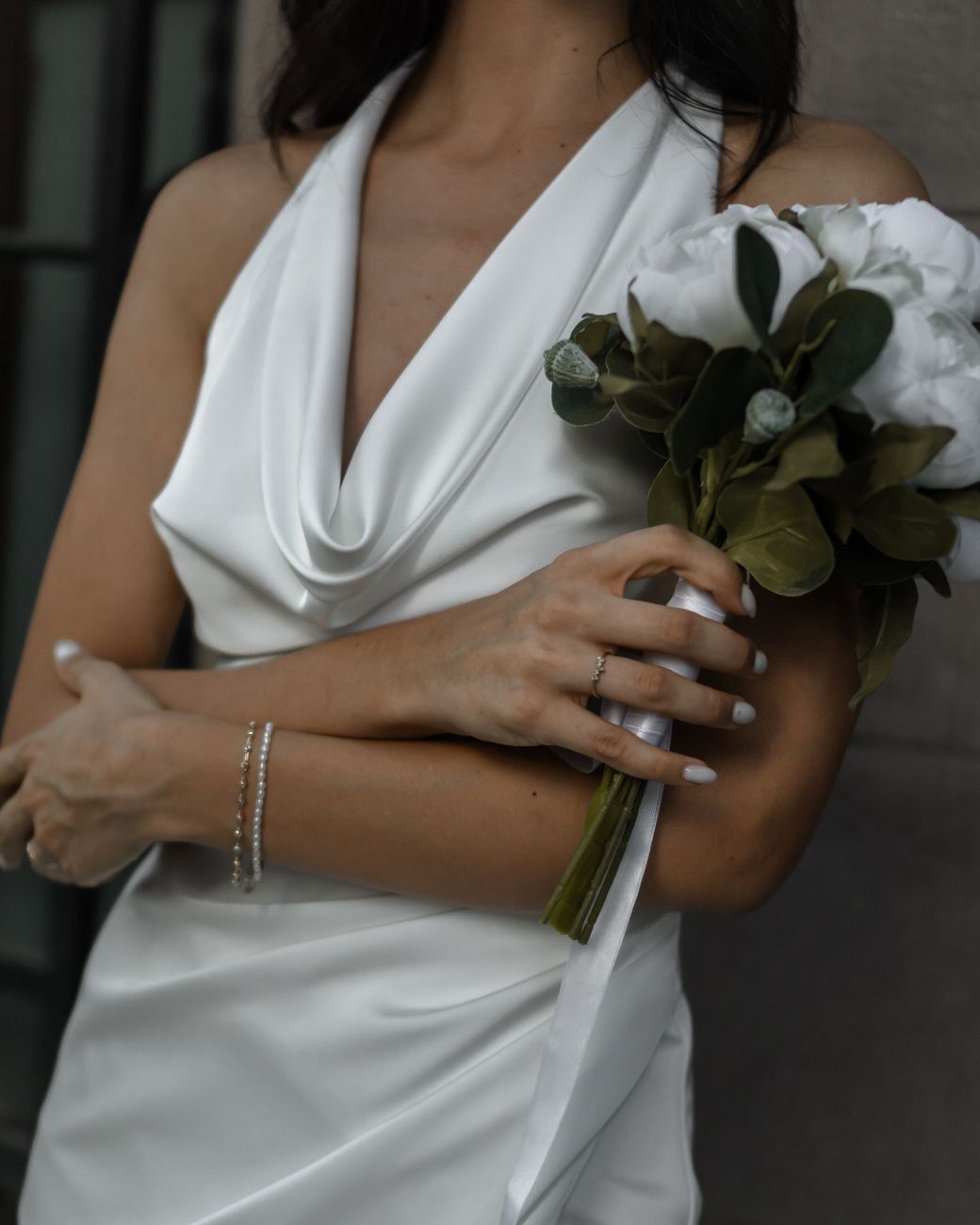
Wedding trends are hard to resist. One year it is champagne towers and bows, the next it is fruit-covered tables, maximalist florals, vintage cakes, chrome accents or a particular shade of green suddenly appearing at every stylish wedding.
There is nothing wrong with embracing a trend you genuinely love. Weddings should feel current, joyful and personal. The problem comes when every element of the day is built around whatever happens to be dominating Pinterest, Instagram and TikTok at the time.
What feels impossibly chic today can look very specific to a moment when you open your wedding album five, ten or twenty years from now. The most memorable weddings tend to have something else in common. They feel like the people getting married.
They might be romantic, glamorous, colourful, minimalist or completely relaxed, but there is a thread connecting everything from the invitations and flowers to the venue, clothing, food and tables.
If you are trying to define your wedding style, the goal is not to discover the trendiest possible theme. It is to create a celebration that feels beautiful now, personal to you and still looks wonderful years later.
If you are at the very beginning of the process, start with our Guide to the Wedding Planning Timeline to work out when to tackle the major decisions before getting lost in the details.
Here is how to create a wedding style with staying power.
Start With a Feeling, Not a Theme
Before choosing colours, flowers, furniture or stationery, ask a much simpler question:
How do you want your wedding to feel?
Forget labels like “modern romantic” or “European garden” for a moment.
Perhaps you want the day to feel intimate and candlelit. Maybe you imagine a long, lazy summer lunch with chilled wine and music playing in the background. You might want something elegant and formal, joyful and colourful, relaxed and Mediterranean, or glamorous enough to justify black tie.
A feeling is usually far more useful than a theme because it gives you direction without locking every decision into one visual idea.
For example, if your goal is an elegant dinner party with everyone we love, that immediately suggests beautiful food, generous tables, good wine, flattering lighting and conversation.
You do not need to add decorations simply because weddings are apparently supposed to have them.
Likewise, if your vision is closer to a relaxed European summer lunch, you may naturally gravitate towards linen, seasonal food, bowls of fruit, simple flowers, wine on ice and long communal tables.
Couples drawn to daytime celebrations may also find inspiration in our guide to planning a lunchtime wedding, particularly if your idea of a perfect wedding involves gardens, long lunches and a more relaxed pace.
Choose Three Words to Describe Your Wedding
Once you have an idea of how you want the day to feel, choose three words that describe it.
They might be:
Romantic. Warm. Intimate.
Or:
Modern. Elegant. Playful.
Or:
Relaxed. Mediterranean. Colourful.
Or:
Classic. Candlelit. Glamorous.
Keep those words somewhere visible during the planning process.
Every time you are tempted by a new idea, ask whether it belongs with those three words. If you have chosen relaxed, Mediterranean and colourful, for example, a giant mirrored seating chart covered in crystals might suddenly feel less necessary.
This simple exercise can stop a wedding from becoming a collection of individually beautiful ideas that do not actually work together.
Let the Venue Lead the Style
One of the easiest ways to create a timeless wedding is to work with your venue rather than trying to transform it into something it was never meant to be.
A historic estate already brings architecture, gardens and character.
A beautiful restaurant might need little more than flowers, candles and personalised menus.
A vineyard naturally lends itself to outdoor drinks and long tables.
A contemporary city venue can look incredible with restrained styling, sculptural flowers and great lighting.
A coastal location already has the ocean doing much of the visual work for you.
Look closely at the venue before creating your mood board.
Pay attention to its architecture, flooring, wall colours, furniture, garden, natural light, ceiling height and surrounding landscape.
The stronger the venue, the less you often need to add.
This is particularly important with outdoor weddings. A garden already contains texture, colour and movement, so styling can enhance rather than compete with it. Our guide to planning a garden wedding covers everything from seasonal flowers and weather contingencies to lighting and guest comfort.
Avoid Fighting the Location
Trying to turn an industrial warehouse into a French château or covering a beautiful heritage dining room with temporary backdrops can quickly make a wedding feel over-styled.
Instead, allow the location to become part of the theme. For a destination wedding, this becomes even more important.
If you are getting married in Italy, France, Greece or another beautiful location, you rarely need to plaster that destination across every detail.
A Lake Como wedding does not need lemons on the stationery, lemons on the cake, lemon place cards and ceramic lemons covering the tables. The lake, villas, gardens, food and Italian setting already tell the story.
For destination inspiration, our complete guide to planning a Lake Como wedding explores how the venue, season, accommodation and surrounding landscape can become part of the celebration.
Build a Colour Palette, Not a Colour Theme
Colour is one of the quickest ways to establish a wedding aesthetic, but it is also an area where trends can become particularly obvious.
A timeless wedding does not have to mean white, cream and beige.
Colourful weddings can age beautifully.
The key is to create a palette rather than choosing one fashionable colour and repeating it everywhere.
Start with two or three core shades and then introduce supporting tones.
For a classic romantic wedding, you might use ivory, blush, burgundy and natural green.
A Mediterranean-inspired wedding could combine warm white, olive, terracotta, butter yellow and muted blue.
For a contemporary city celebration, consider black, white, chocolate, taupe and green.
A garden wedding might combine cream, soft pink, lavender, blue and layers of foliage.
An autumn wedding could feature tobacco, chocolate, rust, burgundy, ochre and ivory.
A coastal celebration might use chalky white, pale blue, sand, soft yellow and natural green.
The colours do not have to match perfectly. In fact, a slightly tonal palette often looks more sophisticated than making every napkin, flower, bridesmaid dress and candle exactly the same colour.
Ask Yourself Whether You Actually Love the Trend
There is nothing wrong with wedding trends.
They help celebrations feel current and can introduce fun ideas you might never have considered otherwise.
The important question is whether you genuinely love something or simply keep seeing it.
Before committing to a major trend, ask:
Would I still choose this if I had never seen it on Instagram?
If the answer is yes, use it.
If you love bows, put bows on the menus.
If you adore chrome, introduce silver candleholders or metal details.
If you want a vintage heart-shaped cake, order one.
If a champagne tower sounds like the best possible way to start your reception, have one.
The mistake is not following a trend. It is allowing one trend to become the entire identity of the wedding.
Use Trends Like Accessories
A good approach is to think of wedding trends like fashion accessories. The foundation stays classic. The details can change. You might have elegant white linen tables but add colourful glassware. Choose timeless stationery but introduce a contemporary typeface. Keep the florals loose and seasonal but use an unexpected colour. Serve a classic menu but introduce one playful cocktail. Wear a beautifully simple gown and change into something more fashion-forward for dancing.
These moments make a wedding feel current without dating the entire celebration.
Choose Flowers That Belong to the Season
Flowers create much of the atmosphere at a wedding, but they tend to look most beautiful when they feel connected to the season.
Instead of asking a florist to copy an exact arrangement found online, show them the overall mood and colour palette and ask what will be beautiful at the time of your wedding.
Spring might bring blossom, sweet peas, tulips and ranunculus.
Summer opens up roses, hydrangeas, cosmos and looser garden flowers.
Autumn suits dahlias, berries, deeper colours and textured foliage.
Winter can be spectacular with roses, orchids, branches, foliage and sculptural arrangements.
Seasonal flowers help anchor a celebration in its particular time and place.
You also do not necessarily need enormous floral installations.
A few excellent arrangements often create more impact than filling every available surface with flowers.
Think Beyond Traditional Florals
Some of the most beautiful wedding tables combine flowers with other elements rather than asking arrangements to do all the work.
Consider using a mixture of:
A reception table should ultimately still feel like somewhere people want to sit, eat, drink and talk.
That is why looking beyond wedding-specific inspiration can be useful. Interiors and entertaining can provide just as many ideas. For example, the No.22 Home x Peppa Hart collection on ele HOME is a lovely example of combining statement plates, glassware and table linens in a way that feels expressive without becoming overly formal.
Choose Table Settings You Would Actually Use at Home
One of our favourite tests for wedding styling is to imagine the reception table at an incredible dinner party.
Would you still choose those plates?
Would you still love the glasses?
Would you arrange the flowers that way?
Would the napkins look beautiful at home?
If the answer is yes, the design probably has longevity.
White crockery is always elegant, but patterned china, coloured glassware and handmade ceramics can be just as timeless when they reflect your taste.
Natural linen is particularly versatile because it can look sophisticated without feeling overly formal.
You are trying to build a beautiful table, not a display table at a bridal expo.
Candlelight Is Almost Always a Good Idea
Few styling elements create atmosphere as reliably as candlelight.
Candles soften large rooms, make dinner tables glow and transform outdoor spaces once the sun disappears.
Combine tall taper candles with low votives or tea lights so the lighting has different heights.
Use them along dining tables, on mantels, beside floral arrangements and around entrances where safe and permitted.
Warm lighting usually does more for the atmosphere than another decorative installation.
Just check your venue’s rules around open flames well before the wedding.
Do Not Forget About Lighting
Lighting has an enormous impact on how a wedding looks and feels, yet it is often treated as an afterthought.
A beautifully styled room under harsh overhead lights can instantly lose its magic.
Where possible, think about:
If your reception takes place at night, try to visit the venue after dark.
A room that looks perfect at midday can feel completely different at 9pm.
Keep Wedding Signage Under Control
Wedding signage is an area where styling can quickly become tied to a particular era.
Welcome signs, seating charts, bar menus, directional signs, ceremony signs, guestbook instructions, personalised slogans and neon phrases can end up covering a venue.
Most guests need far less instruction than we imagine.
Choose one or two fonts and use them consistently across invitations, menus, place cards and any necessary signs.
Heavy card, beautiful paper, fabric and traditional printing techniques tend to have more longevity than highly novelty-driven formats.
Good typography can be decoration in itself.
And remember that not everything requires a sign.
Let the Invitations Introduce the Wedding
Your wedding invitation is often the first real indication guests receive of what the celebration will be like.
It does not have to reproduce the entire wedding aesthetic, but it should feel connected.
For a formal celebration, elegant typography, beautiful card and restrained colours may be enough.
For a destination wedding, an illustration or subtle reference to the location can add personality.
For a garden wedding, botanical details might feel natural.
For a contemporary city celebration, pared-back typography and strong paper stock can make more impact than elaborate decoration.
The invitation should feel like the first chapter of the wedding rather than a completely separate creative project.
Avoid Over-Theming
There is a difference between having a consistent wedding style and having a theme.
Literal themes can become overwhelming quickly.
A seaside wedding does not require seashells on every table.
An Italian wedding does not need every surface covered with lemons.
A garden wedding does not need butterflies attached to every object.
A vineyard wedding does not require miniature wine barrels as decoration.
Choose one or two subtle references and stop there.
Often the most elegant weddings trust guests to understand where they are without constantly reminding them.
Think About Your Existing Personal Style
Before spending hours searching wedding inspiration, look at your own life.
Look at your wardrobe.
Look around your home.
Think about your favourite restaurants.
Consider the hotels you save when planning trips.
Look at the art, architecture and interiors you are drawn to.
Your everyday taste often tells you far more about the wedding you will still love in ten years than a wedding mood board does.
If your home is full of timber, linen, ceramics and warm neutrals, a relaxed natural wedding might genuinely suit you.
If your wardrobe is mostly black and you love contemporary restaurants and minimalist hotels, a pastel rustic wedding may never feel quite right.
If you constantly save grand European hotels, antique furniture, chandeliers and old gardens, perhaps classic romance really is your style.
Instead of inventing a wedding personality, start with the one you already have.
The Wedding Dress Should Feel Like You
A wedding dress does not have to match your venue perfectly.
If you love dramatic gowns, you can still wear one by the sea.
If you love sleek minimalism, you do not have to choose lace because you are getting married in an old country house.
Rather than thinking only about trends, think about how you want to feel.
Do you want softness and movement?
Structure?
Romance?
Drama?
Simplicity?
Do you want to dance comfortably?
Do you love sleeves?
Do you always feel best in a defined waist?
The bridal looks that tend to age best are often elevated versions of someone’s real style.
The same principle applies to shoes. If you are trying to choose something elegant that you might actually wear again after the wedding, ele STYLED’s guide to 10 timeless shoes every elegant woman owns includes classic slingbacks, pumps and minimalist sandals that work particularly well for weddings.
Dress Codes Help Shape the Entire Celebration
Guest clothing becomes part of the wedding aesthetic too.
You do not need to dictate colours or turn guests into extras in a photoshoot, but a clear dress code helps everyone understand the atmosphere.
Black tie immediately creates a more formal visual mood.
Cocktail offers polish while still allowing flexibility.
Garden party works beautifully for daytime celebrations.
Resort or destination formal can help guests navigate hot-weather weddings.
Whatever you choose, make the wording clear.
Guests should feel helped by a dress code, not stressed by it.
Consider the Chairs
Chairs take up an enormous amount of visual space at a ceremony and reception.
If your venue already has beautiful chairs, use them.
If it does not, hiring a simple chair you genuinely like can sometimes have a greater visual effect than adding another floral installation.
Timber, bentwood and simple upholstered chairs tend to age well because they are furniture styles rather than purely wedding trends.
Most importantly, make sure guests can sit comfortably for several hours.
Eight Wedding Styles That Have Staying Power
1. Modern Classic
Think clean lines, beautifully cut clothing, white or tonal flowers, elegant stationery and restrained styling.
Black, white, green, ivory and touches of metallics work particularly well.
This style suits hotels, restaurants, galleries and architectural venues.
2. European Garden
Long lunches, abundant greenery, seasonal flowers, linen, candles and an atmosphere that feels elegant without becoming formal.
It works particularly well because it is based on entertaining rather than decorating.
3. Romantic Estate
Historic architecture, gardens, chandeliers, roses, traditional stationery and soft lighting.
The secret is letting the venue provide much of the romance rather than layering on too many decorative details.
4. Contemporary Minimalist
Sculptural flowers, beautiful materials, restrained typography and a limited colour palette.
Minimalist weddings need excellent execution because every detail becomes more noticeable.
5. Relaxed Coastal
Natural linen, simple flowers, soft colours, relaxed tailoring and an emphasis on the landscape.
Avoid overly nautical styling and let the ocean be the coastal element.
6. Black-Tie Glamour
Tuxedos, evening gowns, champagne, candlelight, live music and an elegant dinner.
There is a reason black-tie weddings have remained stylish for generations.
7. Country Garden
Seasonal flowers, outdoor ceremonies, good food and relaxed dining surrounded by nature.
Avoid leaning too heavily into rustic props and let the landscape create the country atmosphere.
8. Colourful Celebration
Timeless does not mean colourless.
Pink, red, orange, green, blue and yellow can all look fantastic when the palette is intentional.
Colour becomes timeless when it feels personal rather than prescribed by a trend.
Five Signs Your Wedding Theme Might Date Quickly
Everything Comes From the Same Trend
If the cake, flowers, invitations, table settings, bridesmaids, signs and ceremony styling all revolve around a single viral idea, consider pulling back.
One trend can be fun.
Ten versions of it can define the entire wedding.
You Would Never Choose It Outside a Wedding
If your home and wardrobe are minimal but your wedding suddenly involves shabby-chic signs, mason jars and rustic props because that is what wedding inspiration suggested, something may be off.
You Are Hiding the Venue
Beautiful architecture should not disappear behind backdrops, installations and signage.
If you are paying for a wonderful location, let guests see it.
You Need to Explain the Theme
Strong styling usually communicates itself.
Guests do not need every decorative choice spelled out.
You Are Choosing Things Because Weddings Are Supposed to Have Them
You do not need a guestbook.
You do not need wedding favours.
You do not need matching robes.
You do not need a seating chart installation.
You do not need bridesmaids.
You do not need a cake.
You only need the traditions and details that matter to you.
Build an Inspiration Board, Then Take Things Away
Start by collecting inspiration freely.
Save photographs of flowers, dresses, restaurants, gardens, art, interiors, table settings, hotels and even film scenes.
Do not limit yourself to weddings.
Then leave the board alone for a few days.
When you return, look for patterns.
Perhaps almost everything you saved includes candlelight, deep red flowers and dark timber.
Maybe you keep choosing white linen, green gardens and handmade ceramics.
Perhaps every image is colourful, joyful and slightly imperfect.
Those repeated elements are probably much closer to your real style than whichever wedding trend first caught your attention.
Then edit.
A useful mood board should become smaller as your plans become clearer.
Spend Money Where Guests Will Feel It
Wedding styling matters, but the most beautiful decorative details cannot compensate for an uncomfortable experience.
Before committing significant budget to decor, make sure you have covered the things guests will genuinely notice.
Good food.
Enough drinks.
Comfortable temperatures.
Great music.
Good lighting.
Somewhere comfortable to sit.
A sensible timeline.
Easy transport.
Enough bathrooms.
Shade at a summer wedding.
Warmth at a winter wedding.
If you want a practical check before the big day, our guide to the things you really need on your wedding day is a useful reminder of the functional details that can get lost among flowers, menus and styling decisions.
Do Not Forget What Comes After the Wedding
The wedding itself deserves plenty of attention, but planning something wonderful afterwards gives you something to look forward to once the months of organising are over.
Your honeymoon can reflect your style just as much as the wedding does.
Some couples want beaches and complete relaxation. Others want restaurants, art, skiing, road trips or cities.
If you are looking for inspiration, explore our guide to the perfect winter honeymoon destinations, which covers everything from snowy European escapes to warm-weather destinations.
What Will You Care About in Five Years?
Imagine opening your wedding album five years from now.
You probably will not remember whether your napkins were the season’s most fashionable shade.
You will notice the people.
The expressions.
The room glowing at dinner.
Your favourite flowers.
The dress or suit that made you feel incredible.
Your parents on the dance floor.
Your friends laughing over dinner.
The look on your partner’s face during the ceremony.
The people who are no longer with you.
The people who travelled across the world to be there.
Style matters because it creates the setting around those memories.
It should never become more important than the memories themselves.
Frequently Asked Questions
Does a wedding need a theme?
No. A wedding can feel beautifully cohesive without having a defined theme. A consistent mood, venue and colour palette are often enough to bring everything together.
How do I choose my wedding style?
Start with how you want the wedding to feel rather than how you want it to look. Choose three descriptive words, consider your venue and then look at your existing taste in fashion, interiors, travel and entertaining.
How many colours should be in a wedding palette?
Around three to five complementary tones usually provide plenty of variety. Try using one or two dominant colours with neutrals and supporting shades rather than matching every detail perfectly.
What wedding colours are timeless?
Ivory, cream, black, green, blush, burgundy, navy and soft blue all have longevity, but almost any colour can feel timeless when used thoughtfully. The best palette is one you genuinely love.
Is an all-white wedding still stylish?
Yes. White and ivory remain elegant choices, but there is no need to avoid colour simply in pursuit of timelessness. Colourful weddings can look equally sophisticated.
How can I make a wedding look expensive?
Focus on quality and consistency rather than quantity. Beautiful lighting, good linens, considered tableware, strong typography, comfortable furniture and a few excellent floral arrangements often have greater impact than filling every space with decorations.
How can I stop my wedding looking dated?
Avoid building the entire celebration around one current trend. Use trends in smaller details and keep major elements such as the venue, tables, clothing and overall palette connected to your personal taste.
Should the bridesmaids match the wedding colour palette?
They can complement the palette without matching it exactly. Tonal or complementary shades often look more natural and give bridesmaids more flexibility.
Can you mix different wedding styles?
Yes, but it helps to have one dominant direction. A modern wedding can include romantic flowers, while a country wedding can use contemporary stationery. Your three style words can help you decide whether different ideas belong together.
How far ahead should you decide on your wedding style?
Establish the broad direction after choosing your venue and before booking major creative suppliers such as florists, stationers, stylists and furniture hire companies. You do not need to decide every detail at once.
Should you follow wedding trends?
Absolutely, if you genuinely love them. The goal is not to create a trend-free wedding. It is to avoid choosing something simply because everyone else is doing it.
The Final Rule: Make It Yours
There is no single formula for a timeless wedding.
A minimalist city celebration can be timeless.
So can a wildly colourful garden wedding.
A black-tie ballroom dinner can feel just as personal as a barefoot ceremony by the ocean.
What tends to age badly is imitation.
When every decision is copied from someone else’s wedding or pulled from the same trend cycle, the celebration can start to feel like a snapshot of a particular year.
Instead, use inspiration as the beginning of the process.
Choose a venue because you love being there.
Pick flowers you actually want to hold.
Serve food you genuinely enjoy eating.
Choose music that means something to you.
Wear something that makes you feel extraordinary.
Invite the people you want beside you. Then edit.
Remove the things you are including simply because weddings are apparently supposed to have them.
What remains will usually feel more beautiful, more personal and much more likely to stand the test of time.
Share this:
Like this: