If you live around Lake Stevens, you’ve probably seen plenty of teens and adults with braces or clear aligners. Orthodontic care is common in growing communities where families want practical, long-term health decisions, not just cosmetic upgrades. Your bite affects more than your smile, and choosing treatment can feel oddly technical at first. A little clarity helps you ask smarter questions, avoid expensive missteps, and understand what you’re signing up for.
Timing matters more than most people expect
You don’t need to wait until every adult tooth is in place before talking to a professional. In many cases, an early evaluation helps spot jaw growth issues, crowding, or erupting teeth that may need monitoring. That doesn’t always mean immediate treatment. Sometimes the smartest move is simply watching how things develop.
For teens, treatment often fits well during growth years because the jaw is still changing. Adults can absolutely get braces or aligners too, though treatment plans may differ based on bone support, previous dental work, and gum health.
If you’re trying to figure out whether now is the right time, visiting an orthodontist near Lake Stevens can help you get a realistic assessment based on your bite, age, and goals rather than social media guesswork. TikTok is entertaining. It is not a treatment plan.
Orthodontics is about function first, appearance second
A lot of people think orthodontic treatment is mainly about straight teeth and better selfies. Nice bonus, sure, but the real story starts with function. Your bite influences how you chew, speak, and even how evenly your teeth wear down over time.
Crowding can make brushing harder, which gives plaque more places to hide. Gaps may trap food in annoying ways. Overbites, underbites, and crossbites can put pressure on certain teeth and jaw joints. That can mean chipped enamel, gum irritation, or headaches for some people.
When you understand orthodontics as part of overall oral health, the decision feels less like a beauty trend and more like preventive maintenance. Think less “style upgrade,” more “alignment tune-up.” Teeth are not dramatic, but they do hold grudges when neglected.
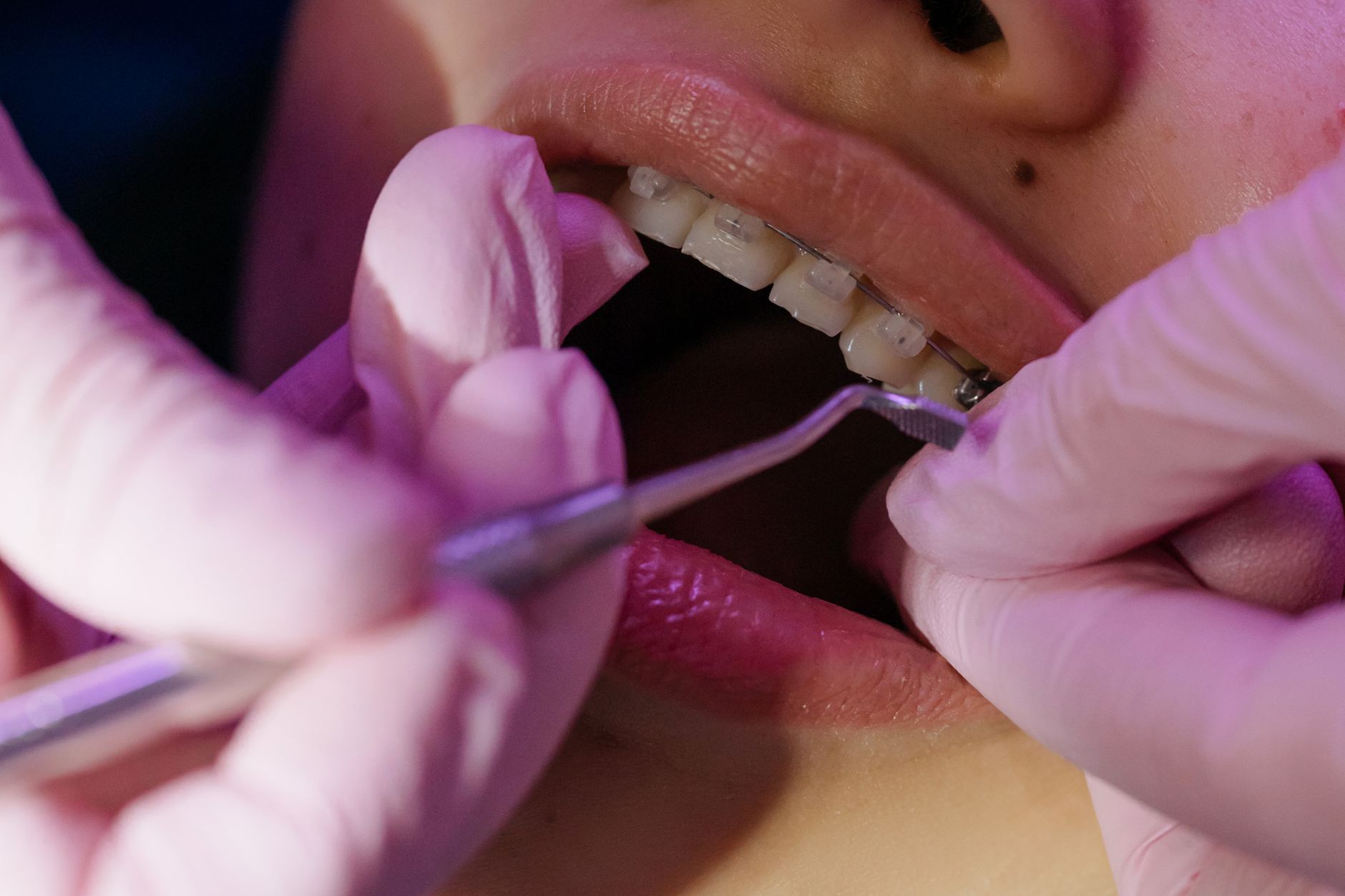
Photo by Roberto Júnior
Braces and clear aligners solve similar problems in different ways
Braces and aligners both move teeth, but they do it with different mechanics and day-to-day demands. Traditional braces stay attached to your teeth, which means they work around the clock. That can be useful for more complex movement, especially when rotation, vertical changes, or bite correction gets tricky.
Clear aligners appeal to people who want something less noticeable. You can remove them to eat and brush, which sounds convenient because it is. The catch is compliance. If you don’t wear them long enough each day, progress stalls. Your teeth do not care about your good intentions.
Lifestyle matters here. If you snack constantly, forget routines, or lose things easily, aligners may test your patience. If you play contact sports or a musical instrument, braces may come with an adjustment period. The best option usually depends on your case, habits, and willingness to follow directions consistently.
The consultation should answer more than “How long will it take?”
A solid orthodontic consultation goes beyond a quick glance and a rough estimate. You should expect photos, X-rays, and a discussion about how your bite works, not just how your teeth look from the front. Good treatment planning is part health science, part engineering, with fewer hard hats.
Ask about the specific issue being corrected. Is it crowding, spacing, jaw alignment, impacted teeth, or a mix of several factors? Ask what happens if you delay treatment. Ask how often visits are needed, whether tooth removal might come up, and what retention will look like afterward.
You’ll also want to know the tradeoffs. Some plans move faster but require stricter habits. Some are more discreet but less forgiving if you ignore instructions. If the explanation feels vague, keep asking. You’re not being difficult. You’re trying to understand a process that affects your mouth for years.
Cost involves more than the sticker price
Orthodontic treatment can be expensive, and the quoted number rarely tells the whole story by itself. You need to know what is included. Some fees cover records, appliances, routine adjustments, and retainers. Others may charge separately for replacement aligners, missed appointments, or broken brackets.
Insurance can reduce the cost, though benefits vary a lot. Some plans only cover dependents under a certain age. Flexible spending accounts and health savings accounts may help too, which is useful if you like your budgeting with fewer surprises.
Don’t just compare prices like you’re shopping for phone chargers. A lower fee may reflect a simpler case, fewer included services, or a different treatment approach. Ask for the timeline, payment structure, and what happens if treatment takes longer than expected. Orthodontics is a long game, and clarity at the start saves stress later.
Daily habits can make or break your results
Treatment doesn’t work on autopilot. Your routine matters more than you might expect. If you have braces, brushing carefully around brackets and wires is nonnegotiable. Flossing gets more tedious, yes, but swollen gums and decalcification are worse. White marks left on teeth after braces are the kind of souvenir nobody wants.
If you use aligners, wear time is everything. Taking them out for meals is fine. Leaving them out for half the afternoon because you forgot to put them back in is how timelines drift. Cleaning the trays and keeping them away from heat matters too, unless warped plastic is part of your aesthetic.
Retainers deserve special respect. Teeth can shift after treatment, sometimes faster than people expect. Wearing retainers as directed protects the time and money you already invested. Straight teeth are great. Keeping them straight is the real endgame.
The right choice feels informed, not rushed
Orthodontic treatment works best when you understand what problem is being treated, what daily effort is required, and what the long-term plan looks like. That applies whether you’re a parent researching for your teenager or an adult finally dealing with a bite issue you ignored for years.
You don’t need to know every technical term before booking a consultation. You do need enough context to ask smart questions and recognize a plan that fits your life. Comfort matters. Function matters. Cost matters. So does follow-through.
A straight smile gets the attention, but better bite mechanics, easier cleaning, and fewer future complications often matter more. When you look at orthodontics through that lens, the decision becomes a lot easier to make and a lot harder to dismiss as something purely cosmetic.


If you live around Lake Stevens, you’ve probably seen plenty of teens and adults with braces or clear aligners. Orthodontic care is common in growing communities where families want practical, long-term health decisions, not just cosmetic upgrades. Your bite affects more than your smile, and choosing treatment can feel oddly technical at first. A little clarity helps you ask smarter questions, avoid expensive missteps, and understand what you’re signing up for.
Timing matters more than most people expect
You don’t need to wait until every adult tooth is in place before talking to a professional. In many cases, an early evaluation helps spot jaw growth issues, crowding, or erupting teeth that may need monitoring. That doesn’t always mean immediate treatment. Sometimes the smartest move is simply watching how things develop.
For teens, treatment often fits well during growth years because the jaw is still changing. Adults can absolutely get braces or aligners too, though treatment plans may differ based on bone support, previous dental work, and gum health.
If you’re trying to figure out whether now is the right time, visiting an orthodontist near Lake Stevens can help you get a realistic assessment based on your bite, age, and goals rather than social media guesswork. TikTok is entertaining. It is not a treatment plan.
Orthodontics is about function first, appearance second
A lot of people think orthodontic treatment is mainly about straight teeth and better selfies. Nice bonus, sure, but the real story starts with function. Your bite influences how you chew, speak, and even how evenly your teeth wear down over time.
Crowding can make brushing harder, which gives plaque more places to hide. Gaps may trap food in annoying ways. Overbites, underbites, and crossbites can put pressure on certain teeth and jaw joints. That can mean chipped enamel, gum irritation, or headaches for some people.
When you understand orthodontics as part of overall oral health, the decision feels less like a beauty trend and more like preventive maintenance. Think less “style upgrade,” more “alignment tune-up.” Teeth are not dramatic, but they do hold grudges when neglected.
Braces and clear aligners solve similar problems in different ways
Braces and aligners both move teeth, but they do it with different mechanics and day-to-day demands. Traditional braces stay attached to your teeth, which means they work around the clock. That can be useful for more complex movement, especially when rotation, vertical changes, or bite correction gets tricky.
Clear aligners appeal to people who want something less noticeable. You can remove them to eat and brush, which sounds convenient because it is. The catch is compliance. If you don’t wear them long enough each day, progress stalls. Your teeth do not care about your good intentions.
Lifestyle matters here. If you snack constantly, forget routines, or lose things easily, aligners may test your patience. If you play contact sports or a musical instrument, braces may come with an adjustment period. The best option usually depends on your case, habits, and willingness to follow directions consistently.
The consultation should answer more than “How long will it take?”
A solid orthodontic consultation goes beyond a quick glance and a rough estimate. You should expect photos, X-rays, and a discussion about how your bite works, not just how your teeth look from the front. Good treatment planning is part health science, part engineering, with fewer hard hats.
Ask about the specific issue being corrected. Is it crowding, spacing, jaw alignment, impacted teeth, or a mix of several factors? Ask what happens if you delay treatment. Ask how often visits are needed, whether tooth removal might come up, and what retention will look like afterward.
You’ll also want to know the tradeoffs. Some plans move faster but require stricter habits. Some are more discreet but less forgiving if you ignore instructions. If the explanation feels vague, keep asking. You’re not being difficult. You’re trying to understand a process that affects your mouth for years.
Cost involves more than the sticker price
Orthodontic treatment can be expensive, and the quoted number rarely tells the whole story by itself. You need to know what is included. Some fees cover records, appliances, routine adjustments, and retainers. Others may charge separately for replacement aligners, missed appointments, or broken brackets.
Insurance can reduce the cost, though benefits vary a lot. Some plans only cover dependents under a certain age. Flexible spending accounts and health savings accounts may help too, which is useful if you like your budgeting with fewer surprises.
Don’t just compare prices like you’re shopping for phone chargers. A lower fee may reflect a simpler case, fewer included services, or a different treatment approach. Ask for the timeline, payment structure, and what happens if treatment takes longer than expected. Orthodontics is a long game, and clarity at the start saves stress later.
Daily habits can make or break your results
Treatment doesn’t work on autopilot. Your routine matters more than you might expect. If you have braces, brushing carefully around brackets and wires is nonnegotiable. Flossing gets more tedious, yes, but swollen gums and decalcification are worse. White marks left on teeth after braces are the kind of souvenir nobody wants.
If you use aligners, wear time is everything. Taking them out for meals is fine. Leaving them out for half the afternoon because you forgot to put them back in is how timelines drift. Cleaning the trays and keeping them away from heat matters too, unless warped plastic is part of your aesthetic.
Retainers deserve special respect. Teeth can shift after treatment, sometimes faster than people expect. Wearing retainers as directed protects the time and money you already invested. Straight teeth are great. Keeping them straight is the real endgame.
The right choice feels informed, not rushed
Orthodontic treatment works best when you understand what problem is being treated, what daily effort is required, and what the long-term plan looks like. That applies whether you’re a parent researching for your teenager or an adult finally dealing with a bite issue you ignored for years.
You don’t need to know every technical term before booking a consultation. You do need enough context to ask smart questions and recognize a plan that fits your life. Comfort matters. Function matters. Cost matters. So does follow-through.
A straight smile gets the attention, but better bite mechanics, easier cleaning, and fewer future complications often matter more. When you look at orthodontics through that lens, the decision becomes a lot easier to make and a lot harder to dismiss as something purely cosmetic.
Share this:
Like this: