A backyard deck can quietly change how you use your home. One season, it’s an empty patch of yard. The next, it’s where you eat outside, host friends, or escape your group chat for twenty minutes.
If you live in Plainfield, Illinois, local weather adds extra pressure to build smart. Hot summers, freezing winters, rain, snow, and shifting temperatures can punish weak materials fast, so planning well matters more than most homeowners expect.
Start With How You Actually Plan to Use the Space
Before you think about railings, stain colors, or trendy built-in seating, figure out how you’ll use the deck in real life. That sounds obvious, yet plenty of people design for a fantasy version of themselves.
Ask a few practical questions:
– Will you eat meals outside regularly?
– Do you want room for a grill and prep area?
– Are you hosting big gatherings or keeping it quiet?
– Do kids or older relatives need easy access?
– Will you want shade, lighting, or privacy screens?
A deck for two lounge chairs needs a very different layout than a deck built for summer cookouts. Traffic flow matters too. If everyone has to sidestep a table just to reach the yard, the design is already working against you. The best decks feel easy to use, not crowded or over-programmed.
Choosing the Right Builder Takes More Than Reading Star Ratings
Online reviews can help, but they shouldn’t do all the thinking for you. A deck is a structural project, not a food delivery order. You need someone who understands framing, drainage, flashing, code compliance, and material performance.
When talking to builders, ask specific questions. General answers often signal general problems. A deck company in Plainfield should be able to explain how it handles local permitting and seasonal ground movement without reaching for a brochure.
Look for clear information about:
– Experience with deck construction specifically
– Familiarity with local code requirements
– Material recommendations based on your yard and goals
– Estimated timeline and project stages
– Insurance and licensing
– How change orders are handled
Photos of past work matter, but process matters too. Did the contractor communicate well? Did they explain tradeoffs? Did they identify possible site issues before construction began? Those details usually tell you more than polished marketing shots.
Plainfield Weather Can Be Brutal on the Wrong Materials
Deck materials don’t all age the same, and Midwest weather has a way of exposing weak choices with zero patience. Plainfield gets heat, humidity, heavy rain, snow, and freeze-thaw cycles that can crack, warp, or loosen parts over time.
Wood remains popular because it looks classic and feels warm underfoot. Pressure-treated lumber is usually the budget-friendly option, but it needs regular maintenance. Cedar has natural resistance to insects and decay, though it still needs care. Composite decking costs more upfront, yet many homeowners like it because it resists rot and usually asks less of you later.
When comparing materials, pay attention to:
– Slip resistance when wet
– Heat retention in direct sun
– Long-term maintenance needs
– Fading, staining, and scratching
– Lifespan in variable climates
A good-looking board in a showroom means very little if it turns into a maintenance hobby by year three.
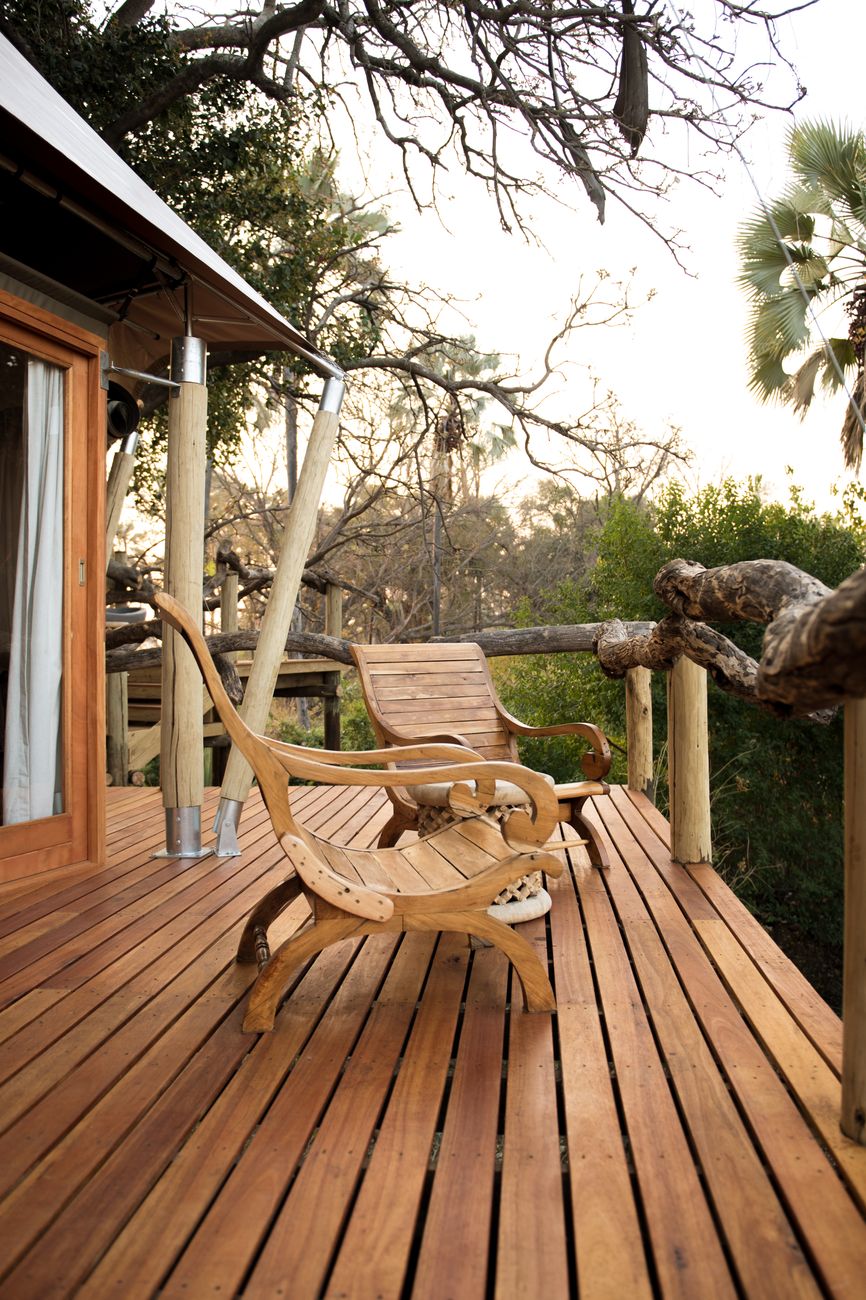
Photo by Max Vakhtbovych
Design Details Can Make or Break Everyday Comfort
A deck isn’t just a platform attached to your house. The small design choices shape whether it feels inviting or awkward. Stairs that are too steep, rails that block the view, and layouts with no shade can all make the space less enjoyable.
Think beyond square footage. Built-in benches can save space, but movable furniture gives you flexibility. Wide steps can double as casual seating. Railings affect both safety and style, and lighting becomes essential if you’ll use the deck after dark.
Useful features often include:
– Stair placement that supports natural movement
– Post caps or low-voltage lighting
– Skirting for a cleaner finished look
– Pergolas or umbrellas for sun control
– Hidden fasteners for a smoother surface
Building Codes and Permits Are Not Optional Background Noise
Permits tend to get treated like boring paperwork until a project hits a delay, fails inspection, or creates problems during resale. Decks often require permits because they affect structural safety, setbacks, and attachment to the home.
Local codes may govern:
– Footing depth
– Guardrail height
– Stair dimensions
– Ledger board attachment
– Load requirements
– Distance from property lines
In a place like Plainfield, frost depth matters because footings need to handle winter ground movement. If they don’t, your deck may literally shift under pressure. Not ideal.
Budgeting Means Looking Past the Initial Price Tag
A deck quote can feel straightforward until the add-ons begin stacking up. Materials, labor, stairs, railings, lighting, demolition, permit fees, and site prep all influence the final number. A sloped yard or difficult access can raise labor costs quickly.
You should also think in terms of ownership cost, not just construction cost. A cheaper deck that needs frequent sealing, repair, or board replacement may cost more over time than a higher-priced low-maintenance option.
When reviewing estimates, check whether they include:
The lowest quote isn’t automatically the smartest one. Sometimes it’s just the one with the most missing pieces. If a price seems suspiciously light, there’s usually a reason hiding in plain sight.
Maintenance Will Decide How Good Your Deck Looks in Five Years
Even the best-built deck needs some level of care. The amount depends on the material, exposure to weather, and how much shade or moisture your yard gets. Leaves trapped in corners, standing water, and dirty gaps between boards can slowly create damage.
Composite decking cuts down on some chores, but “low maintenance” doesn’t mean “ignore it forever.” If something starts to feel soft, wobbly, or uneven, don’t wait. Small structural issues age badly.
A deck should become easier to enjoy over time, not another home project that stares at you every weekend. If you choose materials carefully, design with real life in mind, and work with people who know what they’re doing, your backyard can gain a space that feels useful in every season it can handle. In Plainfield, that’s saying quite a lot.


A backyard deck can quietly change how you use your home. One season, it’s an empty patch of yard. The next, it’s where you eat outside, host friends, or escape your group chat for twenty minutes.
If you live in Plainfield, Illinois, local weather adds extra pressure to build smart. Hot summers, freezing winters, rain, snow, and shifting temperatures can punish weak materials fast, so planning well matters more than most homeowners expect.
Start With How You Actually Plan to Use the Space
Before you think about railings, stain colors, or trendy built-in seating, figure out how you’ll use the deck in real life. That sounds obvious, yet plenty of people design for a fantasy version of themselves.
Ask a few practical questions:
– Will you eat meals outside regularly?
– Do you want room for a grill and prep area?
– Are you hosting big gatherings or keeping it quiet?
– Do kids or older relatives need easy access?
– Will you want shade, lighting, or privacy screens?
A deck for two lounge chairs needs a very different layout than a deck built for summer cookouts. Traffic flow matters too. If everyone has to sidestep a table just to reach the yard, the design is already working against you. The best decks feel easy to use, not crowded or over-programmed.
Choosing the Right Builder Takes More Than Reading Star Ratings
Online reviews can help, but they shouldn’t do all the thinking for you. A deck is a structural project, not a food delivery order. You need someone who understands framing, drainage, flashing, code compliance, and material performance.
When talking to builders, ask specific questions. General answers often signal general problems. A deck company in Plainfield should be able to explain how it handles local permitting and seasonal ground movement without reaching for a brochure.
Look for clear information about:
– Experience with deck construction specifically
– Familiarity with local code requirements
– Material recommendations based on your yard and goals
– Estimated timeline and project stages
– Insurance and licensing
– How change orders are handled
Photos of past work matter, but process matters too. Did the contractor communicate well? Did they explain tradeoffs? Did they identify possible site issues before construction began? Those details usually tell you more than polished marketing shots.
Plainfield Weather Can Be Brutal on the Wrong Materials
Deck materials don’t all age the same, and Midwest weather has a way of exposing weak choices with zero patience. Plainfield gets heat, humidity, heavy rain, snow, and freeze-thaw cycles that can crack, warp, or loosen parts over time.
Wood remains popular because it looks classic and feels warm underfoot. Pressure-treated lumber is usually the budget-friendly option, but it needs regular maintenance. Cedar has natural resistance to insects and decay, though it still needs care. Composite decking costs more upfront, yet many homeowners like it because it resists rot and usually asks less of you later.
When comparing materials, pay attention to:
– Slip resistance when wet
– Heat retention in direct sun
– Long-term maintenance needs
– Fading, staining, and scratching
– Lifespan in variable climates
A good-looking board in a showroom means very little if it turns into a maintenance hobby by year three.
Design Details Can Make or Break Everyday Comfort
A deck isn’t just a platform attached to your house. The small design choices shape whether it feels inviting or awkward. Stairs that are too steep, rails that block the view, and layouts with no shade can all make the space less enjoyable.
Think beyond square footage. Built-in benches can save space, but movable furniture gives you flexibility. Wide steps can double as casual seating. Railings affect both safety and style, and lighting becomes essential if you’ll use the deck after dark.
Useful features often include:
– Stair placement that supports natural movement
– Post caps or low-voltage lighting
– Skirting for a cleaner finished look
– Pergolas or umbrellas for sun control
– Hidden fasteners for a smoother surface
Building Codes and Permits Are Not Optional Background Noise
Permits tend to get treated like boring paperwork until a project hits a delay, fails inspection, or creates problems during resale. Decks often require permits because they affect structural safety, setbacks, and attachment to the home.
Local codes may govern:
– Footing depth
– Guardrail height
– Stair dimensions
– Ledger board attachment
– Load requirements
– Distance from property lines
In a place like Plainfield, frost depth matters because footings need to handle winter ground movement. If they don’t, your deck may literally shift under pressure. Not ideal.
Budgeting Means Looking Past the Initial Price Tag
A deck quote can feel straightforward until the add-ons begin stacking up. Materials, labor, stairs, railings, lighting, demolition, permit fees, and site prep all influence the final number. A sloped yard or difficult access can raise labor costs quickly.
You should also think in terms of ownership cost, not just construction cost. A cheaper deck that needs frequent sealing, repair, or board replacement may cost more over time than a higher-priced low-maintenance option.
When reviewing estimates, check whether they include:
– Removal of old structures
– Footings and framing details
– Railing systems
– Staining or finishing
– Cleanup and debris disposal
– Warranty terms
The lowest quote isn’t automatically the smartest one. Sometimes it’s just the one with the most missing pieces. If a price seems suspiciously light, there’s usually a reason hiding in plain sight.
Maintenance Will Decide How Good Your Deck Looks in Five Years
Even the best-built deck needs some level of care. The amount depends on the material, exposure to weather, and how much shade or moisture your yard gets. Leaves trapped in corners, standing water, and dirty gaps between boards can slowly create damage.
A simple maintenance routine usually includes:
– Sweeping debris regularly
– Washing the surface seasonally
– Checking for loose fasteners
– Inspecting rails and stairs
– Trimming plants that trap moisture
– Resealing wood as recommended
Composite decking cuts down on some chores, but “low maintenance” doesn’t mean “ignore it forever.” If something starts to feel soft, wobbly, or uneven, don’t wait. Small structural issues age badly.
A deck should become easier to enjoy over time, not another home project that stares at you every weekend. If you choose materials carefully, design with real life in mind, and work with people who know what they’re doing, your backyard can gain a space that feels useful in every season it can handle. In Plainfield, that’s saying quite a lot.
Share this:
Like this: