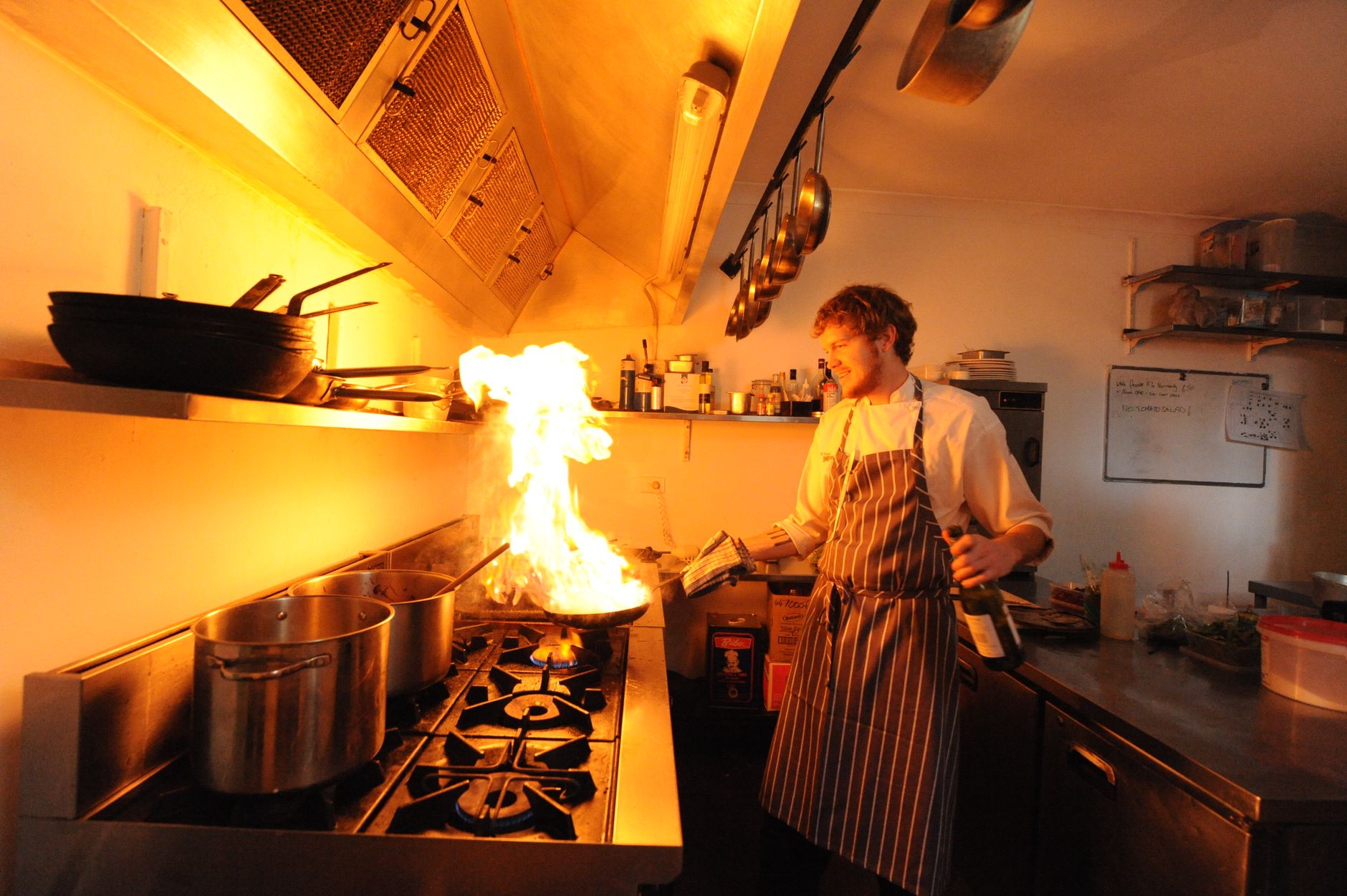
Fire has been used to cook food for thousands of years, but it has recently found a renewed place at the centre of modern restaurant cooking. Across contemporary kitchens, chefs are returning to flames, embers, smoke, and wood as ways of creating distinctive flavours and textures. Part of the appeal comes from the simplicity of the technique, while another comes from the theatre of seeing food cooked directly over fire.
Firing food offers chefs a way to work with ingredients differently, creating dishes that feel both elemental and sophisticated. Read on to discover why fire has become such an influential part of Brighton’s modern dining scene.
Bringing Out Natural Flavours
One of the most appealing aspects of cooking over fire is its ability to transform ingredients without requiring complicated preparation. Heat can caramelise the natural sugars in vegetables, create crisp edges on meat, and give fish a beautifully charred exterior while keeping the inside delicate. Smoke can introduce another layer of flavour, particularly when different types of wood are used to create subtly different aromas. These effects can make relatively simple ingredients feel much more distinctive, allowing the quality of the food itself to remain central to the dish.
The technique can also encourage chefs to take a more considered approach to seasoning and preparation. When an ingredient is exposed to intense heat, its texture and flavour can change dramatically, meaning that relatively few additional elements may be needed. Vegetables can become sweeter, meat can develop a deeply browned crust, and fruits can take on richer, more concentrated flavours. This allows fire to enhance rather than disguise an ingredient, creating food where the cooking process becomes an important part of the flavour itself. It is an approach that feels straightforward, but requires considerable skill to execute well.
Burnt Orange and Mediterranean Cooking
Fire has a particularly natural place within Mediterranean cooking, where grilling, roasting, and charring have long been used to bring out the flavour of simple ingredients. Burnt Orange in Brighton draws on this tradition through its wood-fired Mediterranean cooking built around quality seasonal ingredients, using intense heat to give food depth and a distinctive flavour profile. Its current dishes include flamed sea bream, grilled lamb chops, BBQ chicken thigh, smoked miso aubergine, and wood-fired flatbread, showing how extensively the restaurant incorporates fire into its cooking. Rather than being an occasional feature, it provides a clear thread running through the menu, giving Burnt Orange a distinctive culinary identity rooted in bold flavours and seasonal produce.
This wood-firing approach also suits the restaurant’s emphasis on food that is made to be enjoyed over the course of an afternoon or evening. Different dishes can showcase different effects of wood-fired cooking, from deeply caramelised vegetables to ingredients given just enough heat to develop a light char. It creates a menu with plenty of contrast while maintaining a clear culinary identity. In this sense, Burnt Orange demonstrates why the renewed interest in fire is about more than nostalgia for traditional cooking methods. Used thoughtfully, it can provide a distinctive foundation for contemporary food, bringing out natural flavours and creating the kind of depth that makes relatively simple ingredients feel memorable.
The Theatre of Cooking with Fire
There is also an undeniable visual appeal to fire in a restaurant kitchen. Flames rising beneath food, glowing embers, and the movement of chefs working around a grill can turn the cooking process into part of the dining experience. Unlike equipment hidden behind kitchen doors, an open fire can be deliberately placed where diners can see it, allowing them to watch dishes being prepared. This creates a stronger connection between the kitchen and the dining room and gives customers a sense of involvement in the process behind their meal.
This element of theatre can make a restaurant feel more distinctive, particularly at a time when diners increasingly value memorable experiences alongside good food. The atmosphere created by fire can be warm, dramatic, and slightly unpredictable, giving a dining room a character that is difficult to replicate with conventional cooking methods. Even before a dish reaches the table, the sight, smell, and sound of food being cooked over flames can contribute to the anticipation surrounding it. Fire therefore serves a practical purpose while also becoming part of the visual identity and atmosphere of contemporary dining.
Firebird and London’s Open-Fire Dining Scene
This renewed interest in fire-led cooking can also been seen in Embers in Brighton, which has made open-fire cooking central to its restaurant concept. The restaurant cooks its food over an open wood fire, using a large fire cage positioned in the middle of the dining room. This makes the cooking process highly visible, allowing diners to watch the flames and see the chefs working as their food is prepared. The approach gives the restaurant a distinctive atmosphere while also demonstrating how fire can be used as a serious culinary technique rather than simply an aesthetic feature.
The cooking itself highlights the versatility of working with live fire. Rather than restricting the technique to particular types of meat, Embers uses it across a range of ingredients, with the intense heat helping to create caramelisation, char, and smoky depth. Seasonal ingredients remain important to the restaurant’s approach, allowing the cooking method to enhance the natural qualities of different foods. The result demonstrates why open-fire cooking has become so appealing within contemporary restaurants: it combines an ancient method with modern culinary ideas, while giving diners the opportunity to experience the energy and craftsmanship of the kitchen at the same time.
Rediscovering an Ancient Cooking Method
The popularity of fire-led cooking is also interesting because it represents a return to one of the oldest methods of preparing food. Long before modern ovens, induction hobs, and sophisticated kitchen equipment, people relied on flames and embers to cook. Modern chefs have not simply returned to these methods unchanged, however. They have combined them with contemporary knowledge about temperature control, ingredients, fermentation, preservation, and presentation. The result is a cooking style that draws on something ancient while remaining firmly rooted in modern restaurant culture.
This balance between tradition and innovation may be one reason fire has such enduring appeal. It provides chefs with a technique that is immediately recognisable, yet offers almost limitless opportunities for experimentation. Different woods, temperatures, cooking times, and distances from the flame can all influence the final result. Ingredients can be grilled, smoked, roasted, charred, or cooked slowly over embers, each producing a different effect. In an industry where new culinary trends can appear and disappear quickly, fire has the advantage of being both timeless and adaptable. Its recent resurgence therefore feels less like a passing fashion and more like a renewed appreciation for one of cooking’s most fundamental techniques.


Fire has been used to cook food for thousands of years, but it has recently found a renewed place at the centre of modern restaurant cooking. Across contemporary kitchens, chefs are returning to flames, embers, smoke, and wood as ways of creating distinctive flavours and textures. Part of the appeal comes from the simplicity of the technique, while another comes from the theatre of seeing food cooked directly over fire.
Firing food offers chefs a way to work with ingredients differently, creating dishes that feel both elemental and sophisticated. Read on to discover why fire has become such an influential part of Brighton’s modern dining scene.
Bringing Out Natural Flavours
One of the most appealing aspects of cooking over fire is its ability to transform ingredients without requiring complicated preparation. Heat can caramelise the natural sugars in vegetables, create crisp edges on meat, and give fish a beautifully charred exterior while keeping the inside delicate. Smoke can introduce another layer of flavour, particularly when different types of wood are used to create subtly different aromas. These effects can make relatively simple ingredients feel much more distinctive, allowing the quality of the food itself to remain central to the dish.
The technique can also encourage chefs to take a more considered approach to seasoning and preparation. When an ingredient is exposed to intense heat, its texture and flavour can change dramatically, meaning that relatively few additional elements may be needed. Vegetables can become sweeter, meat can develop a deeply browned crust, and fruits can take on richer, more concentrated flavours. This allows fire to enhance rather than disguise an ingredient, creating food where the cooking process becomes an important part of the flavour itself. It is an approach that feels straightforward, but requires considerable skill to execute well.
Burnt Orange and Mediterranean Cooking
Fire has a particularly natural place within Mediterranean cooking, where grilling, roasting, and charring have long been used to bring out the flavour of simple ingredients. Burnt Orange in Brighton draws on this tradition through its wood-fired Mediterranean cooking built around quality seasonal ingredients, using intense heat to give food depth and a distinctive flavour profile. Its current dishes include flamed sea bream, grilled lamb chops, BBQ chicken thigh, smoked miso aubergine, and wood-fired flatbread, showing how extensively the restaurant incorporates fire into its cooking. Rather than being an occasional feature, it provides a clear thread running through the menu, giving Burnt Orange a distinctive culinary identity rooted in bold flavours and seasonal produce.
This wood-firing approach also suits the restaurant’s emphasis on food that is made to be enjoyed over the course of an afternoon or evening. Different dishes can showcase different effects of wood-fired cooking, from deeply caramelised vegetables to ingredients given just enough heat to develop a light char. It creates a menu with plenty of contrast while maintaining a clear culinary identity. In this sense, Burnt Orange demonstrates why the renewed interest in fire is about more than nostalgia for traditional cooking methods. Used thoughtfully, it can provide a distinctive foundation for contemporary food, bringing out natural flavours and creating the kind of depth that makes relatively simple ingredients feel memorable.
The Theatre of Cooking with Fire
There is also an undeniable visual appeal to fire in a restaurant kitchen. Flames rising beneath food, glowing embers, and the movement of chefs working around a grill can turn the cooking process into part of the dining experience. Unlike equipment hidden behind kitchen doors, an open fire can be deliberately placed where diners can see it, allowing them to watch dishes being prepared. This creates a stronger connection between the kitchen and the dining room and gives customers a sense of involvement in the process behind their meal.
This element of theatre can make a restaurant feel more distinctive, particularly at a time when diners increasingly value memorable experiences alongside good food. The atmosphere created by fire can be warm, dramatic, and slightly unpredictable, giving a dining room a character that is difficult to replicate with conventional cooking methods. Even before a dish reaches the table, the sight, smell, and sound of food being cooked over flames can contribute to the anticipation surrounding it. Fire therefore serves a practical purpose while also becoming part of the visual identity and atmosphere of contemporary dining.
Firebird and London’s Open-Fire Dining Scene
This renewed interest in fire-led cooking can also been seen in Embers in Brighton, which has made open-fire cooking central to its restaurant concept. The restaurant cooks its food over an open wood fire, using a large fire cage positioned in the middle of the dining room. This makes the cooking process highly visible, allowing diners to watch the flames and see the chefs working as their food is prepared. The approach gives the restaurant a distinctive atmosphere while also demonstrating how fire can be used as a serious culinary technique rather than simply an aesthetic feature.
The cooking itself highlights the versatility of working with live fire. Rather than restricting the technique to particular types of meat, Embers uses it across a range of ingredients, with the intense heat helping to create caramelisation, char, and smoky depth. Seasonal ingredients remain important to the restaurant’s approach, allowing the cooking method to enhance the natural qualities of different foods. The result demonstrates why open-fire cooking has become so appealing within contemporary restaurants: it combines an ancient method with modern culinary ideas, while giving diners the opportunity to experience the energy and craftsmanship of the kitchen at the same time.
Rediscovering an Ancient Cooking Method
The popularity of fire-led cooking is also interesting because it represents a return to one of the oldest methods of preparing food. Long before modern ovens, induction hobs, and sophisticated kitchen equipment, people relied on flames and embers to cook. Modern chefs have not simply returned to these methods unchanged, however. They have combined them with contemporary knowledge about temperature control, ingredients, fermentation, preservation, and presentation. The result is a cooking style that draws on something ancient while remaining firmly rooted in modern restaurant culture.
This balance between tradition and innovation may be one reason fire has such enduring appeal. It provides chefs with a technique that is immediately recognisable, yet offers almost limitless opportunities for experimentation. Different woods, temperatures, cooking times, and distances from the flame can all influence the final result. Ingredients can be grilled, smoked, roasted, charred, or cooked slowly over embers, each producing a different effect. In an industry where new culinary trends can appear and disappear quickly, fire has the advantage of being both timeless and adaptable. Its recent resurgence therefore feels less like a passing fashion and more like a renewed appreciation for one of cooking’s most fundamental techniques.
Share this:
Like this: