A move from Toronto to Denver, or Vancouver to Seattle, looks simple on a map. The language is the same and the stores look familiar. Then you open a recipe card from home and realize the measurements no longer behave.
Food is usually the first place a new country shows up. Moves like this have a quieter side too, and a planning guide for Canadians moving to the U.S. puts the tax and account steps in a sensible order. This piece starts in the kitchen and works its way out to the money.
What Changes First When a Canadian Kitchen Moves South?
Small things change first. Butter, milk and flour all come in slightly different shapes and sizes. Your favorite snacks may simply vanish from the shelves.
The good news is the electricity. Both countries run household power at 120 volts with the same plug shapes. Your stand mixer, kettle and slow cooker will work the day you plug them in.
The rest takes a few weeks of adjustment:
Milk comes in jugs and cartons, never the bags familiar in Ontario and Quebec.
Butter is usually sold as four 4-ounce sticks rather than one 454 gram block.
Ketchup chips, Coffee Crisp and proper butter tarts are hard to find.
Smarties in the U.S. are chalky tablet candies, not chocolate.
Which Pantry Staples Are Worth Packing?
A full pantry is rarely worth the truck space. Spices, oils and flour are cheap to rebuild and often stale after a long move. Pack the irreplaceable things instead.
Declare every food item at the border, even a sealed jar of jam. Packaged, labeled goods usually clear without fuss. Fresh fruit, vegetables and meat face far tighter rules and are easier to buy on arrival.
The household side of packing gets its own checklist in these things to consider when moving. For the kitchen, a short list goes a long way:
A bottle of good Canadian maple syrup for the first weekend breakfast.
Handwritten family recipe cards, scanned as a backup.
One favorite knife and a reliable thermometer.
A small stash of the snacks you will miss most.
How Different Is a Cup of Flour?
Canada uses a metric cup of 250 milliliters in many recipes. The U.S. customary cup holds about 236.6 milliliters. That gap is roughly 5 percent per cup.
For soup it barely matters. For baking it adds up fast. A cake that calls for 3 cups of flour can end up noticeably drier when you mix systems.
A digital kitchen scale solves most of this. Weigh flour and sugar in grams and the cup question disappears. Many American recipe sites now list weights too.
Oven temperatures cause less trouble. Many Canadian ovens already show Fahrenheit, so your old settings carry over. Older Canadian cookbooks printed in Celsius are the exception, so keep a conversion chart taped inside a cupboard door.
What Will Groceries Cost In Your First Year?
Grocery prices in the U.S. vary widely by city and by store. The national trend is easier to pin down. The USDA food price outlook forecasts food-at-home prices rising 2.3 percent in 2026, below the 2.6 percent yearly average from 2006 to 2025.
Restaurant meals are climbing faster. The same forecast puts food away from home up 3.5 percent in 2026. A new city tempts you to eat out while the kitchen is still in boxes, so budget for that.
Rebuilding a pantry from zero is the hidden cost. Spices, sauces, baking basics and cleaning supplies can easily run a few hundred dollars in the first month. Spread the restock over 4 to 6 weeks rather than one giant cart.
Exploring the food scene is part of settling in. If New York is your new home, start with the city’s best street food before committing to a regular grocery store.
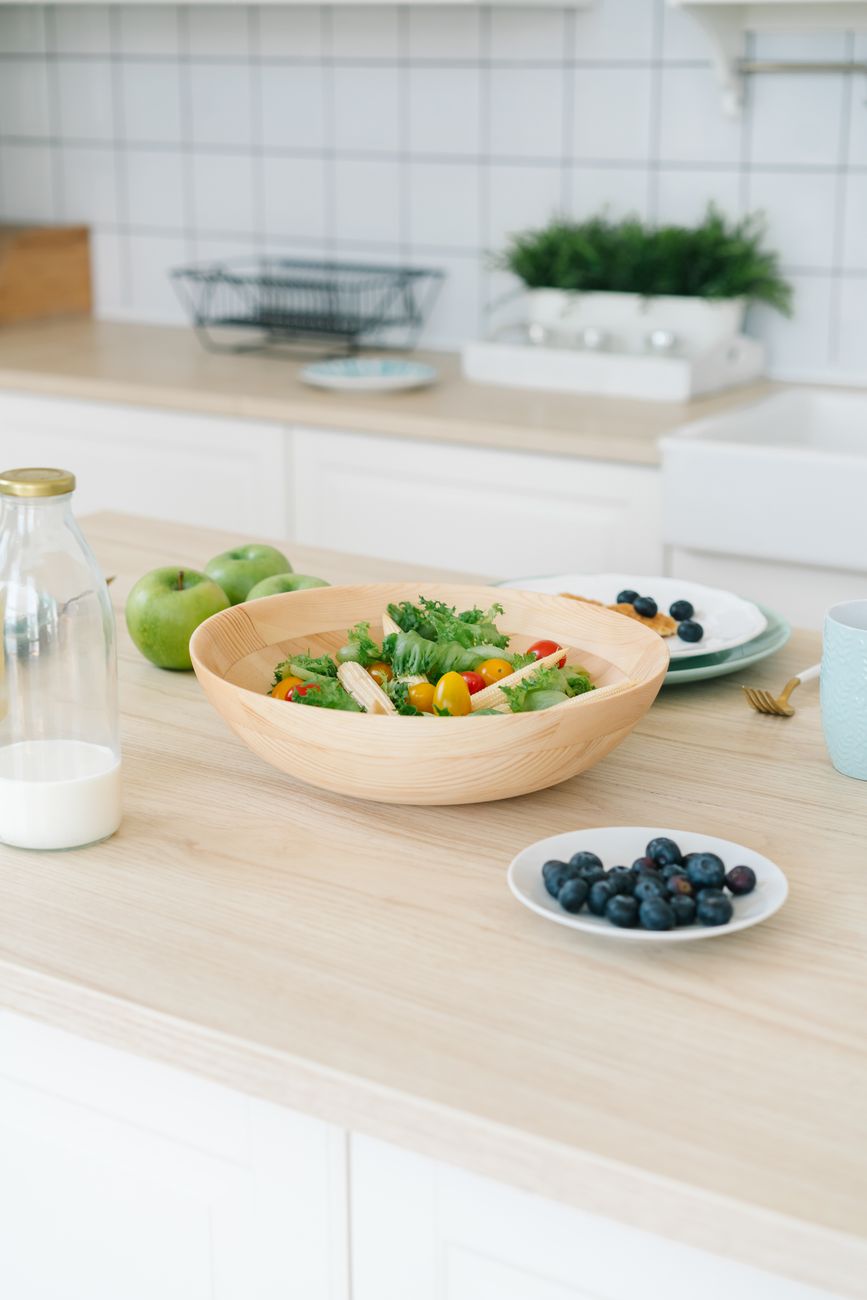
Photo by Mali Maeder
Where Does the Money Side Come In?
The kitchen settles within a month. The financial move takes longer and starts earlier. Most of it happens before the moving truck arrives.
Departure tax is a Canadian rule that treats a leaving resident as if they sold certain assets on the day they left. That deemed sale can create a tax bill on investments you never actually sold. Your final Canadian return reports it.
The U.S. side begins once you become a tax resident. That usually happens through a green card or by spending enough days in the country under a set formula. From then on, the IRS expects to hear about your worldwide income.
Your Canadian accounts do not travel neatly either. These are the questions to raise early:
Can your Canadian broker keep serving you once you live in the U.S.?
What will the IRS make of a TFSA, which is a Canadian shelter with no special status south of the border?
Should RRSP funds stay put, and how are they reported each year?
Which currency should hold your emergency fund?
A cross-border planner is the professional who can answer these in one conversation. Whoever you hire, check their credentials. The CFP Board lets you verify a CFP professional and see any public disciplinary history. Read everything here as kitchen-table background rather than tax or investment advice.
A Settling-In Plan for the First 90 Days
Week one is about function. Unpack the kitchen first, since a working stove makes every other box easier. Buy a scale and a basic spice set.
Month one is about routine. Find a grocery store, a farmers market and one dependable takeout spot. Open a local bank account and set up a U.S. phone number.
Month three is about review. Compare your actual food spending against your budget. Book a session to confirm your tax filings for both countries are lined up. Then cook something from home and invite the new neighbors.
FAQ
Can I Bring Food From Canada Into the U.S.?
Many packaged, labeled foods are allowed, but every item must be declared at the border. Fresh produce, meat and some dairy face tighter limits. When in doubt, declare it and let the officer decide.
Will My Canadian Kitchen Appliances Work In the U.S.?
Almost always, and without any extra hardware. Both countries use 120 volt household power with the same plug types. Leave the travel adapters in the drawer.
Do I Need to Convert My Canadian Recipes?
Only for precise baking. A metric cup holds 250 milliliters and a U.S. cup about 236.6, so weighing ingredients in grams is the simplest fix.
When Should I Start Planning the Financial Side of the Move?
Start several months before you leave. Canada’s departure rules apply on the day you stop being resident. Planning ahead gives you time to decide what to sell, keep or move.


A move from Toronto to Denver, or Vancouver to Seattle, looks simple on a map. The language is the same and the stores look familiar. Then you open a recipe card from home and realize the measurements no longer behave.
Food is usually the first place a new country shows up. Moves like this have a quieter side too, and a planning guide for Canadians moving to the U.S. puts the tax and account steps in a sensible order. This piece starts in the kitchen and works its way out to the money.
What Changes First When a Canadian Kitchen Moves South?
Small things change first. Butter, milk and flour all come in slightly different shapes and sizes. Your favorite snacks may simply vanish from the shelves.
The good news is the electricity. Both countries run household power at 120 volts with the same plug shapes. Your stand mixer, kettle and slow cooker will work the day you plug them in.
The rest takes a few weeks of adjustment:
Which Pantry Staples Are Worth Packing?
A full pantry is rarely worth the truck space. Spices, oils and flour are cheap to rebuild and often stale after a long move. Pack the irreplaceable things instead.
Declare every food item at the border, even a sealed jar of jam. Packaged, labeled goods usually clear without fuss. Fresh fruit, vegetables and meat face far tighter rules and are easier to buy on arrival.
The household side of packing gets its own checklist in these things to consider when moving. For the kitchen, a short list goes a long way:
How Different Is a Cup of Flour?
Canada uses a metric cup of 250 milliliters in many recipes. The U.S. customary cup holds about 236.6 milliliters. That gap is roughly 5 percent per cup.
For soup it barely matters. For baking it adds up fast. A cake that calls for 3 cups of flour can end up noticeably drier when you mix systems.
A digital kitchen scale solves most of this. Weigh flour and sugar in grams and the cup question disappears. Many American recipe sites now list weights too.
Oven temperatures cause less trouble. Many Canadian ovens already show Fahrenheit, so your old settings carry over. Older Canadian cookbooks printed in Celsius are the exception, so keep a conversion chart taped inside a cupboard door.
What Will Groceries Cost In Your First Year?
Grocery prices in the U.S. vary widely by city and by store. The national trend is easier to pin down. The USDA food price outlook forecasts food-at-home prices rising 2.3 percent in 2026, below the 2.6 percent yearly average from 2006 to 2025.
Restaurant meals are climbing faster. The same forecast puts food away from home up 3.5 percent in 2026. A new city tempts you to eat out while the kitchen is still in boxes, so budget for that.
Rebuilding a pantry from zero is the hidden cost. Spices, sauces, baking basics and cleaning supplies can easily run a few hundred dollars in the first month. Spread the restock over 4 to 6 weeks rather than one giant cart.
Exploring the food scene is part of settling in. If New York is your new home, start with the city’s best street food before committing to a regular grocery store.
Where Does the Money Side Come In?
The kitchen settles within a month. The financial move takes longer and starts earlier. Most of it happens before the moving truck arrives.
Departure tax is a Canadian rule that treats a leaving resident as if they sold certain assets on the day they left. That deemed sale can create a tax bill on investments you never actually sold. Your final Canadian return reports it.
The U.S. side begins once you become a tax resident. That usually happens through a green card or by spending enough days in the country under a set formula. From then on, the IRS expects to hear about your worldwide income.
Your Canadian accounts do not travel neatly either. These are the questions to raise early:
A cross-border planner is the professional who can answer these in one conversation. Whoever you hire, check their credentials. The CFP Board lets you verify a CFP professional and see any public disciplinary history. Read everything here as kitchen-table background rather than tax or investment advice.
A Settling-In Plan for the First 90 Days
Week one is about function. Unpack the kitchen first, since a working stove makes every other box easier. Buy a scale and a basic spice set.
Month one is about routine. Find a grocery store, a farmers market and one dependable takeout spot. Open a local bank account and set up a U.S. phone number.
Month three is about review. Compare your actual food spending against your budget. Book a session to confirm your tax filings for both countries are lined up. Then cook something from home and invite the new neighbors.
FAQ
Can I Bring Food From Canada Into the U.S.?
Many packaged, labeled foods are allowed, but every item must be declared at the border. Fresh produce, meat and some dairy face tighter limits. When in doubt, declare it and let the officer decide.
Will My Canadian Kitchen Appliances Work In the U.S.?
Almost always, and without any extra hardware. Both countries use 120 volt household power with the same plug types. Leave the travel adapters in the drawer.
Do I Need to Convert My Canadian Recipes?
Only for precise baking. A metric cup holds 250 milliliters and a U.S. cup about 236.6, so weighing ingredients in grams is the simplest fix.
When Should I Start Planning the Financial Side of the Move?
Start several months before you leave. Canada’s departure rules apply on the day you stop being resident. Planning ahead gives you time to decide what to sell, keep or move.
Share this:
Like this: