Travelling by water changes how a destination unfolds. Rivers, canals, and coastlines reveal places that are often missed when travelling only by road. A boat slips quietly through working towns, past fishing harbours, market quays, and historic bridges that have shaped local life for centuries.
Across Europe, Africa, and Asia, waterways still connect communities in practical ways. Barges move between vineyard regions in France, narrowboats wind through Welsh valleys, and traditional wooden boats carry travellers along Kerala’s backwaters. Even in places better known for land travel, like Egypt, the river remains the main thread linking ancient sites. Here are five exceptional ways to experience life on the water.
Slow Living on French Hotel Barges
France’s canal network stretches quietly through countryside that most visitors rarely see. The Canal de Bourgogne is a good example. Barges move between small towns such as Venarey-les-Laumes and Montbard, passing stone bridges, towpaths, and locks that date back to the 18th century. Walking along the canal in places like Pouilly-en-Auxois reveals how these waterways still connect vineyards, farms, and market towns.
Some of the amazing barge cruises in France follow routes through Burgundy or along the Canal du Nivernais. These journeys often stop close to historic centres, allowing guests to step ashore and walk directly into town.
In Auxerre, the barges moor close to Quai de la Marine, making it easy to wander through the narrow streets around Place Charles Surugue and the old timber-framed houses near the Yonne riverfront. In Clamecy, the canal cuts right through the middle of town, with bakeries, small squares, and the church of Saint-Martin just a few minutes from the water.
Barge travel becomes familiar after a day or two. Locks open slowly, cyclists ride past on the towpaths, and locals cross the small bridges on their way into town. It’s a side of rural France that rarely appears on typical itineraries.
Sailing the Sun-Drenched Greek Islands
Island travel in Greece makes the most sense by boat. Ferries connect the larger ports, but sailing between smaller islands offers access to places that rarely appear on standard routes. The Cyclades are particularly suited to this. Boats often leave from the harbour at Lavrio or Athens’ Alimos Marina before heading south toward Kea, Kythnos, and Serifos.
Approaching Serifos by sea gives a clear view of the hillside village of Chora rising above Livadi harbour. From the marina, a road winds upward to the main square, where locals gather in the evening.
Further east, Sifnos offers a different feel. Boats anchor near Kamares before travellers head inland toward Apollonia, walking past whitewashed houses and narrow lanes that connect small neighbourhoods.
Sailing itineraries usually continue toward Paros and Naxos. In Parikia, boats moor near the waterfront promenade, only a short walk from the Church of Panagia Ekatontapiliani and the market streets behind the harbour.
Naxos feels larger and more agricultural, with boats docking beneath the Portara, the massive marble gateway that stands at the harbour entrance. Travelling this way reveals how closely everyday island life remains tied to the sea.
Photo by Mike Demou
Navigating Scenic Narrowboat Routes in Wales
Wales has some of the most scenic canal routes in Britain, though they’re often overlooked compared to England’s canal network. The Llangollen Canal is the best-known route, stretching from the English border into the hills of Denbighshire.
Narrowboats move slowly through farmland before reaching the famous Pontcysyllte Aqueduct, where the canal crosses the River Dee valley on a cast-iron trough supported by tall stone pillars.
For fun narrowboat holidays in Wales, consider routes that start in Chirk or Trevor Basin. These launch points place boats within easy reach of the aqueduct while also offering access to quieter stretches of canal further west. From Trevor, the canal winds toward Llangollen itself, passing narrow wooded sections and small stone bridges before arriving near the town’s Wharf area.
Once moored, it’s a short walk into Llangollen’s centre. The streets around Castle Street and Market Street lead toward the River Dee bridge and the remains of Castell Dinas Brân on the hillside above town. Travellers sometimes spend the afternoon following the riverside path upstream before returning to the boat for the evening.
Exploring the Ancient Temples of the Nile
Egypt’s Nile remains the most direct route between many of the country’s historic sites. River journeys usually begin in Luxor, where the modern city sits on the east bank opposite a wide stretch of farmland.
Boats dock along the Corniche, placing travellers within walking distance of Luxor Temple and the long avenue of sphinxes that once connected it to Karnak Temple further north.
Sailing south from Luxor reveals the Nile as a working river. Farmers tend fields along the banks, and small ferries cross between villages. One of the first stops is often Esna, where the Temple of Khnum sits slightly below street level beside the river. Boats pass through Esna Lock before continuing toward Edfu.
At Edfu, horse-drawn carriages carry visitors from the quay through town to the Temple of Horus. The route passes small markets and residential streets before reaching the temple’s massive entrance pylons. Further south, Kom Ombo sits directly beside the river. Boats moor close enough that the temple can be reached on foot within minutes.
Photo by Diego F. Parra
Cruising the Serene Backwaters of Kerala
Kerala’s backwaters form a network of lagoons, canals, and lakes that stretch along India’s southwestern coast. Many journeys begin in Alappuzha, where houseboats depart from canals just behind the town’s main roads. From the water, daily life unfolds along narrow banks lined with coconut palms, small temples, and brightly painted homes.
Boats usually move south toward Kumarakom or north toward Kuttanad, a region where farmland sits below sea level. Along the way, travellers pass small ferry crossings and wooden jetties where schoolchildren wait for boats that connect their villages to the nearest town. Markets appear along the water’s edge, particularly near Vembanad Lake, where fishing boats return in the early morning.
Kumarakom sits along the eastern side of the lake and offers easy access to quiet canals that wind through villages such as Cheepunkal and Thanneermukkom. Boats move slowly past rice fields and narrow footpaths used by locals cycling between houses and small shops.
Ready to set sail?
Water-based travel has a way of revealing places from a different angle. Barges in Burgundy pass beneath centuries-old canal bridges, sailing boats reach quiet island harbours in the Cyclades, and narrowboats drift across Welsh valleys high above the River Dee. On the Nile, temples rise directly from the riverbank, while Kerala’s backwaters connect villages where boats remain the easiest form of transport.
These journeys rarely feel disconnected from local life. Markets sit beside the docks, historic streets begin only a few steps from the water, and daily routines unfold along the riverbanks. For travellers curious about how places truly function, travelling by water often provides the clearest view.


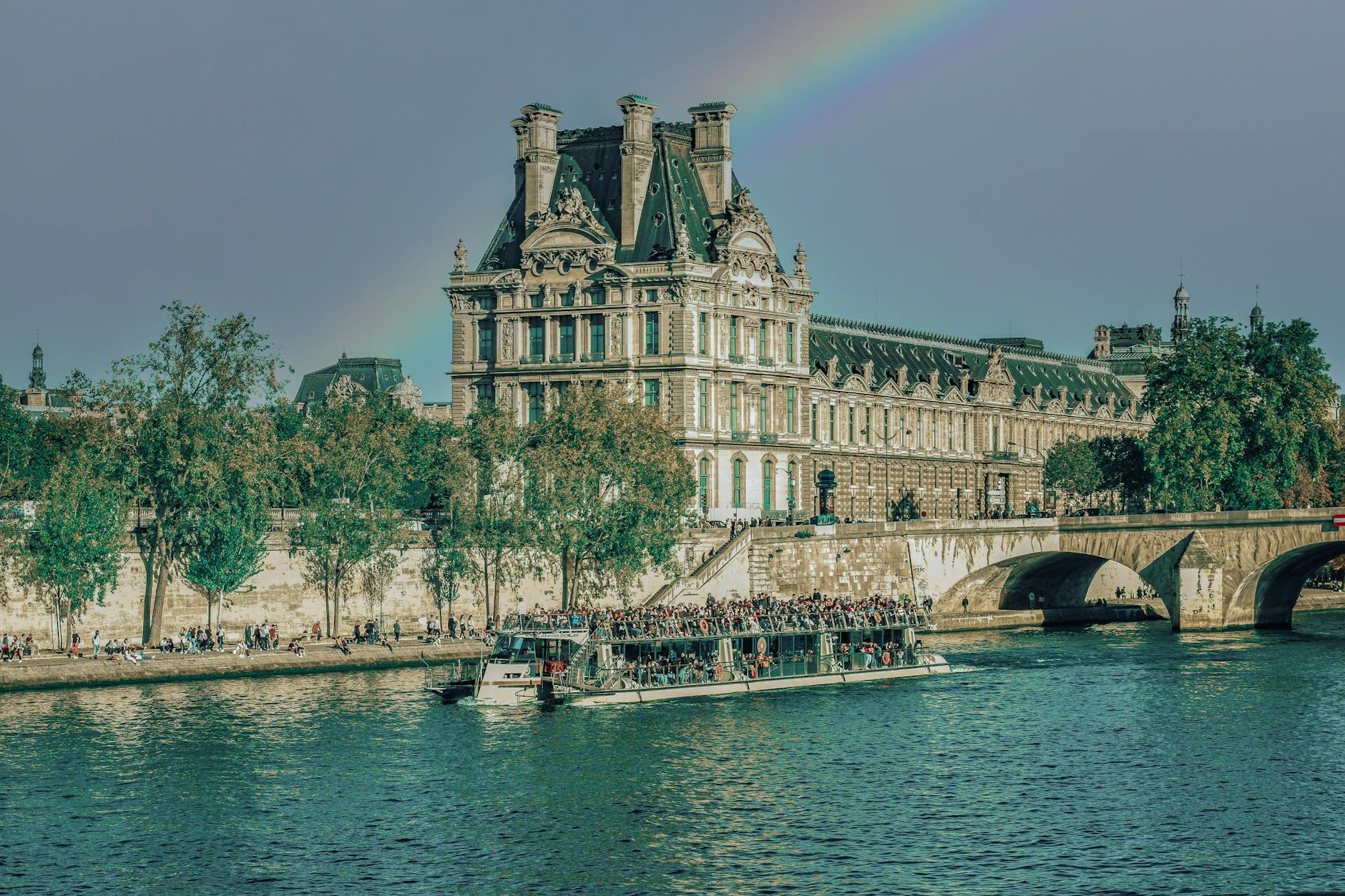
Travelling by water changes how a destination unfolds. Rivers, canals, and coastlines reveal places that are often missed when travelling only by road. A boat slips quietly through working towns, past fishing harbours, market quays, and historic bridges that have shaped local life for centuries.
Across Europe, Africa, and Asia, waterways still connect communities in practical ways. Barges move between vineyard regions in France, narrowboats wind through Welsh valleys, and traditional wooden boats carry travellers along Kerala’s backwaters. Even in places better known for land travel, like Egypt, the river remains the main thread linking ancient sites. Here are five exceptional ways to experience life on the water.
Slow Living on French Hotel Barges
France’s canal network stretches quietly through countryside that most visitors rarely see. The Canal de Bourgogne is a good example. Barges move between small towns such as Venarey-les-Laumes and Montbard, passing stone bridges, towpaths, and locks that date back to the 18th century. Walking along the canal in places like Pouilly-en-Auxois reveals how these waterways still connect vineyards, farms, and market towns.
Some of the amazing barge cruises in France follow routes through Burgundy or along the Canal du Nivernais. These journeys often stop close to historic centres, allowing guests to step ashore and walk directly into town.
In Auxerre, the barges moor close to Quai de la Marine, making it easy to wander through the narrow streets around Place Charles Surugue and the old timber-framed houses near the Yonne riverfront. In Clamecy, the canal cuts right through the middle of town, with bakeries, small squares, and the church of Saint-Martin just a few minutes from the water.
Barge travel becomes familiar after a day or two. Locks open slowly, cyclists ride past on the towpaths, and locals cross the small bridges on their way into town. It’s a side of rural France that rarely appears on typical itineraries.
Sailing the Sun-Drenched Greek Islands
Island travel in Greece makes the most sense by boat. Ferries connect the larger ports, but sailing between smaller islands offers access to places that rarely appear on standard routes. The Cyclades are particularly suited to this. Boats often leave from the harbour at Lavrio or Athens’ Alimos Marina before heading south toward Kea, Kythnos, and Serifos.
Approaching Serifos by sea gives a clear view of the hillside village of Chora rising above Livadi harbour. From the marina, a road winds upward to the main square, where locals gather in the evening.
Further east, Sifnos offers a different feel. Boats anchor near Kamares before travellers head inland toward Apollonia, walking past whitewashed houses and narrow lanes that connect small neighbourhoods.
Sailing itineraries usually continue toward Paros and Naxos. In Parikia, boats moor near the waterfront promenade, only a short walk from the Church of Panagia Ekatontapiliani and the market streets behind the harbour.
Naxos feels larger and more agricultural, with boats docking beneath the Portara, the massive marble gateway that stands at the harbour entrance. Travelling this way reveals how closely everyday island life remains tied to the sea.
Navigating Scenic Narrowboat Routes in Wales
Wales has some of the most scenic canal routes in Britain, though they’re often overlooked compared to England’s canal network. The Llangollen Canal is the best-known route, stretching from the English border into the hills of Denbighshire.
Narrowboats move slowly through farmland before reaching the famous Pontcysyllte Aqueduct, where the canal crosses the River Dee valley on a cast-iron trough supported by tall stone pillars.
For fun narrowboat holidays in Wales, consider routes that start in Chirk or Trevor Basin. These launch points place boats within easy reach of the aqueduct while also offering access to quieter stretches of canal further west. From Trevor, the canal winds toward Llangollen itself, passing narrow wooded sections and small stone bridges before arriving near the town’s Wharf area.
Once moored, it’s a short walk into Llangollen’s centre. The streets around Castle Street and Market Street lead toward the River Dee bridge and the remains of Castell Dinas Brân on the hillside above town. Travellers sometimes spend the afternoon following the riverside path upstream before returning to the boat for the evening.
Exploring the Ancient Temples of the Nile
Egypt’s Nile remains the most direct route between many of the country’s historic sites. River journeys usually begin in Luxor, where the modern city sits on the east bank opposite a wide stretch of farmland.
Boats dock along the Corniche, placing travellers within walking distance of Luxor Temple and the long avenue of sphinxes that once connected it to Karnak Temple further north.
Sailing south from Luxor reveals the Nile as a working river. Farmers tend fields along the banks, and small ferries cross between villages. One of the first stops is often Esna, where the Temple of Khnum sits slightly below street level beside the river. Boats pass through Esna Lock before continuing toward Edfu.
At Edfu, horse-drawn carriages carry visitors from the quay through town to the Temple of Horus. The route passes small markets and residential streets before reaching the temple’s massive entrance pylons. Further south, Kom Ombo sits directly beside the river. Boats moor close enough that the temple can be reached on foot within minutes.
Cruising the Serene Backwaters of Kerala
Kerala’s backwaters form a network of lagoons, canals, and lakes that stretch along India’s southwestern coast. Many journeys begin in Alappuzha, where houseboats depart from canals just behind the town’s main roads. From the water, daily life unfolds along narrow banks lined with coconut palms, small temples, and brightly painted homes.
Boats usually move south toward Kumarakom or north toward Kuttanad, a region where farmland sits below sea level. Along the way, travellers pass small ferry crossings and wooden jetties where schoolchildren wait for boats that connect their villages to the nearest town. Markets appear along the water’s edge, particularly near Vembanad Lake, where fishing boats return in the early morning.
Kumarakom sits along the eastern side of the lake and offers easy access to quiet canals that wind through villages such as Cheepunkal and Thanneermukkom. Boats move slowly past rice fields and narrow footpaths used by locals cycling between houses and small shops.
Ready to set sail?
Water-based travel has a way of revealing places from a different angle. Barges in Burgundy pass beneath centuries-old canal bridges, sailing boats reach quiet island harbours in the Cyclades, and narrowboats drift across Welsh valleys high above the River Dee. On the Nile, temples rise directly from the riverbank, while Kerala’s backwaters connect villages where boats remain the easiest form of transport.
These journeys rarely feel disconnected from local life. Markets sit beside the docks, historic streets begin only a few steps from the water, and daily routines unfold along the riverbanks. For travellers curious about how places truly function, travelling by water often provides the clearest view.
Share this:
Like this: