It started as a message in the group chat: “Who’s in for a charity 5K in the spring?” Six thumbs up later, you have a team. One of you runs every weekend, two haven’t run since school, and nobody has thought about how you’ll all get there.
That mix is what makes a charity run fun, and it’s also what needs planning. Sort these seven things out together in the next couple of weeks, and the day itself will be about the run and each other.
Thing #1 – The Right Event
The right event is one every person in your group can finish and enjoy, so choose for the least experienced runner. A 5K that welcomes walkers suits a mixed group far better than a hilly 10K with a time limit.
Compare a few events on these points:
Distance and whether walking is welcome
The date, with enough weeks to prepare
The course: flat or hilly, road or trail
Entry fees and any fundraising minimum
How far everyone has to travel
Pick a cause the group cares about. It’s easier to train, and to ask for donations, when the charity means something to you. Register together on the same day, so nobody misses out when places fill.
Thing #2 – A Preparation Plan Everyone Can Follow
A preparation plan has to fit the busiest person in the group, or it won’t last. Agree something modest and stick to it.
Start Where You Are
Have each person say what they can do now. For someone new to running, a walk-run plan spread over a couple of months is a realistic way to reach a 5K. Regular runners can use the same weeks to work on pace.
Set one fixed session a week when everyone meets, and let people do the rest on their own schedule. Run at the pace of the slowest person on group days. Speed can wait for solo sessions.
Know When to Ease Off
Anyone with a health condition or a long break from exercise should check with their doctor before starting. Sore muscles are normal. Sharp or lasting pain is a reason to rest and get it looked at.
Thing #3 – A Fundraising Target
A shared fundraising target gives the group something to aim for beyond the finish line. Set a team total, then split it into individual amounts that feel achievable.
Start by checking the charity. The FTC advises donors to do some research before you give to a charity. The same goes before you ask others to give. Confirm the event’s fundraising page is the official one.
Then make it easy for people to donate. Set up one team page, write a short story about why you’re running and share it in stages: at sign-up, halfway through training and in race week. Thank every donor by name, and post the total when you finish.
Thing #4 – Coordinated Team Kit
Matching kit makes you a team and makes you easy to find in a crowd. It doesn’t have to be elaborate. The same color top is enough to spot each other at a busy start line.
Comfort comes first. Choose a light fabric that wicks sweat, in a cut each person finds comfortable, and let people pick their own shorts or leggings. If you’d like something made for the day, listings such as lightweight track uniforms at Sports Gear Swag can be printed with a team name and each runner’s name, which helps supporters pick you out. Whatever you choose, everyone should run in it at least twice before the event.
Collect sizes early and order with weeks to spare. Put your team name and the charity on the front, and keep the design simple enough to read from the sidewalk.
Thing #5 – Event-Day Logistics
Event-day logistics decide whether the morning is calm, so write the plan down and share it. Race mornings start early, and nobody thinks clearly at six.
Agree these in advance:
Who drives and where you’ll park
A meeting point and time before the start
Who collects race numbers, and when
Where bags and warm layers will go
A meeting point after the finish
Check the event’s rules on headphones, strollers and dogs. Pack the night before: number, pins, water, a snack and a dry top for afterward. Send the plan to the group two days ahead, with the weather forecast.
Thing #6 – How You’ll Run It
Decide before the start whether you’re running together or meeting at the end. Both are fine, but a group that hasn’t agreed will lose people in the first mile.
If you run together, the slowest person sets the pace and nobody apologizes for it. If you split up, pair each new runner with a buddy, so no one is alone on the course. Agree a signal for “I need to walk.”
Ask supporters to stand at a specific spot and tell everyone where. A familiar face at the two-mile mark does a lot for tired legs.
Alt text: Friends in running clothes share brunch at an outdoor cafe table after a run
Thing #7 – The Post-Run Gathering
The gathering afterward is what people remember, so plan it as carefully as the run. Everyone will be hungry, proud and a little sore.
Book a table near the finish, or have someone host brunch at home. Choose somewhere relaxed that’s happy to see people in running clothes. Invite the friends and family who came to cheer, and the donors who live nearby.
Mark the moment. Take a team photo with your medals, read out the fundraising total and raise a glass to the person who found it hardest.
Top Tip: Before the plates are cleared, ask the group one question: “Same again next year?” Agree on the next event while everyone is still pleased with themselves, and put a date in the calendar for the first training session. It’s far easier to agree the next goal at the table than by message a month later.
Send the First Message
Open the group chat and post three event options with dates and distances. Ask everyone to vote by Friday. Once the event is chosen, the training plan, the fundraising page and the kit order all have a deadline to work back from.
Frequently Asked Questions
What distance should a group of friends choose for a charity run?
Choose for the least experienced runner in the group. A 5K that welcomes walkers suits a mixed group far better than a hilly 10K with a time limit.
How long does it take to train for a charity 5K?
For someone new to running, a walk-run plan spread over a couple of months is a realistic way to reach a 5K. Set one fixed group session a week and let people do the rest on their own schedule.
How do we raise money as a team for a charity run?
Set a team total, split it into individual amounts and set up one team page. Share it at sign-up, halfway through training and in race week, and thank every donor by name.


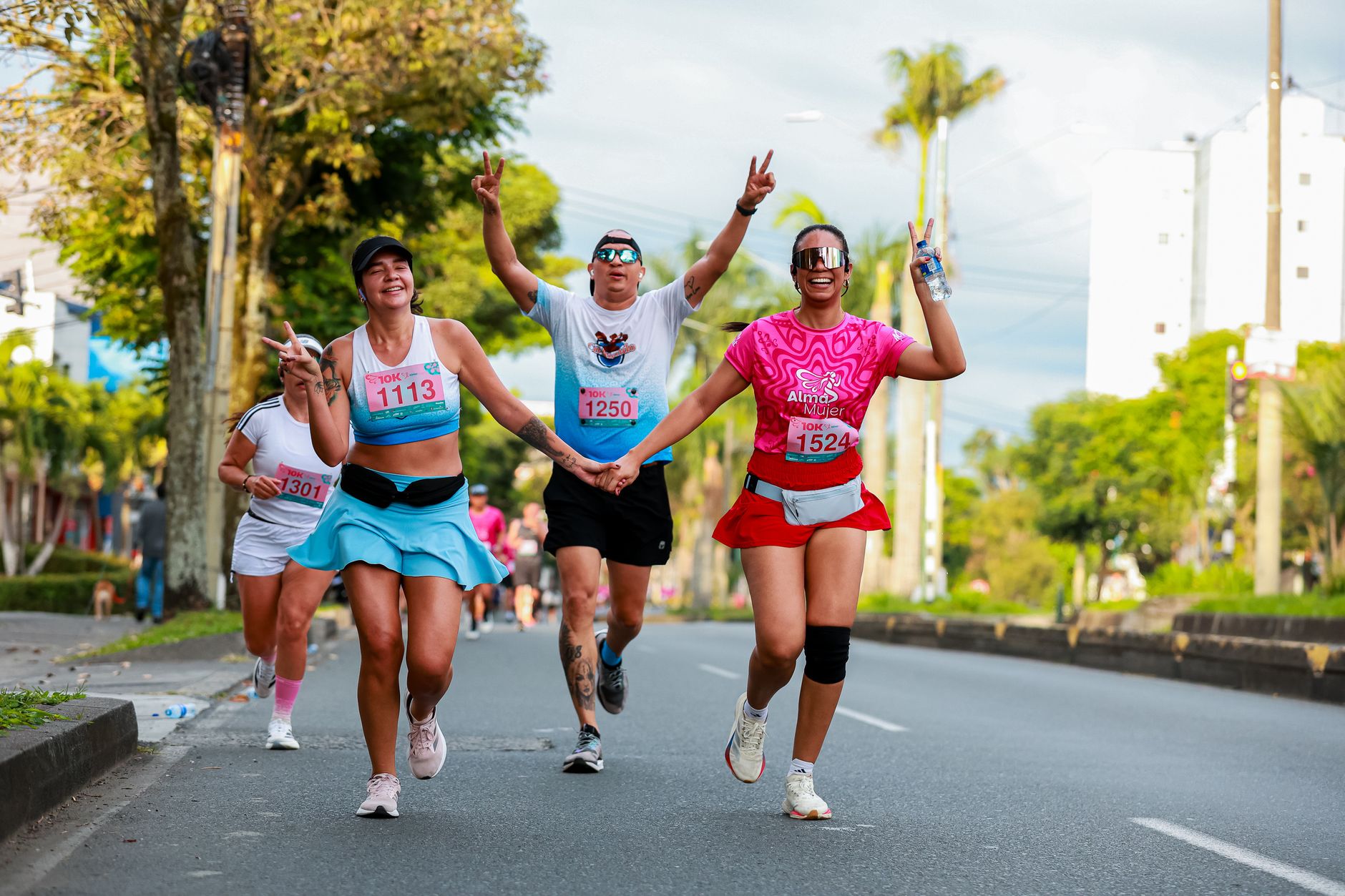
It started as a message in the group chat: “Who’s in for a charity 5K in the spring?” Six thumbs up later, you have a team. One of you runs every weekend, two haven’t run since school, and nobody has thought about how you’ll all get there.
That mix is what makes a charity run fun, and it’s also what needs planning. Sort these seven things out together in the next couple of weeks, and the day itself will be about the run and each other.
Thing #1 – The Right Event
The right event is one every person in your group can finish and enjoy, so choose for the least experienced runner. A 5K that welcomes walkers suits a mixed group far better than a hilly 10K with a time limit.
Compare a few events on these points:
Pick a cause the group cares about. It’s easier to train, and to ask for donations, when the charity means something to you. Register together on the same day, so nobody misses out when places fill.
Thing #2 – A Preparation Plan Everyone Can Follow
A preparation plan has to fit the busiest person in the group, or it won’t last. Agree something modest and stick to it.
Start Where You Are
Have each person say what they can do now. For someone new to running, a walk-run plan spread over a couple of months is a realistic way to reach a 5K. Regular runners can use the same weeks to work on pace.
The CDC says adults need 150 minutes of moderate-intensity physical activity a week. Three half-hour sessions with the group and a couple of walks on your own cover it.
Train Together Once a Week
Set one fixed session a week when everyone meets, and let people do the rest on their own schedule. Run at the pace of the slowest person on group days. Speed can wait for solo sessions.
Know When to Ease Off
Anyone with a health condition or a long break from exercise should check with their doctor before starting. Sore muscles are normal. Sharp or lasting pain is a reason to rest and get it looked at.
Thing #3 – A Fundraising Target
A shared fundraising target gives the group something to aim for beyond the finish line. Set a team total, then split it into individual amounts that feel achievable.
Start by checking the charity. The FTC advises donors to do some research before you give to a charity. The same goes before you ask others to give. Confirm the event’s fundraising page is the official one.
Then make it easy for people to donate. Set up one team page, write a short story about why you’re running and share it in stages: at sign-up, halfway through training and in race week. Thank every donor by name, and post the total when you finish.
Thing #4 – Coordinated Team Kit
Matching kit makes you a team and makes you easy to find in a crowd. It doesn’t have to be elaborate. The same color top is enough to spot each other at a busy start line.
Comfort comes first. Choose a light fabric that wicks sweat, in a cut each person finds comfortable, and let people pick their own shorts or leggings. If you’d like something made for the day, listings such as lightweight track uniforms at Sports Gear Swag can be printed with a team name and each runner’s name, which helps supporters pick you out. Whatever you choose, everyone should run in it at least twice before the event.
Collect sizes early and order with weeks to spare. Put your team name and the charity on the front, and keep the design simple enough to read from the sidewalk.
Thing #5 – Event-Day Logistics
Event-day logistics decide whether the morning is calm, so write the plan down and share it. Race mornings start early, and nobody thinks clearly at six.
Agree these in advance:
Check the event’s rules on headphones, strollers and dogs. Pack the night before: number, pins, water, a snack and a dry top for afterward. Send the plan to the group two days ahead, with the weather forecast.
Thing #6 – How You’ll Run It
Decide before the start whether you’re running together or meeting at the end. Both are fine, but a group that hasn’t agreed will lose people in the first mile.
If you run together, the slowest person sets the pace and nobody apologizes for it. If you split up, pair each new runner with a buddy, so no one is alone on the course. Agree a signal for “I need to walk.”
Ask supporters to stand at a specific spot and tell everyone where. A familiar face at the two-mile mark does a lot for tired legs.
Alt text: Friends in running clothes share brunch at an outdoor cafe table after a run
Thing #7 – The Post-Run Gathering
The gathering afterward is what people remember, so plan it as carefully as the run. Everyone will be hungry, proud and a little sore.
Book a table near the finish, or have someone host brunch at home. Choose somewhere relaxed that’s happy to see people in running clothes. Invite the friends and family who came to cheer, and the donors who live nearby.
Mark the moment. Take a team photo with your medals, read out the fundraising total and raise a glass to the person who found it hardest.
Send the First Message
Open the group chat and post three event options with dates and distances. Ask everyone to vote by Friday. Once the event is chosen, the training plan, the fundraising page and the kit order all have a deadline to work back from.
Frequently Asked Questions
What distance should a group of friends choose for a charity run?
Choose for the least experienced runner in the group. A 5K that welcomes walkers suits a mixed group far better than a hilly 10K with a time limit.
How long does it take to train for a charity 5K?
For someone new to running, a walk-run plan spread over a couple of months is a realistic way to reach a 5K. Set one fixed group session a week and let people do the rest on their own schedule.
How do we raise money as a team for a charity run?
Set a team total, split it into individual amounts and set up one team page. Share it at sign-up, halfway through training and in race week, and thank every donor by name.
Share this:
Like this: