Baseball is a sport that asks a lot from young athletes. Hitting, throwing, sprinting, and changing direction all place demands on the body. As teens grow and competition increases, many players and parents start wondering if weight training should be part of that development. Is it safe? Does it really help? Or could it do more harm than good?
These questions are completely normal. Weight training for teens has long been misunderstood. Images of heavy lifting and muscle strain often come to mind, even though that is not what responsible youth training looks like. When done correctly, weight training can be a steady, supportive tool that helps teen baseball players move better, feel stronger, and stay healthier as they develop.
This article takes a closer look at how it works and what it truly improves. Keep reading!
What Baseball Weight Training Really Means for Teens
Weight training for teen baseball players is not bodybuilding, and it is not about lifting heavy weights for size or appearance. Instead, it focuses on building strength that supports athletic movement. The goal is to help the body handle the physical demands of baseball in a safe, controlled, and efficient way as teens continue to grow.
At this stage, training is designed to support how players move on the field. The emphasis remains on:
Proper movement patterns
Body control and balance
Strength that supports throwing, hitting, and running
Instead of max lifts, teens often work with lighter resistance, controlled repetitions, and exercises that train the whole body. This approach helps build a strong foundation without putting unnecessary stress on growing joints and muscles.
How Baseball Weight Training Works
For teens, the training works best when it is guided, intentional, and paced carefully. This is why it is often done under the supervision of experienced coaches who understand both baseball and the physical changes teens go through as they grow. These coaches design baseball weight training programs that focus on safety, movement quality, and long-term development rather than quick results.
Programs like those offered by Espinosa Baseball are a good example of how this looks in practice. Sessions are typically kept to about 35 to 40 minutes, which helps players stay focused without feeling drained. Coaches spend time watching how each player moves, offering small corrections when needed, and introducing new exercises slowly. Strength work is balanced with mobility, flexibility, and rest so the body develops evenly and naturally.
A typical session may include:
Lower-body exercises to support speed, balance, and stability
Core movements that improve control, posture, and rotational strength
Upper-body work designed to complement throwing mechanics without overloading the arm
This steady, thoughtful structure helps teens build strength in a way that feels encouraging and manageable, not intense or overwhelming.
What Baseball Weight Training Improves
When weight training is done correctly and at the right pace, it can support several important areas of a teen player’s development. These improvements do not happen overnight. Instead, they build gradually as the body adapts to better movement patterns, improved strength, and increased control. This slow and steady progress is actually a good sign, especially for growing athletes.
Rather than changing how a player looks, weight training focuses on how the body moves and responds during the game. Over time, teens often begin to feel more connected to their movements. They become more aware of how their legs, core, and upper body work together during swings, throws, and sprints. This awareness can make the game feel more natural and less physically demanding.
Some of the key benefits include:
Better strength transfer during swings and throws, allowing power to move more efficiently from the lower body through the upper body
Increased body awareness and control, making it easier to repeat proper mechanics
Greater confidence in physical abilities, especially as players feel stronger and more prepared
Weight training can also help players feel more stable during movement. This stability supports smoother mechanics and reduces unnecessary strain on joints and muscles. Over time, these improvements often lead to more consistent performance on the field and better overall athletic efficiency, helping teens feel both capable and confident as they continue to develop.
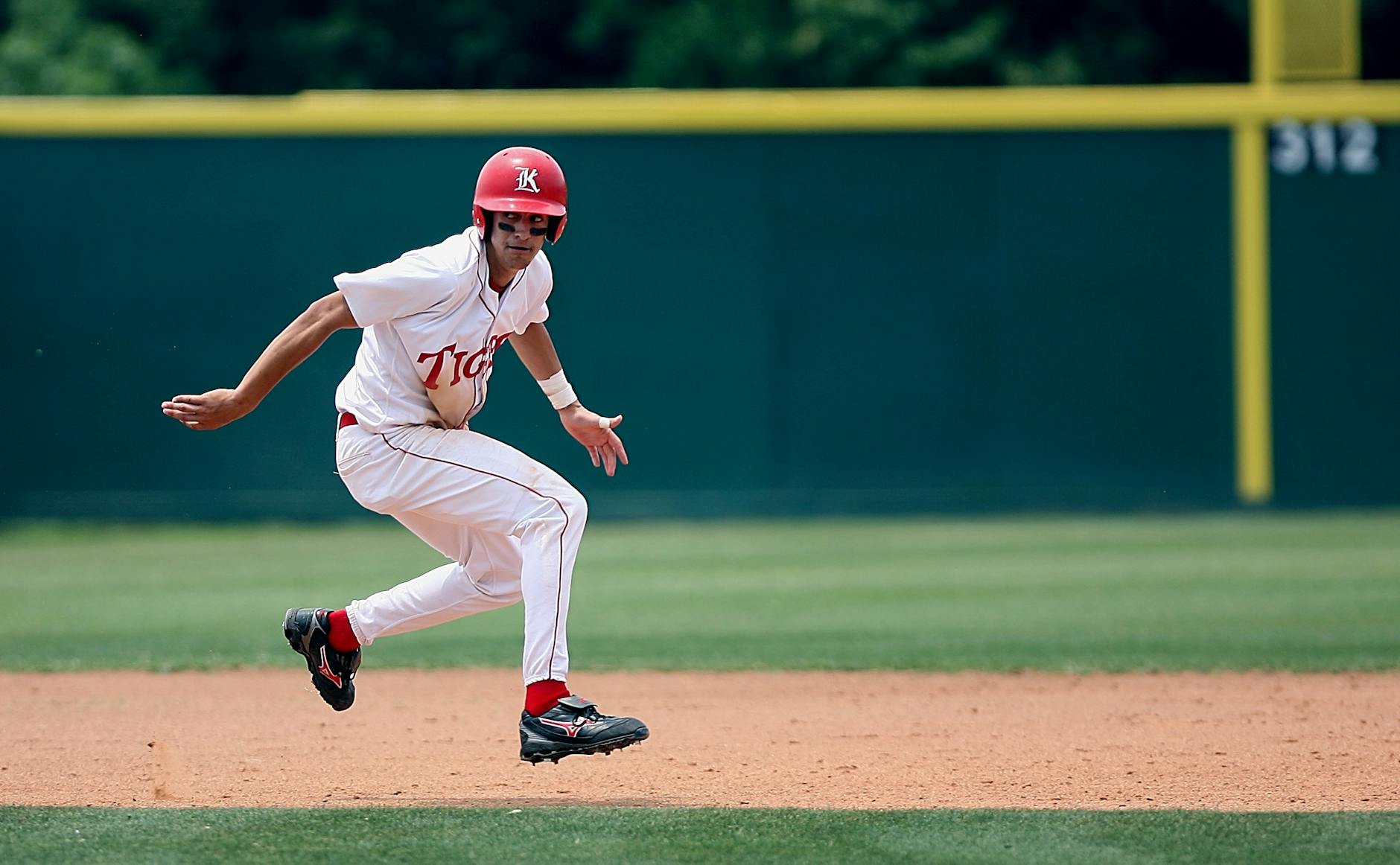
Photo by Styves Exantus
Closing Lines
Baseball weight training for teens can be a valuable part of athletic development when done the right way. It is not about lifting heavy or pushing limits. It is about building strength, coordination, and confidence in a safe, structured environment. With proper guidance and patience, weight training can help young players support their performance on the field while setting the foundation for long-term health and success


Baseball is a sport that asks a lot from young athletes. Hitting, throwing, sprinting, and changing direction all place demands on the body. As teens grow and competition increases, many players and parents start wondering if weight training should be part of that development. Is it safe? Does it really help? Or could it do more harm than good?
These questions are completely normal. Weight training for teens has long been misunderstood. Images of heavy lifting and muscle strain often come to mind, even though that is not what responsible youth training looks like. When done correctly, weight training can be a steady, supportive tool that helps teen baseball players move better, feel stronger, and stay healthier as they develop.
This article takes a closer look at how it works and what it truly improves. Keep reading!
What Baseball Weight Training Really Means for Teens
Weight training for teen baseball players is not bodybuilding, and it is not about lifting heavy weights for size or appearance. Instead, it focuses on building strength that supports athletic movement. The goal is to help the body handle the physical demands of baseball in a safe, controlled, and efficient way as teens continue to grow.
At this stage, training is designed to support how players move on the field. The emphasis remains on:
Instead of max lifts, teens often work with lighter resistance, controlled repetitions, and exercises that train the whole body. This approach helps build a strong foundation without putting unnecessary stress on growing joints and muscles.
How Baseball Weight Training Works
For teens, the training works best when it is guided, intentional, and paced carefully. This is why it is often done under the supervision of experienced coaches who understand both baseball and the physical changes teens go through as they grow. These coaches design baseball weight training programs that focus on safety, movement quality, and long-term development rather than quick results.
Programs like those offered by Espinosa Baseball are a good example of how this looks in practice. Sessions are typically kept to about 35 to 40 minutes, which helps players stay focused without feeling drained. Coaches spend time watching how each player moves, offering small corrections when needed, and introducing new exercises slowly. Strength work is balanced with mobility, flexibility, and rest so the body develops evenly and naturally.
A typical session may include:
This steady, thoughtful structure helps teens build strength in a way that feels encouraging and manageable, not intense or overwhelming.
What Baseball Weight Training Improves
When weight training is done correctly and at the right pace, it can support several important areas of a teen player’s development. These improvements do not happen overnight. Instead, they build gradually as the body adapts to better movement patterns, improved strength, and increased control. This slow and steady progress is actually a good sign, especially for growing athletes.
Rather than changing how a player looks, weight training focuses on how the body moves and responds during the game. Over time, teens often begin to feel more connected to their movements. They become more aware of how their legs, core, and upper body work together during swings, throws, and sprints. This awareness can make the game feel more natural and less physically demanding.
Some of the key benefits include:
Weight training can also help players feel more stable during movement. This stability supports smoother mechanics and reduces unnecessary strain on joints and muscles. Over time, these improvements often lead to more consistent performance on the field and better overall athletic efficiency, helping teens feel both capable and confident as they continue to develop.
Closing Lines
Baseball weight training for teens can be a valuable part of athletic development when done the right way. It is not about lifting heavy or pushing limits. It is about building strength, coordination, and confidence in a safe, structured environment. With proper guidance and patience, weight training can help young players support their performance on the field while setting the foundation for long-term health and success
Share this:
Like this: