There’s another side to Japan’s food culture that is best discovered away from the country’s busiest tourist centres, and even outside its traditional peak seasons of summer and winter ski season.
Stretching around the Seto Inland Sea, the Setouchi region encompasses seven prefectures and a scattering of islands, fishing communities, fertile farmlands and citrus-growing terraces. While spring’s cherry blossoms and autumn’s foliage might be a huge draw for Australian travellers, travelling to Setouchi during the shoulder seasons offers a different kind of reward involving seasonal produce at its freshest, intimate food experiences, and the chance to discover dishes that are rarely part of the typical Japan itinerary.
From sashimi-style sea bream served over rice to lemon-infused kaiseki and sake made with mountain spring water, here are some of Setouchi’s culinary experiences worth travelling for.
Sea bream, but not as you know it
For a taste of Setouchi’s connection to the sea, head to Uwajima in Ehime Prefecture, where one of the region’s signature dishes turns sashimi into something very different.
Savour the vibrant colours and fine flavours of wild red sea bream (commonly referred to as cherry sea bream) throughout spring with a serving of tai-meshi, Uwajima’s version of sea bream rice that uses sashimi-style sea bream marinated in soy sauce and mirin, before being served over steaming rice. It’s a simple dish that reflects the abundance of fresh seafood in the Seto Inland Sea.
At Kadoya Ekimaehonten, close to Uwadai – regarded as one of Japan’s premier fishing grounds, the dish is part of a sophisticated menu showcasing the region’s seafood and broader seasonal produce.
A kaiseki dining experience with a (lemon) twist
Ehime is famous for its citrus, but on Iwaki Island in Kamijima, lemons take centre stage in an unexpectedly sophisticated way. As the flavours change with the seasons, you’ll experience the more intense and zesty flavours of an autumn harvest, while springtime brings a sweeter and juicier offering.
At Debeso Obachan’s Shop, visitors can experience a kaiseki meal featuring more than 10 dishes inspired by the island’s famous Setouchi lemons. But this isn’t simply a case of adding a squeeze of lemon to an otherwise conventional Japanese meal. Under the guidance of locals known as the “Debeso Obachans”, visitors prepare their own multi-course feast, with the citrus fruit incorporated into dishes ranging from soups and grilled fish to desserts.
The experience also provides an insight into the island’s agricultural heritage, including the history of citrus farming and the way local produce has shaped the community’s cuisine.
Follow the water to some of Japan’s finest sake
Food in Setouchi isn’t only about what’s on the plate. In Saijo City, the water itself is an essential ingredient.
Nestled beneath Mt Ishizuchi, Saijo is one of Japan’s renowned sake-producing areas. The city is home to numerous natural springs, known locally as uchinuki, from which their mineral-rich water has long been used by sake brewers.
Several historic family-run sake breweries can be found in Saijo and among them is Seiryo Sake Brewery, which has been making sake for around 130 years using underground water from Mt Ishizuchi.
Visitors can drop into the brewery shop, while spring offers a particularly interesting opportunity to see the brewing process during Seiryo’s annual open event. For travellers interested in Japanese food and drink, the springtime event offers a chance to understand what’s behind the sake glass from the water, the surrounding landscapes, to the region’s history and craftsmanship that give a regional brew its character.
Discover Japan’s chestnut culture
Chestnuts might not be the first ingredient that comes to mind when thinking about Japanese cuisine, but in Ozu City they are something of a local star.
Ozu is the largest producer of chestnuts on the island of Shikoku. The surrounding mountains, fertile soils and temperate climate provide ideal growing conditions, producing chestnuts prized for their size, sweetness and creamy texture.
With September and October bringing the main chestnut harvest, markets fill with chestnut products and farms often open their doors to visitors interested in learning how the crop is grown and harvested.
During this time, you’ll soon see they find their way into both savoury dishes and traditional Japanese sweets, including kurikinton, a sweet chestnut preparation.
One of the local specialities is kuri-gohan, or chestnut rice, while tonkuri mabushi offers a more contemporary take, pairing chestnuts with pork belly over rice and, in some versions, a flavoursome broth.
At Ozu Robata Aburaya and Bun Aburaya, visitors can sample the local chestnuts in dishes that demonstrate just how versatile the ingredient can be.
Pick your own taste of Ehime
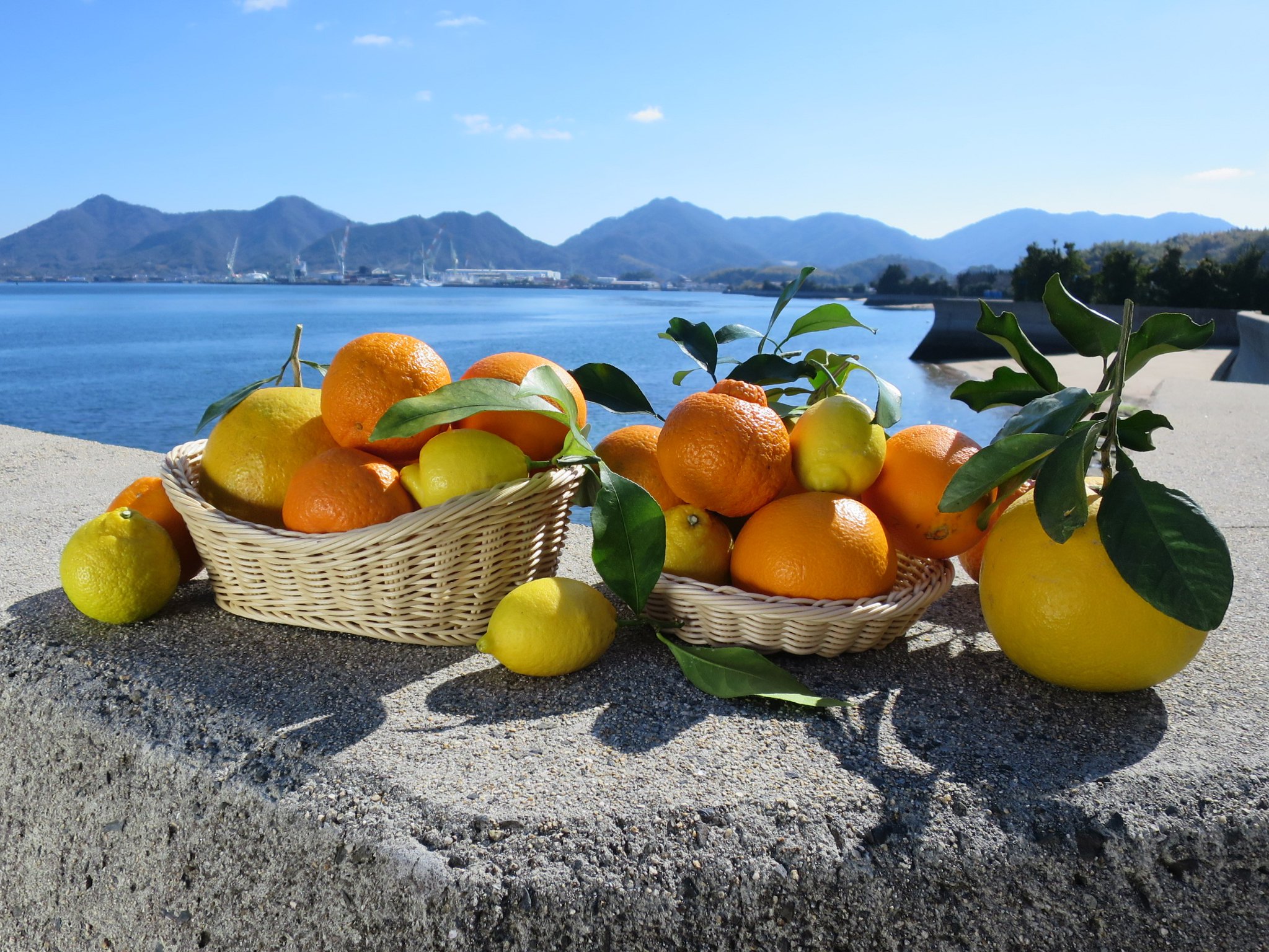
If there’s one ingredient that captures the character of Setouchi, it might be the humble mikan. These small, sweet mandarins are synonymous with Ehime, where citrus orchards cover hillsides and terraces overlooking the Seto Inland Sea.
On Oshima, terraced orchards cascade down steep, south-facing slopes, creating an agricultural landscape that is as photogenic as it is productive.
Mikan appears everywhere here, from desserts and snacks to drinks, but one of the most enjoyable ways to experience it is to head to a local farm and pick it yourself.
Mikan-picking experiences generally run from November through March, with visitors also able to learn how to select ripe fruit while gaining an insight into the region’s citrus-growing traditions and more sustainable farming practices.
Visit in the spring to experience the season’s speciality citrus varieties, making the orchards well worth exploring beyond the main harvest season.
For travellers who have already ticked Tokyo, Kyoto and Osaka off their Japan wish list, perhaps the next culinary adventure lies a little further west in the Setouchi, where the best ingredient on the menu might just be the season itself.
Setouchi FAQ
Where is Setouchi in Japan?
Setouchi is the region surrounding the Seto Inland Sea in western Japan. It spans parts of seven prefectures and includes major areas across Honshu, Shikoku and numerous smaller islands. The region is known for calm coastal scenery, fishing communities, citrus farms, art islands and a strong food culture shaped by the sea and surrounding farmland.
What is Setouchi famous for?
Setouchi is famous for its island landscapes, seafood, citrus fruit, sake, contemporary art and slower pace of travel. The Seto Inland Sea is dotted with hundreds of islands, while destinations across the region are known for everything from cycling and art to hot springs and regional cooking. It has also become increasingly popular with travellers looking to experience a quieter side of Japan beyond Tokyo, Kyoto and Osaka.
What food is Setouchi known for?
Seafood is central to Setouchi cuisine, particularly sea bream, oysters and other fish caught in the Seto Inland Sea. The region is also known for citrus, including lemons and mikan mandarins, as well as sake, chestnuts and dishes built around seasonal local produce. Individual prefectures and islands often have their own distinct specialities.
Why is citrus so important in Setouchi?
The mild climate around the Seto Inland Sea makes parts of Setouchi particularly well suited to citrus growing. Ehime Prefecture is especially famous for mikan mandarins, while islands such as Iwaki are known for lemons and other citrus varieties. Orchards are often planted across terraced hillsides overlooking the sea, making citrus farming an important part of both the landscape and local food culture.
When is the best time to visit Setouchi for food?
Setouchi is rewarding throughout the year, but the shoulder seasons can be particularly interesting for food-focused travel. Spring brings seasonal seafood and citrus varieties, while autumn is a strong time for chestnuts, richer citrus flavours and harvest produce. Visiting outside the busiest tourism periods can also make local food experiences feel more relaxed and personal.
Is Setouchi worth visiting if you have already been to Japan?
Yes. Setouchi offers a very different experience from Japan’s biggest cities. Rather than neon neighbourhoods and major tourist landmarks, much of the appeal comes from island hopping, coastal villages, regional food, art, cycling and slow travel. It is especially appealing for repeat visitors looking to discover a more local and less hurried side of Japan.
How do you get around Setouchi?
Travel around Setouchi often involves a mix of trains, buses, ferries and local transport. Major cities and prefectural centres are connected by Japan’s rail network, while ferries are essential for reaching many of the islands. For travellers planning a multi-stop itinerary, it is worth allowing extra time rather than trying to move between destinations too quickly.
Is Setouchi close to Osaka?
Parts of Setouchi are easily accessible from Osaka and the wider Kansai region, particularly destinations around eastern Setouchi. Travelling further west into areas such as Ehime will require more time, but the region works well as an extension to a longer Japan itinerary.
Where to Next?
If Setouchi has you thinking about a slower, more regional Japan trip, continue with our Ultimate Guide to Hyogo Prefecture. Hyogo stretches from the Seto Inland Sea to the Sea of Japan and combines historic towns, mountain onsen, coastal scenery and some of the country’s best-known food experiences.
For another Japanese destination where food is a major part of the experience, explore our Ultimate Osaka Travel Guide, covering where to stay, what to eat and how to experience one of Japan’s great food cities.
If you want to continue exploring Japan beyond the obvious stops, our Ultimate Okinawa Travel Guide heads in a completely different direction, with subtropical islands, beaches, local cuisine and a distinct culture shaped by its southern location.
You can also discover Narita City, a Gateway Into Japan, a quieter alternative to rushing straight from the airport into Tokyo, with historic streets, traditional food and one of Japan’s most important temple complexes.
And for even more inspiration away from Japan’s biggest tourist centres, explore our guide to the Ten Hottest Travel Destinations for 2026, where Setouchi features among the places we think are defining a new era of slower, more experience-led travel.


There’s another side to Japan’s food culture that is best discovered away from the country’s busiest tourist centres, and even outside its traditional peak seasons of summer and winter ski season.
Stretching around the Seto Inland Sea, the Setouchi region encompasses seven prefectures and a scattering of islands, fishing communities, fertile farmlands and citrus-growing terraces. While spring’s cherry blossoms and autumn’s foliage might be a huge draw for Australian travellers, travelling to Setouchi during the shoulder seasons offers a different kind of reward involving seasonal produce at its freshest, intimate food experiences, and the chance to discover dishes that are rarely part of the typical Japan itinerary.
From sashimi-style sea bream served over rice to lemon-infused kaiseki and sake made with mountain spring water, here are some of Setouchi’s culinary experiences worth travelling for.
Sea bream, but not as you know it
For a taste of Setouchi’s connection to the sea, head to Uwajima in Ehime Prefecture, where one of the region’s signature dishes turns sashimi into something very different.
Savour the vibrant colours and fine flavours of wild red sea bream (commonly referred to as cherry sea bream) throughout spring with a serving of tai-meshi, Uwajima’s version of sea bream rice that uses sashimi-style sea bream marinated in soy sauce and mirin, before being served over steaming rice. It’s a simple dish that reflects the abundance of fresh seafood in the Seto Inland Sea.
At Kadoya Ekimaehonten, close to Uwadai – regarded as one of Japan’s premier fishing grounds, the dish is part of a sophisticated menu showcasing the region’s seafood and broader seasonal produce.
A kaiseki dining experience with a (lemon) twist
Ehime is famous for its citrus, but on Iwaki Island in Kamijima, lemons take centre stage in an unexpectedly sophisticated way. As the flavours change with the seasons, you’ll experience the more intense and zesty flavours of an autumn harvest, while springtime brings a sweeter and juicier offering.
At Debeso Obachan’s Shop, visitors can experience a kaiseki meal featuring more than 10 dishes inspired by the island’s famous Setouchi lemons. But this isn’t simply a case of adding a squeeze of lemon to an otherwise conventional Japanese meal. Under the guidance of locals known as the “Debeso Obachans”, visitors prepare their own multi-course feast, with the citrus fruit incorporated into dishes ranging from soups and grilled fish to desserts.
The experience also provides an insight into the island’s agricultural heritage, including the history of citrus farming and the way local produce has shaped the community’s cuisine.
Follow the water to some of Japan’s finest sake
Food in Setouchi isn’t only about what’s on the plate. In Saijo City, the water itself is an essential ingredient.
Nestled beneath Mt Ishizuchi, Saijo is one of Japan’s renowned sake-producing areas. The city is home to numerous natural springs, known locally as uchinuki, from which their mineral-rich water has long been used by sake brewers.
Several historic family-run sake breweries can be found in Saijo and among them is Seiryo Sake Brewery, which has been making sake for around 130 years using underground water from Mt Ishizuchi.
Visitors can drop into the brewery shop, while spring offers a particularly interesting opportunity to see the brewing process during Seiryo’s annual open event. For travellers interested in Japanese food and drink, the springtime event offers a chance to understand what’s behind the sake glass from the water, the surrounding landscapes, to the region’s history and craftsmanship that give a regional brew its character.
Discover Japan’s chestnut culture
Chestnuts might not be the first ingredient that comes to mind when thinking about Japanese cuisine, but in Ozu City they are something of a local star.
Ozu is the largest producer of chestnuts on the island of Shikoku. The surrounding mountains, fertile soils and temperate climate provide ideal growing conditions, producing chestnuts prized for their size, sweetness and creamy texture.
With September and October bringing the main chestnut harvest, markets fill with chestnut products and farms often open their doors to visitors interested in learning how the crop is grown and harvested.
During this time, you’ll soon see they find their way into both savoury dishes and traditional Japanese sweets, including kurikinton, a sweet chestnut preparation.
One of the local specialities is kuri-gohan, or chestnut rice, while tonkuri mabushi offers a more contemporary take, pairing chestnuts with pork belly over rice and, in some versions, a flavoursome broth.
At Ozu Robata Aburaya and Bun Aburaya, visitors can sample the local chestnuts in dishes that demonstrate just how versatile the ingredient can be.
Pick your own taste of Ehime
If there’s one ingredient that captures the character of Setouchi, it might be the humble mikan. These small, sweet mandarins are synonymous with Ehime, where citrus orchards cover hillsides and terraces overlooking the Seto Inland Sea.
On Oshima, terraced orchards cascade down steep, south-facing slopes, creating an agricultural landscape that is as photogenic as it is productive.
Mikan appears everywhere here, from desserts and snacks to drinks, but one of the most enjoyable ways to experience it is to head to a local farm and pick it yourself.
Mikan-picking experiences generally run from November through March, with visitors also able to learn how to select ripe fruit while gaining an insight into the region’s citrus-growing traditions and more sustainable farming practices.
Visit in the spring to experience the season’s speciality citrus varieties, making the orchards well worth exploring beyond the main harvest season.
For travellers who have already ticked Tokyo, Kyoto and Osaka off their Japan wish list, perhaps the next culinary adventure lies a little further west in the Setouchi, where the best ingredient on the menu might just be the season itself.
Setouchi FAQ
Where is Setouchi in Japan?
Setouchi is the region surrounding the Seto Inland Sea in western Japan. It spans parts of seven prefectures and includes major areas across Honshu, Shikoku and numerous smaller islands. The region is known for calm coastal scenery, fishing communities, citrus farms, art islands and a strong food culture shaped by the sea and surrounding farmland.
What is Setouchi famous for?
Setouchi is famous for its island landscapes, seafood, citrus fruit, sake, contemporary art and slower pace of travel. The Seto Inland Sea is dotted with hundreds of islands, while destinations across the region are known for everything from cycling and art to hot springs and regional cooking. It has also become increasingly popular with travellers looking to experience a quieter side of Japan beyond Tokyo, Kyoto and Osaka.
What food is Setouchi known for?
Seafood is central to Setouchi cuisine, particularly sea bream, oysters and other fish caught in the Seto Inland Sea. The region is also known for citrus, including lemons and mikan mandarins, as well as sake, chestnuts and dishes built around seasonal local produce. Individual prefectures and islands often have their own distinct specialities.
Why is citrus so important in Setouchi?
The mild climate around the Seto Inland Sea makes parts of Setouchi particularly well suited to citrus growing. Ehime Prefecture is especially famous for mikan mandarins, while islands such as Iwaki are known for lemons and other citrus varieties. Orchards are often planted across terraced hillsides overlooking the sea, making citrus farming an important part of both the landscape and local food culture.
When is the best time to visit Setouchi for food?
Setouchi is rewarding throughout the year, but the shoulder seasons can be particularly interesting for food-focused travel. Spring brings seasonal seafood and citrus varieties, while autumn is a strong time for chestnuts, richer citrus flavours and harvest produce. Visiting outside the busiest tourism periods can also make local food experiences feel more relaxed and personal.
Is Setouchi worth visiting if you have already been to Japan?
Yes. Setouchi offers a very different experience from Japan’s biggest cities. Rather than neon neighbourhoods and major tourist landmarks, much of the appeal comes from island hopping, coastal villages, regional food, art, cycling and slow travel. It is especially appealing for repeat visitors looking to discover a more local and less hurried side of Japan.
How do you get around Setouchi?
Travel around Setouchi often involves a mix of trains, buses, ferries and local transport. Major cities and prefectural centres are connected by Japan’s rail network, while ferries are essential for reaching many of the islands. For travellers planning a multi-stop itinerary, it is worth allowing extra time rather than trying to move between destinations too quickly.
Is Setouchi close to Osaka?
Parts of Setouchi are easily accessible from Osaka and the wider Kansai region, particularly destinations around eastern Setouchi. Travelling further west into areas such as Ehime will require more time, but the region works well as an extension to a longer Japan itinerary.
Where to Next?
If Setouchi has you thinking about a slower, more regional Japan trip, continue with our Ultimate Guide to Hyogo Prefecture. Hyogo stretches from the Seto Inland Sea to the Sea of Japan and combines historic towns, mountain onsen, coastal scenery and some of the country’s best-known food experiences.
For another Japanese destination where food is a major part of the experience, explore our Ultimate Osaka Travel Guide, covering where to stay, what to eat and how to experience one of Japan’s great food cities.
If you want to continue exploring Japan beyond the obvious stops, our Ultimate Okinawa Travel Guide heads in a completely different direction, with subtropical islands, beaches, local cuisine and a distinct culture shaped by its southern location.
You can also discover Narita City, a Gateway Into Japan, a quieter alternative to rushing straight from the airport into Tokyo, with historic streets, traditional food and one of Japan’s most important temple complexes.
Planning a spring trip? Read our guide to the Best Places to See Cherry Blossoms in Japan for ideas on combining seasonal landscapes with food and culture.
And for even more inspiration away from Japan’s biggest tourist centres, explore our guide to the Ten Hottest Travel Destinations for 2026, where Setouchi features among the places we think are defining a new era of slower, more experience-led travel.
Share this:
Like this: