A successful pheasant hunt leaves you with more than a few good stories and muddy boots. You will also find yourself with the makings of a meal that can be every bit as memorable as the day spent in the field.
Wild pheasant has a delicate, slightly earthy flavor that works beautifully in everything from a classic roast to rich pasta dishes and comforting autumn stews. The key is knowing how to care for the bird after the hunt. Since pheasant is naturally lean, proper handling and cooking make the difference between tender, flavorful meat and a dry dinner nobody is eager to repeat.
Field Care Starts the Moment the Hunt Ends
The quality of the finished meal is impacted before you ever reach the kitchen. Birds should be handled gently, kept clean and cooled as soon as practical, particularly on warmer hunting days.
Avoid leaving harvested pheasants piled together in a vehicle or sealed inside a warm game bag for hours. Allowing air to circulate around the birds and moving them into a cooler helps protect the meat until you can process it properly.
A few simple habits go a long way:
Keep birds away from direct sunlight.
Use a cooler with bagged ice rather than placing the birds directly in melting water.
Avoid crushing or roughly handling the breast.
Clean any visible debris before transporting the birds.
Check local game laws before removing identifying features or processing your harvest.
Transportation and possession rules also vary depending on where you hunt, so it is worth reviewing the regulations before heading into the field. If you are using a pheasant hunting outfitter for your hunt, they will be familiar with the regulations in the area, as well as most likely have some knowledge on how to cook pheasant.
In some locations, part of the plumage or another identifying feature must remain attached during transport.
Cleaning and Processing Your Pheasant
Once you are back at camp, the lodge, or home, process the birds as soon as possible. Work on a clean surface, use a sharp knife, and keep finished cuts refrigerated while you continue with the rest of the harvest.
There are two common approaches:
Skinning and plucking.
Neither is universally better. The right choice depends on how you plan to cook the bird and how much time you want to spend preparing it.
Skinning or Plucking?
Skinning is faster and works well when you plan to separate the breast, legs, and thighs. It is a practical option for grilled pheasant, casseroles, soups, tacos and pasta dishes.
Plucking requires more patience, but it preserves the skin and makes it possible to roast the bird whole. The skin adds flavor and helps protect the lean meat from drying out in the oven. For a holiday meal or dinner party, the finished presentation can also be worth the extra effort.
Whichever method you choose, inspect the meat carefully for feathers, damaged tissue, and any remaining shot. Pat the pieces dry before storing or cooking them.
Use More Than the Breast
Pheasant breast is prized for good reason, but taking only the breast leaves plenty of excellent meat behind.
The legs and thighs are firmer and contain more connective tissue, which makes them well suited to slow cooking. Given enough time in a braise, soup or slow cooker, they become tender and deeply flavorful. Wings and carcasses can also be roasted and simmered with onions, carrots, celery and herbs to create homemade stock.
A single bird can contribute to several meals:
Breast fillets for grilling or pan-searing
Legs and thighs for pies, stews or shredded pheasant
Smaller pieces for soups, fried rice or pasta
Bones and carcass for stock
Making use of the entire bird is one of the most satisfying parts of cooking wild game.
Should You Age Wild Pheasant?
Some hunters age pheasants briefly before cleaning them. Under carefully controlled conditions, this can tenderize the meat and deepen its flavor.
The important words are “carefully controlled.” Aging requires steady refrigeration and birds that were recovered promptly and remained in good condition. It is not something to attempt in an unrefrigerated garage, a warm vehicle, or anywhere temperatures fluctuate significantly.
For most first-time hunters, processing and refrigerating the birds promptly is the simplest option. Fresh pheasant already has plenty of character, and careful cooking will do far more for the finished meal than taking unnecessary chances during storage.
Prepare the Meat Before Cooking
Wild pheasant is much leaner than supermarket chicken. It lacks the same layer of fat that protects it from high heat or prolonged cooking, which is why it can become dry surprisingly quickly.
A basic brine is one of the easiest ways to improve moisture and seasoning. Salt, water, and a small amount of sugar create a simple foundation, while herbs, peppercorns, garlic, or citrus can add flavor. Even a few hours in the brine can help, though smaller cuts should not be left in too long, or they may become overly salty.
Marinades are another good option for breast fillets. Olive oil, lemon, garlic, and fresh herbs keep things light, while buttermilk works well for fried pheasant. Before cooking, remove excess moisture from the surface so the meat browns instead of steaming.
Four Delicious Ways to Cook Wild Pheasant
The best method depends on the cut you are using and the type of meal you want to serve.
1. Roast a Whole Bird
A whole pheasant makes a beautiful centrepiece for an autumn dinner. Butter, herbs and a few slices of citrus add moisture and fragrance, while bacon or pancetta placed over the breast can provide extra protection during roasting.
Check the bird early rather than relying only on the cooking time in a recipe. Wild birds vary in size, and an extra ten minutes in the oven can be enough to dry out the breast.
2. Pan-Sear or Grill the Breast
Breast fillets are ideal for quick cooking. A hot skillet or grill develops a golden exterior while keeping the centre tender.
Season simply, cook only until done, and allow the meat to rest before slicing. Serve it with roasted vegetables, mashed potatoes, a bright salad or a fruit-based sauce made with apples, cranberries or cherries.
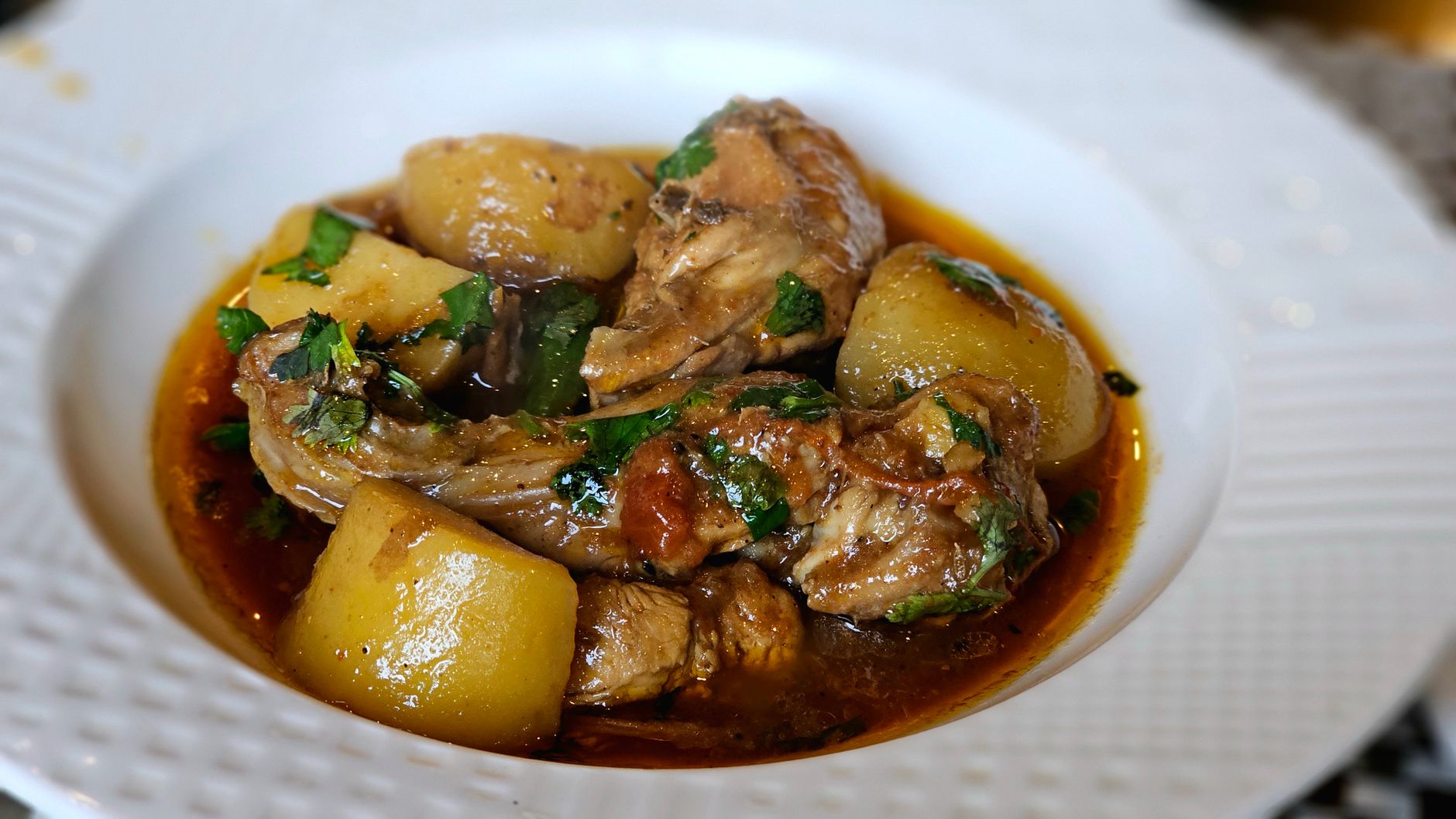
3. Braise the Legs and Thighs
The tougher cuts need time rather than intense heat. Brown them first, then cook slowly in stock, wine or a tomato-based sauce until the meat pulls easily from the bone.
Shredded pheasant can be folded into pasta, spooned over polenta, tucked into tacos or used as the filling for a rustic pot pie.
4. Turn It Into Comfort Food
Pheasant works especially well in dishes that provide extra moisture. Creamy soups, casseroles, risotto and dumplings are all forgiving options for anyone cooking the bird for the first time.
These recipes are also useful when serving several people because the meat can be divided throughout the dish without losing its distinct flavor.
Common Mistakes That Dry Out Pheasant
The most common problem is simply leaving it on the heat for too long. Wild pheasant does not need to be cooked into submission, particularly when working with breast meat.
Another mistake is slicing it immediately. Resting the meat for several minutes allows the juices to settle and gives the temperature time to finish evening out.
It is also worth matching the method to the cut. Breast meat benefits from quick cooking, while legs and thighs improve with a long, gentle braise. Trying to cook every part of the bird in exactly the same way usually means one cut is ready long before another.
A Great Meal Begins With a Memorable Hunt
The field-to-table experience is part of what makes pheasant hunting so rewarding. The early start, the open landscape and the excitement of watching a dog work all become part of the story shared around the table later.
For hunters who are new to upland birds, a professionally guided hunt can also provide valuable experience with bird retrieval, field care and responsible handling. Learning those skills in the field helps ensure that each harvested pheasant arrives in the kitchen in the best possible condition.
Photo by Nestor Montagu
Bringing the Hunt Home
Cooking wild pheasant does not need to be complicated. Start with good field care, keep the meat cool, select a cooking method that suits the cut, and resist the urge to overcook it.
The result is a meal with a sense of place and a story behind it. Long after the day’s final walk through the grass, gathering family or friends around a pheasant dinner gives the hunt one last memorable chapter.


A successful pheasant hunt leaves you with more than a few good stories and muddy boots. You will also find yourself with the makings of a meal that can be every bit as memorable as the day spent in the field.
Wild pheasant has a delicate, slightly earthy flavor that works beautifully in everything from a classic roast to rich pasta dishes and comforting autumn stews. The key is knowing how to care for the bird after the hunt. Since pheasant is naturally lean, proper handling and cooking make the difference between tender, flavorful meat and a dry dinner nobody is eager to repeat.
Field Care Starts the Moment the Hunt Ends
The quality of the finished meal is impacted before you ever reach the kitchen. Birds should be handled gently, kept clean and cooled as soon as practical, particularly on warmer hunting days.
Avoid leaving harvested pheasants piled together in a vehicle or sealed inside a warm game bag for hours. Allowing air to circulate around the birds and moving them into a cooler helps protect the meat until you can process it properly.
A few simple habits go a long way:
Transportation and possession rules also vary depending on where you hunt, so it is worth reviewing the regulations before heading into the field. If you are using a pheasant hunting outfitter for your hunt, they will be familiar with the regulations in the area, as well as most likely have some knowledge on how to cook pheasant.
In some locations, part of the plumage or another identifying feature must remain attached during transport.
Cleaning and Processing Your Pheasant
Once you are back at camp, the lodge, or home, process the birds as soon as possible. Work on a clean surface, use a sharp knife, and keep finished cuts refrigerated while you continue with the rest of the harvest.
There are two common approaches:
Skinning and plucking.
Neither is universally better. The right choice depends on how you plan to cook the bird and how much time you want to spend preparing it.
Skinning or Plucking?
Skinning is faster and works well when you plan to separate the breast, legs, and thighs. It is a practical option for grilled pheasant, casseroles, soups, tacos and pasta dishes.
Plucking requires more patience, but it preserves the skin and makes it possible to roast the bird whole. The skin adds flavor and helps protect the lean meat from drying out in the oven. For a holiday meal or dinner party, the finished presentation can also be worth the extra effort.
Whichever method you choose, inspect the meat carefully for feathers, damaged tissue, and any remaining shot. Pat the pieces dry before storing or cooking them.
Use More Than the Breast
Pheasant breast is prized for good reason, but taking only the breast leaves plenty of excellent meat behind.
The legs and thighs are firmer and contain more connective tissue, which makes them well suited to slow cooking. Given enough time in a braise, soup or slow cooker, they become tender and deeply flavorful. Wings and carcasses can also be roasted and simmered with onions, carrots, celery and herbs to create homemade stock.
A single bird can contribute to several meals:
Making use of the entire bird is one of the most satisfying parts of cooking wild game.
Should You Age Wild Pheasant?
Some hunters age pheasants briefly before cleaning them. Under carefully controlled conditions, this can tenderize the meat and deepen its flavor.
The important words are “carefully controlled.” Aging requires steady refrigeration and birds that were recovered promptly and remained in good condition. It is not something to attempt in an unrefrigerated garage, a warm vehicle, or anywhere temperatures fluctuate significantly.
For most first-time hunters, processing and refrigerating the birds promptly is the simplest option. Fresh pheasant already has plenty of character, and careful cooking will do far more for the finished meal than taking unnecessary chances during storage.
Prepare the Meat Before Cooking
Wild pheasant is much leaner than supermarket chicken. It lacks the same layer of fat that protects it from high heat or prolonged cooking, which is why it can become dry surprisingly quickly.
A basic brine is one of the easiest ways to improve moisture and seasoning. Salt, water, and a small amount of sugar create a simple foundation, while herbs, peppercorns, garlic, or citrus can add flavor. Even a few hours in the brine can help, though smaller cuts should not be left in too long, or they may become overly salty.
Marinades are another good option for breast fillets. Olive oil, lemon, garlic, and fresh herbs keep things light, while buttermilk works well for fried pheasant. Before cooking, remove excess moisture from the surface so the meat browns instead of steaming.
Four Delicious Ways to Cook Wild Pheasant
The best method depends on the cut you are using and the type of meal you want to serve.
1. Roast a Whole Bird
A whole pheasant makes a beautiful centrepiece for an autumn dinner. Butter, herbs and a few slices of citrus add moisture and fragrance, while bacon or pancetta placed over the breast can provide extra protection during roasting.
Check the bird early rather than relying only on the cooking time in a recipe. Wild birds vary in size, and an extra ten minutes in the oven can be enough to dry out the breast.
2. Pan-Sear or Grill the Breast
Breast fillets are ideal for quick cooking. A hot skillet or grill develops a golden exterior while keeping the centre tender.
Season simply, cook only until done, and allow the meat to rest before slicing. Serve it with roasted vegetables, mashed potatoes, a bright salad or a fruit-based sauce made with apples, cranberries or cherries.
3. Braise the Legs and Thighs
The tougher cuts need time rather than intense heat. Brown them first, then cook slowly in stock, wine or a tomato-based sauce until the meat pulls easily from the bone.
Shredded pheasant can be folded into pasta, spooned over polenta, tucked into tacos or used as the filling for a rustic pot pie.
4. Turn It Into Comfort Food
Pheasant works especially well in dishes that provide extra moisture. Creamy soups, casseroles, risotto and dumplings are all forgiving options for anyone cooking the bird for the first time.
These recipes are also useful when serving several people because the meat can be divided throughout the dish without losing its distinct flavor.
Common Mistakes That Dry Out Pheasant
The most common problem is simply leaving it on the heat for too long. Wild pheasant does not need to be cooked into submission, particularly when working with breast meat.
Another mistake is slicing it immediately. Resting the meat for several minutes allows the juices to settle and gives the temperature time to finish evening out.
It is also worth matching the method to the cut. Breast meat benefits from quick cooking, while legs and thighs improve with a long, gentle braise. Trying to cook every part of the bird in exactly the same way usually means one cut is ready long before another.
A Great Meal Begins With a Memorable Hunt
The field-to-table experience is part of what makes pheasant hunting so rewarding. The early start, the open landscape and the excitement of watching a dog work all become part of the story shared around the table later.
For hunters who are new to upland birds, a professionally guided hunt can also provide valuable experience with bird retrieval, field care and responsible handling. Learning those skills in the field helps ensure that each harvested pheasant arrives in the kitchen in the best possible condition.
Bringing the Hunt Home
Cooking wild pheasant does not need to be complicated. Start with good field care, keep the meat cool, select a cooking method that suits the cut, and resist the urge to overcook it.
The result is a meal with a sense of place and a story behind it. Long after the day’s final walk through the grass, gathering family or friends around a pheasant dinner gives the hunt one last memorable chapter.
Share this:
Like this: