Here’s the question nobody asks when they’re buying home gym equipment: in six months, will this still be part of my routine, or will it be an expensive surface for hanging clothes?
Most people who invest in home gym equipment have good intentions. Some succeed. The ones who do have almost always made different decisions about what to buy, how much space to allocate, and how to set up the environment than those whose equipment ends up unused.
This guide is about making decisions that result in a home gym that gets used consistently, not just in January.
Start With Honesty About How You Actually Train
The most important question isn’t “what’s the best equipment?” It’s “what do I actually do when I train?”
If you run outside and use bodyweight movements, a treadmill and a full rack of barbells is the wrong answer, no matter how good those products are. If you genuinely enjoy strength training and have been doing it consistently for years, a set of resistance bands is going to underserve your needs within weeks.
Map your current training reality before buying anything. What do you do consistently? What do you do occasionally? What would you like to do but don’t because access is an inconvenience? The home gym that works is one that removes inconvenience from the training you actually do, not the training you aspire to do.
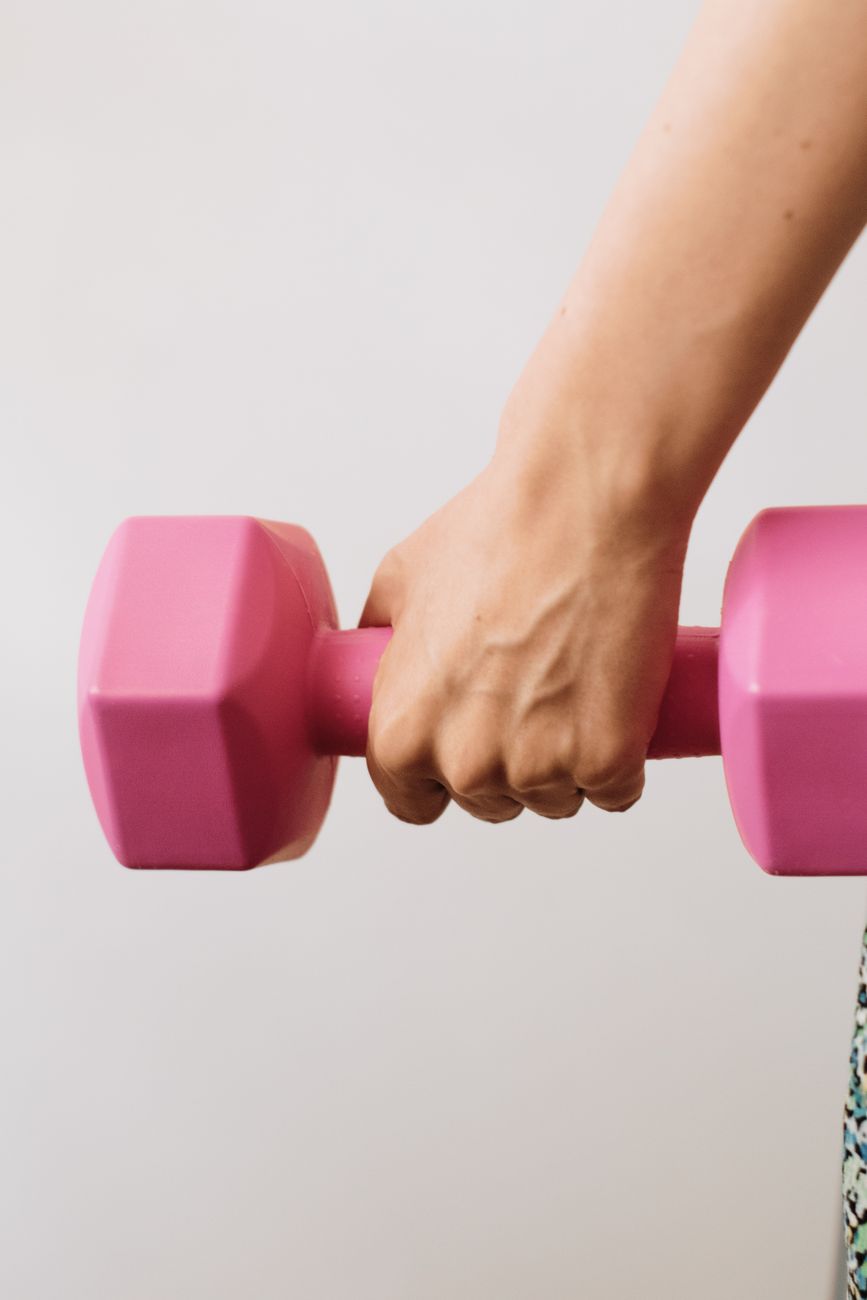
Photo by Olia Danilevich
The Space Reality Check
Space is the variable most people underestimate. Not just the floor area required to store equipment, but the floor area required to use it safely and comfortably.
A flat bench takes up a certain footprint stored. It takes up significantly more footprint in use when you need space around it for loading, for range of motion, and for stepping on and off. A squat rack that fits in the corner of a room may not have enough clearance for safe overhead pressing within that room’s ceiling height.
Before buying anything, measure your actual available space and map out the use footprint of each piece of equipment you’re considering, not just its storage footprint. This single step prevents the majority of post-purchase home gym regrets.
Equipment That Has Proven Long-Term Utility
Some equipment categories retain their utility across different training phases and different life stages. Others become specialised quickly.
Adjustable dumbbells. This is the category with the strongest case for most home gym setups. A single pair of adjustable dumbbells replaces an entire rack of fixed-weight dumbbells, takes up a fraction of the space, and accommodates a virtually unlimited range of exercises from warm-up to heavy compound movements.
For people who take their training seriously, the quality of adjustable dumbbells matters significantly. Cheap mechanisms fail, adjustment becomes imprecise, and the equipment stops being used.
For training equipment that has earned its reputation over decades, home gym workout equipment from PowerBlock sets the standard that serious home gym owners reference.
It has been producing adjustable dumbbells for over 25 years, and the durability and adjustment precision of their products is specifically what makes them a long-term home gym investment rather than a replacement cycle.
A pull-up bar or power rack. Upper body pulling movements are underrepresented in most home gym setups because equipment that enables them is often overlooked in favour of more visible pressing and lower body equipment. A wall-mounted pull-up station or a power rack with a pull-up bar corrects this imbalance.
A quality adjustable bench. A flat bench serves a reasonable range of movements. An adjustable bench that goes from flat to various incline angles serves a much wider range without taking up additional floor space.
Resistance bands. Genuinely underrated as a home gym staple. They add accommodating resistance to barbell movements, enable assisted pull-up training, and serve as warm-up and accessory tools across almost every training style.
The Environment Matters as Much as the Equipment
The most consistently used home gyms are those where someone has invested in the environment, not just the equipment.
Rubber flooring that makes the space feel dedicated rather than improvised. A mirror or two that enables form checking rather than just vanity. Adequate lighting that makes early morning or late evening training comfortable rather than gloomy. A sound system that makes training enjoyable rather than silent.
These environmental investments are often lower cost than the equipment itself and have a disproportionate effect on whether the space gets used consistently. A home gym that feels like a gym gets used like a gym. One that feels like a storage room with some equipment in it gets treated like one.
The One-Piece Rule for Getting Started
If you’re building a home gym from scratch and uncertain about what will actually work for your training, buy one piece of core equipment and use it consistently for three months before adding anything else.
This forces clarity about what you actually use, reveals what’s missing, and prevents the common pattern of accumulating equipment in advance of a training habit rather than in support of one.
The best-equipped home gym in the world doesn’t produce results without consistent use. The consistency is the goal. The equipment serves it.
Conclusion
Home gym equipment that gets used every week is equipment that was chosen for the right reasons: it matches how you actually train, it fits the space you actually have, and it’s in an environment that makes training appealing rCather than merely possible.
Make the decisions in that order and the investment pays back indefinitely.


Here’s the question nobody asks when they’re buying home gym equipment: in six months, will this still be part of my routine, or will it be an expensive surface for hanging clothes?
Most people who invest in home gym equipment have good intentions. Some succeed. The ones who do have almost always made different decisions about what to buy, how much space to allocate, and how to set up the environment than those whose equipment ends up unused.
This guide is about making decisions that result in a home gym that gets used consistently, not just in January.
Start With Honesty About How You Actually Train
The most important question isn’t “what’s the best equipment?” It’s “what do I actually do when I train?”
If you run outside and use bodyweight movements, a treadmill and a full rack of barbells is the wrong answer, no matter how good those products are. If you genuinely enjoy strength training and have been doing it consistently for years, a set of resistance bands is going to underserve your needs within weeks.
Map your current training reality before buying anything. What do you do consistently? What do you do occasionally? What would you like to do but don’t because access is an inconvenience? The home gym that works is one that removes inconvenience from the training you actually do, not the training you aspire to do.
The Space Reality Check
Space is the variable most people underestimate. Not just the floor area required to store equipment, but the floor area required to use it safely and comfortably.
A flat bench takes up a certain footprint stored. It takes up significantly more footprint in use when you need space around it for loading, for range of motion, and for stepping on and off. A squat rack that fits in the corner of a room may not have enough clearance for safe overhead pressing within that room’s ceiling height.
Before buying anything, measure your actual available space and map out the use footprint of each piece of equipment you’re considering, not just its storage footprint. This single step prevents the majority of post-purchase home gym regrets.
Equipment That Has Proven Long-Term Utility
Some equipment categories retain their utility across different training phases and different life stages. Others become specialised quickly.
Adjustable dumbbells. This is the category with the strongest case for most home gym setups. A single pair of adjustable dumbbells replaces an entire rack of fixed-weight dumbbells, takes up a fraction of the space, and accommodates a virtually unlimited range of exercises from warm-up to heavy compound movements.
For people who take their training seriously, the quality of adjustable dumbbells matters significantly. Cheap mechanisms fail, adjustment becomes imprecise, and the equipment stops being used.
For training equipment that has earned its reputation over decades, home gym workout equipment from PowerBlock sets the standard that serious home gym owners reference.
It has been producing adjustable dumbbells for over 25 years, and the durability and adjustment precision of their products is specifically what makes them a long-term home gym investment rather than a replacement cycle.
A pull-up bar or power rack. Upper body pulling movements are underrepresented in most home gym setups because equipment that enables them is often overlooked in favour of more visible pressing and lower body equipment. A wall-mounted pull-up station or a power rack with a pull-up bar corrects this imbalance.
A quality adjustable bench. A flat bench serves a reasonable range of movements. An adjustable bench that goes from flat to various incline angles serves a much wider range without taking up additional floor space.
Resistance bands. Genuinely underrated as a home gym staple. They add accommodating resistance to barbell movements, enable assisted pull-up training, and serve as warm-up and accessory tools across almost every training style.
The Environment Matters as Much as the Equipment
The most consistently used home gyms are those where someone has invested in the environment, not just the equipment.
Rubber flooring that makes the space feel dedicated rather than improvised. A mirror or two that enables form checking rather than just vanity. Adequate lighting that makes early morning or late evening training comfortable rather than gloomy. A sound system that makes training enjoyable rather than silent.
These environmental investments are often lower cost than the equipment itself and have a disproportionate effect on whether the space gets used consistently. A home gym that feels like a gym gets used like a gym. One that feels like a storage room with some equipment in it gets treated like one.
The One-Piece Rule for Getting Started
If you’re building a home gym from scratch and uncertain about what will actually work for your training, buy one piece of core equipment and use it consistently for three months before adding anything else.
This forces clarity about what you actually use, reveals what’s missing, and prevents the common pattern of accumulating equipment in advance of a training habit rather than in support of one.
The best-equipped home gym in the world doesn’t produce results without consistent use. The consistency is the goal. The equipment serves it.
Conclusion
Home gym equipment that gets used every week is equipment that was chosen for the right reasons: it matches how you actually train, it fits the space you actually have, and it’s in an environment that makes training appealing rCather than merely possible.
Make the decisions in that order and the investment pays back indefinitely.
Share this:
Like this: