Dry skin has a way of making everything feel like a battle. You moisturise in the morning, and by afternoon your skin feels tight again. You switch to gentler products, and some work for a while before they stop. And then there’s your soap, which you might not have thought about at all, even though it’s something you’re using on your skin every single day.
The soap you’re washing with can either be stripping the moisture barrier your skin needs or actively supporting it. The difference often comes down to what’s in it.
Why Conventional Soap Is Often the Problem
Most commercial soaps are made through a process that strips out glycerin, a natural byproduct of soap-making that is genuinely excellent for dry skin. Manufacturers remove it because glycerin is valuable for other products. The result is a soap that cleans efficiently but leaves the skin’s moisture barrier worse off after every use.
Synthetic detergent bars, which are technically not soap but are sold in the same category, often contain sodium lauryl sulfate and similar surfactants that are effective cleansers but are also known irritants that can compromise the skin barrier, particularly in people who already have dry or sensitive skin.
For people with dry skin, the bar you’re reaching for each day may be undoing what your moisturiser is trying to do.
What Natural Soap Does Differently
Natural soaps made through traditional cold or hot process methods retain their glycerin. That retained glycerin is a humectant, meaning it draws moisture to the skin rather than away from it. This single difference changes the feel of the skin after washing from tight and stripped to hydrated and comfortable.
Beyond glycerin retention, quality natural soaps are formulated with base oils and butters that have specific skin benefits. The oils used in the soap formula determine the fatty acid profile of the finished bar, which in turn determines how nourishing, lathering, and conditioning the soap is for different skin types.
The Ingredients That Make the Biggest Difference for Dry Skin
When reading ingredient labels on natural soaps, these are the ones worth understanding:
Shea butter: Rich in oleic acid and stearic acid, shea butter is deeply conditioning and anti-inflammatory. It absorbs without leaving a heavy residue and is particularly effective for skin that’s dry enough to feel rough or flaky.
Coconut oil: Creates a hard bar with excellent lather and good cleansing properties. It’s effective for most skin types but can be drying in high concentrations for very sensitive or dry skin. Well-formulated natural soaps use it in balanced proportions.
Olive oil: High in oleic acid, olive oil makes a gentle, conditioning bar that is well-tolerated by dry and sensitive skin. Castile soaps made predominantly from olive oil have been used for centuries specifically because of their gentleness.
Cocoa butter: Creates a moisturising layer on the skin and helps seal in hydration after washing. It has a heavier, more occlusive quality than shea butter, which can be beneficial for very dry skin.
Avocado oil: High in vitamins A, D, and E and in oleic acid, avocado oil is deeply penetrating and particularly useful for mature or very dry skin.
Oat extract or colloidal oatmeal: Anti-inflammatory and soothing, oat-based additions are specifically beneficial for dry skin that is also prone to irritation or sensitivity.
What to avoid: Fragrance (which can irritate dry skin), alcohol in the ingredient list, sodium lauryl sulfate, and artificial colourants. These are common in conventional bars and are among the most likely causes of skin barrier disruption.
For dry skin specifically, the detailed ingredient guidance in the resource on natural soap for dry skin explains which formulations are best suited for different levels of dryness and sensitivity.
Crate 61 Organics formulates its natural soap bars with conditioning, glycerin-retaining base oils that align with these principles, along with full ingredient transparency so customers know exactly what they are putting on their skin.
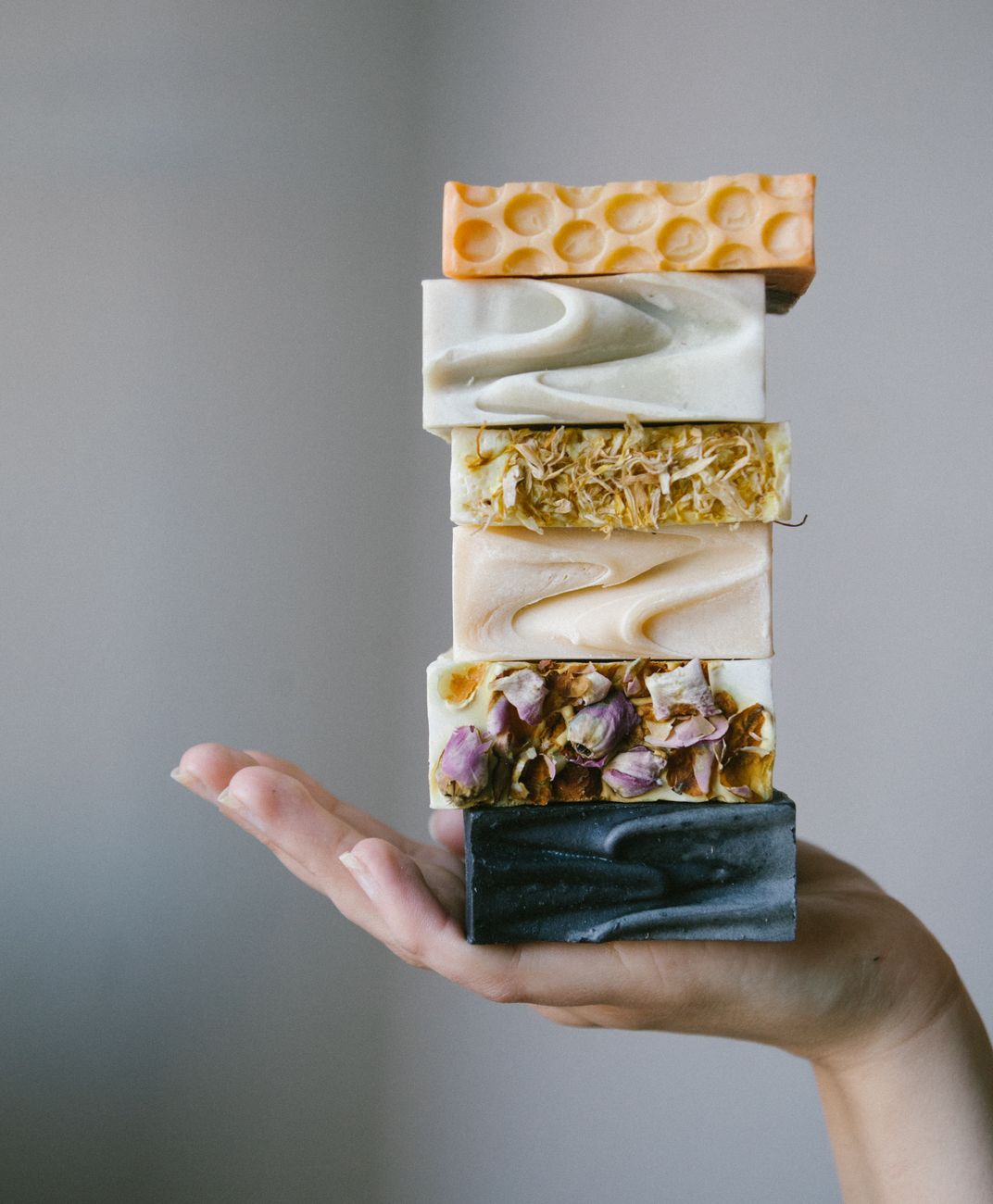
Photo by Meruyert Gonullu
How to Transition to Natural Soap
If you’ve been using conventional soap for years, there’s sometimes a brief adjustment period when switching to a well-made natural bar. Your skin has adapted to constant stripping and replenishment cycles. Give a new natural soap at least two to three weeks before evaluating whether it’s working.
A few practical pointers for the transition:
Use lukewarm rather than hot water, which strips oils regardless of soap type.
Pat dry rather than rubbing, which disrupts the moisture retained after washing.
Apply a simple moisturiser while skin is still slightly damp to seal in hydration.
Store your natural soap in a well-draining soap dish to extend its life, since natural bars soften in standing water.
Conclusion
Choosing a natural soap for dry skin isn’t complicated once you understand what ingredients to look for and why. Retained glycerin, conditioning base oils like shea butter and olive oil, and the absence of synthetic surfactants and fragrances are the characteristics that distinguish a bar that supports dry skin from one that makes it worse.
Your skin interacts with your soap every day. Getting this right is one of the simpler changes that can have a genuine cumulative effect on how your skin feels year-round.


Dry skin has a way of making everything feel like a battle. You moisturise in the morning, and by afternoon your skin feels tight again. You switch to gentler products, and some work for a while before they stop. And then there’s your soap, which you might not have thought about at all, even though it’s something you’re using on your skin every single day.
The soap you’re washing with can either be stripping the moisture barrier your skin needs or actively supporting it. The difference often comes down to what’s in it.
Why Conventional Soap Is Often the Problem
Most commercial soaps are made through a process that strips out glycerin, a natural byproduct of soap-making that is genuinely excellent for dry skin. Manufacturers remove it because glycerin is valuable for other products. The result is a soap that cleans efficiently but leaves the skin’s moisture barrier worse off after every use.
Synthetic detergent bars, which are technically not soap but are sold in the same category, often contain sodium lauryl sulfate and similar surfactants that are effective cleansers but are also known irritants that can compromise the skin barrier, particularly in people who already have dry or sensitive skin.
For people with dry skin, the bar you’re reaching for each day may be undoing what your moisturiser is trying to do.
What Natural Soap Does Differently
Natural soaps made through traditional cold or hot process methods retain their glycerin. That retained glycerin is a humectant, meaning it draws moisture to the skin rather than away from it. This single difference changes the feel of the skin after washing from tight and stripped to hydrated and comfortable.
Beyond glycerin retention, quality natural soaps are formulated with base oils and butters that have specific skin benefits. The oils used in the soap formula determine the fatty acid profile of the finished bar, which in turn determines how nourishing, lathering, and conditioning the soap is for different skin types.
The Ingredients That Make the Biggest Difference for Dry Skin
When reading ingredient labels on natural soaps, these are the ones worth understanding:
Shea butter: Rich in oleic acid and stearic acid, shea butter is deeply conditioning and anti-inflammatory. It absorbs without leaving a heavy residue and is particularly effective for skin that’s dry enough to feel rough or flaky.
Coconut oil: Creates a hard bar with excellent lather and good cleansing properties. It’s effective for most skin types but can be drying in high concentrations for very sensitive or dry skin. Well-formulated natural soaps use it in balanced proportions.
Olive oil: High in oleic acid, olive oil makes a gentle, conditioning bar that is well-tolerated by dry and sensitive skin. Castile soaps made predominantly from olive oil have been used for centuries specifically because of their gentleness.
Cocoa butter: Creates a moisturising layer on the skin and helps seal in hydration after washing. It has a heavier, more occlusive quality than shea butter, which can be beneficial for very dry skin.
Avocado oil: High in vitamins A, D, and E and in oleic acid, avocado oil is deeply penetrating and particularly useful for mature or very dry skin.
Oat extract or colloidal oatmeal: Anti-inflammatory and soothing, oat-based additions are specifically beneficial for dry skin that is also prone to irritation or sensitivity.
What to avoid: Fragrance (which can irritate dry skin), alcohol in the ingredient list, sodium lauryl sulfate, and artificial colourants. These are common in conventional bars and are among the most likely causes of skin barrier disruption.
For dry skin specifically, the detailed ingredient guidance in the resource on natural soap for dry skin explains which formulations are best suited for different levels of dryness and sensitivity.
Crate 61 Organics formulates its natural soap bars with conditioning, glycerin-retaining base oils that align with these principles, along with full ingredient transparency so customers know exactly what they are putting on their skin.
How to Transition to Natural Soap
If you’ve been using conventional soap for years, there’s sometimes a brief adjustment period when switching to a well-made natural bar. Your skin has adapted to constant stripping and replenishment cycles. Give a new natural soap at least two to three weeks before evaluating whether it’s working.
A few practical pointers for the transition:
Conclusion
Choosing a natural soap for dry skin isn’t complicated once you understand what ingredients to look for and why. Retained glycerin, conditioning base oils like shea butter and olive oil, and the absence of synthetic surfactants and fragrances are the characteristics that distinguish a bar that supports dry skin from one that makes it worse.
Your skin interacts with your soap every day. Getting this right is one of the simpler changes that can have a genuine cumulative effect on how your skin feels year-round.
Share this:
Like this: