There’s a specific kind of frustration that comes with looking in the mirror and seeing tired when you’re not. Full night of sleep, coffee in hand, ready to take on the day – and your eyes are just not keeping up. The heaviness, the hood of skin that wasn’t there a decade ago, the way your gaze has lost that open, alert quality it used to have. It’s one of those changes that’s easy to dismiss and hard to stop noticing.
Upper blepharoplasty, eyelid surgery focused on the upper lid, has quietly become one of the most requested procedures among women across Long Island and the greater New York area, and the reasons go well beyond aesthetics. Here’s why so many women are having this conversation with their surgeons, and what’s actually driving the decision.
1. The Eyes Are the First Place Aging Shows Up — and the Hardest to Disguise
Unlike a sagging jawline or fine lines around the mouth, drooping upper eyelids are almost impossible to conceal with makeup or skincare. Primer, eyeshadow, a lifted liner technique, they help to a point. But when there’s excess skin sitting on the lid, or the brow fat pad has descended enough to create a genuine hood, no product closes that gap.
That’s the practical reality that sends a lot of women toward surgery: not vanity, but the honest acknowledgment that they’ve hit the ceiling of what topical solutions can do.
Consulting a specialist for upper blepharoplasty in Long Island is usually where the picture becomes clearer because a good surgeon can assess whether the heaviness is coming from excess skin, a descended brow, or a combination of both, which directly shapes what kind of procedure will actually address it.
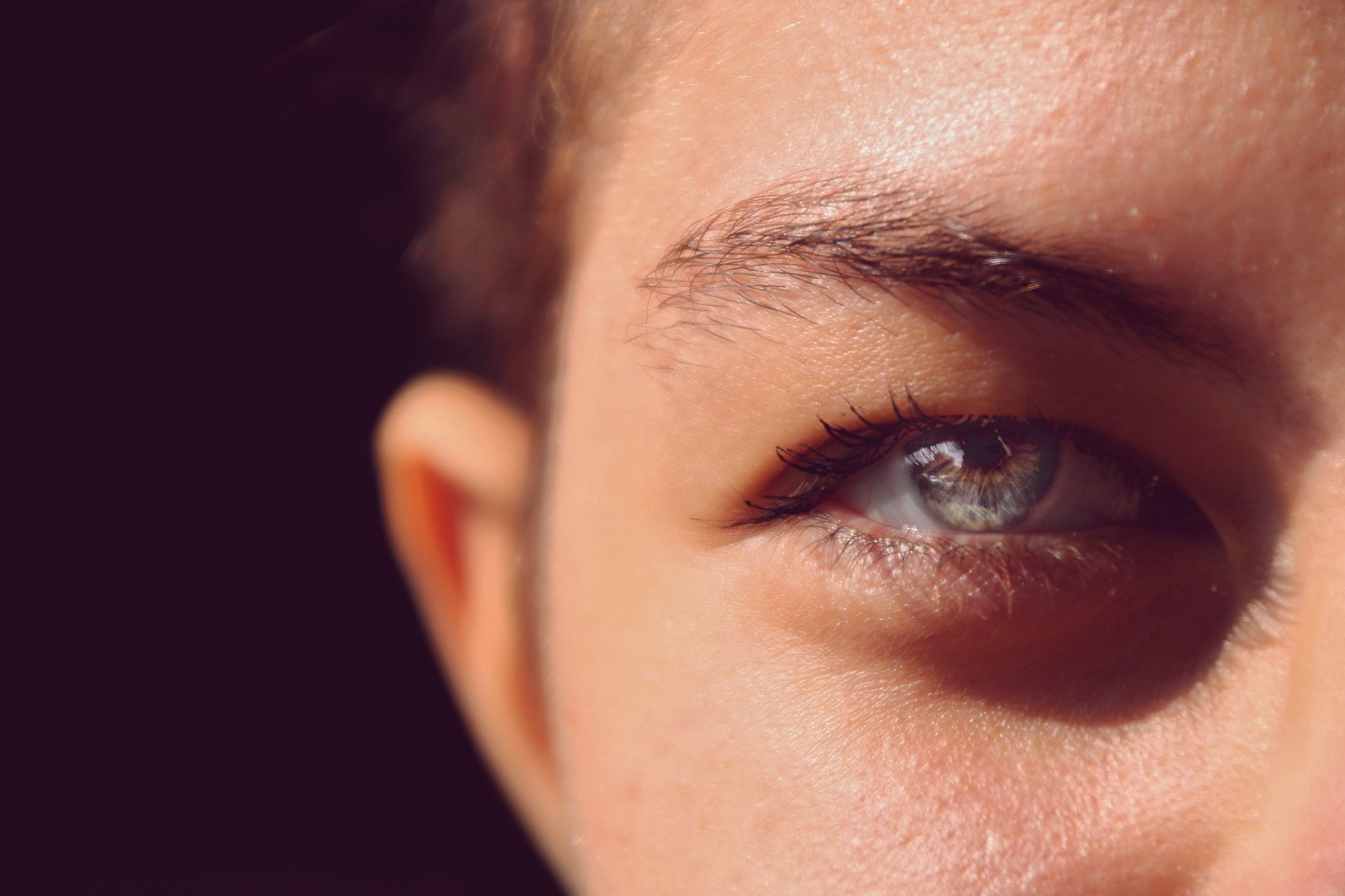
Photo by Maksim Goncharenok
2. It’s Not Always Cosmetic, Sometimes It’s Functional
This surprises a lot of people. When excess upper eyelid skin droops far enough, it can physically obstruct the upper visual field — making driving, reading, and screen work genuinely harder. Patients describe feeling like they have to consciously raise their brows just to see fully, which leads to forehead tension, headaches, and eyestrain that they’d been living with so long they didn’t connect it to their eyelids.
According to the American Academy of Ophthalmology, functional ptosis, drooping that impairs vision, is a medically recognized condition that can qualify for insurance coverage when properly documented.
Dr. David Parizh evaluates both the cosmetic and functional dimensions during consultations, because the two often overlap in ways that significantly affect the treatment plan, and in some cases, the billing.
3. The Results Look Natural When Done Well
One of the older fears around blepharoplasty was the “operated look” that wide, slightly startled appearance that came from overcorrection. Modern technique has moved well past that. The goal now is to remove precisely what’s excess and leave everything else exactly where it belongs.
When it’s done right, the result doesn’t look like surgery. It looks like you, rested, bright-eyed, and more like yourself than you’ve felt in years. People notice something is different but can’t quite place what changed. That’s usually the outcome women are aiming for: a refresh, not a reinvention.
A skilled surgeon will also factor in the relationship between the brow and the lid. If the brow is low, lifting the lid skin alone may not produce the result the patient is imagining, and a good consultation will surface before anyone gets on a table.
4. Recovery Is Shorter Than Most People Expect
Upper blepharoplasty is an outpatient procedure. Most women are back to desk work within a week, with bruising and swelling that’s typically manageable with cold compresses and a bit of patience. By two weeks, most patients feel comfortable going out in public. The incisions are placed in the natural crease of the eyelid, so scars are discreet and fade well over time.
Compare that to more involved facial procedures, and the math tends to work in blepharoplasty’s favor for women who want meaningful results without a long recovery window. It’s one of the more practical procedures for people who can’t take extended time away from their lives.
5. Women Are Having This Conversation Earlier Than Before
There’s been a shift in the typical age of patients seeking blepharoplasty. While the procedure has historically skewed toward women in their 50s and 60s, consultations are increasingly coming from women in their late 30s and early 40s, people who are catching things before they become more pronounced.
Part of this is generational: younger women today are more informed about their options, less stigmatized about discussing cosmetic procedures, and more likely to view maintenance as preventive rather than reactive. Part of it is also practical: earlier intervention typically means less tissue to address, which can mean a more straightforward procedure and a more natural result.
6. Choosing the Right Surgeon Makes All the Difference
The eyelid is a uniquely unforgiving area to operate on. The margin for error is small, the anatomy is complex, and the results are literally front and center on your face. This is not a procedure to shop for on price.
Look for a surgeon who is board-certified in plastic surgery or ophthalmology with a specific focus on the periorbital area. Ask to see a range of before-and-after photos, not just the best cases, but representative ones. Pay attention to whether the results look like a natural refresh or something more dramatic than what you’re after.
Dr. David Parizh brings a precise, anatomy-first approach to every blepharoplasty consultation, evaluating each patient’s unique lid anatomy, skin quality, and aesthetic goals before outlining a surgical plan. The conversation is always about what’s right for that specific face, not a standardized technique applied across the board.
Conclusion
Upper blepharoplasty has earned its growing popularity for straightforward reasons: it addresses a real, visible change that affects how women feel about their appearance every single day, the results look natural when done well, and the recovery is genuinely manageable. It’s not a dramatic overhaul, it’s a targeted correction that happens to make a significant difference.
If you’ve been putting this conversation off, consider booking a consultation just to gather real information. You might find that the path forward is simpler, the recovery shorter, and the results more natural-looking than you imagined. Knowing your options is always worth it.


There’s a specific kind of frustration that comes with looking in the mirror and seeing tired when you’re not. Full night of sleep, coffee in hand, ready to take on the day – and your eyes are just not keeping up. The heaviness, the hood of skin that wasn’t there a decade ago, the way your gaze has lost that open, alert quality it used to have. It’s one of those changes that’s easy to dismiss and hard to stop noticing.
Upper blepharoplasty, eyelid surgery focused on the upper lid, has quietly become one of the most requested procedures among women across Long Island and the greater New York area, and the reasons go well beyond aesthetics. Here’s why so many women are having this conversation with their surgeons, and what’s actually driving the decision.
1. The Eyes Are the First Place Aging Shows Up — and the Hardest to Disguise
Unlike a sagging jawline or fine lines around the mouth, drooping upper eyelids are almost impossible to conceal with makeup or skincare. Primer, eyeshadow, a lifted liner technique, they help to a point. But when there’s excess skin sitting on the lid, or the brow fat pad has descended enough to create a genuine hood, no product closes that gap.
That’s the practical reality that sends a lot of women toward surgery: not vanity, but the honest acknowledgment that they’ve hit the ceiling of what topical solutions can do.
Consulting a specialist for upper blepharoplasty in Long Island is usually where the picture becomes clearer because a good surgeon can assess whether the heaviness is coming from excess skin, a descended brow, or a combination of both, which directly shapes what kind of procedure will actually address it.
2. It’s Not Always Cosmetic, Sometimes It’s Functional
This surprises a lot of people. When excess upper eyelid skin droops far enough, it can physically obstruct the upper visual field — making driving, reading, and screen work genuinely harder. Patients describe feeling like they have to consciously raise their brows just to see fully, which leads to forehead tension, headaches, and eyestrain that they’d been living with so long they didn’t connect it to their eyelids.
According to the American Academy of Ophthalmology, functional ptosis, drooping that impairs vision, is a medically recognized condition that can qualify for insurance coverage when properly documented.
Dr. David Parizh evaluates both the cosmetic and functional dimensions during consultations, because the two often overlap in ways that significantly affect the treatment plan, and in some cases, the billing.
3. The Results Look Natural When Done Well
One of the older fears around blepharoplasty was the “operated look” that wide, slightly startled appearance that came from overcorrection. Modern technique has moved well past that. The goal now is to remove precisely what’s excess and leave everything else exactly where it belongs.
When it’s done right, the result doesn’t look like surgery. It looks like you, rested, bright-eyed, and more like yourself than you’ve felt in years. People notice something is different but can’t quite place what changed. That’s usually the outcome women are aiming for: a refresh, not a reinvention.
A skilled surgeon will also factor in the relationship between the brow and the lid. If the brow is low, lifting the lid skin alone may not produce the result the patient is imagining, and a good consultation will surface before anyone gets on a table.
4. Recovery Is Shorter Than Most People Expect
Upper blepharoplasty is an outpatient procedure. Most women are back to desk work within a week, with bruising and swelling that’s typically manageable with cold compresses and a bit of patience. By two weeks, most patients feel comfortable going out in public. The incisions are placed in the natural crease of the eyelid, so scars are discreet and fade well over time.
Compare that to more involved facial procedures, and the math tends to work in blepharoplasty’s favor for women who want meaningful results without a long recovery window. It’s one of the more practical procedures for people who can’t take extended time away from their lives.
5. Women Are Having This Conversation Earlier Than Before
There’s been a shift in the typical age of patients seeking blepharoplasty. While the procedure has historically skewed toward women in their 50s and 60s, consultations are increasingly coming from women in their late 30s and early 40s, people who are catching things before they become more pronounced.
Part of this is generational: younger women today are more informed about their options, less stigmatized about discussing cosmetic procedures, and more likely to view maintenance as preventive rather than reactive. Part of it is also practical: earlier intervention typically means less tissue to address, which can mean a more straightforward procedure and a more natural result.
6. Choosing the Right Surgeon Makes All the Difference
The eyelid is a uniquely unforgiving area to operate on. The margin for error is small, the anatomy is complex, and the results are literally front and center on your face. This is not a procedure to shop for on price.
Look for a surgeon who is board-certified in plastic surgery or ophthalmology with a specific focus on the periorbital area. Ask to see a range of before-and-after photos, not just the best cases, but representative ones. Pay attention to whether the results look like a natural refresh or something more dramatic than what you’re after.
Dr. David Parizh brings a precise, anatomy-first approach to every blepharoplasty consultation, evaluating each patient’s unique lid anatomy, skin quality, and aesthetic goals before outlining a surgical plan. The conversation is always about what’s right for that specific face, not a standardized technique applied across the board.
Conclusion
Upper blepharoplasty has earned its growing popularity for straightforward reasons: it addresses a real, visible change that affects how women feel about their appearance every single day, the results look natural when done well, and the recovery is genuinely manageable. It’s not a dramatic overhaul, it’s a targeted correction that happens to make a significant difference.
If you’ve been putting this conversation off, consider booking a consultation just to gather real information. You might find that the path forward is simpler, the recovery shorter, and the results more natural-looking than you imagined. Knowing your options is always worth it.
Share this:
Like this: