Some places that impress you immediately, and others that stay with you long after you have returned home. Oman manages to do both. One moment, you might be wandering through a centuries-old souq scented with frankincense and spices. A few hours later, you could be driving between rugged mountains, swimming in a turquoise wadi or watching the sun set over a seemingly endless sea of desert dunes.
On the southeastern edge of the Arabian Peninsula, Oman offers a captivating combination of natural beauty, living traditions and extraordinary landscapes. Its capital, Muscat, pairs contemporary comforts with historic waterfront neighbourhoods. Inland, mud-brick villages and imposing forts reveal the ingenuity of communities that have flourished in an arid environment. Along the coast, fishing towns and secluded beaches tell a story shaped by the sea, while the southern Dhofar region turns unexpectedly green during the summer monsoon.
What makes Oman especially appealing is that its experiences feel connected to the country itself. A traditional coffee ceremony is more than a welcome drink. A market visit offers a glimpse of everyday commerce. An ancient irrigation channel tells a story of cooperation and survival. The scenery is spectacular, certainly, but the cultural details are what make a journey here genuinely rewarding.
For travellers looking for a destination that combines adventure, food, heritage and a slower pace of discovery, Oman deserves a place near the top of the list.
Why Visit Oman?
Oman is one of the most geographically varied destinations on the Arabian Peninsula. Within a single itinerary, travellers can explore historic cities, walk through mountain villages, sleep in the desert, discover dramatic coastal scenery and sample a food culture shaped by centuries of trade.
Its maritime history connects the country with India, East Africa and the wider Indian Ocean. Frankincense, dates, silverwork, fishing and seafaring have all played important roles in its cultural and economic life. These influences can still be seen in traditional markets, architecture, regional dishes and local craftsmanship.
Nature is another compelling reason to visit. The Al Hajar Mountains rise across northern Oman, the Sharqiyah Sands create a landscape of rolling dunes, and wadis cut through rocky terrain to reveal pools and pockets of greenery. In the south, Salalah and the surrounding Dhofar region experience the seasonal khareef, when mist and rain transform the landscape.
Oman is particularly suited to travellers who enjoy exploring independently but appreciate the comfort of a well-planned trip. It can be adventurous without requiring every day to be physically demanding, and luxurious without losing its connection to local culture.
If you enjoy destinations where dramatic landscapes meet an absorbing cultural history, our Jordan travel guide offers inspiration for another memorable journey through the Middle East.
Discover Muscat, Oman’s Coastal Capital
Muscat is the ideal introduction to Oman. Set between the Gulf of Oman and the rugged Hajar Mountains, the capital has a distinctive character shaped by its coastline, traditional architecture and historic trading connections. Rather than concentrating everything into a single central district, the city unfolds across different neighbourhoods, each offering something worth exploring.
Begin with the Sultan Qaboos Grand Mosque, one of the country’s most recognisable religious and architectural landmarks. Its scale, intricate decorative details and carefully designed spaces make it an impressive place to understand Oman’s contemporary religious life and architectural traditions. Non-Muslim visitors should check the latest visitor hours and dress requirements before arriving.
The National Museum provides valuable context for the rest of the trip, with collections exploring Oman’s history, maritime connections, crafts and cultural heritage. It is especially worthwhile before travelling inland to explore the country’s forts and historic settlements.
For a different cultural experience, check the programme at the Royal Opera House Muscat. The institution hosts performances and events that bring international and regional artists to the capital, offering a reminder that Oman’s cultural life extends well beyond its historic landmarks.
Wander Through Mutrah Souq
Few experiences capture Muscat’s atmosphere quite like an unhurried visit to Mutrah Souq. The covered lanes are lined with shops selling frankincense, perfumes, spices, textiles, silver jewellery and traditional handicrafts. The market is busy and colourful, but its appeal lies in the details: the scent of incense, the gleam of silver, the intricate patterns of fabrics and the conversations unfolding between sellers and customers.
Take your time rather than treating the souq as a quick shopping stop. Ask about the products you find interesting and look for items made by local craftspeople. If you plan to buy frankincense, learn a little about its origins and choose a reputable seller.
Afterwards, walk along Mutrah Corniche. Traditional boats, the harbour and the surrounding hills create an especially beautiful setting in the late afternoon, when the light softens and the waterfront becomes a natural place to pause.
Explore Oman’s Forts and Historic Towns
Oman’s forts are among its most distinctive landmarks, but their significance goes beyond their impressive walls and towers. They reflect the country’s history of regional leadership, trade, settlement and the protection of valuable resources.
Nizwa is an excellent starting point for exploring the interior. Once an important centre of learning and commerce, the city remains one of Oman’s most compelling historic destinations. Its seventeenth-century fort is recognised for its enormous circular tower and sophisticated defensive design. Inside, visitors can explore passages, rooms and displays that reveal how the structure functioned as both a stronghold and a centre of local administration.
The nearby Nizwa Souq makes a natural companion to the visit. Browse stalls selling dates, spices, pottery, silverwork and other local products. Friday mornings are particularly associated with the traditional livestock market, although visitors should check current arrangements and arrive early if they want to experience it.
Bahla Fort offers another perspective on Oman’s architectural heritage. Recognised by UNESCO, the fortified oasis settlement features mud-brick walls and towers associated with the Banu Nebhan dynasty, which dominated the region from the twelfth to the late fifteenth century. Its surrounding settlement and historic water systems help explain how communities established and maintained life in an arid landscape.
Jabreen Castle is also worth considering for its decorative interiors and historical associations with learning and governance. If you plan to visit several heritage sites, check opening arrangements and allow enough time to appreciate them rather than rushing from one to the next.
One of the most fascinating aspects of Oman’s historic settlements is their relationship with water. The country’s traditional aflaj irrigation systems channel water from sources such as springs and underground supplies to farms and settlements, using gravity to move it through carefully designed networks. UNESCO recognises five representative aflaj systems as a World Heritage property, reflecting a tradition of engineering and community water management that remains relevant today.
These are not simply relics of the past. They help tell the story of how people adapted to limited water supplies, cultivated date palms and other produce, and built communities around shared resources.
Find a Different Perspective in the Hajar Mountains
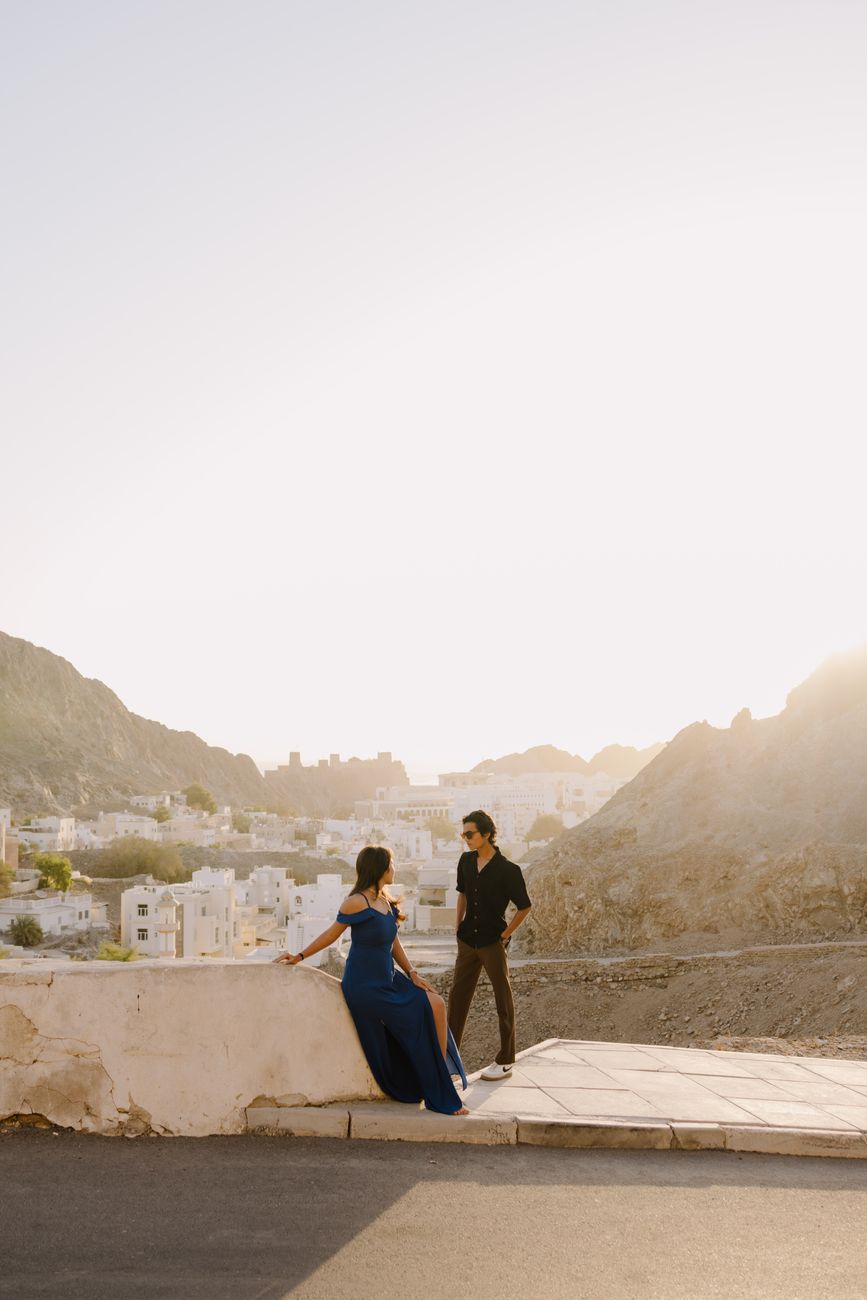
After the cities and forts, Oman’s mountains offer a welcome change of pace. The Al Hajar range is defined by rugged peaks, steep ravines, rocky plateaus and villages that appear to grow directly from the landscape.
Photo by AJ Ahamad
Jebel Akhdar, or the Green Mountain, is particularly appealing for its terraced orchards and cooler highland setting. Depending on the season, the area is associated with pomegranates, apricots, roses and other crops. Walking between villages provides a closer look at traditional farming practices and the irrigation systems that have sustained agriculture in challenging conditions.
The landscape is as interesting as the views. Stone paths connect settlements, terraces follow the contours of the slopes, and small agricultural plots demonstrate how carefully communities have worked with the available land and water.
Jebel Shams offers a more dramatic mountain experience. Known for its sweeping canyon views, it is a favourite with hikers and photographers. The Balcony Walk near Wadi Ghul follows a spectacular route along the canyon, but visitors should assess the trail carefully, wear suitable footwear and carry enough water. Mountain weather and terrain can be unforgiving, particularly for inexperienced walkers.
Certain mountain roads and access points require a suitable four-wheel-drive vehicle. Confirm the requirements for your route and accommodation before setting off, and avoid assuming that every mountain destination can be reached in a standard rental car.
Consider staying overnight in the mountains. The quieter evening atmosphere, cooler air and changing colours across the rocky landscape are reasons enough to slow the itinerary down.
Spend a Night Among the Desert Dunes
The Sharqiyah Sands, historically known as Wahiba Sands, is one of Oman’s most memorable landscapes. Its rolling dunes shift in colour as the light changes, from pale gold in the morning to rich amber and burnt orange around sunset.
A guided four-wheel-drive excursion is a popular way to explore the dunes. Experienced local drivers understand how the sand behaves and can navigate the terrain more safely than visitors unfamiliar with desert driving. If you want to try dune bashing, confirm what is included in your excursion and choose an operator with a responsible approach to the environment.
Overnight desert camps range from relatively simple tents to comfortable glamping-style accommodation. Many offer traditional meals, sunset viewpoints and opportunities for stargazing. Check the facilities carefully before booking, particularly if you need private bathrooms, air conditioning or other specific comforts.
The highlight is often the simplest part of the experience. Watch the sun disappear beyond the dunes, enjoy a meal outdoors and take time to look at the night sky. Away from city lights, the desert can feel remarkably still.
For a more remote desert experience in southern Oman, the Omani section of the Rub’ al Khali, or Empty Quarter, offers an immense sea of sand. This is a more specialised excursion and should be arranged with experienced operators who understand the distances, terrain and equipment required.
Whichever desert you choose, respect the landscape. Avoid leaving rubbish behind, do not disturb wildlife and follow local guidance about driving routes and camp locations.
Swim in Wadis and Explore the Coast
Oman’s coastline and inland waterways provide some of the country’s most beautiful outdoor experiences. The word wadi is used for a valley or watercourse, and some wadis contain clear pools framed by limestone cliffs, palms and rocky walking trails.
Wadi Shab is one of the best-known examples. The visit begins with a short boat crossing, followed by a walk through a dramatic valley. Reaching the further pools involves more demanding terrain, and exploring the hidden grotto requires swimming through water. Comfortable walking shoes or suitable water-resistant footwear, sun protection and plenty of drinking water are essential. Only attempt the swimming sections if you are confident in your ability and conditions are safe.
Wadi Bani Khalid is another popular destination, known for its pools and rocky scenery. Conditions can change quickly after heavy rain, so check local advice before travelling to any wadi and never enter a watercourse when flooding is possible.
Bimmah Sinkhole offers a different kind of natural attraction. This water-filled geological feature is surrounded by pale rock and makes a convenient stop on a coastal drive. Follow local rules about swimming and access.
Further along the coast, Sur has a strong maritime identity and traditional dhow-building connections. It is a worthwhile stop for travellers interested in Oman’s relationship with the sea, particularly when combined with a journey towards the eastern coast.
Ras Al Jinz is known for its green turtle reserve and nesting beaches. Guided visits offer an opportunity to learn about turtle conservation, but sightings are not guaranteed. Follow the reserve’s instructions carefully, avoid using unauthorised lights or approaching wildlife, and book an official experience if you wish to visit.
The coast is best enjoyed without trying to see everything in a single day. Choose a few stops, allow time for the drive and leave room for a long lunch or a quiet beach break.
Discover Oman’s Food and Coffee Culture
Oman’s food reflects its geography and history. Rice, meat, seafood, dates and aromatic spices feature prominently, while centuries of trade have brought influences from across the Indian Ocean into local kitchens.
Shuwa is one of the country’s best-known celebratory dishes. Traditionally, marinated meat is wrapped and slow-cooked in an underground pit for an extended period. It is associated with family gatherings and special occasions, so finding it may depend on the restaurant, region or time of year.
Majboos is another dish worth seeking out. Made with spiced rice and usually served with meat or seafood, it varies according to local and family recipes. Along the coast, look for freshly prepared fish and other seafood, asking what is locally available rather than assuming every menu will be the same.
Dates are central to Omani hospitality. They are often offered to guests alongside kahwa, a lightly spiced traditional coffee that commonly includes cardamom. Accepting this small gesture is a lovely way to experience the country’s culture of welcome.
Frankincense also has an important place in Oman’s culinary and cultural story, particularly in Dhofar, historically associated with its production and trade. The resin is commonly burned for its fragrance and sold in traditional markets. Its history connects Oman to ancient trading routes that extended across Arabia and beyond.
For travellers who enjoy discovering a destination through its food, our New Orleans food tour guide explores another place where local dishes reveal a deeper story about history, identity and everyday life.
Where to Stay in Oman
The right base depends on the kind of journey you want. Muscat offers the broadest choice of city hotels, beachfront resorts and accommodation near restaurants and cultural attractions. It is a practical starting point for first-time visitors and for anyone who wants to combine sightseeing with comfortable evenings.
In the interior, Nizwa is a useful base for forts, souqs and nearby historic settlements. Mountain accommodation around Jebel Akhdar or Jebel Shams offers a more immersive experience, with scenery and outdoor activities close at hand.
A desert camp in the Sharqiyah Sands can be the highlight of a trip, while coastal stays provide more time for beaches and maritime towns. In Salalah, accommodation ranges from city hotels to resorts near the coast.
When choosing where to stay, consider driving times, road access, meal arrangements and whether transfers or excursions are included. Remote accommodation can be extraordinary, but it requires more planning than a city hotel. Book ahead during popular travel periods and check cancellation policies before committing to a stay far from major towns.
When Is the Best Time to Visit Oman?
For much of northern Oman, the cooler months from October to March are generally the most comfortable for sightseeing, hiking, desert excursions and coastal travel. Conditions vary by altitude and region, so check local forecasts before planning outdoor activities.
Summer heat can be intense across many lowland areas. If travelling during the warmer months, plan walks for early morning, carry sufficient water and take heat safety seriously.
Southern Oman has a distinctive seasonal pattern. In Dhofar, the khareef generally runs from June to September, bringing mist, light rain and greener landscapes to the mountains and plains around Salalah. It is a very different experience from the dry, sunny conditions found across much of the country at the same time. The season can also attract more visitors, so book accommodation in advance.
If you are hoping to combine the north and south in one trip, remember that Oman is a large country. Consider flying between Muscat and Salalah if time is limited rather than attempting to cover every region by road.
How to Spend Seven Days in Oman
A week offers a rewarding introduction to the country, provided you keep the itinerary realistic.
Days 1 and 2: Muscat
Visit the Grand Mosque, National Museum and Mutrah Souq. Walk along the corniche, enjoy local food and leave time to explore the waterfront at a relaxed pace.
Day 3: Wadi Shab and the eastern coast
Travel towards Wadi Shab for a walk and, if conditions and your abilities allow, a swim. Allow extra time for the journey and consider staying overnight in the coastal region.
Day 4: Sur and Ras Al Jinz
Explore Sur’s maritime heritage before continuing towards Ras Al Jinz. Book a guided turtle-watching experience in advance and follow the reserve’s conservation rules.
Day 5: Sharqiyah Sands
Head inland for a guided desert excursion and an overnight stay among the dunes. Enjoy the sunset and give yourself time to experience the desert after dark.
Day 6: Nizwa
Travel to Nizwa to explore its fort and souq. If time allows, visit another historic site nearby, but avoid overloading the day with too many stops.
Day 7: Return to Muscat
Allow sufficient time for the drive back and any final sightseeing before departure. If mountain scenery is a priority, add extra days for Jebel Akhdar or Jebel Shams rather than trying to fit everything into the same week.
With ten days or longer, consider exploring the mountains more deeply or taking a separate trip to Salalah and Dhofar. The slower you travel, the more room you have for the unexpected discoveries that often become the best memories.
Practical Tips for Travelling in Oman
Dress respectfully. Lightweight clothing that covers the shoulders and knees is a useful choice in public places. Mosques have specific requirements, so check the current guidance before visiting.
Plan transport in advance. A rental car is useful for many routes, but certain mountain roads and desert excursions require a suitable four-wheel-drive vehicle. Guided tours can be a safer and more convenient option for challenging terrain.
Check visa requirements. Entry rules depend on your nationality and travel circumstances. Use official Omani government or Royal Oman Police eVisa information before booking, and confirm passport-validity requirements.
Respect local customs. Ask permission before photographing people, follow guidance at religious and cultural sites, and be mindful of local practices during Ramadan.
Prepare for outdoor activities. Carry water, sun protection and suitable footwear. Check weather conditions before hiking, swimming in wadis or travelling through remote areas.
Choose responsible experiences. Support local guides and businesses where possible, respect wildlife and leave natural areas as you found them.
Frequently Asked Questions About Oman
How many days should you spend in Oman?
Seven days is a useful starting point for Muscat, the eastern coast, the desert and Nizwa. Ten days or more allows time for mountain stays or a separate visit to Salalah.
What is Oman best known for?
Oman is known for its historic forts, traditional souqs, frankincense heritage, desert dunes, rugged mountains, wadis, coastal scenery and hospitality.
Is Oman suitable for a road trip?
Yes. Road travel is a rewarding way to experience the country’s varied landscapes. Some routes require a suitable four-wheel-drive vehicle, so check access and road conditions before setting out.
What food should you try in Oman?
Try shuwa, majboos, fresh seafood, dates and Omani kahwa. Availability varies by region and restaurant, so ask about local specialities.
Can you swim in Oman’s wadis?
Swimming is possible in some wadis, but access and conditions vary. Check local advice, avoid wadis when rain or flash flooding is possible, and only attempt swimming routes that match your ability.
Is Oman a good destination for families?
Yes. Families can combine museums, forts, beaches, nature and desert stays. Choose activities suitable for children’s ages and allow extra time for driving and outdoor breaks.
When is the best time to visit Salalah?
The khareef season, generally from June to September, brings mist and greener landscapes to Dhofar. October to May offers a different experience, often better suited to beach days and exploring in drier conditions.
The Wrap
Oman is a destination that rewards curiosity. Its mountains, deserts and coastline are extraordinary, but its real character emerges in the connections between landscape and daily life: the irrigation channels that sustain orchards, the markets that bring communities together, the forts that overlook historic settlements and the coffee offered in welcome.
Give Muscat time to reveal its quieter corners, travel inland for the country’s architectural heritage and spend at least one night somewhere the stars feel close enough to touch. If your schedule allows, venture beyond the familiar northern route to discover the seasonal landscapes and frankincense heritage of Dhofar.
Oman is not a destination that needs to be hurried. Come for the scenery, stay for the culture and food, and leave space for the small discoveries that make a journey feel personal.
Where to Next?
If Oman has inspired you to explore more destinations shaped by ancient history and dramatic landscapes, continue with our Jordan travel guide. From desert scenery to remarkable historic sites, Jordan offers another memorable journey through the Middle East.
For a European escape filled with alpine lakes, mountain views and picturesque villages, discover our Ultimate Slovenia Travel Guide. It is a beautiful option for travellers who love outdoor adventures balanced with culture and local food.


Some places that impress you immediately, and others that stay with you long after you have returned home. Oman manages to do both. One moment, you might be wandering through a centuries-old souq scented with frankincense and spices. A few hours later, you could be driving between rugged mountains, swimming in a turquoise wadi or watching the sun set over a seemingly endless sea of desert dunes.
On the southeastern edge of the Arabian Peninsula, Oman offers a captivating combination of natural beauty, living traditions and extraordinary landscapes. Its capital, Muscat, pairs contemporary comforts with historic waterfront neighbourhoods. Inland, mud-brick villages and imposing forts reveal the ingenuity of communities that have flourished in an arid environment. Along the coast, fishing towns and secluded beaches tell a story shaped by the sea, while the southern Dhofar region turns unexpectedly green during the summer monsoon.
What makes Oman especially appealing is that its experiences feel connected to the country itself. A traditional coffee ceremony is more than a welcome drink. A market visit offers a glimpse of everyday commerce. An ancient irrigation channel tells a story of cooperation and survival. The scenery is spectacular, certainly, but the cultural details are what make a journey here genuinely rewarding.
For travellers looking for a destination that combines adventure, food, heritage and a slower pace of discovery, Oman deserves a place near the top of the list.
Why Visit Oman?
Oman is one of the most geographically varied destinations on the Arabian Peninsula. Within a single itinerary, travellers can explore historic cities, walk through mountain villages, sleep in the desert, discover dramatic coastal scenery and sample a food culture shaped by centuries of trade.
Its maritime history connects the country with India, East Africa and the wider Indian Ocean. Frankincense, dates, silverwork, fishing and seafaring have all played important roles in its cultural and economic life. These influences can still be seen in traditional markets, architecture, regional dishes and local craftsmanship.
Nature is another compelling reason to visit. The Al Hajar Mountains rise across northern Oman, the Sharqiyah Sands create a landscape of rolling dunes, and wadis cut through rocky terrain to reveal pools and pockets of greenery. In the south, Salalah and the surrounding Dhofar region experience the seasonal khareef, when mist and rain transform the landscape.
Oman is particularly suited to travellers who enjoy exploring independently but appreciate the comfort of a well-planned trip. It can be adventurous without requiring every day to be physically demanding, and luxurious without losing its connection to local culture.
If you enjoy destinations where dramatic landscapes meet an absorbing cultural history, our Jordan travel guide offers inspiration for another memorable journey through the Middle East.
Discover Muscat, Oman’s Coastal Capital
Muscat is the ideal introduction to Oman. Set between the Gulf of Oman and the rugged Hajar Mountains, the capital has a distinctive character shaped by its coastline, traditional architecture and historic trading connections. Rather than concentrating everything into a single central district, the city unfolds across different neighbourhoods, each offering something worth exploring.
Begin with the Sultan Qaboos Grand Mosque, one of the country’s most recognisable religious and architectural landmarks. Its scale, intricate decorative details and carefully designed spaces make it an impressive place to understand Oman’s contemporary religious life and architectural traditions. Non-Muslim visitors should check the latest visitor hours and dress requirements before arriving.
The National Museum provides valuable context for the rest of the trip, with collections exploring Oman’s history, maritime connections, crafts and cultural heritage. It is especially worthwhile before travelling inland to explore the country’s forts and historic settlements.
For a different cultural experience, check the programme at the Royal Opera House Muscat. The institution hosts performances and events that bring international and regional artists to the capital, offering a reminder that Oman’s cultural life extends well beyond its historic landmarks.
Wander Through Mutrah Souq
Few experiences capture Muscat’s atmosphere quite like an unhurried visit to Mutrah Souq. The covered lanes are lined with shops selling frankincense, perfumes, spices, textiles, silver jewellery and traditional handicrafts. The market is busy and colourful, but its appeal lies in the details: the scent of incense, the gleam of silver, the intricate patterns of fabrics and the conversations unfolding between sellers and customers.
Take your time rather than treating the souq as a quick shopping stop. Ask about the products you find interesting and look for items made by local craftspeople. If you plan to buy frankincense, learn a little about its origins and choose a reputable seller.
Afterwards, walk along Mutrah Corniche. Traditional boats, the harbour and the surrounding hills create an especially beautiful setting in the late afternoon, when the light softens and the waterfront becomes a natural place to pause.
Explore Oman’s Forts and Historic Towns
Oman’s forts are among its most distinctive landmarks, but their significance goes beyond their impressive walls and towers. They reflect the country’s history of regional leadership, trade, settlement and the protection of valuable resources.
Nizwa is an excellent starting point for exploring the interior. Once an important centre of learning and commerce, the city remains one of Oman’s most compelling historic destinations. Its seventeenth-century fort is recognised for its enormous circular tower and sophisticated defensive design. Inside, visitors can explore passages, rooms and displays that reveal how the structure functioned as both a stronghold and a centre of local administration.
The nearby Nizwa Souq makes a natural companion to the visit. Browse stalls selling dates, spices, pottery, silverwork and other local products. Friday mornings are particularly associated with the traditional livestock market, although visitors should check current arrangements and arrive early if they want to experience it.
Bahla Fort offers another perspective on Oman’s architectural heritage. Recognised by UNESCO, the fortified oasis settlement features mud-brick walls and towers associated with the Banu Nebhan dynasty, which dominated the region from the twelfth to the late fifteenth century. Its surrounding settlement and historic water systems help explain how communities established and maintained life in an arid landscape.
Jabreen Castle is also worth considering for its decorative interiors and historical associations with learning and governance. If you plan to visit several heritage sites, check opening arrangements and allow enough time to appreciate them rather than rushing from one to the next.
One of the most fascinating aspects of Oman’s historic settlements is their relationship with water. The country’s traditional aflaj irrigation systems channel water from sources such as springs and underground supplies to farms and settlements, using gravity to move it through carefully designed networks. UNESCO recognises five representative aflaj systems as a World Heritage property, reflecting a tradition of engineering and community water management that remains relevant today.
These are not simply relics of the past. They help tell the story of how people adapted to limited water supplies, cultivated date palms and other produce, and built communities around shared resources.
Find a Different Perspective in the Hajar Mountains
After the cities and forts, Oman’s mountains offer a welcome change of pace. The Al Hajar range is defined by rugged peaks, steep ravines, rocky plateaus and villages that appear to grow directly from the landscape.
Jebel Akhdar, or the Green Mountain, is particularly appealing for its terraced orchards and cooler highland setting. Depending on the season, the area is associated with pomegranates, apricots, roses and other crops. Walking between villages provides a closer look at traditional farming practices and the irrigation systems that have sustained agriculture in challenging conditions.
The landscape is as interesting as the views. Stone paths connect settlements, terraces follow the contours of the slopes, and small agricultural plots demonstrate how carefully communities have worked with the available land and water.
Jebel Shams offers a more dramatic mountain experience. Known for its sweeping canyon views, it is a favourite with hikers and photographers. The Balcony Walk near Wadi Ghul follows a spectacular route along the canyon, but visitors should assess the trail carefully, wear suitable footwear and carry enough water. Mountain weather and terrain can be unforgiving, particularly for inexperienced walkers.
Certain mountain roads and access points require a suitable four-wheel-drive vehicle. Confirm the requirements for your route and accommodation before setting off, and avoid assuming that every mountain destination can be reached in a standard rental car.
Consider staying overnight in the mountains. The quieter evening atmosphere, cooler air and changing colours across the rocky landscape are reasons enough to slow the itinerary down.
Spend a Night Among the Desert Dunes
The Sharqiyah Sands, historically known as Wahiba Sands, is one of Oman’s most memorable landscapes. Its rolling dunes shift in colour as the light changes, from pale gold in the morning to rich amber and burnt orange around sunset.
A guided four-wheel-drive excursion is a popular way to explore the dunes. Experienced local drivers understand how the sand behaves and can navigate the terrain more safely than visitors unfamiliar with desert driving. If you want to try dune bashing, confirm what is included in your excursion and choose an operator with a responsible approach to the environment.
Overnight desert camps range from relatively simple tents to comfortable glamping-style accommodation. Many offer traditional meals, sunset viewpoints and opportunities for stargazing. Check the facilities carefully before booking, particularly if you need private bathrooms, air conditioning or other specific comforts.
The highlight is often the simplest part of the experience. Watch the sun disappear beyond the dunes, enjoy a meal outdoors and take time to look at the night sky. Away from city lights, the desert can feel remarkably still.
For a more remote desert experience in southern Oman, the Omani section of the Rub’ al Khali, or Empty Quarter, offers an immense sea of sand. This is a more specialised excursion and should be arranged with experienced operators who understand the distances, terrain and equipment required.
Whichever desert you choose, respect the landscape. Avoid leaving rubbish behind, do not disturb wildlife and follow local guidance about driving routes and camp locations.
Swim in Wadis and Explore the Coast
Oman’s coastline and inland waterways provide some of the country’s most beautiful outdoor experiences. The word wadi is used for a valley or watercourse, and some wadis contain clear pools framed by limestone cliffs, palms and rocky walking trails.
Wadi Shab is one of the best-known examples. The visit begins with a short boat crossing, followed by a walk through a dramatic valley. Reaching the further pools involves more demanding terrain, and exploring the hidden grotto requires swimming through water. Comfortable walking shoes or suitable water-resistant footwear, sun protection and plenty of drinking water are essential. Only attempt the swimming sections if you are confident in your ability and conditions are safe.
Wadi Bani Khalid is another popular destination, known for its pools and rocky scenery. Conditions can change quickly after heavy rain, so check local advice before travelling to any wadi and never enter a watercourse when flooding is possible.
Bimmah Sinkhole offers a different kind of natural attraction. This water-filled geological feature is surrounded by pale rock and makes a convenient stop on a coastal drive. Follow local rules about swimming and access.
Further along the coast, Sur has a strong maritime identity and traditional dhow-building connections. It is a worthwhile stop for travellers interested in Oman’s relationship with the sea, particularly when combined with a journey towards the eastern coast.
Ras Al Jinz is known for its green turtle reserve and nesting beaches. Guided visits offer an opportunity to learn about turtle conservation, but sightings are not guaranteed. Follow the reserve’s instructions carefully, avoid using unauthorised lights or approaching wildlife, and book an official experience if you wish to visit.
The coast is best enjoyed without trying to see everything in a single day. Choose a few stops, allow time for the drive and leave room for a long lunch or a quiet beach break.
Discover Oman’s Food and Coffee Culture
Oman’s food reflects its geography and history. Rice, meat, seafood, dates and aromatic spices feature prominently, while centuries of trade have brought influences from across the Indian Ocean into local kitchens.
Shuwa is one of the country’s best-known celebratory dishes. Traditionally, marinated meat is wrapped and slow-cooked in an underground pit for an extended period. It is associated with family gatherings and special occasions, so finding it may depend on the restaurant, region or time of year.
Majboos is another dish worth seeking out. Made with spiced rice and usually served with meat or seafood, it varies according to local and family recipes. Along the coast, look for freshly prepared fish and other seafood, asking what is locally available rather than assuming every menu will be the same.
Dates are central to Omani hospitality. They are often offered to guests alongside kahwa, a lightly spiced traditional coffee that commonly includes cardamom. Accepting this small gesture is a lovely way to experience the country’s culture of welcome.
Frankincense also has an important place in Oman’s culinary and cultural story, particularly in Dhofar, historically associated with its production and trade. The resin is commonly burned for its fragrance and sold in traditional markets. Its history connects Oman to ancient trading routes that extended across Arabia and beyond.
For travellers who enjoy discovering a destination through its food, our New Orleans food tour guide explores another place where local dishes reveal a deeper story about history, identity and everyday life.
Where to Stay in Oman
The right base depends on the kind of journey you want. Muscat offers the broadest choice of city hotels, beachfront resorts and accommodation near restaurants and cultural attractions. It is a practical starting point for first-time visitors and for anyone who wants to combine sightseeing with comfortable evenings.
In the interior, Nizwa is a useful base for forts, souqs and nearby historic settlements. Mountain accommodation around Jebel Akhdar or Jebel Shams offers a more immersive experience, with scenery and outdoor activities close at hand.
A desert camp in the Sharqiyah Sands can be the highlight of a trip, while coastal stays provide more time for beaches and maritime towns. In Salalah, accommodation ranges from city hotels to resorts near the coast.
When choosing where to stay, consider driving times, road access, meal arrangements and whether transfers or excursions are included. Remote accommodation can be extraordinary, but it requires more planning than a city hotel. Book ahead during popular travel periods and check cancellation policies before committing to a stay far from major towns.
When Is the Best Time to Visit Oman?
For much of northern Oman, the cooler months from October to March are generally the most comfortable for sightseeing, hiking, desert excursions and coastal travel. Conditions vary by altitude and region, so check local forecasts before planning outdoor activities.
Summer heat can be intense across many lowland areas. If travelling during the warmer months, plan walks for early morning, carry sufficient water and take heat safety seriously.
Southern Oman has a distinctive seasonal pattern. In Dhofar, the khareef generally runs from June to September, bringing mist, light rain and greener landscapes to the mountains and plains around Salalah. It is a very different experience from the dry, sunny conditions found across much of the country at the same time. The season can also attract more visitors, so book accommodation in advance.
If you are hoping to combine the north and south in one trip, remember that Oman is a large country. Consider flying between Muscat and Salalah if time is limited rather than attempting to cover every region by road.
How to Spend Seven Days in Oman
A week offers a rewarding introduction to the country, provided you keep the itinerary realistic.
Days 1 and 2: Muscat
Visit the Grand Mosque, National Museum and Mutrah Souq. Walk along the corniche, enjoy local food and leave time to explore the waterfront at a relaxed pace.
Day 3: Wadi Shab and the eastern coast
Travel towards Wadi Shab for a walk and, if conditions and your abilities allow, a swim. Allow extra time for the journey and consider staying overnight in the coastal region.
Day 4: Sur and Ras Al Jinz
Explore Sur’s maritime heritage before continuing towards Ras Al Jinz. Book a guided turtle-watching experience in advance and follow the reserve’s conservation rules.
Day 5: Sharqiyah Sands
Head inland for a guided desert excursion and an overnight stay among the dunes. Enjoy the sunset and give yourself time to experience the desert after dark.
Day 6: Nizwa
Travel to Nizwa to explore its fort and souq. If time allows, visit another historic site nearby, but avoid overloading the day with too many stops.
Day 7: Return to Muscat
Allow sufficient time for the drive back and any final sightseeing before departure. If mountain scenery is a priority, add extra days for Jebel Akhdar or Jebel Shams rather than trying to fit everything into the same week.
With ten days or longer, consider exploring the mountains more deeply or taking a separate trip to Salalah and Dhofar. The slower you travel, the more room you have for the unexpected discoveries that often become the best memories.
Practical Tips for Travelling in Oman
Dress respectfully. Lightweight clothing that covers the shoulders and knees is a useful choice in public places. Mosques have specific requirements, so check the current guidance before visiting.
Plan transport in advance. A rental car is useful for many routes, but certain mountain roads and desert excursions require a suitable four-wheel-drive vehicle. Guided tours can be a safer and more convenient option for challenging terrain.
Check visa requirements. Entry rules depend on your nationality and travel circumstances. Use official Omani government or Royal Oman Police eVisa information before booking, and confirm passport-validity requirements.
Respect local customs. Ask permission before photographing people, follow guidance at religious and cultural sites, and be mindful of local practices during Ramadan.
Prepare for outdoor activities. Carry water, sun protection and suitable footwear. Check weather conditions before hiking, swimming in wadis or travelling through remote areas.
Choose responsible experiences. Support local guides and businesses where possible, respect wildlife and leave natural areas as you found them.
Frequently Asked Questions About Oman
How many days should you spend in Oman?
Seven days is a useful starting point for Muscat, the eastern coast, the desert and Nizwa. Ten days or more allows time for mountain stays or a separate visit to Salalah.
What is Oman best known for?
Oman is known for its historic forts, traditional souqs, frankincense heritage, desert dunes, rugged mountains, wadis, coastal scenery and hospitality.
Is Oman suitable for a road trip?
Yes. Road travel is a rewarding way to experience the country’s varied landscapes. Some routes require a suitable four-wheel-drive vehicle, so check access and road conditions before setting out.
What food should you try in Oman?
Try shuwa, majboos, fresh seafood, dates and Omani kahwa. Availability varies by region and restaurant, so ask about local specialities.
Can you swim in Oman’s wadis?
Swimming is possible in some wadis, but access and conditions vary. Check local advice, avoid wadis when rain or flash flooding is possible, and only attempt swimming routes that match your ability.
Is Oman a good destination for families?
Yes. Families can combine museums, forts, beaches, nature and desert stays. Choose activities suitable for children’s ages and allow extra time for driving and outdoor breaks.
When is the best time to visit Salalah?
The khareef season, generally from June to September, brings mist and greener landscapes to Dhofar. October to May offers a different experience, often better suited to beach days and exploring in drier conditions.
The Wrap
Oman is a destination that rewards curiosity. Its mountains, deserts and coastline are extraordinary, but its real character emerges in the connections between landscape and daily life: the irrigation channels that sustain orchards, the markets that bring communities together, the forts that overlook historic settlements and the coffee offered in welcome.
Give Muscat time to reveal its quieter corners, travel inland for the country’s architectural heritage and spend at least one night somewhere the stars feel close enough to touch. If your schedule allows, venture beyond the familiar northern route to discover the seasonal landscapes and frankincense heritage of Dhofar.
Oman is not a destination that needs to be hurried. Come for the scenery, stay for the culture and food, and leave space for the small discoveries that make a journey feel personal.
Where to Next?
If Oman has inspired you to explore more destinations shaped by ancient history and dramatic landscapes, continue with our Jordan travel guide. From desert scenery to remarkable historic sites, Jordan offers another memorable journey through the Middle East.
For a European escape filled with alpine lakes, mountain views and picturesque villages, discover our Ultimate Slovenia Travel Guide. It is a beautiful option for travellers who love outdoor adventures balanced with culture and local food.
Or trade Oman’s desert horizons for rugged coastlines, historic towns and green countryside with our guide to Discover Ireland: Scenic, Cultural and Unforgettable Travel.
Share this:
Like this: