Scotland has a particular talent for making an ordinary journey feel extraordinary. A road winds between dark mountains and suddenly opens onto a vast loch. A narrow cobbled street leads to a hidden courtyard. A village pub becomes the setting for a long lunch, a conversation with a local and an evening that stretches far beyond the original plan.
This is a country of contrasts, where centuries-old castles stand above lively modern cities, wild coastlines give way to sandy beaches, and remote Highland landscapes feel a world away from the bustle of everyday life. Its beauty is rarely polished or predictable. The weather changes, the mist rolls in, the sun appears unexpectedly, and the scenery seems to shift with every passing cloud.
As part of the United Kingdom, Scotland has a distinctive identity shaped by its history, landscapes, languages, music and food. Edinburgh offers grand architecture and literary character, while Glasgow brings an energetic arts scene and a famously welcoming spirit. Further north, the Highlands and islands reveal a different side of the country, with rugged mountains, ancient glens, peaceful villages and some of Britain’s most memorable coastal scenery.
Food is another reason to linger. From fresh seafood and smoked haddock soup to traditional haggis, buttery shortbread and whisky produced in historic distilleries, Scotland’s culinary traditions are deeply connected to its land and waters.
Whether you are planning a first visit or returning to explore beyond the familiar landmarks, Scotland rewards travellers who take their time. The famous sights are worth seeing, of course, but the real pleasure often lies in the spaces between them.
Why Visit Scotland?
Few destinations offer such a satisfying combination of culture, scenery and outdoor adventure. Scotland is compact enough to explore in a single trip, yet varied enough to reward several visits.
You might spend the morning exploring a royal castle, the afternoon browsing independent shops and the evening listening to traditional music. A few days later, you could be walking beside a mountain loch, watching seabirds along a remote coastline or settling into a country inn after a scenic drive.
History is woven into everyday life here. Medieval streets, ancient stone circles, historic battlefields and grand country estates tell stories that reach back centuries. Yet Scotland is not simply a destination for looking backwards. Its cities are creative, contemporary and full of independent restaurants, galleries, designers and musicians.
For travellers who love a good road trip, the country is particularly appealing. Distances can look deceptively short on a map, especially in the Highlands, where winding roads and scenic stops encourage a slower pace. Plan thoughtfully, leave room for detours and allow the landscape to set the rhythm.
Edinburgh: A Capital Made for Wandering
Edinburgh is an ideal introduction to Scotland. Built across hills and volcanic formations, the capital has an unmistakable skyline of church spires, historic rooftops and the imposing silhouette of Edinburgh Castle.
Begin in the Old Town, where the Royal Mile runs between Edinburgh Castle and the Palace of Holyroodhouse. The main street is lively, but some of its most appealing details are tucked away in narrow closes and courtyards. Look beyond the souvenir shops and you will find independent bookshops, historic buildings, traditional pubs and quiet corners that feel surprisingly removed from the crowds.
Edinburgh Castle occupies a dramatic position on Castle Rock, overlooking the city. Inside, visitors can explore historic buildings, military collections and the Honours of Scotland, the nation’s crown jewels. It is one of the city’s major attractions, so booking ahead is sensible, particularly during the busy summer season. Check the official Edinburgh Castle visitor information before your visit.
Afterwards, walk down the Royal Mile at an unhurried pace. Stop for coffee, browse a bookshop or explore the streets branching away from the main route. Edinburgh’s character emerges most clearly when you give yourself permission to wander.
For sweeping views, climb Calton Hill, where the city’s rooftops stretch towards the Firth of Forth. If you prefer a more demanding walk, Arthur’s Seat in Holyrood Park offers a rewarding climb over the remains of an ancient volcano. Choose suitable footwear and check conditions before setting out, as paths can be uneven and exposed.
Edinburgh also has a rich literary identity, reflected in its bookshops, historic cafés and cultural institutions. The city is particularly lively in August, when major arts festivals attract performers and visitors from around the world. It is an exciting time to visit, although accommodation prices and demand can rise considerably.
Allow at least two full days for Edinburgh. It is tempting to treat the capital as a quick stop before heading north, but doing so means missing some of its best pleasures: a slow breakfast, a gallery visit, a long dinner and an evening spent exploring its atmospheric streets.
Glasgow: Scotland’s Creative, Contemporary Side
Glasgow offers a different mood. Scotland’s largest city is known for its music, architecture, art and lively neighbourhoods, with a personality that feels less formal than Edinburgh’s.
The city centre is a good place to begin, with grand Victorian buildings, shopping streets and historic squares. From there, head towards the West End, where leafy avenues, independent cafés and cultural attractions create a more relaxed atmosphere.
Art lovers should make time for Kelvingrove Art Gallery and Museum, which houses an extensive collection spanning fine art, natural history and cultural exhibits. Nearby Kelvingrove Park offers a pleasant green escape, while the University of Glasgow’s striking architecture is worth seeing even if you have no particular interest in university history.
Glasgow is also an excellent city for an evening out. Its live music scene is a major part of local culture, and smaller venues and pubs often provide a more intimate experience than larger attractions. Add a neighbourhood restaurant or a relaxed meal featuring Scottish produce, and you have the makings of a memorable city break.
Food is another reason to stay. Glasgow’s dining scene ranges from traditional Scottish cooking to international restaurants, modern bakeries and casual cafés. Spend the day exploring without overplanning, then choose somewhere appealing for dinner.
Two nights will give you a more satisfying introduction than a brief stop between destinations.
Stirling Castle and Scotland’s Living History
Scotland’s history is difficult to separate from its landscape, and Stirling is one of the most rewarding places to explore it.
Set on a rocky outcrop above the surrounding countryside, Stirling Castle was an important royal residence and strategic stronghold. Its story is closely connected with Scotland’s monarchy and the conflicts that shaped the nation.
The castle’s historic rooms, courtyards and ramparts offer a glimpse into royal life, while its elevated position provides broad views across the landscape. Allow a few hours to explore rather than rushing through. Before travelling, check the latest details through Historic Environment Scotland.
The town itself deserves time, too. Its historic streets and central location make it a natural stop between the major cities and the Highlands. For travellers interested in Scotland’s past, Stirling provides useful context for the castles, monuments and battlefields encountered elsewhere.
The Scottish Highlands: Mountains, Lochs and Open Roads
Beyond the cities, Scotland becomes more expansive and elemental. The Highlands are a landscape of mountains, deep glens, forests, freshwater lochs and small communities where the pace of life often feels slower.
This is where a road trip becomes especially rewarding. A drive might begin beside a peaceful stretch of water, continue through a village with a welcoming café and end beneath mountains that seem to rise directly from the roadside. The weather may change several times in an afternoon, but even the mist has its own beauty.
Glencoe is one of the Highlands’ most dramatic landscapes. Its steep-sided valley and rugged peaks are unforgettable, whether viewed from a roadside stopping point or explored on foot. The area also carries a painful history: the Massacre of Glencoe took place in 1692, and the landscape’s beauty sits alongside the memory of that event.
The National Trust for Scotland provides visitor information and opportunities to learn about the area’s natural environment and history. Before setting off, consult its Glencoe visitor guide.
You do not need to be an experienced mountaineer to appreciate the Highlands. There are short walks, scenic viewpoints and gentle trails, as well as demanding routes for experienced hikers. Conditions can change quickly, so check forecasts, daylight hours and route information before longer walks.
Further north, Inverness makes a convenient base for exploring the surrounding region. Nearby Loch Ness is famous for the legend of its elusive monster, but the deep water, wooded slopes and historic surroundings are worth visiting regardless of whether you believe the stories.
For a longer adventure, consider the North Coast 500, a circular driving route beginning and ending in Inverness. It passes rugged headlands, remote beaches, fishing villages and striking mountain scenery. VisitScotland recommends allowing five to seven days or more to enjoy the route, rather than rushing through it. Read the official North Coast 500 travel guidance before planning your journey.
Fuel stops, accommodation and driving conditions need careful consideration in remote areas. Single-track roads require patience and awareness, and a scenic detour can take longer than expected. The reward is the freedom to stop when the view demands it.
Isle of Skye: Scotland at Its Most Dramatic
The Isle of Skye has become one of Scotland’s most celebrated destinations, and its extraordinary landscapes explain why. Mountain ridges, rocky pinnacles, waterfalls and a rugged coastline create a setting that feels almost cinematic.
The Old Man of Storr is among the island’s most recognisable landmarks, with its distinctive rock formation rising above the surrounding slopes. The Quiraing offers a different kind of drama, with cliffs, unusual rock formations and expansive views across the Trotternish Peninsula. Meanwhile, the Fairy Pools are known for their clear water and mountain backdrop.
These popular locations can become busy during summer, so an early start is worthwhile. Allow extra time for parking and walking, and remember that the weather can change rapidly. Paths may be slippery, and the water in mountain pools is extremely cold even when the sun is shining.
Skye is not only about its famous viewpoints. Spend time in Portree, explore a small harbour, browse local shops or stop for a leisurely lunch. If you have a car, quieter coastal roads and less-visited corners can be just as rewarding as the headline attractions.
Staying overnight makes a considerable difference. Rather than racing across the island for a handful of photographs, you can enjoy the changing light, walk at a comfortable pace and discover places that would otherwise be missed.
If your itinerary allows, leave room for another part of the west coast or one of Scotland’s other islands. The country has many remarkable landscapes beyond its most photographed destinations.
Photo by Nicola Toscan
A Taste of Scotland: Traditional Dishes and Local Produce
Scottish food is much more varied than its most familiar dishes suggest. The country’s coastal waters, farmland and cool climate provide excellent ingredients, from seafood and beef to oats, berries, cheeses and game.
Traditional cooking is often hearty and comforting, but modern Scottish restaurants increasingly showcase seasonal ingredients with a lighter touch. A good food journey might include a simple bowl of soup in a village café, seafood beside the coast and a thoughtfully prepared dinner in a city restaurant.
Haggis remains Scotland’s best-known traditional dish. Made with sheep’s offal, oatmeal, onions and spices, it is commonly served with mashed potatoes and turnips, known as tatties and neeps. Vegetarian versions are widely available and offer an alternative for those who prefer not to eat meat.
Another dish worth seeking out is Cullen skink, a creamy soup of smoked haddock, potatoes and onions that originated in the north-east fishing town of Cullen. It is particularly comforting on a cold day. Scotch broth, stovies and cock-a-leekie soup are other traditional dishes that reveal the country’s practical, warming food heritage.
Seafood deserves special attention. Depending on the region and season, menus may feature scallops, langoustines, oysters, smoked salmon and freshly caught fish. Along the coast and on the islands, look for restaurants that highlight local produce.
For dessert, try cranachan, traditionally made with raspberries, toasted oats, cream, honey and whisky. Shortbread is a classic accompaniment to tea or coffee, while Scottish tablet is a rich, crumbly sweet for anyone with a serious sweet tooth.
Whisky is an essential part of Scotland’s food and drink culture. Distilleries throughout the country offer tours and tastings that explain how ingredients, production methods and maturation influence each whisky’s character. If you plan to visit one, book ahead and consider arranging transport if you intend to taste several varieties.
For another destination where local ingredients and regional food are central to the travel experience, explore Eat Live Escape’s Ultimate Slovenia Travel Guide.
Photo by Rosa Stone
Where to Stay: From City Hotels to Highland Inns
Scotland offers accommodation for almost every travel style, from stylish city hotels and historic country houses to small guesthouses, self-catering cottages and remote lodges.
In Edinburgh, staying within walking distance of the Old Town or New Town makes sightseeing easier and allows you to enjoy the city after the daytime crowds have thinned. Glasgow offers a range of central hotels and neighbourhood stays, particularly around the city centre and West End.
In the Highlands, a small inn or family-run guesthouse can provide a more personal experience. Staying in a village rather than returning to a city each night gives you more time to explore nearby landscapes and enjoy local restaurants.
On Skye, accommodation can be limited in popular areas during summer. Book well ahead and choose your base carefully, taking account of driving distances and the places you want to visit.
For a special occasion, consider a country-house hotel or an inn with a restaurant focused on Scottish ingredients. For a longer trip, combining hotels, guesthouses and self-catering stays creates variety and flexibility.
When Is the Best Time to Visit Scotland?
Scotland can be rewarding in every season, but the best time to visit depends on your priorities.
Spring, from March to May, brings fresh greenery, longer days and the return of many outdoor activities. The weather can remain chilly, but the countryside becomes increasingly inviting.
Summer, from June to August, offers long daylight hours and generally convenient conditions for sightseeing, hiking and island trips. It is also the busiest season in many popular destinations. Book accommodation early, especially in Edinburgh during festival season and on Skye. Midges can be a nuisance in some Highland and coastal areas during warmer months.
Autumn, from September to November, brings rich colours, atmospheric landscapes and, in some places, quieter roads. Days become shorter as the season progresses, and rain remains a possibility.
Winter, from December to February, suits travellers who enjoy festive city breaks, dramatic scenery and cosy evenings. Days are short, temperatures can be low, and some rural attractions and accommodation operate reduced seasonal hours.
Scotland is not a destination where sunshine can be guaranteed. Pack waterproof layers, check local forecasts and keep outdoor plans flexible. Sometimes the weather changes your itinerary; occasionally, it creates the very atmosphere you came to experience.
For more seasonal travel inspiration, VisitScotland’s guide to the best time to visit offers useful guidance for planning around the weather and annual events.
A Seven-Day Scotland Itinerary
A week provides a memorable introduction to Scotland, although covering Edinburgh, the Highlands and Skye involves considerable travel. The key is to choose a few bases and avoid treating every day as a race.
Days 1–2: Edinburgh
Explore Edinburgh Castle, the Royal Mile, Calton Hill and the city’s historic streets. Leave time for museums, independent shops, cafés and an unhurried dinner.
Day 3: Stirling and the journey north
Visit Stirling Castle, then continue towards the Highlands. Depending on your pace, stay nearby or travel towards a Highland base.
Day 4: Glencoe
Spend the day exploring Glencoe’s dramatic scenery and walking trails. Allow time to learn about the area’s history and enjoy the viewpoints.
Day 5: Loch Ness and Inverness
Travel towards Loch Ness, stopping at scenic viewpoints and historic sites. Spend the evening in Inverness.
Days 6–7: Isle of Skye
Head towards Skye for mountain scenery, coastal walks and village visits. Two days provide a useful introduction, although another night would make the experience more relaxed.
This itinerary works best for travellers comfortable with driving and changing accommodation. If you prefer a slower holiday, spend the week exploring Edinburgh, Stirling and the central Highlands instead. You will see fewer places, but have more time to enjoy them.
Practical Tips for Travelling in Scotland
Getting around: Trains connect major cities and many towns, while buses serve a wide range of destinations. A hire car offers more flexibility in rural areas. Remember that traffic travels on the left and that some Highland roads are narrow or single-track.
Weather and clothing: Pack layers, waterproof outerwear and comfortable walking shoes. Mountain conditions can differ significantly from those in nearby towns.
Booking ahead: Reserve accommodation early for summer trips, major festivals and popular island destinations. Check attraction opening arrangements before travelling.
Outdoor safety: Check forecasts and trail conditions before hiking. Carry water and snacks, choose routes suited to your experience and tell someone your plans before longer walks.
Driving responsibly: Allow extra time for scenic routes and use designated parking areas. On single-track roads, follow passing-place etiquette and be considerate of local traffic.
Currency: Scotland uses the pound sterling. Cards are widely accepted, although a little cash can be useful in some rural areas.
Entry requirements: Visa and entry requirements depend on your nationality and can change. Check current UK government guidance before booking flights.
The Wrap
Scotland is a destination that stays with you long after the journey ends. Its cities offer history, architecture and lively cultural experiences, while its castles and historic towns tell stories that continue to shape the country’s identity. Beyond them, the Highlands and islands invite you to slow down and experience a landscape that feels both powerful and peaceful.
You may arrive for Edinburgh’s famous skyline, the dramatic peaks of Glencoe or the otherworldly scenery of Skye. Yet the memories that linger might be quieter: a bowl of Cullen skink after a windswept walk, a conversation in a village pub, the scent of rain on the hills or a winding road that leads to a view you never expected.
Give Scotland enough time to reveal itself. Plan the highlights, but leave room for detours, long lunches and the occasional change of plan. The best journeys here are rarely the ones that follow the schedule perfectly.
Where to Next?
Inspired by Scotland’s dramatic landscapes, historic towns and memorable food? Continue exploring with these destination guides from Eat Live Escape.
The Ultimate Slovenia Travel Guide. Discover alpine lakes, mountain scenery, charming towns and regional food in one of Europe’s most varied and rewarding destinations.
The Ultimate Guide to Tasmania, Australia. From wild coastlines and ancient forests to fresh local produce and scenic road trips, Tasmania offers another unforgettable journey for nature-loving travellers.


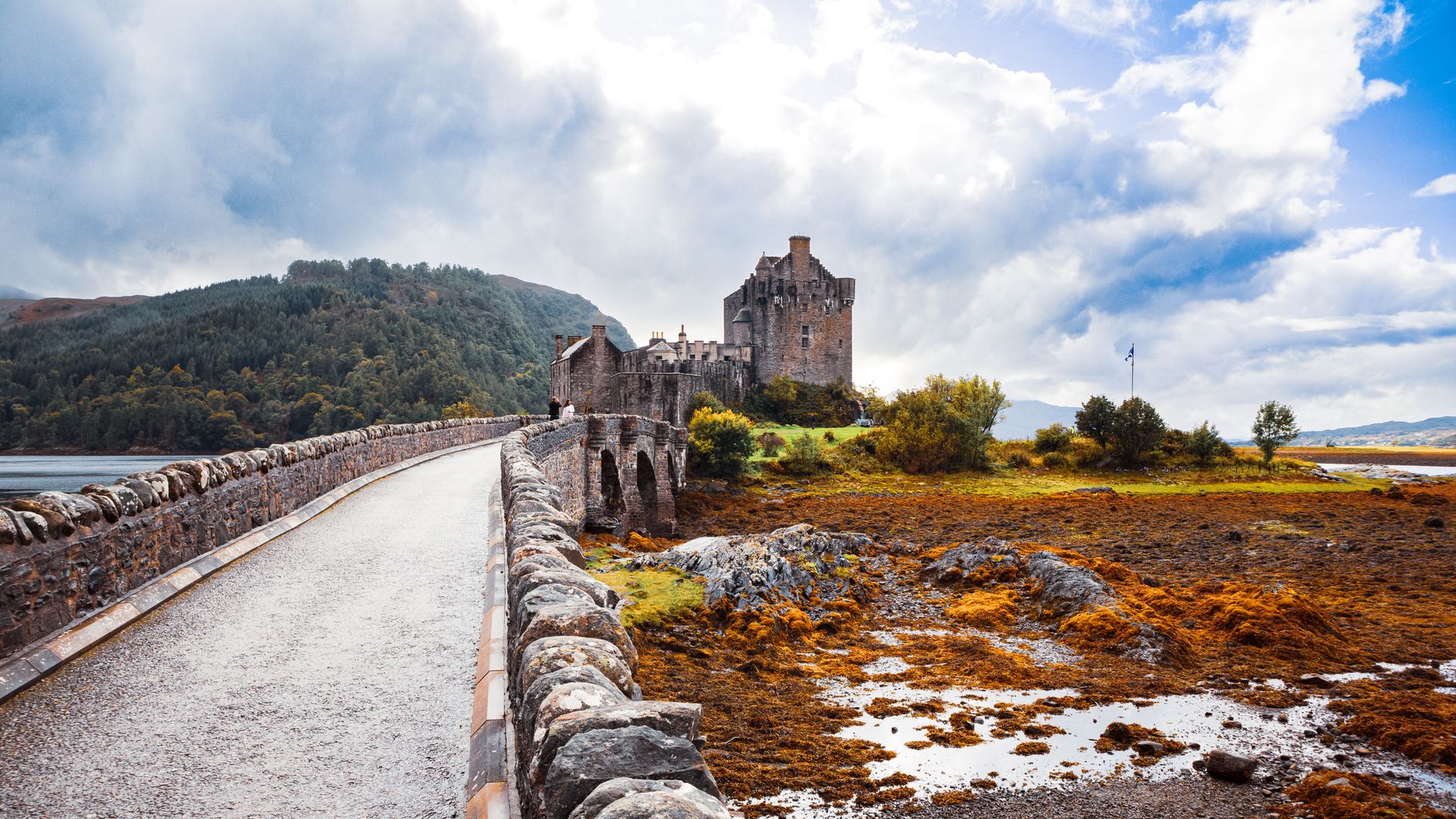
Scotland has a particular talent for making an ordinary journey feel extraordinary. A road winds between dark mountains and suddenly opens onto a vast loch. A narrow cobbled street leads to a hidden courtyard. A village pub becomes the setting for a long lunch, a conversation with a local and an evening that stretches far beyond the original plan.
This is a country of contrasts, where centuries-old castles stand above lively modern cities, wild coastlines give way to sandy beaches, and remote Highland landscapes feel a world away from the bustle of everyday life. Its beauty is rarely polished or predictable. The weather changes, the mist rolls in, the sun appears unexpectedly, and the scenery seems to shift with every passing cloud.
As part of the United Kingdom, Scotland has a distinctive identity shaped by its history, landscapes, languages, music and food. Edinburgh offers grand architecture and literary character, while Glasgow brings an energetic arts scene and a famously welcoming spirit. Further north, the Highlands and islands reveal a different side of the country, with rugged mountains, ancient glens, peaceful villages and some of Britain’s most memorable coastal scenery.
Food is another reason to linger. From fresh seafood and smoked haddock soup to traditional haggis, buttery shortbread and whisky produced in historic distilleries, Scotland’s culinary traditions are deeply connected to its land and waters.
Whether you are planning a first visit or returning to explore beyond the familiar landmarks, Scotland rewards travellers who take their time. The famous sights are worth seeing, of course, but the real pleasure often lies in the spaces between them.
Why Visit Scotland?
Few destinations offer such a satisfying combination of culture, scenery and outdoor adventure. Scotland is compact enough to explore in a single trip, yet varied enough to reward several visits.
You might spend the morning exploring a royal castle, the afternoon browsing independent shops and the evening listening to traditional music. A few days later, you could be walking beside a mountain loch, watching seabirds along a remote coastline or settling into a country inn after a scenic drive.
History is woven into everyday life here. Medieval streets, ancient stone circles, historic battlefields and grand country estates tell stories that reach back centuries. Yet Scotland is not simply a destination for looking backwards. Its cities are creative, contemporary and full of independent restaurants, galleries, designers and musicians.
For travellers who love a good road trip, the country is particularly appealing. Distances can look deceptively short on a map, especially in the Highlands, where winding roads and scenic stops encourage a slower pace. Plan thoughtfully, leave room for detours and allow the landscape to set the rhythm.
Edinburgh: A Capital Made for Wandering
Edinburgh is an ideal introduction to Scotland. Built across hills and volcanic formations, the capital has an unmistakable skyline of church spires, historic rooftops and the imposing silhouette of Edinburgh Castle.
Begin in the Old Town, where the Royal Mile runs between Edinburgh Castle and the Palace of Holyroodhouse. The main street is lively, but some of its most appealing details are tucked away in narrow closes and courtyards. Look beyond the souvenir shops and you will find independent bookshops, historic buildings, traditional pubs and quiet corners that feel surprisingly removed from the crowds.
Edinburgh Castle occupies a dramatic position on Castle Rock, overlooking the city. Inside, visitors can explore historic buildings, military collections and the Honours of Scotland, the nation’s crown jewels. It is one of the city’s major attractions, so booking ahead is sensible, particularly during the busy summer season. Check the official Edinburgh Castle visitor information before your visit.
Afterwards, walk down the Royal Mile at an unhurried pace. Stop for coffee, browse a bookshop or explore the streets branching away from the main route. Edinburgh’s character emerges most clearly when you give yourself permission to wander.
For sweeping views, climb Calton Hill, where the city’s rooftops stretch towards the Firth of Forth. If you prefer a more demanding walk, Arthur’s Seat in Holyrood Park offers a rewarding climb over the remains of an ancient volcano. Choose suitable footwear and check conditions before setting out, as paths can be uneven and exposed.
Edinburgh also has a rich literary identity, reflected in its bookshops, historic cafés and cultural institutions. The city is particularly lively in August, when major arts festivals attract performers and visitors from around the world. It is an exciting time to visit, although accommodation prices and demand can rise considerably.
Allow at least two full days for Edinburgh. It is tempting to treat the capital as a quick stop before heading north, but doing so means missing some of its best pleasures: a slow breakfast, a gallery visit, a long dinner and an evening spent exploring its atmospheric streets.
Glasgow: Scotland’s Creative, Contemporary Side
Glasgow offers a different mood. Scotland’s largest city is known for its music, architecture, art and lively neighbourhoods, with a personality that feels less formal than Edinburgh’s.
The city centre is a good place to begin, with grand Victorian buildings, shopping streets and historic squares. From there, head towards the West End, where leafy avenues, independent cafés and cultural attractions create a more relaxed atmosphere.
Art lovers should make time for Kelvingrove Art Gallery and Museum, which houses an extensive collection spanning fine art, natural history and cultural exhibits. Nearby Kelvingrove Park offers a pleasant green escape, while the University of Glasgow’s striking architecture is worth seeing even if you have no particular interest in university history.
Glasgow is also an excellent city for an evening out. Its live music scene is a major part of local culture, and smaller venues and pubs often provide a more intimate experience than larger attractions. Add a neighbourhood restaurant or a relaxed meal featuring Scottish produce, and you have the makings of a memorable city break.
Food is another reason to stay. Glasgow’s dining scene ranges from traditional Scottish cooking to international restaurants, modern bakeries and casual cafés. Spend the day exploring without overplanning, then choose somewhere appealing for dinner.
Two nights will give you a more satisfying introduction than a brief stop between destinations.
Stirling Castle and Scotland’s Living History
Scotland’s history is difficult to separate from its landscape, and Stirling is one of the most rewarding places to explore it.
Set on a rocky outcrop above the surrounding countryside, Stirling Castle was an important royal residence and strategic stronghold. Its story is closely connected with Scotland’s monarchy and the conflicts that shaped the nation.
The castle’s historic rooms, courtyards and ramparts offer a glimpse into royal life, while its elevated position provides broad views across the landscape. Allow a few hours to explore rather than rushing through. Before travelling, check the latest details through Historic Environment Scotland.
The town itself deserves time, too. Its historic streets and central location make it a natural stop between the major cities and the Highlands. For travellers interested in Scotland’s past, Stirling provides useful context for the castles, monuments and battlefields encountered elsewhere.
The Scottish Highlands: Mountains, Lochs and Open Roads
Beyond the cities, Scotland becomes more expansive and elemental. The Highlands are a landscape of mountains, deep glens, forests, freshwater lochs and small communities where the pace of life often feels slower.
This is where a road trip becomes especially rewarding. A drive might begin beside a peaceful stretch of water, continue through a village with a welcoming café and end beneath mountains that seem to rise directly from the roadside. The weather may change several times in an afternoon, but even the mist has its own beauty.
Glencoe is one of the Highlands’ most dramatic landscapes. Its steep-sided valley and rugged peaks are unforgettable, whether viewed from a roadside stopping point or explored on foot. The area also carries a painful history: the Massacre of Glencoe took place in 1692, and the landscape’s beauty sits alongside the memory of that event.
The National Trust for Scotland provides visitor information and opportunities to learn about the area’s natural environment and history. Before setting off, consult its Glencoe visitor guide.
You do not need to be an experienced mountaineer to appreciate the Highlands. There are short walks, scenic viewpoints and gentle trails, as well as demanding routes for experienced hikers. Conditions can change quickly, so check forecasts, daylight hours and route information before longer walks.
Further north, Inverness makes a convenient base for exploring the surrounding region. Nearby Loch Ness is famous for the legend of its elusive monster, but the deep water, wooded slopes and historic surroundings are worth visiting regardless of whether you believe the stories.
For a longer adventure, consider the North Coast 500, a circular driving route beginning and ending in Inverness. It passes rugged headlands, remote beaches, fishing villages and striking mountain scenery. VisitScotland recommends allowing five to seven days or more to enjoy the route, rather than rushing through it. Read the official North Coast 500 travel guidance before planning your journey.
Fuel stops, accommodation and driving conditions need careful consideration in remote areas. Single-track roads require patience and awareness, and a scenic detour can take longer than expected. The reward is the freedom to stop when the view demands it.
Isle of Skye: Scotland at Its Most Dramatic
The Isle of Skye has become one of Scotland’s most celebrated destinations, and its extraordinary landscapes explain why. Mountain ridges, rocky pinnacles, waterfalls and a rugged coastline create a setting that feels almost cinematic.
The Old Man of Storr is among the island’s most recognisable landmarks, with its distinctive rock formation rising above the surrounding slopes. The Quiraing offers a different kind of drama, with cliffs, unusual rock formations and expansive views across the Trotternish Peninsula. Meanwhile, the Fairy Pools are known for their clear water and mountain backdrop.
These popular locations can become busy during summer, so an early start is worthwhile. Allow extra time for parking and walking, and remember that the weather can change rapidly. Paths may be slippery, and the water in mountain pools is extremely cold even when the sun is shining.
Skye is not only about its famous viewpoints. Spend time in Portree, explore a small harbour, browse local shops or stop for a leisurely lunch. If you have a car, quieter coastal roads and less-visited corners can be just as rewarding as the headline attractions.
Staying overnight makes a considerable difference. Rather than racing across the island for a handful of photographs, you can enjoy the changing light, walk at a comfortable pace and discover places that would otherwise be missed.
If your itinerary allows, leave room for another part of the west coast or one of Scotland’s other islands. The country has many remarkable landscapes beyond its most photographed destinations.
A Taste of Scotland: Traditional Dishes and Local Produce
Scottish food is much more varied than its most familiar dishes suggest. The country’s coastal waters, farmland and cool climate provide excellent ingredients, from seafood and beef to oats, berries, cheeses and game.
Traditional cooking is often hearty and comforting, but modern Scottish restaurants increasingly showcase seasonal ingredients with a lighter touch. A good food journey might include a simple bowl of soup in a village café, seafood beside the coast and a thoughtfully prepared dinner in a city restaurant.
Haggis remains Scotland’s best-known traditional dish. Made with sheep’s offal, oatmeal, onions and spices, it is commonly served with mashed potatoes and turnips, known as tatties and neeps. Vegetarian versions are widely available and offer an alternative for those who prefer not to eat meat.
Another dish worth seeking out is Cullen skink, a creamy soup of smoked haddock, potatoes and onions that originated in the north-east fishing town of Cullen. It is particularly comforting on a cold day. Scotch broth, stovies and cock-a-leekie soup are other traditional dishes that reveal the country’s practical, warming food heritage.
Seafood deserves special attention. Depending on the region and season, menus may feature scallops, langoustines, oysters, smoked salmon and freshly caught fish. Along the coast and on the islands, look for restaurants that highlight local produce.
For dessert, try cranachan, traditionally made with raspberries, toasted oats, cream, honey and whisky. Shortbread is a classic accompaniment to tea or coffee, while Scottish tablet is a rich, crumbly sweet for anyone with a serious sweet tooth.
Whisky is an essential part of Scotland’s food and drink culture. Distilleries throughout the country offer tours and tastings that explain how ingredients, production methods and maturation influence each whisky’s character. If you plan to visit one, book ahead and consider arranging transport if you intend to taste several varieties.
For another destination where local ingredients and regional food are central to the travel experience, explore Eat Live Escape’s Ultimate Slovenia Travel Guide.
Where to Stay: From City Hotels to Highland Inns
Scotland offers accommodation for almost every travel style, from stylish city hotels and historic country houses to small guesthouses, self-catering cottages and remote lodges.
In Edinburgh, staying within walking distance of the Old Town or New Town makes sightseeing easier and allows you to enjoy the city after the daytime crowds have thinned. Glasgow offers a range of central hotels and neighbourhood stays, particularly around the city centre and West End.
In the Highlands, a small inn or family-run guesthouse can provide a more personal experience. Staying in a village rather than returning to a city each night gives you more time to explore nearby landscapes and enjoy local restaurants.
On Skye, accommodation can be limited in popular areas during summer. Book well ahead and choose your base carefully, taking account of driving distances and the places you want to visit.
For a special occasion, consider a country-house hotel or an inn with a restaurant focused on Scottish ingredients. For a longer trip, combining hotels, guesthouses and self-catering stays creates variety and flexibility.
When Is the Best Time to Visit Scotland?
Scotland can be rewarding in every season, but the best time to visit depends on your priorities.
Spring, from March to May, brings fresh greenery, longer days and the return of many outdoor activities. The weather can remain chilly, but the countryside becomes increasingly inviting.
Summer, from June to August, offers long daylight hours and generally convenient conditions for sightseeing, hiking and island trips. It is also the busiest season in many popular destinations. Book accommodation early, especially in Edinburgh during festival season and on Skye. Midges can be a nuisance in some Highland and coastal areas during warmer months.
Autumn, from September to November, brings rich colours, atmospheric landscapes and, in some places, quieter roads. Days become shorter as the season progresses, and rain remains a possibility.
Winter, from December to February, suits travellers who enjoy festive city breaks, dramatic scenery and cosy evenings. Days are short, temperatures can be low, and some rural attractions and accommodation operate reduced seasonal hours.
Scotland is not a destination where sunshine can be guaranteed. Pack waterproof layers, check local forecasts and keep outdoor plans flexible. Sometimes the weather changes your itinerary; occasionally, it creates the very atmosphere you came to experience.
For more seasonal travel inspiration, VisitScotland’s guide to the best time to visit offers useful guidance for planning around the weather and annual events.
A Seven-Day Scotland Itinerary
A week provides a memorable introduction to Scotland, although covering Edinburgh, the Highlands and Skye involves considerable travel. The key is to choose a few bases and avoid treating every day as a race.
Days 1–2: Edinburgh
Explore Edinburgh Castle, the Royal Mile, Calton Hill and the city’s historic streets. Leave time for museums, independent shops, cafés and an unhurried dinner.
Day 3: Stirling and the journey north
Visit Stirling Castle, then continue towards the Highlands. Depending on your pace, stay nearby or travel towards a Highland base.
Day 4: Glencoe
Spend the day exploring Glencoe’s dramatic scenery and walking trails. Allow time to learn about the area’s history and enjoy the viewpoints.
Day 5: Loch Ness and Inverness
Travel towards Loch Ness, stopping at scenic viewpoints and historic sites. Spend the evening in Inverness.
Days 6–7: Isle of Skye
Head towards Skye for mountain scenery, coastal walks and village visits. Two days provide a useful introduction, although another night would make the experience more relaxed.
This itinerary works best for travellers comfortable with driving and changing accommodation. If you prefer a slower holiday, spend the week exploring Edinburgh, Stirling and the central Highlands instead. You will see fewer places, but have more time to enjoy them.
Practical Tips for Travelling in Scotland
Getting around: Trains connect major cities and many towns, while buses serve a wide range of destinations. A hire car offers more flexibility in rural areas. Remember that traffic travels on the left and that some Highland roads are narrow or single-track.
Weather and clothing: Pack layers, waterproof outerwear and comfortable walking shoes. Mountain conditions can differ significantly from those in nearby towns.
Booking ahead: Reserve accommodation early for summer trips, major festivals and popular island destinations. Check attraction opening arrangements before travelling.
Outdoor safety: Check forecasts and trail conditions before hiking. Carry water and snacks, choose routes suited to your experience and tell someone your plans before longer walks.
Driving responsibly: Allow extra time for scenic routes and use designated parking areas. On single-track roads, follow passing-place etiquette and be considerate of local traffic.
Currency: Scotland uses the pound sterling. Cards are widely accepted, although a little cash can be useful in some rural areas.
Entry requirements: Visa and entry requirements depend on your nationality and can change. Check current UK government guidance before booking flights.
The Wrap
Scotland is a destination that stays with you long after the journey ends. Its cities offer history, architecture and lively cultural experiences, while its castles and historic towns tell stories that continue to shape the country’s identity. Beyond them, the Highlands and islands invite you to slow down and experience a landscape that feels both powerful and peaceful.
You may arrive for Edinburgh’s famous skyline, the dramatic peaks of Glencoe or the otherworldly scenery of Skye. Yet the memories that linger might be quieter: a bowl of Cullen skink after a windswept walk, a conversation in a village pub, the scent of rain on the hills or a winding road that leads to a view you never expected.
Give Scotland enough time to reveal itself. Plan the highlights, but leave room for detours, long lunches and the occasional change of plan. The best journeys here are rarely the ones that follow the schedule perfectly.
Where to Next?
Inspired by Scotland’s dramatic landscapes, historic towns and memorable food? Continue exploring with these destination guides from Eat Live Escape.
Discover Ireland: A Guide to Scenic, Cultural and Unforgettable Travel. Explore Ireland’s spectacular coastlines, historic towns, cultural traditions and welcoming villages in a destination filled with character.
The Ultimate Slovenia Travel Guide. Discover alpine lakes, mountain scenery, charming towns and regional food in one of Europe’s most varied and rewarding destinations.
The Ultimate Guide to Tasmania, Australia. From wild coastlines and ancient forests to fresh local produce and scenic road trips, Tasmania offers another unforgettable journey for nature-loving travellers.
Share this:
Like this: