Paris is not one city, really. It is twenty small worlds curled into one elegant, complicated, endlessly fascinating capital. One moment you are walking beneath the gilded grandeur of the 1st arrondissement, the next you are drinking coffee in the Marais, browsing bookshops in Saint-Germain-des-Prés, watching locals picnic beside Canal Saint-Martin, or climbing the village-like streets of Montmartre.
Understanding Paris begins with understanding its arrondissements. The city is divided into 20 arrondissements, arranged in a clockwise spiral from the centre, often described as the shape of a snail shell. Since 2020, the 1st, 2nd, 3rd and 4th arrondissements have also been administratively grouped as Paris Centre, although travellers and locals still commonly refer to each district by its number and personality.
For visitors, the arrondissement system is one of the easiest ways to decode the city. The 1st is central and grand. The 6th is literary and romantic. The 7th is classic postcard Paris. The 10th and 11th are energetic and creative. The 16th is polished and residential. The 18th, 19th and 20th feel more local, diverse and artistic.
This guide is designed for anyone trying to understand where to stay, eat, live, work, visit and play in Paris. Whether you are planning your first trip, returning for a slower stay, moving for work, studying abroad, or simply dreaming of a more Parisian life, here is how to choose the arrondissement that suits you best.
Paris Arrondissements Explained
Paris is divided into 20 numbered arrondissements, each with its own town hall, character and rhythm. The numbers begin in the centre of the city and spiral outward. Lower numbers are generally more central, while higher numbers sit further from the historic core, although this does not mean they are less interesting.
For travellers, the arrondissement number appears in the postcode. A Paris postcode beginning with 75006 means the address is in the 6th arrondissement. A postcode beginning with 75011 is in the 11th. This is one of the simplest ways to quickly understand where a hotel, restaurant or apartment is located.
It is also worth knowing that Paris transport zones are not the same as arrondissements. All 20 Paris arrondissements sit within Zone 1 for public transport, while zones 2 to 5 extend into the surrounding suburbs and outer areas.
Quick Guide, The Best Paris Areas by Traveller Type
Best for first-time visitors: 1st, 4th, 5th, 6th, 7th Best for romance: 6th, 7th, 18th, parts of the 4th Best for food lovers: 2nd, 3rd, 10th, 11th, 20th Best for fashion and shopping: 1st, 3rd, 4th, 6th, 8th, 9th Best for families: 5th, 6th, 7th, 15th, 16th, 17th Best for nightlife: 9th, 10th, 11th, 18th, 20th Best for a local feel: 11th, 12th, 14th, 15th, 17th, 19th, 20th Best for luxury hotels: 1st, 7th, 8th, 16th Best for longer stays: 5th, 11th, 12th, 14th, 15th, 17th Best for creatives and remote workers: 3rd, 10th, 11th, 19th, 20th
Time Out’s recent Paris neighbourhood guide highlights Saint-Germain-des-Prés, the Marais, Oberkampf, République, Montmartre, Belleville and Ménilmontant as some of the city’s most compelling areas for visitors, each suited to a different travel style.
1st Arrondissement, Louvre, Palais Royal and Tuileries
The 1st arrondissement is Paris at its most polished and monumental. This is where you come for the Louvre, the Tuileries Garden, Place Vendôme, Palais Royal and the elegant streets around Rue Saint-Honoré. It is central, beautiful and exceptionally convenient.
For first-time visitors who want to wake up within walking distance of major landmarks, the 1st is hard to beat. You can stroll to the Seine, cross to the Left Bank, visit the Louvre in the morning, shop in the afternoon and finish with drinks near Palais Royal.
Best for: first-time visitors, luxury travellers, museum lovers, shoppers, short stays.
Where to eat: Look around Palais Royal, Rue Saint-Honoré and the streets close to Les Halles for everything from classic brasseries to modern bistros. This is also a good area for elegant lunches, patisserie stops and polished hotel dining.
Where to stay: Choose the 1st if you want convenience and are happy to pay for it. Hotels here tend to be expensive, but the location is exceptional.
What to visit: The Louvre, Tuileries Garden, Palais Royal, Sainte-Chapelle nearby, Place Vendôme, Musée de l’Orangerie nearby.
Living and working vibe: Prestigious but not especially residential. It is beautiful, central and practical, but can feel expensive and tourist-heavy.
Pros: Extremely central, walkable, elegant, great for landmarks. Cons: Expensive, busy, less neighbourhood-like at night in some pockets.
Photo by Rajan Abdulla
2nd Arrondissement, Bourse, Sentier and Montorgueil
The 2nd arrondissement is compact, stylish and full of energy. It is home to historic covered passages, the former garment district of Sentier, the business-focused Bourse area and one of Paris’s great food streets, Rue Montorgueil.
This is a fantastic arrondissement for travellers who want central Paris without quite the same postcard atmosphere as the 1st. It has excellent restaurants, cocktail bars, boutiques and easy metro access.
Best for: food lovers, couples, central stays, design-minded travellers, people who like walking everywhere.
Where to eat: Rue Montorgueil is the obvious starting point, with bakeries, cheese shops, cafés, wine bars and bistros. The covered passages also hide charming old-world dining rooms and cafés.
Where to stay: Boutique hotels and stylish apartments work well here. It is especially useful for travellers who want to be near the Marais, Louvre, Palais Garnier and Grands Boulevards.
What to visit: Passage des Panoramas, Galerie Vivienne nearby, Rue Montorgueil, Bourse de Commerce nearby, Grand Rex.
Living and working vibe: Good for people who want centrality and energy. The Sentier area has a strong start-up and creative work feel.
Pros: Central, food-focused, stylish, walkable. Cons: Some streets can feel busy, compact and expensive.
3rd Arrondissement, Northern Marais and Temple
The 3rd arrondissement is one of Paris’s most fashionable and appealing neighbourhoods. It forms the quieter northern part of the Marais, with art galleries, concept stores, small museums, cafés, bakeries and beautiful old streets.
Compared with the 4th, the 3rd feels slightly more local and less crowded. It is still central, but it has a neighbourhood rhythm that makes it ideal for repeat visitors.
Best for: design lovers, fashion travellers, café culture, couples, solo travellers.
Where to eat: The 3rd is excellent for modern bistros, coffee shops, wine bars, bakeries and stylish casual dining. You will find plenty around Rue de Bretagne, the Marché des Enfants Rouges and the Haut Marais.
Where to stay: Boutique hotels and apartments are ideal here. It is one of the best areas for travellers who want beauty, convenience and personality.
What to visit: Musée Picasso, Musée Carnavalet nearby, Marché des Enfants Rouges, Rue de Bretagne, Carreau du Temple.
Living and working vibe: Highly desirable, creative, fashionable and central. Popular with designers, media people, boutique owners and remote workers.
Pros: Stylish, walkable, central, great food and shopping. Cons: Expensive, increasingly popular, limited hotel bargains.
4th Arrondissement, Southern Marais, Île Saint-Louis and Notre-Dame
The 4th arrondissement is historic, romantic and lively. It includes the southern Marais, Hôtel de Ville, Île Saint-Louis and the area around Notre-Dame. This is one of the most atmospheric parts of Paris, with medieval streets, grand squares, river views and an unbeatable central location.
If you want the Paris of old stone buildings, hidden courtyards and long walks along the Seine, the 4th is a dream.
Best for: first-time visitors, romantics, history lovers, LGBTQIA+ travellers, walkers.
Where to eat: The Marais has everything from falafel and bakeries to fashionable restaurants, wine bars and classic cafés. Île Saint-Louis is perfect for ice cream, quiet dinners and evening strolls.
Where to stay: Hotels here are often boutique and expensive, but the location is superb. Staying on or near Île Saint-Louis feels especially romantic.
What to visit: Notre-Dame, Place des Vosges nearby, Île Saint-Louis, Centre Pompidou nearby, Hôtel de Ville, the Seine.
Living and working vibe: Beautiful and central, but also crowded. Best for those who prioritise atmosphere over space.
The 5th arrondissement is one of the oldest and most intellectual parts of Paris. Known as the Latin Quarter, it is home to the Sorbonne, the Panthéon, bookshops, cinemas, Roman ruins, student cafés and winding streets that feel deeply connected to the city’s academic history.
It is a wonderful area for travellers who want culture without losing access to central Paris.
Best for: students, families, history lovers, book lovers, first-time visitors who want atmosphere.
Where to eat: Expect a mix of student-friendly cafés, classic bistros, casual restaurants and atmospheric old dining rooms. Rue Mouffetard is a favourite for market shopping and casual eating.
Where to stay: The 5th offers a good balance of charm, location and relative calm. It is often better value than the 6th while still feeling central and beautiful.
What to visit: Panthéon, Jardin des Plantes, Grande Mosquée de Paris, Arènes de Lutèce, Shakespeare and Company nearby, Rue Mouffetard.
Living and working vibe: Academic, cultured and residential in parts. Good for students, writers and longer stays.
Pros: Historic, walkable, charming, good transport. Cons: Some areas near tourist streets can feel busy or overly commercial.
Photo by Alina Rossoshanska
6th Arrondissement, Saint-Germain-des-Prés and Luxembourg
The 6th arrondissement is the Paris many people dream of before they arrive. Saint-Germain-des-Prés, the Jardin du Luxembourg, elegant galleries, old cafés, bookshops and polished boutiques all sit within this deeply romantic Left Bank district.
It is refined, literary and beautiful, with a slower glamour than the Right Bank. Eat.Live.Escape has previously highlighted the Jardin du Luxembourg as one of Paris’s loveliest escapes, a 23 acre garden beside the Luxembourg Palace.
Best for: romance, luxury stays, writers, culture lovers, stylish travellers.
Where to eat: Café de Flore and Les Deux Magots are the icons, but the best meals are often found in smaller bistros, wine bars and patisseries around Rue de Seine, Odéon and Saint-Sulpice. Ralph’s on Boulevard Saint-Germain is also a Paris institution.
Where to stay: The 6th is one of the best places to stay in Paris if budget allows. Boutique hotels, elegant apartments and classic Left Bank stays dominate.
What to visit: Jardin du Luxembourg, Saint-Sulpice, Musée Delacroix, Odéon, art galleries, bookshops.
Living and working vibe: Elegant, expensive and established. Ideal for those who want beauty, culture and walkability.
Pros: Beautiful, safe-feeling, romantic, central. Cons: Expensive, polished, less edgy or experimental.
7th Arrondissement, Eiffel Tower, Invalides and Rue Cler
The 7th arrondissement is classic postcard Paris. It is home to the Eiffel Tower, Les Invalides, Musée d’Orsay nearby, Rue Cler, embassies, grand avenues and some of the city’s most elegant residential streets.
For travellers who want the Eiffel Tower close by and a calm, upscale base, the 7th is an obvious choice. It is especially appealing for families, couples and first-time visitors who want beauty without too much nightlife.
Best for: first-time visitors, families, luxury travellers, Eiffel Tower views.
Where to eat: Rue Cler is a great place for food shopping, cafés and casual meals. The area around École Militaire and Invalides has classic bistros and polished restaurants.
Where to stay: Choose the 7th for luxury hotels, refined apartments and Eiffel Tower views. It is quieter at night than the Marais or Saint-Germain.
What to visit: Eiffel Tower, Champ de Mars, Les Invalides, Musée Rodin, Musée d’Orsay nearby, Rue Cler.
Living and working vibe: Elegant, residential, calm and expensive. Good for families and diplomats, less ideal for nightlife seekers.
Pros: Beautiful, safe-feeling, iconic, family-friendly. Cons: Expensive, quieter at night, some parts feel more formal than lively.
8th Arrondissement, Champs-Élysées and Golden Triangle
The 8th is Paris dressed for business class. It includes the Champs-Élysées, Arc de Triomphe, Grand Palais, Avenue Montaigne and the Golden Triangle, one of the world’s most luxurious shopping districts.
This is a high-end, hotel-heavy arrondissement, excellent for luxury travellers but not necessarily the best choice for those seeking village-style Paris.
Best for: luxury shopping, five-star hotels, business travel, fashion lovers.
Where to eat: Hotel restaurants, grand cafés, polished brasseries and luxury dining dominate. For a more local feel, look away from the Champs-Élysées and toward side streets.
Where to stay: The 8th has some of Paris’s grandest hotels. It is a strong choice if you want luxury, shopping and prestige.
What to visit: Arc de Triomphe, Champs-Élysées, Grand Palais, Petit Palais, Place de la Concorde, Avenue Montaigne.
Living and working vibe: Corporate, polished and wealthy. Better for business and luxury stays than everyday neighbourhood life.
Pros: Luxurious, prestigious, excellent shopping. Cons: Expensive, touristy around major landmarks, less intimate.
Photo by Taylor Thompson
9th Arrondissement, Opéra, South Pigalle and Grands Boulevards
The 9th arrondissement is one of the most versatile areas in Paris. It includes grand department stores, the Palais Garnier, theatres, lively streets, cocktail bars, restaurants and the fashionable South Pigalle neighbourhood.
It offers a strong mix of classic Paris and modern energy. For travellers who want food, shopping and nightlife without being too far from the centre, the 9th is excellent.
Best for: shoppers, nightlife, couples, theatre lovers, repeat visitors.
Where to eat: South Pigalle has become a go-to area for restaurants, bakeries, coffee and cocktails. The area around Rue des Martyrs is especially strong for food lovers.
Where to stay: Boutique hotels in the 9th often offer better value than those in the 1st or 6th, while still being central.
What to visit: Palais Garnier, Galeries Lafayette, Printemps, Musée de la Vie Romantique, Rue des Martyrs.
Living and working vibe: Lively, creative and central. Good for those who want energy and convenience.
Pros: Great food, shopping, nightlife, transport. Cons: Can be busy, some streets feel hectic.
10th Arrondissement, Canal Saint-Martin and Gare du Nord
The 10th is energetic, diverse and increasingly fashionable. It includes Canal Saint-Martin, Gare du Nord, Gare de l’Est and a mix of local streets, restaurants, bars and creative businesses.
Canal Saint-Martin is the star, particularly in warm weather when locals gather by the water with wine, bread and takeaway food. The 10th is not as polished as the 6th or 7th, but it has a strong sense of contemporary Paris.
Best for: younger travellers, food lovers, creatives, nightlife, train connections.
Where to eat: Canal Saint-Martin and the streets around Rue du Faubourg Saint-Denis are excellent for casual dining, modern bistros, bakeries, natural wine bars and multicultural food.
Where to stay: Good for boutique hotels and better-value stays, especially if you need access to Gare du Nord or Gare de l’Est.
What to visit: Canal Saint-Martin, Marché Saint-Quentin, Porte Saint-Denis, Porte Saint-Martin.
Living and working vibe: Creative, urban, lively and practical. Great for remote workers and people who like a bit of grit with their charm.
Pros: Great food, nightlife, diversity, transport. Cons: Around major train stations can feel chaotic, not always polished.
11th Arrondissement, Oberkampf, Bastille and République
The 11th is one of the best arrondissements in Paris for eating, drinking and living like a local. It is creative, energetic and filled with restaurants, bars, bakeries, concept stores and small neighbourhood streets.
It does not have the obvious landmarks of the 1st or 7th, but that is part of its appeal. This is where you come for the Paris of dinner reservations, late drinks, markets and everyday life.
Best for: food lovers, nightlife, creatives, repeat visitors, longer stays.
Where to eat: The 11th is one of the city’s strongest dining districts, especially around Oberkampf, Charonne, Bastille and Rue Saint-Maur. Expect modern bistros, natural wine, bakeries and casual neighbourhood dining.
Where to stay: Boutique hotels and apartments are popular here. It is an excellent area for travellers who have already seen the major sights and want a more local base.
What to visit: Place de la Bastille, Atelier des Lumières nearby, Oberkampf, Rue de Charonne, Marché Popincourt.
Living and working vibe: Young, creative and social. Excellent for remote workers, hospitality lovers and people who want Paris with energy.
Pros: Excellent food, nightlife, local feel, good value compared with central west Paris. Cons: Less postcard-pretty, lively streets can be noisy.
12th Arrondissement, Bastille, Bercy and Bois de Vincennes
The 12th is spacious, green and practical. It stretches from Bastille toward Bercy and the Bois de Vincennes, offering parks, markets, residential streets and family-friendly pockets.
This is a smart arrondissement for longer stays, families and travellers who want a calmer side of Paris with good access to the centre.
Best for: families, longer stays, runners, park lovers, travellers seeking value.
Where to eat: Around Aligre Market, you will find cafés, produce stalls, wine bars and casual restaurants. Bercy Village offers an easy dining and shopping option.
Where to stay: Look here for better-value hotels and apartments, especially if you do not need to be in the tourist centre.
What to visit: Marché d’Aligre, Coulée Verte René-Dumont, Bercy Village, Bois de Vincennes, Opéra Bastille nearby.
Living and working vibe: Residential, practical and relaxed. Great for families and longer-term renters.
Pros: Green space, markets, good value, calm. Cons: Less central, fewer major landmarks.
13th Arrondissement, Butte-aux-Cailles, Chinatown and Bibliothèque
The 13th is one of Paris’s most underrated arrondissements. It is diverse, modern and full of contrasts, from the village-like Butte-aux-Cailles to Paris’s main Chinatown and the contemporary architecture around Bibliothèque François-Mitterrand.
This is not the Paris of classic postcards, but it is fascinating, affordable by Paris standards and excellent for food.
Best for: budget-conscious travellers, food lovers, students, longer stays.
Where to eat: The 13th is one of the best areas for Asian food in Paris, particularly around Avenue de Choisy and Avenue d’Ivry. Butte-aux-Cailles has charming bistros and bars.
Where to stay: Good for value-focused hotels and apartments, especially for longer stays.
What to visit: Butte-aux-Cailles, Paris Chinatown, Bibliothèque François-Mitterrand, street art, Manufacture des Gobelins.
Living and working vibe: Diverse, student-friendly and more affordable. Good for people who want space and practicality.
Pros: Good food, better value, less touristy. Cons: Less central, some areas feel more modern than charming.
14th Arrondissement, Montparnasse and Denfert-Rochereau
The 14th is calm, residential and quietly charming. Historically linked with artists and writers, Montparnasse still carries traces of its creative past, although today the arrondissement feels more everyday than glamorous.
It is a good choice for travellers who want a local, relaxed base with good transport and access to the Left Bank.
Best for: longer stays, families, quiet travellers, Left Bank lovers.
Where to eat: Look for classic brasseries around Montparnasse, neighbourhood bistros near Pernety and casual cafés around Denfert-Rochereau.
Where to stay: The 14th often offers better-value hotels than the 6th or 7th while still feeling connected.
What to visit: Paris Catacombs, Montparnasse Cemetery, Parc Montsouris, Fondation Cartier, Rue Daguerre.
Living and working vibe: Residential, calm and practical. Good for people who want comfort over scene.
Pros: Relaxed, good transport, good value, local feel. Cons: Less glamorous, fewer major attractions.
15th Arrondissement, Vaugirard and Convention
The 15th is Paris’s largest arrondissement by population and one of its most residential. It is calm, family-friendly and practical, with local markets, schools, parks and everyday cafés.
Travellers often overlook the 15th because it lacks the obvious romance of the Marais or Saint-Germain, but it can be a very comfortable place to stay, especially for families or longer visits.
Best for: families, longer stays, practical travellers, people seeking quiet.
Where to eat: Expect neighbourhood bistros, bakeries, market streets and casual restaurants rather than destination dining. Rue du Commerce has good shopping and cafés.
Where to stay: Good value can be found here, especially for apartment stays.
What to visit: Parc André Citroën, Beaugrenelle shopping centre, Rue du Commerce, Convention, access to the Eiffel Tower from some northern pockets.
Living and working vibe: Residential, safe-feeling and functional. Popular with families.
Pros: Calm, practical, family-friendly, often better value. Cons: Less atmospheric, fewer major sights.
16th Arrondissement, Passy, Trocadéro and Auteuil
The 16th is elegant, wealthy and residential. It is known for grand apartments, wide avenues, embassies, museums, parks and some of the best Eiffel Tower views from Trocadéro.
This is one of the most refined parts of Paris, but it is also quieter and less nightlife-focused. It suits travellers who want calm, space and elegance.
Best for: families, luxury travellers, longer stays, quiet seekers.
Where to eat: Passy and Auteuil offer polished neighbourhood restaurants, bakeries, cafés and food shops. Dining is more classic and understated than experimental.
Where to stay: Choose the 16th for elegant hotels, apartment stays and peaceful streets, especially if you want to be near the Eiffel Tower without staying in the tourist crush.
What to visit: Trocadéro, Palais de Tokyo nearby, Musée Marmottan Monet, Bois de Boulogne, Fondation Louis Vuitton nearby, Passy.
Living and working vibe: Upscale, calm and residential. Popular with families and expats who want space.
Pros: Elegant, quiet, safe-feeling, green space. Cons: Expensive, less nightlife, can feel removed from the centre.
17th Arrondissement, Batignolles, Ternes and Monceau
The 17th is varied and increasingly popular. It includes polished areas near Parc Monceau and Ternes, as well as the more village-like Batignolles, which has become a favourite for young families, creatives and food lovers. It is an excellent arrondissement for travellers who want a local stay with a refined but relaxed feel.
Best for: families, repeat visitors, food lovers, longer stays.
Where to eat: Batignolles has excellent cafés, bakeries, wine bars and restaurants. Rue des Dames and Rue des Batignolles are good starting points.
Where to stay: Boutique hotels and apartments work well here. It is especially appealing if you want a calmer base that still has atmosphere.
What to visit: Parc Monceau, Batignolles, Marché des Batignolles, Cité de l’Économie, nearby access to Montmartre and the 8th.
Living and working vibe: Residential, stylish and increasingly desirable. Good for families and professionals.
Pros: Local, charming, good food, less touristy. Cons: Not as central, some pockets are quieter at night.
Photo by Léa Claisse
18th Arrondissement, Montmartre, Abbesses and Barbès
The 18th is one of the most famous and layered arrondissements in Paris. Montmartre is the romantic headline, with cobbled lanes, staircases, artists, cafés and views. But the arrondissement also includes more bustling, diverse and gritty areas around Barbès and La Goutte d’Or.
Montmartre is ideal for couples and dreamers, while the broader 18th offers a much more complex picture of Paris.
Best for: romance, artists, photographers, nightlife, budget-conscious travellers in some areas.
Where to eat: Around Abbesses and Lamarck-Caulaincourt you will find cafés, bakeries, bistros and wine bars. Barbès and La Goutte d’Or offer a more multicultural food scene.
Where to stay: Montmartre can be charming, especially around Abbesses or Lamarck-Caulaincourt. Choose carefully if you prefer quiet streets.
What to visit: Sacré-Cœur, Place du Tertre, Musée de Montmartre, Rue des Abbesses, Moulin Rouge nearby, Marché Barbès.
Living and working vibe: Artistic, scenic, diverse and sometimes hectic. Great for creative types who enjoy atmosphere.
Pros: Beautiful views, romantic streets, strong character. Cons: Very touristy near Sacré-Cœur, hilly, uneven depending on pocket.
Photo by Roxana Herlea
19th Arrondissement, Buttes-Chaumont, La Villette and Canal de l’Ourcq
The 19th is one of Paris’s most interesting arrondissements for people who want green space, culture and a more local perspective. It includes Parc des Buttes-Chaumont, Parc de la Villette, Canal de l’Ourcq and a growing food and nightlife scene.
It is less central and less polished than the western arrondissements, but it offers space, creativity and a younger energy.
Best for: families, creatives, park lovers, budget-conscious travellers, repeat visitors.
Where to eat: Canal de l’Ourcq and the streets around Jaurès, Laumière and Buttes-Chaumont offer casual restaurants, cafés and bars.
Where to stay: Good for value-focused travellers who do not mind taking the metro into central Paris.
What to visit: Parc des Buttes-Chaumont, Parc de la Villette, Philharmonie de Paris, Canal de l’Ourcq, Cité des Sciences et de l’Industrie.
Living and working vibe: Creative, diverse, green and residential. Good for families and people seeking affordability.
Pros: Parks, culture, better value, local energy. Cons: Less central, not traditionally glamorous.
20th Arrondissement, Belleville, Ménilmontant and Père Lachaise
The 20th is one of Paris’s most vibrant and characterful arrondissements. It includes Belleville, Ménilmontant and Père Lachaise, with street art, music venues, multicultural food, hilltop views, independent bars and a more alternative spirit.
Belleville has been increasingly recognised for its food, fashion and creative energy, while Ménilmontant has earned attention for its bohemian, multicultural feel and off-the-tourist-trail charm. (Vogue)
Best for: creatives, food lovers, nightlife, budget-conscious travellers, repeat visitors.
Where to eat: Belleville is excellent for Chinese, Vietnamese, North African, Jewish Tunisian, bistro and natural wine scenes. Ménilmontant has relaxed restaurants, cafés and bars with a local feel.
Where to stay: Accommodation is more limited than in central Paris, but you can find good-value hotels and apartments.
What to visit: Père Lachaise Cemetery, Parc de Belleville, Belleville street art, Rue de Ménilmontant, La Bellevilloise.
Living and working vibe: Creative, diverse, lively and less polished. Great for artists, musicians, students and independent spirits.
Pros: Character, food, nightlife, views, better value. Cons: Less central, hilly, not ideal for first-time visitors who want classic Paris on the doorstep.
Photo by Julia Maks
Paris Neighbourhoods Beyond the Arrondissement Number
The arrondissement number is helpful, but it does not tell the whole story. Paris is also a city of neighbourhoods, and some of the best-known areas cross arrondissement boundaries.
The Marais sits mainly across the 3rd and 4th. Saint-Germain-des-Prés is in the 6th. The Latin Quarter is mostly in the 5th. Montmartre is in the 18th. Canal Saint-Martin is in the 10th. South Pigalle is in the 9th. Belleville spreads across parts of the 19th and 20th. Ménilmontant sits largely in the 20th. Batignolles is in the 17th. Butte-aux-Cailles is in the 13th.
This matters because two streets in the same arrondissement can feel completely different. The 18th around Abbesses feels romantic and village-like, while Barbès is busier and more urban. The 9th near Opéra feels grand and commercial, while South Pigalle feels younger and trendier. The 16th around Passy is polished and residential, while Trocadéro is more visitor-heavy.
Where to Stay in Paris for a First Visit
For a first trip to Paris, choose somewhere central, walkable and well connected. The best arrondissements for first-time visitors are usually the 1st, 4th, 5th, 6th and 7th.
The 1st is ideal if you want major landmarks close by. The 4th gives you history, the Seine and the Marais. The 5th is charming and slightly more relaxed. The 6th is romantic and classic. The 7th is perfect if you want Eiffel Tower proximity and a calmer, elegant feel.
If you are visiting for only two or three nights, convenience matters more than chasing a cheaper hotel far from the centre. If you are staying for a week or longer, neighbourhood feel becomes more important, and areas like the 11th, 14th, 15th, 17th and 20th become much more appealing.
Where to Stay in Paris for Food
If food is your focus, look beyond the obvious tourist zones. The 2nd is excellent for market streets and central dining. The 3rd and 4th are strong for cafés, bakeries, wine bars and stylish restaurants. The 10th and 11th are among the best areas for modern bistros and casual dining. The 20th is ideal for more adventurous eaters who want Belleville, Ménilmontant and multicultural food.
For a food-focused trip, the 11th may be the best overall arrondissement. It offers excellent dining, lively bars, good bakeries, strong transport and a local feel without being too far from the centre.
Photo by Céline
Where to Stay in Paris for Romance
For romance, the 6th is hard to beat. Saint-Germain-des-Prés, the Luxembourg Gardens, old cafés and Left Bank streets create exactly the kind of Paris people imagine.
The 4th is also romantic, especially near Île Saint-Louis and the Seine. The 7th works beautifully for couples who want Eiffel Tower views and elegant hotels. Montmartre in the 18th is charming, particularly around Abbesses and Lamarck-Caulaincourt, although it can become very crowded around Sacré-Cœur.
Where to Stay in Paris with Children
For families, the best areas are usually the 5th, 6th, 7th, 15th, 16th and 17th. These arrondissements offer parks, calmer streets, good transport and a safer-feeling residential atmosphere.
The 5th gives families culture, gardens and walkability. The 6th has the Luxembourg Gardens. The 7th offers Champ de Mars and Eiffel Tower access. The 15th is practical and residential. The 16th has space, parks and calm. The 17th, especially Batignolles, has a lovely neighbourhood feel.
Where to Stay in Paris for Nightlife
For nightlife, the 9th, 10th, 11th, 18th and 20th are the strongest options. South Pigalle in the 9th is excellent for bars and restaurants. Canal Saint-Martin and Faubourg Saint-Denis in the 10th are lively and fun. Oberkampf and Bastille in the 11th are ideal for late nights. Montmartre and Pigalle bring classic nightlife energy. Belleville and Ménilmontant in the 20th are better for music, casual bars and a more alternative feel.
Where to Live in Paris
Choosing where to live in Paris depends on budget, lifestyle, commute and how much space you need.
For families, the 15th, 16th and 17th are among the most practical. For students, the 5th, 13th, 14th and 20th can work well. For creatives, the 10th, 11th, 19th and 20th offer energy and better value. For professionals who want elegance and convenience, the 6th, 7th, 8th, 16th and 17th are strong choices.
If you want beauty and can afford it, the 6th and 7th are exceptional. If you want community and restaurants, the 11th is hard to beat. If you want space and practicality, look at the 12th, 14th, 15th and 17th. If you want culture and affordability, consider the 19th and 20th.
Where to Work Remotely in Paris
Paris is increasingly friendly for remote workers, with cafés, coworking spaces and hotel lobbies across the city. The best areas for remote work are often the 2nd, 3rd, 10th, 11th, 17th, 19th and 20th.
The 2nd and 3rd are central and stylish. The 10th and 11th have plenty of cafés and creative energy. The 17th is calmer and more residential. The 19th and 20th offer a less expensive, more local rhythm.
For remote workers staying longer than a few days, choose an area with good metro connections, nearby food shops, laundries, cafés and green space. Paris is best when your daily life feels easy.
The Best Paris Arrondissement Overall
There is no single best arrondissement in Paris, because the best choice depends on what you want from the city.
For a first visit, choose the 4th, 5th or 6th. For luxury, choose the 1st, 7th or 8th. For food and nightlife, choose the 10th or 11th. For families, choose the 15th, 16th or 17th. For creativity, choose the 3rd, 11th, 19th or 20th. For romance, choose the 6th, 7th or 18th. For local life, choose the 11th, 12th, 14th, 15th, 17th or 20th.
If you are still unsure, the 6th is the safest beautiful choice, the 4th is the best central historic choice, the 11th is the best food-lover choice, and the 17th is one of the best under-the-radar choices for a longer stay.
Paris Neighbourhood FAQs
What is the best arrondissement to stay in Paris for a first visit?
The best arrondissements for a first visit are the 1st, 4th, 5th, 6th and 7th. They are central, beautiful and well connected, with easy access to major landmarks, museums, restaurants and the Seine.
What is the most romantic neighbourhood in Paris?
Saint-Germain-des-Prés in the 6th is one of the most romantic neighbourhoods in Paris, thanks to its historic cafés, bookshops, galleries and proximity to the Luxembourg Gardens. Île Saint-Louis in the 4th and Montmartre in the 18th are also beautiful choices.
What is the best Paris arrondissement for food?
The 11th arrondissement is one of the best areas in Paris for food, especially for modern bistros, bakeries, wine bars and restaurants. The 2nd, 3rd, 10th and 20th are also excellent for food lovers.
Where should families stay in Paris?
Families should consider the 5th, 6th, 7th, 15th, 16th and 17th arrondissements. These areas offer parks, calmer streets, good public transport and a more residential atmosphere.
What is the coolest neighbourhood in Paris?
Belleville, Ménilmontant, Canal Saint-Martin, Oberkampf and South Pigalle are some of the coolest neighbourhoods in Paris. They are creative, food-focused and lively without feeling as polished as the more classic tourist areas.
Is the Marais a good place to stay in Paris?
Yes, the Marais is one of the best places to stay in Paris, especially for first-time visitors, couples, shoppers and food lovers. It is central, historic, stylish and full of cafés, boutiques, museums and restaurants.
Is Montmartre a good place to stay in Paris?
Montmartre can be a wonderful place to stay if you choose the right pocket, especially around Abbesses or Lamarck-Caulaincourt. It is romantic and atmospheric, but it can be hilly and crowded near Sacré-Cœur.
Which Paris arrondissement is best for nightlife?
The 9th, 10th, 11th, 18th and 20th are best for nightlife. The 11th is especially good for bars and restaurants, while Pigalle, Belleville and Ménilmontant offer a more energetic late-night scene.
Which arrondissement is closest to the Eiffel Tower?
The Eiffel Tower is in the 7th arrondissement. The 15th and 16th also offer good access and, in some areas, excellent Eiffel Tower views.
What is the best area of Paris for a longer stay?
For longer stays, consider the 11th, 12th, 14th, 15th, 17th or 20th. These areas feel more residential and practical while still offering good transport and local life.
Photo by Céline
The Wrap
Paris rewards the traveller who chooses carefully. Stay in the 1st and you will see the city at its grandest. Stay in the 6th and you will understand why Paris still belongs to writers, dreamers and people who believe lunch should take two hours. Stay in the 11th and you will eat brilliantly. Stay in the 17th and you may start wondering what it would be like to move there. Stay in the 20th and you will discover a Paris that feels alive, creative and far from cliché.
The beauty of Paris is that no arrondissement tells the whole story. The city changes street by street, café by café, market by market. The best way to know it is to walk, get slightly lost, follow the smell of bread, sit longer than planned and let each neighbourhood reveal itself slowly.
Where to Eat Breakfast in Paris Start your mornings the Parisian way with our guide to beautiful breakfast and brunch spots in the French capital.
The Jardin du Luxembourg, Paris A lovely companion read for anyone exploring Saint-Germain-des-Prés, the Latin Quarter or the elegant streets of the 6th arrondissement.


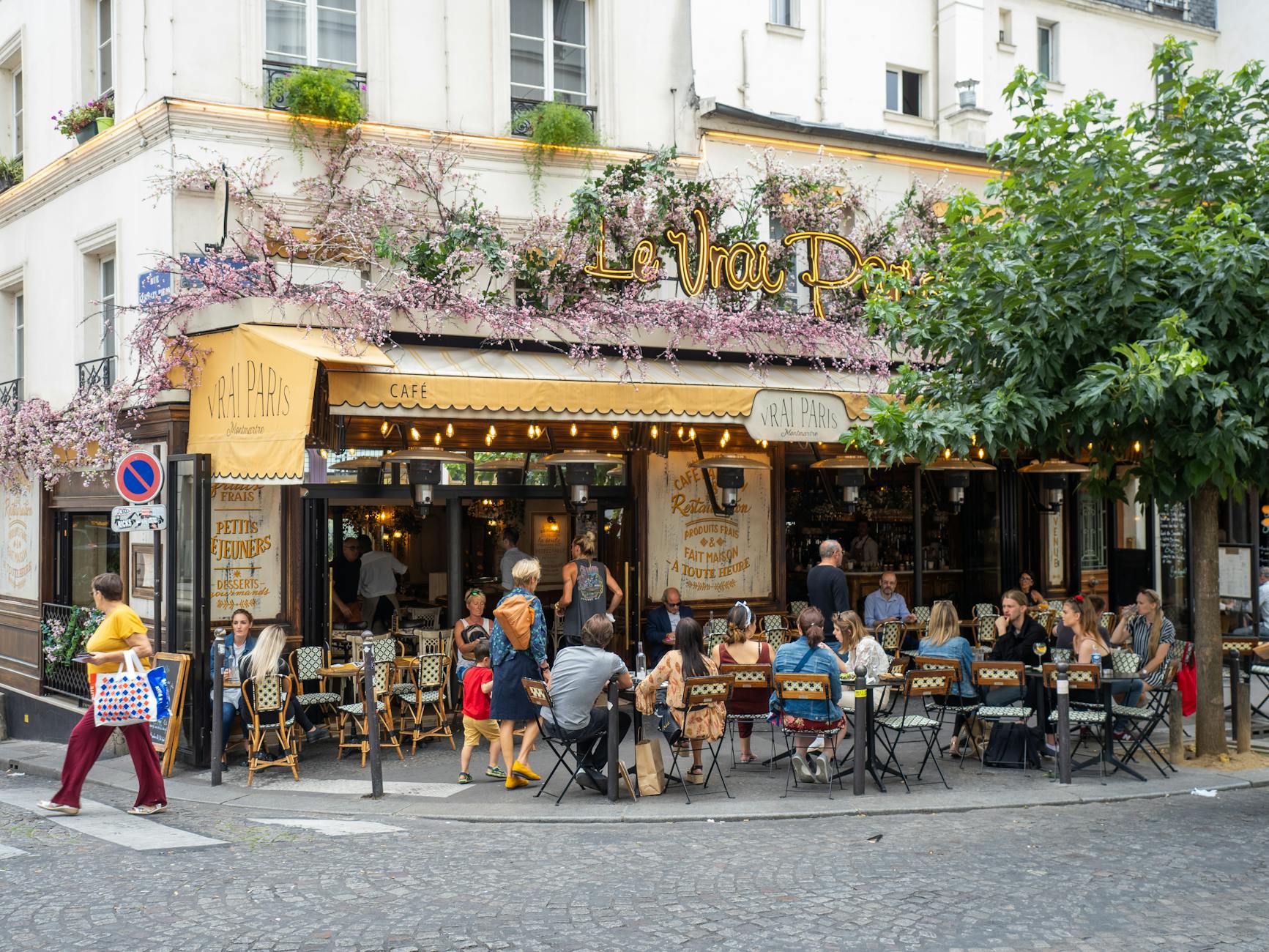
Paris is not one city, really. It is twenty small worlds curled into one elegant, complicated, endlessly fascinating capital. One moment you are walking beneath the gilded grandeur of the 1st arrondissement, the next you are drinking coffee in the Marais, browsing bookshops in Saint-Germain-des-Prés, watching locals picnic beside Canal Saint-Martin, or climbing the village-like streets of Montmartre.
Understanding Paris begins with understanding its arrondissements. The city is divided into 20 arrondissements, arranged in a clockwise spiral from the centre, often described as the shape of a snail shell. Since 2020, the 1st, 2nd, 3rd and 4th arrondissements have also been administratively grouped as Paris Centre, although travellers and locals still commonly refer to each district by its number and personality.
For visitors, the arrondissement system is one of the easiest ways to decode the city. The 1st is central and grand. The 6th is literary and romantic. The 7th is classic postcard Paris. The 10th and 11th are energetic and creative. The 16th is polished and residential. The 18th, 19th and 20th feel more local, diverse and artistic.
This guide is designed for anyone trying to understand where to stay, eat, live, work, visit and play in Paris. Whether you are planning your first trip, returning for a slower stay, moving for work, studying abroad, or simply dreaming of a more Parisian life, here is how to choose the arrondissement that suits you best.
Paris Arrondissements Explained
Paris is divided into 20 numbered arrondissements, each with its own town hall, character and rhythm. The numbers begin in the centre of the city and spiral outward. Lower numbers are generally more central, while higher numbers sit further from the historic core, although this does not mean they are less interesting.
For travellers, the arrondissement number appears in the postcode. A Paris postcode beginning with 75006 means the address is in the 6th arrondissement. A postcode beginning with 75011 is in the 11th. This is one of the simplest ways to quickly understand where a hotel, restaurant or apartment is located.
It is also worth knowing that Paris transport zones are not the same as arrondissements. All 20 Paris arrondissements sit within Zone 1 for public transport, while zones 2 to 5 extend into the surrounding suburbs and outer areas.
Quick Guide, The Best Paris Areas by Traveller Type
Best for first-time visitors: 1st, 4th, 5th, 6th, 7th
Best for romance: 6th, 7th, 18th, parts of the 4th
Best for food lovers: 2nd, 3rd, 10th, 11th, 20th
Best for fashion and shopping: 1st, 3rd, 4th, 6th, 8th, 9th
Best for families: 5th, 6th, 7th, 15th, 16th, 17th
Best for nightlife: 9th, 10th, 11th, 18th, 20th
Best for a local feel: 11th, 12th, 14th, 15th, 17th, 19th, 20th
Best for luxury hotels: 1st, 7th, 8th, 16th
Best for longer stays: 5th, 11th, 12th, 14th, 15th, 17th
Best for creatives and remote workers: 3rd, 10th, 11th, 19th, 20th
Time Out’s recent Paris neighbourhood guide highlights Saint-Germain-des-Prés, the Marais, Oberkampf, République, Montmartre, Belleville and Ménilmontant as some of the city’s most compelling areas for visitors, each suited to a different travel style.
1st Arrondissement, Louvre, Palais Royal and Tuileries
The 1st arrondissement is Paris at its most polished and monumental. This is where you come for the Louvre, the Tuileries Garden, Place Vendôme, Palais Royal and the elegant streets around Rue Saint-Honoré. It is central, beautiful and exceptionally convenient.
For first-time visitors who want to wake up within walking distance of major landmarks, the 1st is hard to beat. You can stroll to the Seine, cross to the Left Bank, visit the Louvre in the morning, shop in the afternoon and finish with drinks near Palais Royal.
Best for: first-time visitors, luxury travellers, museum lovers, shoppers, short stays.
Where to eat: Look around Palais Royal, Rue Saint-Honoré and the streets close to Les Halles for everything from classic brasseries to modern bistros. This is also a good area for elegant lunches, patisserie stops and polished hotel dining.
Where to stay: Choose the 1st if you want convenience and are happy to pay for it. Hotels here tend to be expensive, but the location is exceptional.
What to visit: The Louvre, Tuileries Garden, Palais Royal, Sainte-Chapelle nearby, Place Vendôme, Musée de l’Orangerie nearby.
Living and working vibe: Prestigious but not especially residential. It is beautiful, central and practical, but can feel expensive and tourist-heavy.
Pros: Extremely central, walkable, elegant, great for landmarks.
Cons: Expensive, busy, less neighbourhood-like at night in some pockets.
2nd Arrondissement, Bourse, Sentier and Montorgueil
The 2nd arrondissement is compact, stylish and full of energy. It is home to historic covered passages, the former garment district of Sentier, the business-focused Bourse area and one of Paris’s great food streets, Rue Montorgueil.
This is a fantastic arrondissement for travellers who want central Paris without quite the same postcard atmosphere as the 1st. It has excellent restaurants, cocktail bars, boutiques and easy metro access.
Best for: food lovers, couples, central stays, design-minded travellers, people who like walking everywhere.
Where to eat: Rue Montorgueil is the obvious starting point, with bakeries, cheese shops, cafés, wine bars and bistros. The covered passages also hide charming old-world dining rooms and cafés.
Where to stay: Boutique hotels and stylish apartments work well here. It is especially useful for travellers who want to be near the Marais, Louvre, Palais Garnier and Grands Boulevards.
What to visit: Passage des Panoramas, Galerie Vivienne nearby, Rue Montorgueil, Bourse de Commerce nearby, Grand Rex.
Living and working vibe: Good for people who want centrality and energy. The Sentier area has a strong start-up and creative work feel.
Pros: Central, food-focused, stylish, walkable.
Cons: Some streets can feel busy, compact and expensive.
3rd Arrondissement, Northern Marais and Temple
The 3rd arrondissement is one of Paris’s most fashionable and appealing neighbourhoods. It forms the quieter northern part of the Marais, with art galleries, concept stores, small museums, cafés, bakeries and beautiful old streets.
Compared with the 4th, the 3rd feels slightly more local and less crowded. It is still central, but it has a neighbourhood rhythm that makes it ideal for repeat visitors.
Best for: design lovers, fashion travellers, café culture, couples, solo travellers.
Where to eat: The 3rd is excellent for modern bistros, coffee shops, wine bars, bakeries and stylish casual dining. You will find plenty around Rue de Bretagne, the Marché des Enfants Rouges and the Haut Marais.
Where to stay: Boutique hotels and apartments are ideal here. It is one of the best areas for travellers who want beauty, convenience and personality.
What to visit: Musée Picasso, Musée Carnavalet nearby, Marché des Enfants Rouges, Rue de Bretagne, Carreau du Temple.
Living and working vibe: Highly desirable, creative, fashionable and central. Popular with designers, media people, boutique owners and remote workers.
Pros: Stylish, walkable, central, great food and shopping.
Cons: Expensive, increasingly popular, limited hotel bargains.
4th Arrondissement, Southern Marais, Île Saint-Louis and Notre-Dame
The 4th arrondissement is historic, romantic and lively. It includes the southern Marais, Hôtel de Ville, Île Saint-Louis and the area around Notre-Dame. This is one of the most atmospheric parts of Paris, with medieval streets, grand squares, river views and an unbeatable central location.
If you want the Paris of old stone buildings, hidden courtyards and long walks along the Seine, the 4th is a dream.
Best for: first-time visitors, romantics, history lovers, LGBTQIA+ travellers, walkers.
Where to eat: The Marais has everything from falafel and bakeries to fashionable restaurants, wine bars and classic cafés. Île Saint-Louis is perfect for ice cream, quiet dinners and evening strolls.
Where to stay: Hotels here are often boutique and expensive, but the location is superb. Staying on or near Île Saint-Louis feels especially romantic.
What to visit: Notre-Dame, Place des Vosges nearby, Île Saint-Louis, Centre Pompidou nearby, Hôtel de Ville, the Seine.
Living and working vibe: Beautiful and central, but also crowded. Best for those who prioritise atmosphere over space.
Pros: Historic, romantic, central, beautiful.
Cons: Crowded, expensive, tourist-heavy in key areas.
5th Arrondissement, Latin Quarter
The 5th arrondissement is one of the oldest and most intellectual parts of Paris. Known as the Latin Quarter, it is home to the Sorbonne, the Panthéon, bookshops, cinemas, Roman ruins, student cafés and winding streets that feel deeply connected to the city’s academic history.
It is a wonderful area for travellers who want culture without losing access to central Paris.
Best for: students, families, history lovers, book lovers, first-time visitors who want atmosphere.
Where to eat: Expect a mix of student-friendly cafés, classic bistros, casual restaurants and atmospheric old dining rooms. Rue Mouffetard is a favourite for market shopping and casual eating.
Where to stay: The 5th offers a good balance of charm, location and relative calm. It is often better value than the 6th while still feeling central and beautiful.
What to visit: Panthéon, Jardin des Plantes, Grande Mosquée de Paris, Arènes de Lutèce, Shakespeare and Company nearby, Rue Mouffetard.
Living and working vibe: Academic, cultured and residential in parts. Good for students, writers and longer stays.
Pros: Historic, walkable, charming, good transport.
Cons: Some areas near tourist streets can feel busy or overly commercial.
6th Arrondissement, Saint-Germain-des-Prés and Luxembourg
The 6th arrondissement is the Paris many people dream of before they arrive. Saint-Germain-des-Prés, the Jardin du Luxembourg, elegant galleries, old cafés, bookshops and polished boutiques all sit within this deeply romantic Left Bank district.
It is refined, literary and beautiful, with a slower glamour than the Right Bank. Eat.Live.Escape has previously highlighted the Jardin du Luxembourg as one of Paris’s loveliest escapes, a 23 acre garden beside the Luxembourg Palace.
Best for: romance, luxury stays, writers, culture lovers, stylish travellers.
Where to eat: Café de Flore and Les Deux Magots are the icons, but the best meals are often found in smaller bistros, wine bars and patisseries around Rue de Seine, Odéon and Saint-Sulpice. Ralph’s on Boulevard Saint-Germain is also a Paris institution.
Where to stay: The 6th is one of the best places to stay in Paris if budget allows. Boutique hotels, elegant apartments and classic Left Bank stays dominate.
What to visit: Jardin du Luxembourg, Saint-Sulpice, Musée Delacroix, Odéon, art galleries, bookshops.
Living and working vibe: Elegant, expensive and established. Ideal for those who want beauty, culture and walkability.
Pros: Beautiful, safe-feeling, romantic, central.
Cons: Expensive, polished, less edgy or experimental.
7th Arrondissement, Eiffel Tower, Invalides and Rue Cler
The 7th arrondissement is classic postcard Paris. It is home to the Eiffel Tower, Les Invalides, Musée d’Orsay nearby, Rue Cler, embassies, grand avenues and some of the city’s most elegant residential streets.
For travellers who want the Eiffel Tower close by and a calm, upscale base, the 7th is an obvious choice. It is especially appealing for families, couples and first-time visitors who want beauty without too much nightlife.
Best for: first-time visitors, families, luxury travellers, Eiffel Tower views.
Where to eat: Rue Cler is a great place for food shopping, cafés and casual meals. The area around École Militaire and Invalides has classic bistros and polished restaurants.
Where to stay: Choose the 7th for luxury hotels, refined apartments and Eiffel Tower views. It is quieter at night than the Marais or Saint-Germain.
What to visit: Eiffel Tower, Champ de Mars, Les Invalides, Musée Rodin, Musée d’Orsay nearby, Rue Cler.
Living and working vibe: Elegant, residential, calm and expensive. Good for families and diplomats, less ideal for nightlife seekers.
Pros: Beautiful, safe-feeling, iconic, family-friendly.
Cons: Expensive, quieter at night, some parts feel more formal than lively.
8th Arrondissement, Champs-Élysées and Golden Triangle
The 8th is Paris dressed for business class. It includes the Champs-Élysées, Arc de Triomphe, Grand Palais, Avenue Montaigne and the Golden Triangle, one of the world’s most luxurious shopping districts.
This is a high-end, hotel-heavy arrondissement, excellent for luxury travellers but not necessarily the best choice for those seeking village-style Paris.
Best for: luxury shopping, five-star hotels, business travel, fashion lovers.
Where to eat: Hotel restaurants, grand cafés, polished brasseries and luxury dining dominate. For a more local feel, look away from the Champs-Élysées and toward side streets.
Where to stay: The 8th has some of Paris’s grandest hotels. It is a strong choice if you want luxury, shopping and prestige.
What to visit: Arc de Triomphe, Champs-Élysées, Grand Palais, Petit Palais, Place de la Concorde, Avenue Montaigne.
Living and working vibe: Corporate, polished and wealthy. Better for business and luxury stays than everyday neighbourhood life.
Pros: Luxurious, prestigious, excellent shopping.
Cons: Expensive, touristy around major landmarks, less intimate.
9th Arrondissement, Opéra, South Pigalle and Grands Boulevards
The 9th arrondissement is one of the most versatile areas in Paris. It includes grand department stores, the Palais Garnier, theatres, lively streets, cocktail bars, restaurants and the fashionable South Pigalle neighbourhood.
It offers a strong mix of classic Paris and modern energy. For travellers who want food, shopping and nightlife without being too far from the centre, the 9th is excellent.
Best for: shoppers, nightlife, couples, theatre lovers, repeat visitors.
Where to eat: South Pigalle has become a go-to area for restaurants, bakeries, coffee and cocktails. The area around Rue des Martyrs is especially strong for food lovers.
Where to stay: Boutique hotels in the 9th often offer better value than those in the 1st or 6th, while still being central.
What to visit: Palais Garnier, Galeries Lafayette, Printemps, Musée de la Vie Romantique, Rue des Martyrs.
Living and working vibe: Lively, creative and central. Good for those who want energy and convenience.
Pros: Great food, shopping, nightlife, transport.
Cons: Can be busy, some streets feel hectic.
10th Arrondissement, Canal Saint-Martin and Gare du Nord
The 10th is energetic, diverse and increasingly fashionable. It includes Canal Saint-Martin, Gare du Nord, Gare de l’Est and a mix of local streets, restaurants, bars and creative businesses.
Canal Saint-Martin is the star, particularly in warm weather when locals gather by the water with wine, bread and takeaway food. The 10th is not as polished as the 6th or 7th, but it has a strong sense of contemporary Paris.
Best for: younger travellers, food lovers, creatives, nightlife, train connections.
Where to eat: Canal Saint-Martin and the streets around Rue du Faubourg Saint-Denis are excellent for casual dining, modern bistros, bakeries, natural wine bars and multicultural food.
Where to stay: Good for boutique hotels and better-value stays, especially if you need access to Gare du Nord or Gare de l’Est.
What to visit: Canal Saint-Martin, Marché Saint-Quentin, Porte Saint-Denis, Porte Saint-Martin.
Living and working vibe: Creative, urban, lively and practical. Great for remote workers and people who like a bit of grit with their charm.
Pros: Great food, nightlife, diversity, transport.
Cons: Around major train stations can feel chaotic, not always polished.
11th Arrondissement, Oberkampf, Bastille and République
The 11th is one of the best arrondissements in Paris for eating, drinking and living like a local. It is creative, energetic and filled with restaurants, bars, bakeries, concept stores and small neighbourhood streets.
It does not have the obvious landmarks of the 1st or 7th, but that is part of its appeal. This is where you come for the Paris of dinner reservations, late drinks, markets and everyday life.
Best for: food lovers, nightlife, creatives, repeat visitors, longer stays.
Where to eat: The 11th is one of the city’s strongest dining districts, especially around Oberkampf, Charonne, Bastille and Rue Saint-Maur. Expect modern bistros, natural wine, bakeries and casual neighbourhood dining.
Where to stay: Boutique hotels and apartments are popular here. It is an excellent area for travellers who have already seen the major sights and want a more local base.
What to visit: Place de la Bastille, Atelier des Lumières nearby, Oberkampf, Rue de Charonne, Marché Popincourt.
Living and working vibe: Young, creative and social. Excellent for remote workers, hospitality lovers and people who want Paris with energy.
Pros: Excellent food, nightlife, local feel, good value compared with central west Paris.
Cons: Less postcard-pretty, lively streets can be noisy.
12th Arrondissement, Bastille, Bercy and Bois de Vincennes
The 12th is spacious, green and practical. It stretches from Bastille toward Bercy and the Bois de Vincennes, offering parks, markets, residential streets and family-friendly pockets.
This is a smart arrondissement for longer stays, families and travellers who want a calmer side of Paris with good access to the centre.
Best for: families, longer stays, runners, park lovers, travellers seeking value.
Where to eat: Around Aligre Market, you will find cafés, produce stalls, wine bars and casual restaurants. Bercy Village offers an easy dining and shopping option.
Where to stay: Look here for better-value hotels and apartments, especially if you do not need to be in the tourist centre.
What to visit: Marché d’Aligre, Coulée Verte René-Dumont, Bercy Village, Bois de Vincennes, Opéra Bastille nearby.
Living and working vibe: Residential, practical and relaxed. Great for families and longer-term renters.
Pros: Green space, markets, good value, calm.
Cons: Less central, fewer major landmarks.
13th Arrondissement, Butte-aux-Cailles, Chinatown and Bibliothèque
The 13th is one of Paris’s most underrated arrondissements. It is diverse, modern and full of contrasts, from the village-like Butte-aux-Cailles to Paris’s main Chinatown and the contemporary architecture around Bibliothèque François-Mitterrand.
This is not the Paris of classic postcards, but it is fascinating, affordable by Paris standards and excellent for food.
Best for: budget-conscious travellers, food lovers, students, longer stays.
Where to eat: The 13th is one of the best areas for Asian food in Paris, particularly around Avenue de Choisy and Avenue d’Ivry. Butte-aux-Cailles has charming bistros and bars.
Where to stay: Good for value-focused hotels and apartments, especially for longer stays.
What to visit: Butte-aux-Cailles, Paris Chinatown, Bibliothèque François-Mitterrand, street art, Manufacture des Gobelins.
Living and working vibe: Diverse, student-friendly and more affordable. Good for people who want space and practicality.
Pros: Good food, better value, less touristy.
Cons: Less central, some areas feel more modern than charming.
14th Arrondissement, Montparnasse and Denfert-Rochereau
The 14th is calm, residential and quietly charming. Historically linked with artists and writers, Montparnasse still carries traces of its creative past, although today the arrondissement feels more everyday than glamorous.
It is a good choice for travellers who want a local, relaxed base with good transport and access to the Left Bank.
Best for: longer stays, families, quiet travellers, Left Bank lovers.
Where to eat: Look for classic brasseries around Montparnasse, neighbourhood bistros near Pernety and casual cafés around Denfert-Rochereau.
Where to stay: The 14th often offers better-value hotels than the 6th or 7th while still feeling connected.
What to visit: Paris Catacombs, Montparnasse Cemetery, Parc Montsouris, Fondation Cartier, Rue Daguerre.
Living and working vibe: Residential, calm and practical. Good for people who want comfort over scene.
Pros: Relaxed, good transport, good value, local feel.
Cons: Less glamorous, fewer major attractions.
15th Arrondissement, Vaugirard and Convention
The 15th is Paris’s largest arrondissement by population and one of its most residential. It is calm, family-friendly and practical, with local markets, schools, parks and everyday cafés.
Travellers often overlook the 15th because it lacks the obvious romance of the Marais or Saint-Germain, but it can be a very comfortable place to stay, especially for families or longer visits.
Best for: families, longer stays, practical travellers, people seeking quiet.
Where to eat: Expect neighbourhood bistros, bakeries, market streets and casual restaurants rather than destination dining. Rue du Commerce has good shopping and cafés.
Where to stay: Good value can be found here, especially for apartment stays.
What to visit: Parc André Citroën, Beaugrenelle shopping centre, Rue du Commerce, Convention, access to the Eiffel Tower from some northern pockets.
Living and working vibe: Residential, safe-feeling and functional. Popular with families.
Pros: Calm, practical, family-friendly, often better value.
Cons: Less atmospheric, fewer major sights.
16th Arrondissement, Passy, Trocadéro and Auteuil
The 16th is elegant, wealthy and residential. It is known for grand apartments, wide avenues, embassies, museums, parks and some of the best Eiffel Tower views from Trocadéro.
This is one of the most refined parts of Paris, but it is also quieter and less nightlife-focused. It suits travellers who want calm, space and elegance.
Best for: families, luxury travellers, longer stays, quiet seekers.
Where to eat: Passy and Auteuil offer polished neighbourhood restaurants, bakeries, cafés and food shops. Dining is more classic and understated than experimental.
Where to stay: Choose the 16th for elegant hotels, apartment stays and peaceful streets, especially if you want to be near the Eiffel Tower without staying in the tourist crush.
What to visit: Trocadéro, Palais de Tokyo nearby, Musée Marmottan Monet, Bois de Boulogne, Fondation Louis Vuitton nearby, Passy.
Living and working vibe: Upscale, calm and residential. Popular with families and expats who want space.
Pros: Elegant, quiet, safe-feeling, green space.
Cons: Expensive, less nightlife, can feel removed from the centre.
17th Arrondissement, Batignolles, Ternes and Monceau
The 17th is varied and increasingly popular. It includes polished areas near Parc Monceau and Ternes, as well as the more village-like Batignolles, which has become a favourite for young families, creatives and food lovers. It is an excellent arrondissement for travellers who want a local stay with a refined but relaxed feel.
Best for: families, repeat visitors, food lovers, longer stays.
Where to eat: Batignolles has excellent cafés, bakeries, wine bars and restaurants. Rue des Dames and Rue des Batignolles are good starting points.
Where to stay: Boutique hotels and apartments work well here. It is especially appealing if you want a calmer base that still has atmosphere.
What to visit: Parc Monceau, Batignolles, Marché des Batignolles, Cité de l’Économie, nearby access to Montmartre and the 8th.
Living and working vibe: Residential, stylish and increasingly desirable. Good for families and professionals.
Pros: Local, charming, good food, less touristy.
Cons: Not as central, some pockets are quieter at night.
18th Arrondissement, Montmartre, Abbesses and Barbès
The 18th is one of the most famous and layered arrondissements in Paris. Montmartre is the romantic headline, with cobbled lanes, staircases, artists, cafés and views. But the arrondissement also includes more bustling, diverse and gritty areas around Barbès and La Goutte d’Or.
Montmartre is ideal for couples and dreamers, while the broader 18th offers a much more complex picture of Paris.
Best for: romance, artists, photographers, nightlife, budget-conscious travellers in some areas.
Where to eat: Around Abbesses and Lamarck-Caulaincourt you will find cafés, bakeries, bistros and wine bars. Barbès and La Goutte d’Or offer a more multicultural food scene.
Where to stay: Montmartre can be charming, especially around Abbesses or Lamarck-Caulaincourt. Choose carefully if you prefer quiet streets.
What to visit: Sacré-Cœur, Place du Tertre, Musée de Montmartre, Rue des Abbesses, Moulin Rouge nearby, Marché Barbès.
Living and working vibe: Artistic, scenic, diverse and sometimes hectic. Great for creative types who enjoy atmosphere.
Pros: Beautiful views, romantic streets, strong character.
Cons: Very touristy near Sacré-Cœur, hilly, uneven depending on pocket.
19th Arrondissement, Buttes-Chaumont, La Villette and Canal de l’Ourcq
The 19th is one of Paris’s most interesting arrondissements for people who want green space, culture and a more local perspective. It includes Parc des Buttes-Chaumont, Parc de la Villette, Canal de l’Ourcq and a growing food and nightlife scene.
It is less central and less polished than the western arrondissements, but it offers space, creativity and a younger energy.
Best for: families, creatives, park lovers, budget-conscious travellers, repeat visitors.
Where to eat: Canal de l’Ourcq and the streets around Jaurès, Laumière and Buttes-Chaumont offer casual restaurants, cafés and bars.
Where to stay: Good for value-focused travellers who do not mind taking the metro into central Paris.
What to visit: Parc des Buttes-Chaumont, Parc de la Villette, Philharmonie de Paris, Canal de l’Ourcq, Cité des Sciences et de l’Industrie.
Living and working vibe: Creative, diverse, green and residential. Good for families and people seeking affordability.
Pros: Parks, culture, better value, local energy.
Cons: Less central, not traditionally glamorous.
20th Arrondissement, Belleville, Ménilmontant and Père Lachaise
The 20th is one of Paris’s most vibrant and characterful arrondissements. It includes Belleville, Ménilmontant and Père Lachaise, with street art, music venues, multicultural food, hilltop views, independent bars and a more alternative spirit.
Belleville has been increasingly recognised for its food, fashion and creative energy, while Ménilmontant has earned attention for its bohemian, multicultural feel and off-the-tourist-trail charm. (Vogue)
Best for: creatives, food lovers, nightlife, budget-conscious travellers, repeat visitors.
Where to eat: Belleville is excellent for Chinese, Vietnamese, North African, Jewish Tunisian, bistro and natural wine scenes. Ménilmontant has relaxed restaurants, cafés and bars with a local feel.
Where to stay: Accommodation is more limited than in central Paris, but you can find good-value hotels and apartments.
What to visit: Père Lachaise Cemetery, Parc de Belleville, Belleville street art, Rue de Ménilmontant, La Bellevilloise.
Living and working vibe: Creative, diverse, lively and less polished. Great for artists, musicians, students and independent spirits.
Pros: Character, food, nightlife, views, better value.
Cons: Less central, hilly, not ideal for first-time visitors who want classic Paris on the doorstep.
Paris Neighbourhoods Beyond the Arrondissement Number
The arrondissement number is helpful, but it does not tell the whole story. Paris is also a city of neighbourhoods, and some of the best-known areas cross arrondissement boundaries.
The Marais sits mainly across the 3rd and 4th.
Saint-Germain-des-Prés is in the 6th.
The Latin Quarter is mostly in the 5th.
Montmartre is in the 18th.
Canal Saint-Martin is in the 10th.
South Pigalle is in the 9th.
Belleville spreads across parts of the 19th and 20th.
Ménilmontant sits largely in the 20th.
Batignolles is in the 17th.
Butte-aux-Cailles is in the 13th.
This matters because two streets in the same arrondissement can feel completely different. The 18th around Abbesses feels romantic and village-like, while Barbès is busier and more urban. The 9th near Opéra feels grand and commercial, while South Pigalle feels younger and trendier. The 16th around Passy is polished and residential, while Trocadéro is more visitor-heavy.
Where to Stay in Paris for a First Visit
For a first trip to Paris, choose somewhere central, walkable and well connected. The best arrondissements for first-time visitors are usually the 1st, 4th, 5th, 6th and 7th.
The 1st is ideal if you want major landmarks close by. The 4th gives you history, the Seine and the Marais. The 5th is charming and slightly more relaxed. The 6th is romantic and classic. The 7th is perfect if you want Eiffel Tower proximity and a calmer, elegant feel.
If you are visiting for only two or three nights, convenience matters more than chasing a cheaper hotel far from the centre. If you are staying for a week or longer, neighbourhood feel becomes more important, and areas like the 11th, 14th, 15th, 17th and 20th become much more appealing.
Where to Stay in Paris for Food
If food is your focus, look beyond the obvious tourist zones. The 2nd is excellent for market streets and central dining. The 3rd and 4th are strong for cafés, bakeries, wine bars and stylish restaurants. The 10th and 11th are among the best areas for modern bistros and casual dining. The 20th is ideal for more adventurous eaters who want Belleville, Ménilmontant and multicultural food.
For a food-focused trip, the 11th may be the best overall arrondissement. It offers excellent dining, lively bars, good bakeries, strong transport and a local feel without being too far from the centre.
Where to Stay in Paris for Romance
For romance, the 6th is hard to beat. Saint-Germain-des-Prés, the Luxembourg Gardens, old cafés and Left Bank streets create exactly the kind of Paris people imagine.
The 4th is also romantic, especially near Île Saint-Louis and the Seine. The 7th works beautifully for couples who want Eiffel Tower views and elegant hotels. Montmartre in the 18th is charming, particularly around Abbesses and Lamarck-Caulaincourt, although it can become very crowded around Sacré-Cœur.
Where to Stay in Paris with Children
For families, the best areas are usually the 5th, 6th, 7th, 15th, 16th and 17th. These arrondissements offer parks, calmer streets, good transport and a safer-feeling residential atmosphere.
The 5th gives families culture, gardens and walkability. The 6th has the Luxembourg Gardens. The 7th offers Champ de Mars and Eiffel Tower access. The 15th is practical and residential. The 16th has space, parks and calm. The 17th, especially Batignolles, has a lovely neighbourhood feel.
Where to Stay in Paris for Nightlife
For nightlife, the 9th, 10th, 11th, 18th and 20th are the strongest options. South Pigalle in the 9th is excellent for bars and restaurants. Canal Saint-Martin and Faubourg Saint-Denis in the 10th are lively and fun. Oberkampf and Bastille in the 11th are ideal for late nights. Montmartre and Pigalle bring classic nightlife energy. Belleville and Ménilmontant in the 20th are better for music, casual bars and a more alternative feel.
Where to Live in Paris
Choosing where to live in Paris depends on budget, lifestyle, commute and how much space you need.
For families, the 15th, 16th and 17th are among the most practical. For students, the 5th, 13th, 14th and 20th can work well. For creatives, the 10th, 11th, 19th and 20th offer energy and better value. For professionals who want elegance and convenience, the 6th, 7th, 8th, 16th and 17th are strong choices.
If you want beauty and can afford it, the 6th and 7th are exceptional. If you want community and restaurants, the 11th is hard to beat. If you want space and practicality, look at the 12th, 14th, 15th and 17th. If you want culture and affordability, consider the 19th and 20th.
Where to Work Remotely in Paris
Paris is increasingly friendly for remote workers, with cafés, coworking spaces and hotel lobbies across the city. The best areas for remote work are often the 2nd, 3rd, 10th, 11th, 17th, 19th and 20th.
The 2nd and 3rd are central and stylish. The 10th and 11th have plenty of cafés and creative energy. The 17th is calmer and more residential. The 19th and 20th offer a less expensive, more local rhythm.
For remote workers staying longer than a few days, choose an area with good metro connections, nearby food shops, laundries, cafés and green space. Paris is best when your daily life feels easy.
The Best Paris Arrondissement Overall
There is no single best arrondissement in Paris, because the best choice depends on what you want from the city.
For a first visit, choose the 4th, 5th or 6th.
For luxury, choose the 1st, 7th or 8th.
For food and nightlife, choose the 10th or 11th.
For families, choose the 15th, 16th or 17th.
For creativity, choose the 3rd, 11th, 19th or 20th.
For romance, choose the 6th, 7th or 18th.
For local life, choose the 11th, 12th, 14th, 15th, 17th or 20th.
If you are still unsure, the 6th is the safest beautiful choice, the 4th is the best central historic choice, the 11th is the best food-lover choice, and the 17th is one of the best under-the-radar choices for a longer stay.
Paris Neighbourhood FAQs
What is the best arrondissement to stay in Paris for a first visit?
The best arrondissements for a first visit are the 1st, 4th, 5th, 6th and 7th. They are central, beautiful and well connected, with easy access to major landmarks, museums, restaurants and the Seine.
What is the most romantic neighbourhood in Paris?
Saint-Germain-des-Prés in the 6th is one of the most romantic neighbourhoods in Paris, thanks to its historic cafés, bookshops, galleries and proximity to the Luxembourg Gardens. Île Saint-Louis in the 4th and Montmartre in the 18th are also beautiful choices.
What is the best Paris arrondissement for food?
The 11th arrondissement is one of the best areas in Paris for food, especially for modern bistros, bakeries, wine bars and restaurants. The 2nd, 3rd, 10th and 20th are also excellent for food lovers.
Where should families stay in Paris?
Families should consider the 5th, 6th, 7th, 15th, 16th and 17th arrondissements. These areas offer parks, calmer streets, good public transport and a more residential atmosphere.
What is the coolest neighbourhood in Paris?
Belleville, Ménilmontant, Canal Saint-Martin, Oberkampf and South Pigalle are some of the coolest neighbourhoods in Paris. They are creative, food-focused and lively without feeling as polished as the more classic tourist areas.
Is the Marais a good place to stay in Paris?
Yes, the Marais is one of the best places to stay in Paris, especially for first-time visitors, couples, shoppers and food lovers. It is central, historic, stylish and full of cafés, boutiques, museums and restaurants.
Is Montmartre a good place to stay in Paris?
Montmartre can be a wonderful place to stay if you choose the right pocket, especially around Abbesses or Lamarck-Caulaincourt. It is romantic and atmospheric, but it can be hilly and crowded near Sacré-Cœur.
Which Paris arrondissement is best for nightlife?
The 9th, 10th, 11th, 18th and 20th are best for nightlife. The 11th is especially good for bars and restaurants, while Pigalle, Belleville and Ménilmontant offer a more energetic late-night scene.
Which arrondissement is closest to the Eiffel Tower?
The Eiffel Tower is in the 7th arrondissement. The 15th and 16th also offer good access and, in some areas, excellent Eiffel Tower views.
What is the best area of Paris for a longer stay?
For longer stays, consider the 11th, 12th, 14th, 15th, 17th or 20th. These areas feel more residential and practical while still offering good transport and local life.
The Wrap
Paris rewards the traveller who chooses carefully. Stay in the 1st and you will see the city at its grandest. Stay in the 6th and you will understand why Paris still belongs to writers, dreamers and people who believe lunch should take two hours. Stay in the 11th and you will eat brilliantly. Stay in the 17th and you may start wondering what it would be like to move there. Stay in the 20th and you will discover a Paris that feels alive, creative and far from cliché.
The beauty of Paris is that no arrondissement tells the whole story. The city changes street by street, café by café, market by market. The best way to know it is to walk, get slightly lost, follow the smell of bread, sit longer than planned and let each neighbourhood reveal itself slowly.
Where to Next
Planning more of your Paris escape? Read on!
Where to Stay in Paris: The Best Neighborhoods for Every Traveler
A helpful next read if you are narrowing down which part of Paris suits your trip best, from romantic Left Bank stays to stylish Right Bank neighbourhoods.
Where to Eat Breakfast in Paris
Start your mornings the Parisian way with our guide to beautiful breakfast and brunch spots in the French capital.
The Jardin du Luxembourg, Paris
A lovely companion read for anyone exploring Saint-Germain-des-Prés, the Latin Quarter or the elegant streets of the 6th arrondissement.
Beautiful Paris Hotspots You Didn’t See In Emily In Paris
Go beyond the obvious locations with a chic guide to beautiful Paris places worth adding to your itinerary.
The Iconic Pool at Hotel Molitor Featured in Emily in Paris
A fun Paris hotel and culture read for anyone who loves design, history and a glamorous hidden side of the city.
Luxurious European Destinations For Couples
If Paris is part of a romantic European escape, this guide offers more beautiful destinations to add to your wish list.
The Most Beautiful Coastal Destinations in Europe
For readers dreaming beyond the city, this guide moves from Parisian streets to sunlit European coastlines.
Want to incorporate a little Parisian luxury into your own home? See our ele HOME guide here.
Share this:
Like this: