Planning your first trip to South Korea’s tropical paradise? You’re in for an unforgettable experience. Jeju Island, a volcanic wonderland rising from the Korea Strait, offers everything from pristine beaches and dramatic lava tubes to unique cultural experiences and mouthwatering cuisine. This UNESCO World Heritage site attracts millions of visitors annually, and it’s easy to see why once you start exploring its diverse landscapes and attractions.
When to Visit Jeju Island
Timing can make or break your island getaway. Spring (April to June) brings mild weather and blooming canola flowers that paint the landscape yellow, creating Instagram-worthy backdrops everywhere you turn. Summer attracts beach lovers but also brings crowds and higher prices.
Fall (September to November) is arguably the best season, offering comfortable temperatures, fewer tourists, and stunning autumn foliage. Winter can be surprisingly cold and windy, but you’ll find the best deals and have popular attractions mostly to yourself. Just pack warm layers and be prepared for occasional snowfall on Hallasan Mountain.
Photo by Sangmin Jeong
Getting Around the Island
Renting a car is hands-down the best way to explore Jeju. The island is larger than you might expect, and public transportation, while available, can be time-consuming and limiting. International visitors can drive with an International Driving Permit, and rental rates are reasonable.
If driving isn’t your style, consider joining organized day tours that hit multiple attractions. Taxis are readily available but can get expensive for longer distances. Many Jeju Island Hotels also offer shuttle services to major attractions, which can be convenient if you’re staying in tourist-heavy areas like Seogwipo or Jeju City.
Must-See Natural Attractions
Hallasan National Park dominates the island’s center, and hiking South Korea’s highest mountain is a bucket-list experience. The Seongpanak and Gwaneumsa trails lead to the summit crater, but allocate a full day and start early since rangers close the upper sections by early afternoon.
The Manjanggul Lava Tube stretches over 8 kilometers underground, though only one kilometer is open to visitors. Walking through this ancient volcanic tunnel feels otherworldly. Don’t miss Seongsan Ilchulbong (Sunrise Peak), a dramatic volcanic crater rising from the sea. Climbing to the top takes about 30 minutes and rewards you with panoramic coastal views.
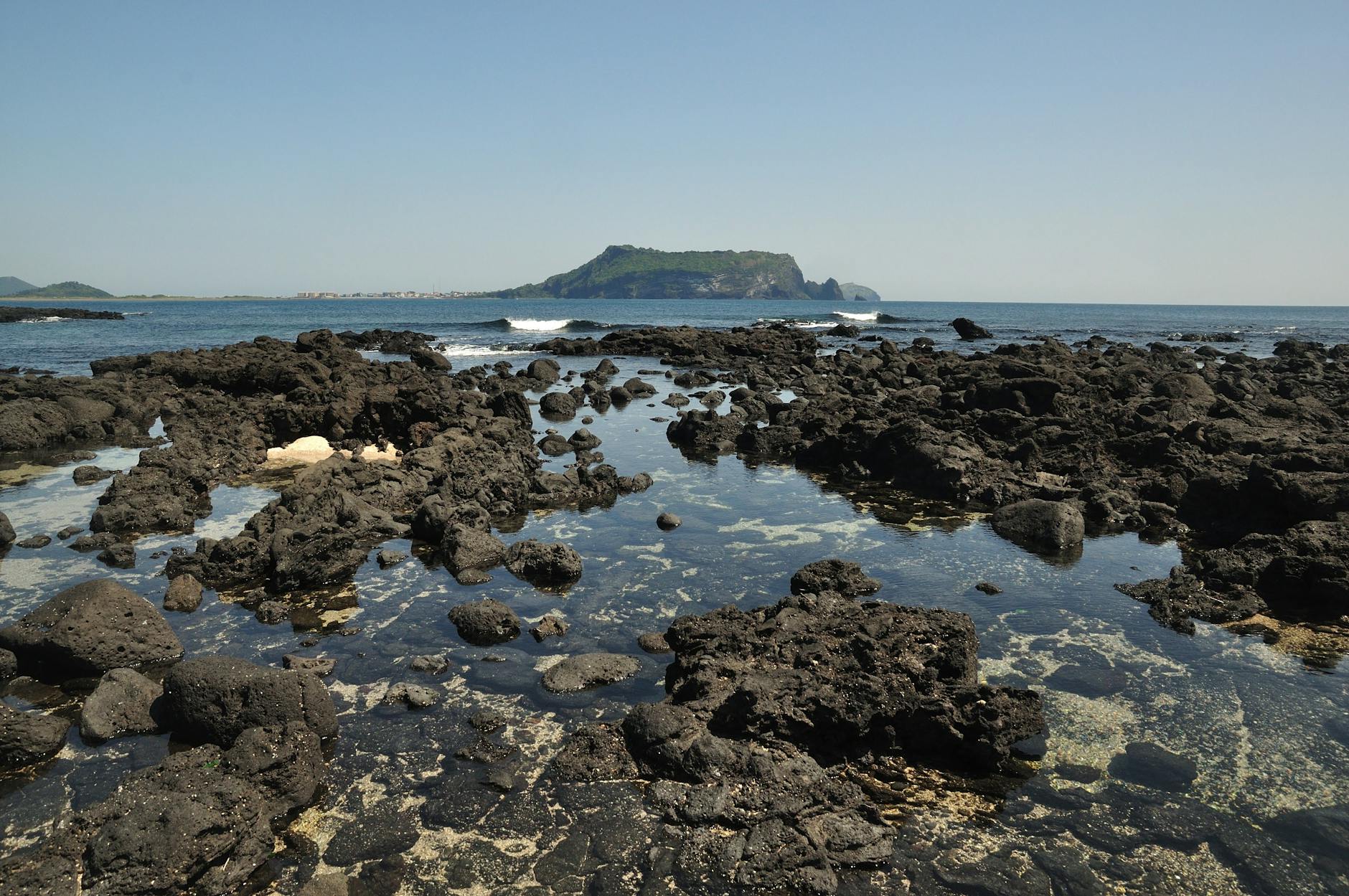
Jeju’s coastline offers spectacular scenery at every turn. The Jusangjeolli Cliffs showcase dramatic hexagonal rock formations created by cooling lava, while Cheonjiyeon Waterfall provides a peaceful retreat surrounded by subtropical plants.
Jeju’s unique culture sets it apart from mainland Korea. Visit a traditional haenyeo (women divers) performance to learn about these remarkable free-diving grandmothers who harvest seafood using centuries-old techniques. The Seongeup Folk Village preserves traditional thatched-roof houses and offers glimpses into historical island life.
Food lovers will find paradise here. Black pork barbecue is the island’s signature dish, and you haven’t truly visited Jeju until you’ve tried it. Fresh seafood is abundant and affordable, especially at local markets. Sample hallabong (Jeju mandarin oranges), which are sweeter and juicier than regular oranges, and try omegi-tteok, a traditional rice cake made with millet.
Practical Tips for First-Time Visitors
Korean is the primary language, and English isn’t widely spoken outside major hotels and tourist attractions. Download a translation app and learn a few basic Korean phrases to enhance your experience. Most restaurants and shops accept cards, but carry some cash for smaller vendors and market purchases.
The island runs on Korean won, and ATMs are plentiful in cities but sparse in rural areas. Weather can change quickly, especially near the coast and mountains, so pack layers regardless of season. Sunscreen is essential year-round due to strong UV rays, even on cloudy days.
Book accommodations and rental cars in advance, especially during peak seasons and Korean holidays. Many popular restaurants don’t take reservations, so arrive early or be prepared to wait.
Making the Most of Your Jeju Adventure
Three to four days gives you enough time to see major highlights without feeling rushed. Base yourself in either Jeju City for convenience or Seogwipo for scenic beauty. Create a flexible itinerary that groups attractions by region to minimize driving time.
Jeju Island rewards those who venture beyond the main tourist circuit. Take detours down small coastal roads, stop at roadside tangerine stands, and don’t be afraid to explore lesser-known beaches and cafes. The island’s magic often reveals itself in unexpected moments between planned activities. Your first visit to Jeju will likely leave you planning your return before you even leave.


Planning your first trip to South Korea’s tropical paradise? You’re in for an unforgettable experience. Jeju Island, a volcanic wonderland rising from the Korea Strait, offers everything from pristine beaches and dramatic lava tubes to unique cultural experiences and mouthwatering cuisine. This UNESCO World Heritage site attracts millions of visitors annually, and it’s easy to see why once you start exploring its diverse landscapes and attractions.
When to Visit Jeju Island
Timing can make or break your island getaway. Spring (April to June) brings mild weather and blooming canola flowers that paint the landscape yellow, creating Instagram-worthy backdrops everywhere you turn. Summer attracts beach lovers but also brings crowds and higher prices.
Fall (September to November) is arguably the best season, offering comfortable temperatures, fewer tourists, and stunning autumn foliage. Winter can be surprisingly cold and windy, but you’ll find the best deals and have popular attractions mostly to yourself. Just pack warm layers and be prepared for occasional snowfall on Hallasan Mountain.
Getting Around the Island
Renting a car is hands-down the best way to explore Jeju. The island is larger than you might expect, and public transportation, while available, can be time-consuming and limiting. International visitors can drive with an International Driving Permit, and rental rates are reasonable.
If driving isn’t your style, consider joining organized day tours that hit multiple attractions. Taxis are readily available but can get expensive for longer distances. Many Jeju Island Hotels also offer shuttle services to major attractions, which can be convenient if you’re staying in tourist-heavy areas like Seogwipo or Jeju City.
Must-See Natural Attractions
Hallasan National Park dominates the island’s center, and hiking South Korea’s highest mountain is a bucket-list experience. The Seongpanak and Gwaneumsa trails lead to the summit crater, but allocate a full day and start early since rangers close the upper sections by early afternoon.
The Manjanggul Lava Tube stretches over 8 kilometers underground, though only one kilometer is open to visitors. Walking through this ancient volcanic tunnel feels otherworldly. Don’t miss Seongsan Ilchulbong (Sunrise Peak), a dramatic volcanic crater rising from the sea. Climbing to the top takes about 30 minutes and rewards you with panoramic coastal views.
Jeju’s coastline offers spectacular scenery at every turn. The Jusangjeolli Cliffs showcase dramatic hexagonal rock formations created by cooling lava, while Cheonjiyeon Waterfall provides a peaceful retreat surrounded by subtropical plants.
Cultural Experiences and Local Flavors
Jeju’s unique culture sets it apart from mainland Korea. Visit a traditional haenyeo (women divers) performance to learn about these remarkable free-diving grandmothers who harvest seafood using centuries-old techniques. The Seongeup Folk Village preserves traditional thatched-roof houses and offers glimpses into historical island life.
Food lovers will find paradise here. Black pork barbecue is the island’s signature dish, and you haven’t truly visited Jeju until you’ve tried it. Fresh seafood is abundant and affordable, especially at local markets. Sample hallabong (Jeju mandarin oranges), which are sweeter and juicier than regular oranges, and try omegi-tteok, a traditional rice cake made with millet.
Practical Tips for First-Time Visitors
Korean is the primary language, and English isn’t widely spoken outside major hotels and tourist attractions. Download a translation app and learn a few basic Korean phrases to enhance your experience. Most restaurants and shops accept cards, but carry some cash for smaller vendors and market purchases.
The island runs on Korean won, and ATMs are plentiful in cities but sparse in rural areas. Weather can change quickly, especially near the coast and mountains, so pack layers regardless of season. Sunscreen is essential year-round due to strong UV rays, even on cloudy days.
Book accommodations and rental cars in advance, especially during peak seasons and Korean holidays. Many popular restaurants don’t take reservations, so arrive early or be prepared to wait.
Making the Most of Your Jeju Adventure
Three to four days gives you enough time to see major highlights without feeling rushed. Base yourself in either Jeju City for convenience or Seogwipo for scenic beauty. Create a flexible itinerary that groups attractions by region to minimize driving time.
Jeju Island rewards those who venture beyond the main tourist circuit. Take detours down small coastal roads, stop at roadside tangerine stands, and don’t be afraid to explore lesser-known beaches and cafes. The island’s magic often reveals itself in unexpected moments between planned activities. Your first visit to Jeju will likely leave you planning your return before you even leave.
Share this:
Like this: