Thailand is a country that effortlessly blends tradition with modernity, nature with culture, and serenity with adventure. Known for its vibrant festivals, rich history, and stunning landscapes, Thailand is a place that never fails to capture the imagination of travelers and locals alike. Whether you’re a first-time visitor or a seasoned explorer, here are 10 fascinating facts about Thailand that will not only surprise you but make you fall even more in love with this beautiful country.
1. Smallest and Largest Species
Thailand is home to some of the world’s most incredible creatures, including both the smallest mammal and the largest fish. The bumblebee bat (Craseonycteris thonglongyai), found in Thailand, is considered the world’s smallest mammal, weighing in at a mere 2 grams and measuring about the size of a large jellybean. On the opposite end of the spectrum, Thailand also harbors the whale shark, the world’s largest fish. These majestic creatures can weigh up to 20 tons and grow as long as a school bus, making them a breathtaking sight for divers and marine enthusiasts. It’s a country that truly celebrates extremes in nature.
2. Temples and Shrines: A Spiritual Haven
Thailand’s deep-rooted Buddhist culture is reflected in its abundant number of temples and shrines, with over 35,000 scattered throughout the country. Buddhism is practiced by more than 95% of the Thai population, making the country’s spiritual landscape a defining feature of its identity. Some of the most famous temples include Wat Phra Kaew, home to the Emerald Buddha, and Wat Arun, the Temple of Dawn. If you ever find yourself on the beautiful island of Koh Lipe, you’ll experience not only pristine beaches but also cultural landmarks, such as the local shrines that reflect the island’s spiritual ties. For a stay near these serene attractions, you can explore a range of hotels in ko lipe that offer a perfect blend of relaxation and cultural immersion.
3. Songkran Festival: The World’s Largest Water Fight
Every April, Thailand hosts the world’s largest water fight during the Songkran Festival, which marks the Thai New Year. From April 13 to 15, the streets of major cities, especially Bangkok, Chiang Mai, and Phuket, turn into battlegrounds where people armed with water guns, buckets, and hoses soak each other in celebration. This lively event isn’t just about fun; it also has spiritual significance, as the water symbolizes the washing away of bad luck and sins, and the renewal of life for the year ahead. If you find yourself in Thailand during Songkran, be prepared for a wet but unforgettable experience!
4. Bangkok’s Long Name
You might know Thailand’s capital as Bangkok, but did you know that the full name of this bustling metropolis is an astonishing 168 letters long? Here it is in all its glory: “Krung Thep Mahanakhon Amon Rattanakosin Mahinthara Ayuthaya Mahadilok Phop Noppharat Ratchathani Burirom Udomratchaniwet Mahasathan Amon Piman Awatan Sathit Sakkathattiya Witsanukam Prasit.” This mouthful of a name is a description of the city’s royal and religious significance and translates to “City of Angels, Great City of Immortals, Magnificent City of the Nine Gems, etc.” It’s no surprise that most people prefer to stick with just “Bangkok”!
5. From Siam to Thailand
Thailand was once known as Siam, a name that has become synonymous with the country’s cultural identity. However, in 1939, the country officially changed its name to Thailand, which means “Land of the Free.” The name change marked a shift towards a more modern identity, although the country briefly returned to the name Siam in the 1940s before permanently adopting Thailand. This country is the only one in Southeast Asia that was never colonized by European powers, and its name speaks to its proud history of independence. It’s also the birthplace of the Siamese cat, one of the most recognizable cat breeds in the world!
6. The Land of the Free
As mentioned, Thailand is the only country in Southeast Asia that was never colonized by European powers. This historical distinction is why Thailand is often referred to as the Land of the Free. The country’s ability to maintain its sovereignty despite pressures from colonial powers is a point of national pride. The unique blend of royal, religious, and military leadership has helped Thailand navigate turbulent political periods, ensuring its freedom for centuries.
7. Tourism Impact
In 2019, Thailand welcomed a staggering 40 million tourists, making it one of the most visited countries in the world. Tourism is a cornerstone of Thailand’s economy, providing millions of jobs and contributing greatly to the national GDP. The country’s stunning beaches, cultural landmarks, and bustling cities attract travelers from all corners of the globe. However, like the rest of the world, Thailand’s tourism industry took a hit during the COVID-19 pandemic, with the number of visitors dropping significantly. Still, as travel restrictions ease, the Thai tourism sector is expected to bounce back stronger than ever.
8. Hospitality and Smiles
Thailand is often called the Land of Smiles, and for good reason. The Thai people are renowned for their warmth and friendliness, always eager to help and engage with visitors. Whether you’re lost in the streets of Bangkok or simply looking for restaurant recommendations, you’ll find that the kindness and politeness of the Thai people will make you feel right at home. This culture of hospitality is deeply embedded in Thai society, with the famous “wai” (a gesture of pressing your palms together in prayer) symbolizing respect and gratitude in everyday interactions.
9. Festival of Monkeys
In the city of Lopburi, located about 150 kilometers north of Bangkok, there’s an annual tradition that has become a favorite among locals and tourists alike: the Monkey Festival. During this quirky event, thousands of macaque monkeys are treated to a feast of fruits and vegetables. This festival is a gesture of gratitude to the monkeys, who are seen as bringing good fortune and even tourists to the area. The sight of monkeys feasting on watermelon slices and other treats is both amusing and heartwarming, highlighting the unique relationship between the locals and their wild neighbors.
10. Food Assistance: Caring for the Community
Beyond its well-known attractions, Thailand also has a robust system of food assistance aimed at supporting its most vulnerable communities. Since 2009, the Food Pak ministry has worked with 73 churches to provide food and resources to over 28,000 people in need across the country. This initiative highlights Thailand’s commitment to taking care of its own, ensuring that those struggling with poverty or natural disasters receive essential aid. The generosity of the Thai people is a cornerstone of the nation’s social fabric, and this spirit of caring extends to many aspects of life in Thailand.


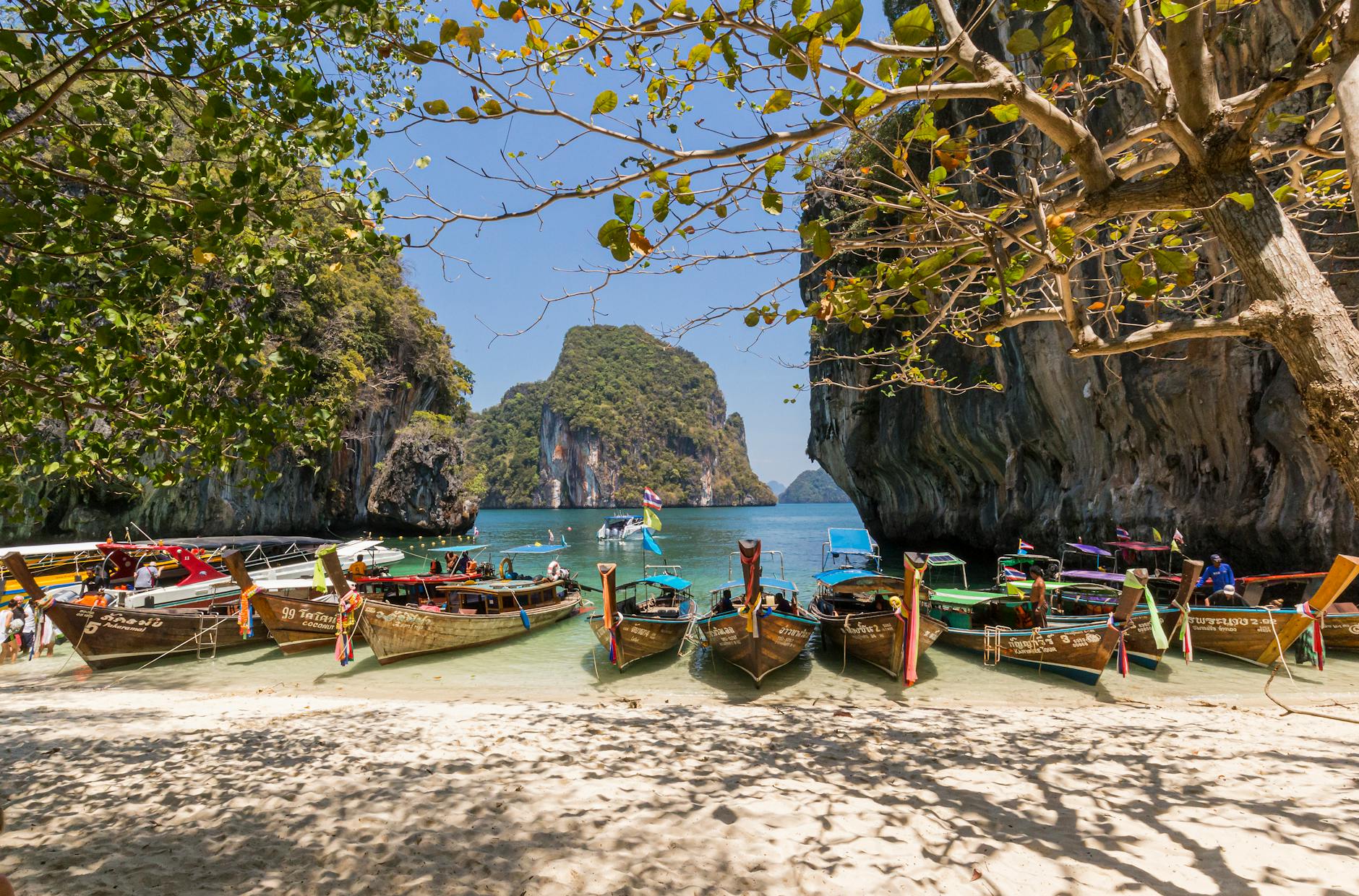
Thailand is a country that effortlessly blends tradition with modernity, nature with culture, and serenity with adventure. Known for its vibrant festivals, rich history, and stunning landscapes, Thailand is a place that never fails to capture the imagination of travelers and locals alike. Whether you’re a first-time visitor or a seasoned explorer, here are 10 fascinating facts about Thailand that will not only surprise you but make you fall even more in love with this beautiful country.
1. Smallest and Largest Species
Thailand is home to some of the world’s most incredible creatures, including both the smallest mammal and the largest fish. The bumblebee bat (Craseonycteris thonglongyai), found in Thailand, is considered the world’s smallest mammal, weighing in at a mere 2 grams and measuring about the size of a large jellybean. On the opposite end of the spectrum, Thailand also harbors the whale shark, the world’s largest fish. These majestic creatures can weigh up to 20 tons and grow as long as a school bus, making them a breathtaking sight for divers and marine enthusiasts. It’s a country that truly celebrates extremes in nature.
2. Temples and Shrines: A Spiritual Haven
Thailand’s deep-rooted Buddhist culture is reflected in its abundant number of temples and shrines, with over 35,000 scattered throughout the country. Buddhism is practiced by more than 95% of the Thai population, making the country’s spiritual landscape a defining feature of its identity. Some of the most famous temples include Wat Phra Kaew, home to the Emerald Buddha, and Wat Arun, the Temple of Dawn. If you ever find yourself on the beautiful island of Koh Lipe, you’ll experience not only pristine beaches but also cultural landmarks, such as the local shrines that reflect the island’s spiritual ties. For a stay near these serene attractions, you can explore a range of hotels in ko lipe that offer a perfect blend of relaxation and cultural immersion.
3. Songkran Festival: The World’s Largest Water Fight
Every April, Thailand hosts the world’s largest water fight during the Songkran Festival, which marks the Thai New Year. From April 13 to 15, the streets of major cities, especially Bangkok, Chiang Mai, and Phuket, turn into battlegrounds where people armed with water guns, buckets, and hoses soak each other in celebration. This lively event isn’t just about fun; it also has spiritual significance, as the water symbolizes the washing away of bad luck and sins, and the renewal of life for the year ahead. If you find yourself in Thailand during Songkran, be prepared for a wet but unforgettable experience!
4. Bangkok’s Long Name
You might know Thailand’s capital as Bangkok, but did you know that the full name of this bustling metropolis is an astonishing 168 letters long? Here it is in all its glory:
“Krung Thep Mahanakhon Amon Rattanakosin Mahinthara Ayuthaya Mahadilok Phop Noppharat Ratchathani Burirom Udomratchaniwet Mahasathan Amon Piman Awatan Sathit Sakkathattiya Witsanukam Prasit.”
This mouthful of a name is a description of the city’s royal and religious significance and translates to “City of Angels, Great City of Immortals, Magnificent City of the Nine Gems, etc.” It’s no surprise that most people prefer to stick with just “Bangkok”!
5. From Siam to Thailand
Thailand was once known as Siam, a name that has become synonymous with the country’s cultural identity. However, in 1939, the country officially changed its name to Thailand, which means “Land of the Free.” The name change marked a shift towards a more modern identity, although the country briefly returned to the name Siam in the 1940s before permanently adopting Thailand. This country is the only one in Southeast Asia that was never colonized by European powers, and its name speaks to its proud history of independence. It’s also the birthplace of the Siamese cat, one of the most recognizable cat breeds in the world!
6. The Land of the Free
As mentioned, Thailand is the only country in Southeast Asia that was never colonized by European powers. This historical distinction is why Thailand is often referred to as the Land of the Free. The country’s ability to maintain its sovereignty despite pressures from colonial powers is a point of national pride. The unique blend of royal, religious, and military leadership has helped Thailand navigate turbulent political periods, ensuring its freedom for centuries.
7. Tourism Impact
In 2019, Thailand welcomed a staggering 40 million tourists, making it one of the most visited countries in the world. Tourism is a cornerstone of Thailand’s economy, providing millions of jobs and contributing greatly to the national GDP. The country’s stunning beaches, cultural landmarks, and bustling cities attract travelers from all corners of the globe. However, like the rest of the world, Thailand’s tourism industry took a hit during the COVID-19 pandemic, with the number of visitors dropping significantly. Still, as travel restrictions ease, the Thai tourism sector is expected to bounce back stronger than ever.
8. Hospitality and Smiles
Thailand is often called the Land of Smiles, and for good reason. The Thai people are renowned for their warmth and friendliness, always eager to help and engage with visitors. Whether you’re lost in the streets of Bangkok or simply looking for restaurant recommendations, you’ll find that the kindness and politeness of the Thai people will make you feel right at home. This culture of hospitality is deeply embedded in Thai society, with the famous “wai” (a gesture of pressing your palms together in prayer) symbolizing respect and gratitude in everyday interactions.
9. Festival of Monkeys
In the city of Lopburi, located about 150 kilometers north of Bangkok, there’s an annual tradition that has become a favorite among locals and tourists alike: the Monkey Festival. During this quirky event, thousands of macaque monkeys are treated to a feast of fruits and vegetables. This festival is a gesture of gratitude to the monkeys, who are seen as bringing good fortune and even tourists to the area. The sight of monkeys feasting on watermelon slices and other treats is both amusing and heartwarming, highlighting the unique relationship between the locals and their wild neighbors.
10. Food Assistance: Caring for the Community
Beyond its well-known attractions, Thailand also has a robust system of food assistance aimed at supporting its most vulnerable communities. Since 2009, the Food Pak ministry has worked with 73 churches to provide food and resources to over 28,000 people in need across the country. This initiative highlights Thailand’s commitment to taking care of its own, ensuring that those struggling with poverty or natural disasters receive essential aid. The generosity of the Thai people is a cornerstone of the nation’s social fabric, and this spirit of caring extends to many aspects of life in Thailand.
Share this:
Like this: