The toddler stage is an exciting journey of growth and discovery. During this stage, it’s important to make sure that your little adventurer is developing at a healthy rate. From learning to communicate to mastering the art of jumping and climbing, there are many important developmental milestones worth tracking during these years. Below are some of the biggest milestones that your child should reach between the ages of 2 and 4, and how to help your child reach these milestones if you think they may be lagging behind.
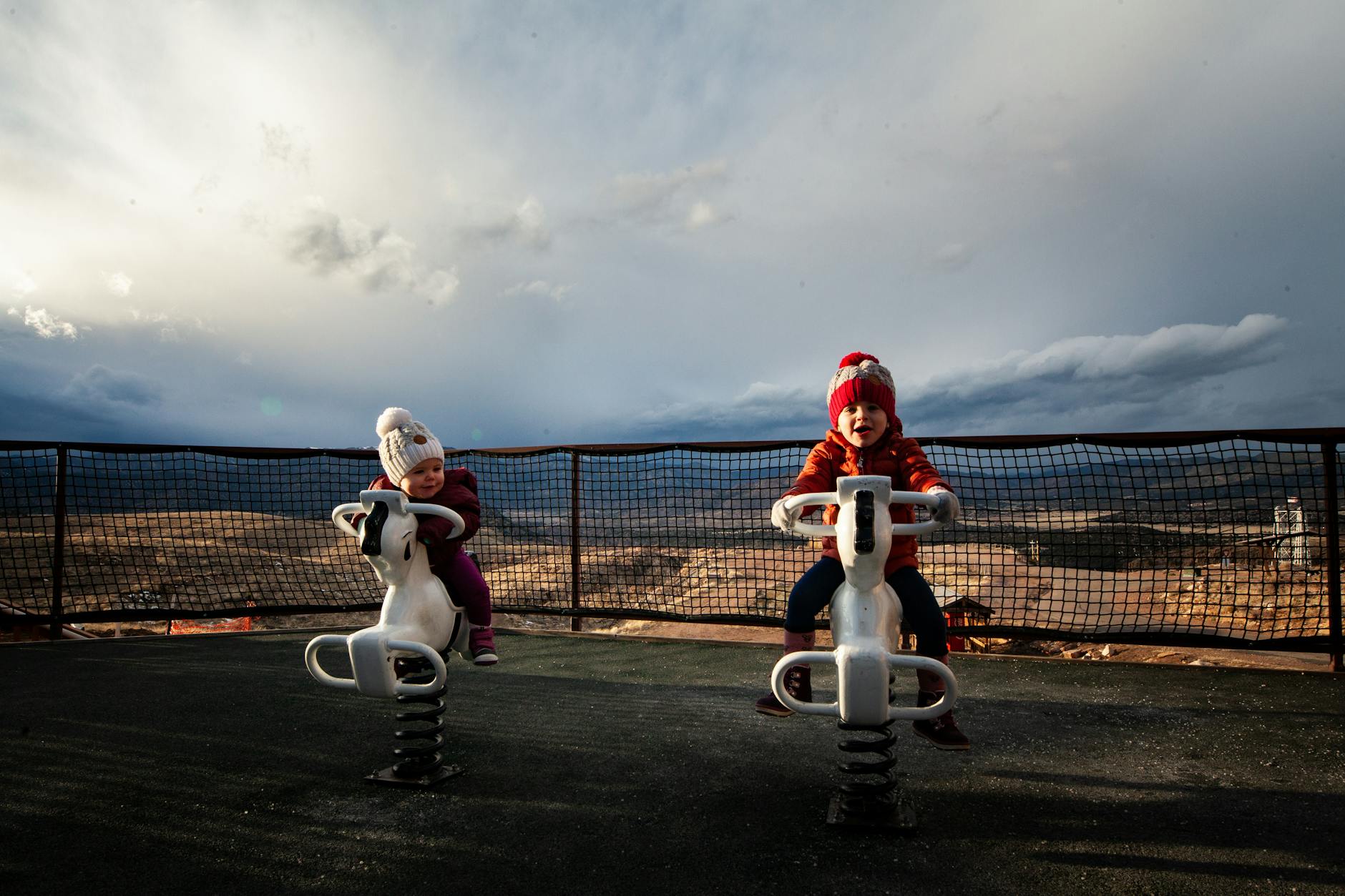
Photo by Emma Bauso
Speaking Words and Sentences
Most children can already utter a few words by the age of 2, but it’s usually only a handful of words. Between the ages of 2 and 3, you should expect your little one’s vocabulary to expand massively from around 50 to 500 words. They should also be linking together words by 2 ½ and starting to form short sentences like ‘more juice’ and ‘what’s that?’.
If your child isn’t speaking at this age, there are a few ways in which you may be able to prompt them such as engaging in interactive play and repeating words while pointing at objects. Speech issues could be a sign of a health problem or undiagnosed condition, but may also just be due to shyness – there are children’s speech therapists that may be able to hire to help in either case.
Counting to 10
On top of learning words, the toddler phase is when your little one should start to learn numbers. Most kids learn to count to ten at the age of 2, however do not truly know what each number means until the age of 3 or 4.
Having trouble teaching your child numbers? Get into the habit of counting regularly while using your fingers or other visual cues. Consistency is often key to learning how to count, the more often kids are exposed to numbers and counting, the more quickly they will pick it up.
Color and Shape Recognition
Between the age of 2 and 4, your child should also learn how to identify colors and shapes. At the very least, they should be able to identify primary colors and basic shapes (like circles, triangles and squares) by the age of 4.
Sorting games are great for teaching colors and shapes. Sort snacks or toys by color and shape and point to each sorted pile while describing the shape or color. Try to use the ‘object first’ approach (‘this sock is red, this sock is blue’ rather than ‘red sock, blue sock’) as this will help your child to distinguish the object from the color/shape.
Photo by Pavel Danilyuk
Imaginative Play
Imaginative play is important for children as it helps foster creativity, problem-solving and language skills. When does imaginative play start? At 1 year old, some kids may push toy cars around or pretend to feed food to teddies, however it is often at 2 years old when pretend play truly flourishes.
Engage in imaginative play with your child to help nurture their imagination. This may involve very repetitive scenarios when they are only 2, but at the age of 3 you can start to vary things up, as well as using pretend play to teach other skills like social skills and learning new words.
Using a Potty
It’s time to say bye bye to diapers! The toddler stage is when toilet training typically begins with most kids being able to use a potty by the age of 3.
As this is often crucial in order to be accepted to pre-school, potty training is something you do not want to delay. This can be scary for many parents, but there are a few ways in which you can ease your child into the potty training process. From here, you can teach them how to use a grown up toilet.
Taking Turns
It’s during our toddler years that we learn to share. Taking turns is an important social skill that you should try to teach your child at the age of 2.
Children with siblings will usually develop this skill more quickly. For only children, teach your kids to take turns using pretend play or by taking your child to the park and teaching them to wait for the slide or swing.
Jumping and Climbing
Your child should be able to walk at 2 and may even be starting to master running. But can they jump and climb? These are extra motor skills that your child should be developing during their toddler phase.
Encouraging jumping and climbing can sometimes involve stepping back at play parks and letting your kid try to balance or climb objects themselves. Start by holding their hand, but encourage them to take the lead so they don’t rely on you to hold them or carry them.
Kicking a Ball
Between the ages of 2 and 4, most kids will learn to kick a ball. Even if you’re not interested in your child becoming a soccer player, it’s important to make sure that they can kick a ball, as it’s the sign that they are becoming more sure-footed and are developing foot-eye coordination.
Playing together with a ball can build this skill. On top of teaching your child to kick a ball, consider also teaching them to throw and catch.
Getting Dressed
By the time your child reaches the age of 5, they should be able to get dressed themselves. This includes being able to put on t-shirts the right way and put shoes on the right feet.
You can start encouraging your kids to put on clothes themselves independently from the age of 2. Consider different tricks to teach kids how to put on clothes correctly such as making sure the t-shirt label goes on the back and using visual stickers on shoes.
Reading First Words
Although reading skills don’t truly develop until the age of 5, most kids can usually identify a few words at the age of 4. These are usually only basic words like ‘cat’ or their own name. You can help kids to learn to read by regularly reading books to them. As your child reaches the age of 3, start teaching them to identify letters and the sounds that they make. Once kids are used to each letter, you can start to teach them words. Flashcards and color-in words are great tools for teaching simple words.


The toddler stage is an exciting journey of growth and discovery. During this stage, it’s important to make sure that your little adventurer is developing at a healthy rate. From learning to communicate to mastering the art of jumping and climbing, there are many important developmental milestones worth tracking during these years. Below are some of the biggest milestones that your child should reach between the ages of 2 and 4, and how to help your child reach these milestones if you think they may be lagging behind.
Speaking Words and Sentences
Most children can already utter a few words by the age of 2, but it’s usually only a handful of words. Between the ages of 2 and 3, you should expect your little one’s vocabulary to expand massively from around 50 to 500 words. They should also be linking together words by 2 ½ and starting to form short sentences like ‘more juice’ and ‘what’s that?’.
If your child isn’t speaking at this age, there are a few ways in which you may be able to prompt them such as engaging in interactive play and repeating words while pointing at objects. Speech issues could be a sign of a health problem or undiagnosed condition, but may also just be due to shyness – there are children’s speech therapists that may be able to hire to help in either case.
Counting to 10
On top of learning words, the toddler phase is when your little one should start to learn numbers. Most kids learn to count to ten at the age of 2, however do not truly know what each number means until the age of 3 or 4.
Having trouble teaching your child numbers? Get into the habit of counting regularly while using your fingers or other visual cues. Consistency is often key to learning how to count, the more often kids are exposed to numbers and counting, the more quickly they will pick it up.
Color and Shape Recognition
Between the age of 2 and 4, your child should also learn how to identify colors and shapes. At the very least, they should be able to identify primary colors and basic shapes (like circles, triangles and squares) by the age of 4.
Sorting games are great for teaching colors and shapes. Sort snacks or toys by color and shape and point to each sorted pile while describing the shape or color. Try to use the ‘object first’ approach (‘this sock is red, this sock is blue’ rather than ‘red sock, blue sock’) as this will help your child to distinguish the object from the color/shape.
Imaginative Play
Imaginative play is important for children as it helps foster creativity, problem-solving and language skills. When does imaginative play start? At 1 year old, some kids may push toy cars around or pretend to feed food to teddies, however it is often at 2 years old when pretend play truly flourishes.
Engage in imaginative play with your child to help nurture their imagination. This may involve very repetitive scenarios when they are only 2, but at the age of 3 you can start to vary things up, as well as using pretend play to teach other skills like social skills and learning new words.
Using a Potty
It’s time to say bye bye to diapers! The toddler stage is when toilet training typically begins with most kids being able to use a potty by the age of 3.
As this is often crucial in order to be accepted to pre-school, potty training is something you do not want to delay. This can be scary for many parents, but there are a few ways in which you can ease your child into the potty training process. From here, you can teach them how to use a grown up toilet.
Taking Turns
It’s during our toddler years that we learn to share. Taking turns is an important social skill that you should try to teach your child at the age of 2.
Children with siblings will usually develop this skill more quickly. For only children, teach your kids to take turns using pretend play or by taking your child to the park and teaching them to wait for the slide or swing.
Jumping and Climbing
Your child should be able to walk at 2 and may even be starting to master running. But can they jump and climb? These are extra motor skills that your child should be developing during their toddler phase.
Encouraging jumping and climbing can sometimes involve stepping back at play parks and letting your kid try to balance or climb objects themselves. Start by holding their hand, but encourage them to take the lead so they don’t rely on you to hold them or carry them.
Kicking a Ball
Between the ages of 2 and 4, most kids will learn to kick a ball. Even if you’re not interested in your child becoming a soccer player, it’s important to make sure that they can kick a ball, as it’s the sign that they are becoming more sure-footed and are developing foot-eye coordination.
Playing together with a ball can build this skill. On top of teaching your child to kick a ball, consider also teaching them to throw and catch.
Getting Dressed
By the time your child reaches the age of 5, they should be able to get dressed themselves. This includes being able to put on t-shirts the right way and put shoes on the right feet.
You can start encouraging your kids to put on clothes themselves independently from the age of 2. Consider different tricks to teach kids how to put on clothes correctly such as making sure the t-shirt label goes on the back and using visual stickers on shoes.
Reading First Words
Although reading skills don’t truly develop until the age of 5, most kids can usually identify a few words at the age of 4. These are usually only basic words like ‘cat’ or their own name. You can help kids to learn to read by regularly reading books to them. As your child reaches the age of 3, start teaching them to identify letters and the sounds that they make. Once kids are used to each letter, you can start to teach them words. Flashcards and color-in words are great tools for teaching simple words.
Share this:
Like this: