Sometimes, it can be hard to finance a business when you are starting out if there are demands for large and expensive equipment. The same can be said for tools. Maybe at the beginning, you’re able to cut them out until you grow large enough; maybe for a while, you’re able to make do without it. Other times, you have no choice, and you can’t continue your business unless you have certain equipment.
It’s not always ideal, but sometimes, you need to spend money to earn money, and you have to invest in your business anyway. Well, with all of that said, it’s going to be up to you and the state of your business to decide if you’re able to make the investment. But there are some factors that you’re really going to want to consider first.
Does It Meet Your Business Needs and Objectives?
You’re going to want to just go ahead and consider factors such as production capacity, quality standards, efficiency improvements, technological advancements, regulatory compliance, and market demands. Of course, this is going to be a lot of work, but it’s pretty much crucial that you’re able to align your investment decisions with your overarching business objectives to ensure that the equipment serves a strategic purpose and contributes to your long-term success.
Training and Skills Development
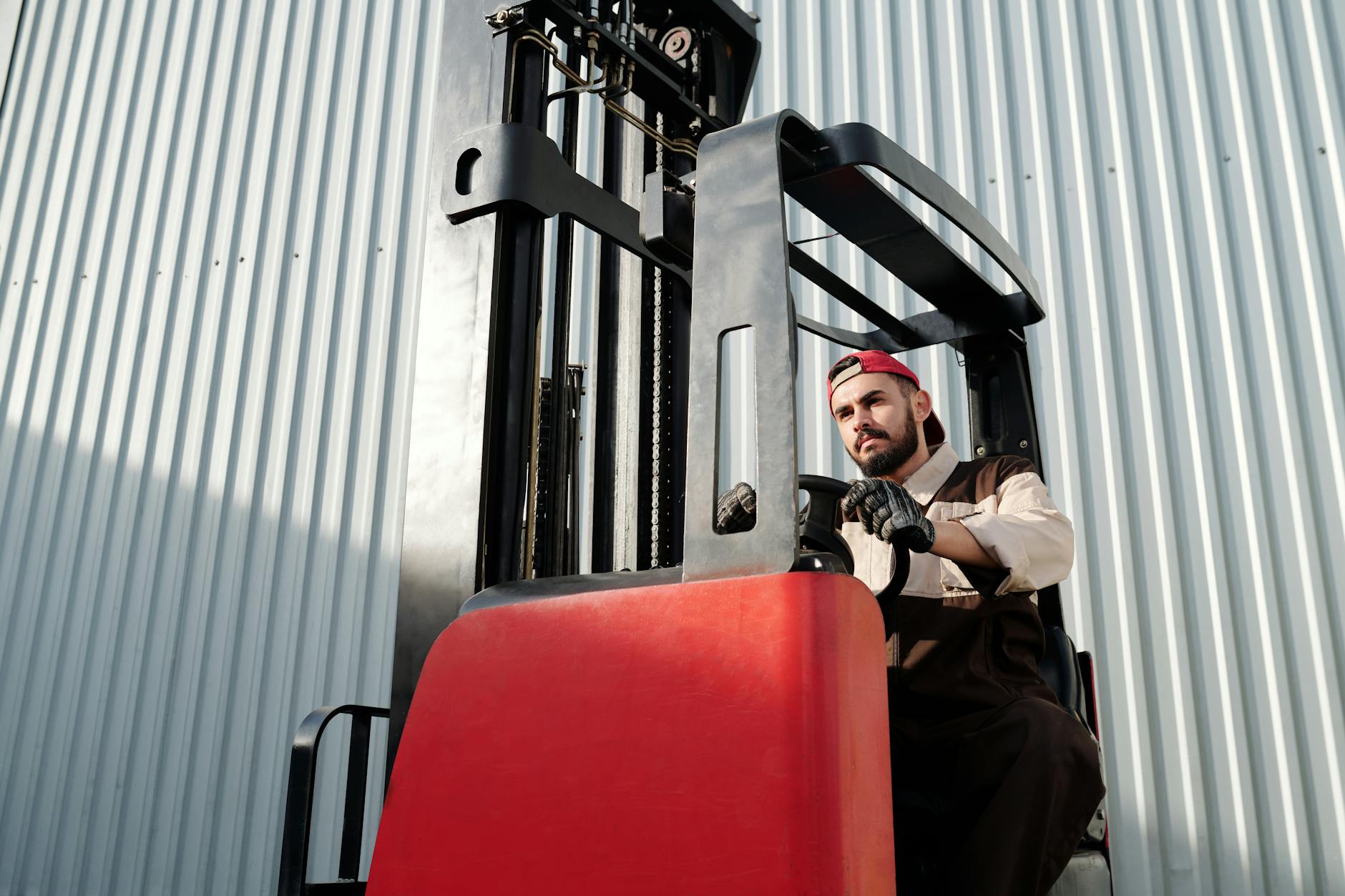
There’s always the chance that your competition might be ahead of you, especially if your business is brand new. While you might be wondering, what is a Counterbalance Forklift, they probably own one and have a nice team of staff trained to use it. And you know what? That’s completely okay.
You can’t compare your starting journey to their middle. So, with that said, when it comes to equipment, like a forklift, for instance, that might be needed, will you be able to get your staff trained and even get the right certifications for them? For a lot of equipment nowadays, it’s not just about reading a manual; sometimes, certifications are even needed in order for it to be operated.
Infrastructure Considerations
Obviously, you can’t compare the infrastructure of a warehouse to that of a ghost kitchen. But with larger-scale equipment, you’ll still need to consider the infrastructure of it all. There are going to be some things that you’re going to want to consider, like the floor space, ceiling height, access points, utility connections, ventilation, and environmental controls (at this rate, the list could go on forever).
Basically, you’ll have to think of things that you might not have considered before when it comes to the space. But it’s still needed because, depending on the size of this equipment (and what it does), there might always be a chance that it can be installed or used adequately due to the size of the space itself.
Supplier Reputation
You’ll want to choose reputable suppliers or manufacturers with a proven track record of reliability, quality, and customer support. But it’s also important to recognize that it’s not always this easy. Sometimes, depending on the equipment, the industry, and even the niche itself, there might even be a monopoly where you’re stuck with only one brand and have no viable options to choose from.
So, if you can, try to choose the best supplier out there, but just understand that there might always be the potential situation of having no options either (unless you’re able to import something).


Sometimes, it can be hard to finance a business when you are starting out if there are demands for large and expensive equipment. The same can be said for tools. Maybe at the beginning, you’re able to cut them out until you grow large enough; maybe for a while, you’re able to make do without it. Other times, you have no choice, and you can’t continue your business unless you have certain equipment.
It’s not always ideal, but sometimes, you need to spend money to earn money, and you have to invest in your business anyway. Well, with all of that said, it’s going to be up to you and the state of your business to decide if you’re able to make the investment. But there are some factors that you’re really going to want to consider first.
Does It Meet Your Business Needs and Objectives?
You’re going to want to just go ahead and consider factors such as production capacity, quality standards, efficiency improvements, technological advancements, regulatory compliance, and market demands. Of course, this is going to be a lot of work, but it’s pretty much crucial that you’re able to align your investment decisions with your overarching business objectives to ensure that the equipment serves a strategic purpose and contributes to your long-term success.
Training and Skills Development
There’s always the chance that your competition might be ahead of you, especially if your business is brand new. While you might be wondering, what is a Counterbalance Forklift, they probably own one and have a nice team of staff trained to use it. And you know what? That’s completely okay.
You can’t compare your starting journey to their middle. So, with that said, when it comes to equipment, like a forklift, for instance, that might be needed, will you be able to get your staff trained and even get the right certifications for them? For a lot of equipment nowadays, it’s not just about reading a manual; sometimes, certifications are even needed in order for it to be operated.
Infrastructure Considerations
Obviously, you can’t compare the infrastructure of a warehouse to that of a ghost kitchen. But with larger-scale equipment, you’ll still need to consider the infrastructure of it all. There are going to be some things that you’re going to want to consider, like the floor space, ceiling height, access points, utility connections, ventilation, and environmental controls (at this rate, the list could go on forever).
Basically, you’ll have to think of things that you might not have considered before when it comes to the space. But it’s still needed because, depending on the size of this equipment (and what it does), there might always be a chance that it can be installed or used adequately due to the size of the space itself.
Supplier Reputation
You’ll want to choose reputable suppliers or manufacturers with a proven track record of reliability, quality, and customer support. But it’s also important to recognize that it’s not always this easy. Sometimes, depending on the equipment, the industry, and even the niche itself, there might even be a monopoly where you’re stuck with only one brand and have no viable options to choose from.
So, if you can, try to choose the best supplier out there, but just understand that there might always be the potential situation of having no options either (unless you’re able to import something).
Share this:
Like this: