When building any new addition to your home such as pools, especially to your garden and exterior, which affect your property value so much, it’s important to ensure that you do it right the first time. Otherwise, you might have to do it twice. Sheds are a highly practical addition to practically any home, but you want to make sure that you avoid some common mistakes with the tips below.
Choose a Good Location
Selecting the right location for your shed is the first step to ensuring its longevity and functionality. Avoid placing your shed too close to property lines, as this can lead to issues with zoning regulations and limit your ability to access and maintain the structure. It’s also important to leave some space around the shed for air circulation and easy access to all sides for maintenance. Additionally, the sun exposure and drainage of the area should be considered. A well-drained, slightly elevated spot is ideal, as it helps to prevent water accumulation around the shed, which can lead to dampness and mold. By choosing a location that offers good drainage, adequate sunlight, and enough space, you’ll create a more durable and easily maintained shed.
Ensure a Good Foundation
A solid foundation is crucial for the stability and longevity of your shed. Before construction, take the time to level the soil where the shed will be placed. This step ensures that the shed will sit evenly, reducing the risk of structural issues over time. Using proper shed bases, such as compacted gravel, concrete, or plastic, is essential for supporting the shed’s weight and preventing it from shifting or sinking. A well-prepared foundation also helps to keep the shed dry by promoting drainage and preventing moisture from seeping up from the ground. Investing in a good foundation at the outset will save you time and money on repairs in the future.
Find Quality Wood for the Spot
Choosing the right materials is another key factor in building a durable shed. Opt for high-quality, weather-resistant wood that can withstand the elements and provide long-lasting support for the structure. Look for wood that is straight, free of knots or cracks, and treated to resist rot and insect damage. Cedar, redwood, and pressure-treated lumber are popular choices for shed construction due to their natural resistance to moisture and pests. Ensuring that the wood you use is suitable for outdoor conditions will not only enhance the shed’s appearance but also extend its lifespan, reducing the need for frequent repairs or replacements.
Pick Your Roof with Care
The roof is one of the most important components of your shed, as it protects the entire structure from the elements. When choosing a roof, consider both the material and the design. Asphalt shingles, metal roofing, and corrugated sheets are popular choices for their durability and weather resistance. The roof should also have an adequate slope to allow rainwater and snow to slide off easily, preventing water buildup that could lead to leaks or structural damage. In addition, consider adding a layer of insulation or a waterproof membrane under the roofing material to provide extra protection against moisture.
Your shed should be standing without issue for years to come. Make sure you follow the tips above to ensure just that.


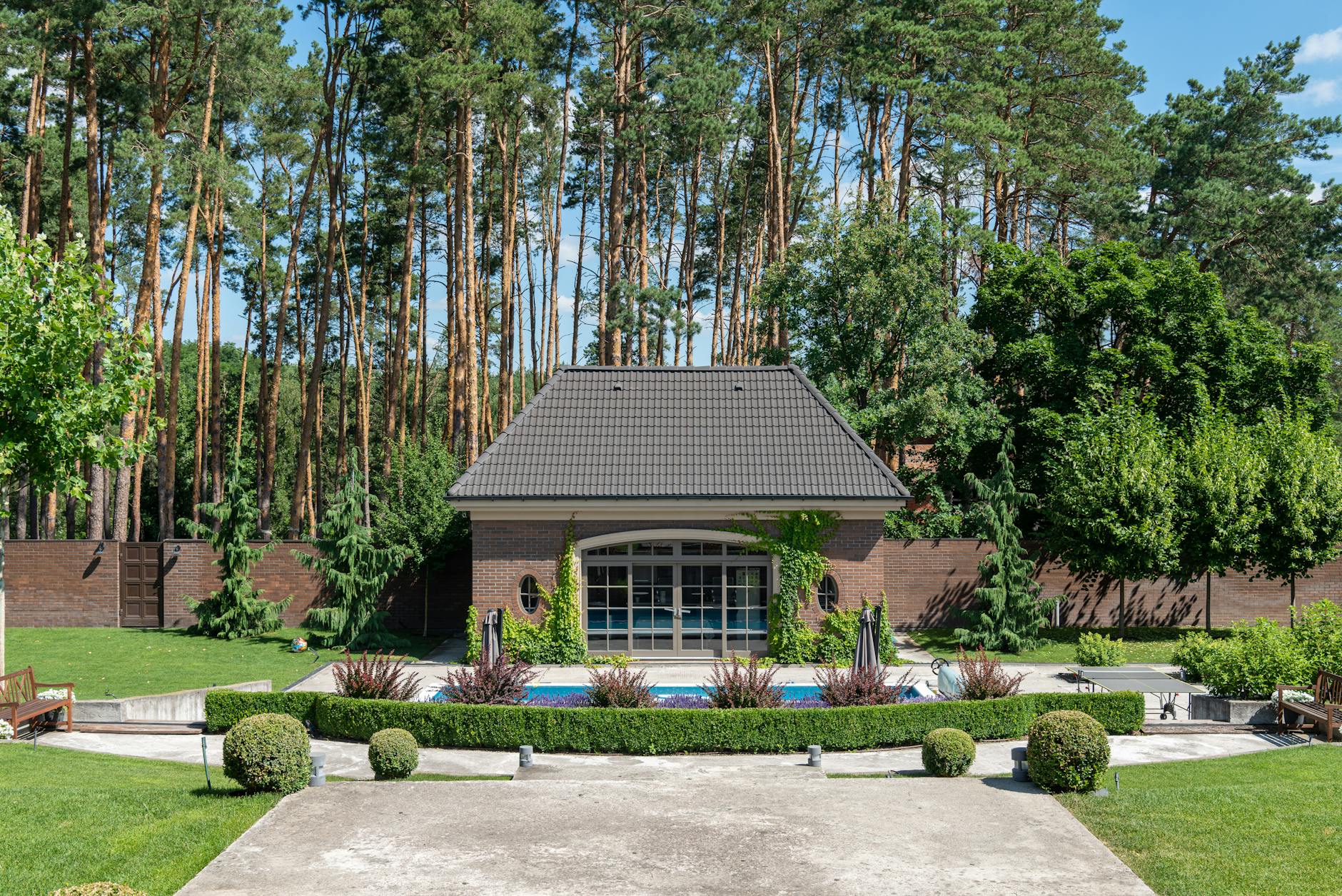
When building any new addition to your home such as pools, especially to your garden and exterior, which affect your property value so much, it’s important to ensure that you do it right the first time. Otherwise, you might have to do it twice. Sheds are a highly practical addition to practically any home, but you want to make sure that you avoid some common mistakes with the tips below.
Choose a Good Location
Selecting the right location for your shed is the first step to ensuring its longevity and functionality. Avoid placing your shed too close to property lines, as this can lead to issues with zoning regulations and limit your ability to access and maintain the structure. It’s also important to leave some space around the shed for air circulation and easy access to all sides for maintenance. Additionally, the sun exposure and drainage of the area should be considered. A well-drained, slightly elevated spot is ideal, as it helps to prevent water accumulation around the shed, which can lead to dampness and mold. By choosing a location that offers good drainage, adequate sunlight, and enough space, you’ll create a more durable and easily maintained shed.
Ensure a Good Foundation
A solid foundation is crucial for the stability and longevity of your shed. Before construction, take the time to level the soil where the shed will be placed. This step ensures that the shed will sit evenly, reducing the risk of structural issues over time. Using proper shed bases, such as compacted gravel, concrete, or plastic, is essential for supporting the shed’s weight and preventing it from shifting or sinking. A well-prepared foundation also helps to keep the shed dry by promoting drainage and preventing moisture from seeping up from the ground. Investing in a good foundation at the outset will save you time and money on repairs in the future.
Find Quality Wood for the Spot
Choosing the right materials is another key factor in building a durable shed. Opt for high-quality, weather-resistant wood that can withstand the elements and provide long-lasting support for the structure. Look for wood that is straight, free of knots or cracks, and treated to resist rot and insect damage. Cedar, redwood, and pressure-treated lumber are popular choices for shed construction due to their natural resistance to moisture and pests. Ensuring that the wood you use is suitable for outdoor conditions will not only enhance the shed’s appearance but also extend its lifespan, reducing the need for frequent repairs or replacements.
Pick Your Roof with Care
The roof is one of the most important components of your shed, as it protects the entire structure from the elements. When choosing a roof, consider both the material and the design. Asphalt shingles, metal roofing, and corrugated sheets are popular choices for their durability and weather resistance. The roof should also have an adequate slope to allow rainwater and snow to slide off easily, preventing water buildup that could lead to leaks or structural damage. In addition, consider adding a layer of insulation or a waterproof membrane under the roofing material to provide extra protection against moisture.
Your shed should be standing without issue for years to come. Make sure you follow the tips above to ensure just that.
Share this:
Like this: