A winter ski trip has a unique kind of charm. Snow-covered mountains, quiet mornings, and warm drinks after a long day outside create an experience that feels special even before you arrive. However, as mesmerizing as it all may seem, winter destinations such as Sarajevo and Jahorina come with their own set of challenges. Cold weather changes how everything works. Travel takes longer, packing feels heavier, and small details matter more than usual.
That is why planning ahead is less about control and more about comfort. When a few key decisions are made early, the trip itself feels calmer and more enjoyable. To offer a gentle starting point, this article walks you through four important things to consider before heading to a winter ski destination. Keep reading!
1. Plan Your Travel Timing and Snow Conditions
Timing plays a quiet but important role in how your ski trip feels. Snow conditions, crowd levels, and even the atmosphere of the resort can change depending on when you visit. Some weeks feel lively and busy, while others are slower and more peaceful.
Peak winter months usually offer reliable snow, but they also bring higher prices and fuller slopes. If you are traveling during school holidays, booking early becomes especially helpful. For those with more flexibility, early or late season trips can offer a gentler pace and fewer crowds, while still delivering beautiful winter scenery.
Taking time to check seasonal weather patterns and local conditions can help set realistic expectations. When you know what kind of experience to expect, the trip feels more intentional and far less stressful.
2. Sort Out Your Airport Transportation in Advance
Transportation from the airport to the ski resort is one of the most important, yet often overlooked, parts of a winter trip. Mountain roads can be narrow, steep, and icy, especially for travelers who are unfamiliar with the area. Add heavy luggage and ski equipment, and even short distances can feel tiring. That is why it helps to arrange transport before you arrive.
Most winter destinations offer a range of transport options, from buses to shared transfers and taxis. While public transport may seem convenient, private transfers are often the most comfortable option in colder conditions. These services are usually booked in advance, driven by professionals who know the mountain routes well, and help reduce delays on arrival. This makes the start of the trip feel calmer and more organized.
Better yet, some companies often give you the flexibility to select a vehicle that suits your needs. Options can include anything from smaller cars to spacious minivans, based on group size and equipment. This thoughtful choice adds comfort and helps the journey feel smoother from start to finish.
3. Pack Smart for Cold Weather and Ski Days
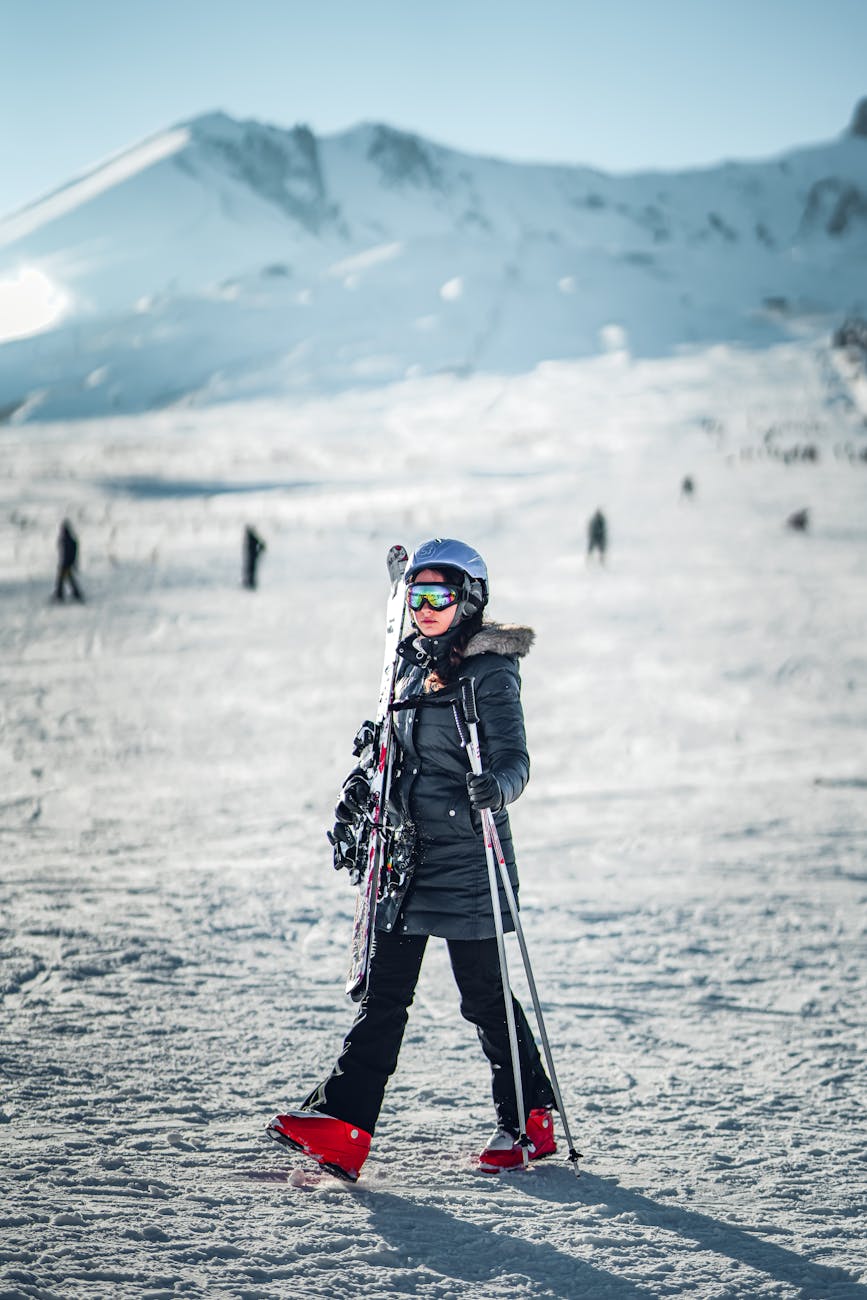
Packing for a winter ski trip is less about quantity and more about balance. Cold temperatures change throughout the day, so layering becomes far more useful than bulky single pieces. Good base layers, warm mid-layers, and a waterproof outer layer give you flexibility without overpacking.
It also helps to think about how the day actually unfolds. Gloves get wet. Socks need changing. Children, especially, go through layers faster than expected. Having a few spare essentials easily accessible can make the difference between a smooth afternoon and an early return indoors. Even simple items like lip balm, a body moisturizer, and sunglasses are often forgotten, but deeply appreciated once you are there.
This thoughtful packing keeps you warm and comfortable, allowing you to enjoy the outdoors without constantly thinking about the cold.
Photo by Chelsea Cook
4. Choose Accommodation That Matches Your Travel Style
Where you stay shapes how your days begin and end. Ski-in, ski-out accommodation sounds appealing, but it is not always necessary to have a great experience. Sometimes staying slightly away from the slopes offers more space, better value, and a quieter atmosphere.
The right choice depends on how you plan to spend your time. Some travelers value convenience above all else, while others prefer comfort and flexibility. For example:
Families often appreciate vacation rentals like apartments with kitchens, storage space for gear, and room for children to unwind.
Couples may prefer smaller lodges or hotels near village centers for easy access to cafés and evening walks.
Longer stays can benefit from accommodation with laundry facilities or nearby shops.
Travelers without a car may want places close to transport routes rather than directly on the slopes.
When your space supports rest and routine, the trip feels smoother. You spend less time adjusting and more time enjoying where you are.
Wrapping Up
A winter ski trip becomes far more enjoyable when planning feels thoughtful rather than rushed. By considering timing, transport, packing, and accommodation, you create space for the trip to unfold naturally. Good preparation does not take away from the adventure. It supports it. With the essentials handled, you are free to enjoy the snow, the quiet moments, and the shared experience that makes winter travel so special.


A winter ski trip has a unique kind of charm. Snow-covered mountains, quiet mornings, and warm drinks after a long day outside create an experience that feels special even before you arrive. However, as mesmerizing as it all may seem, winter destinations such as Sarajevo and Jahorina come with their own set of challenges. Cold weather changes how everything works. Travel takes longer, packing feels heavier, and small details matter more than usual.
That is why planning ahead is less about control and more about comfort. When a few key decisions are made early, the trip itself feels calmer and more enjoyable. To offer a gentle starting point, this article walks you through four important things to consider before heading to a winter ski destination. Keep reading!
1. Plan Your Travel Timing and Snow Conditions
Timing plays a quiet but important role in how your ski trip feels. Snow conditions, crowd levels, and even the atmosphere of the resort can change depending on when you visit. Some weeks feel lively and busy, while others are slower and more peaceful.
Peak winter months usually offer reliable snow, but they also bring higher prices and fuller slopes. If you are traveling during school holidays, booking early becomes especially helpful. For those with more flexibility, early or late season trips can offer a gentler pace and fewer crowds, while still delivering beautiful winter scenery.
Taking time to check seasonal weather patterns and local conditions can help set realistic expectations. When you know what kind of experience to expect, the trip feels more intentional and far less stressful.
2. Sort Out Your Airport Transportation in Advance
Transportation from the airport to the ski resort is one of the most important, yet often overlooked, parts of a winter trip. Mountain roads can be narrow, steep, and icy, especially for travelers who are unfamiliar with the area. Add heavy luggage and ski equipment, and even short distances can feel tiring. That is why it helps to arrange transport before you arrive.
Most winter destinations offer a range of transport options, from buses to shared transfers and taxis. While public transport may seem convenient, private transfers are often the most comfortable option in colder conditions. These services are usually booked in advance, driven by professionals who know the mountain routes well, and help reduce delays on arrival. This makes the start of the trip feel calmer and more organized.
Better yet, some companies often give you the flexibility to select a vehicle that suits your needs. Options can include anything from smaller cars to spacious minivans, based on group size and equipment. This thoughtful choice adds comfort and helps the journey feel smoother from start to finish.
3. Pack Smart for Cold Weather and Ski Days
Packing for a winter ski trip is less about quantity and more about balance. Cold temperatures change throughout the day, so layering becomes far more useful than bulky single pieces. Good base layers, warm mid-layers, and a waterproof outer layer give you flexibility without overpacking.
It also helps to think about how the day actually unfolds. Gloves get wet. Socks need changing. Children, especially, go through layers faster than expected. Having a few spare essentials easily accessible can make the difference between a smooth afternoon and an early return indoors. Even simple items like lip balm, a body moisturizer, and sunglasses are often forgotten, but deeply appreciated once you are there.
This thoughtful packing keeps you warm and comfortable, allowing you to enjoy the outdoors without constantly thinking about the cold.
4. Choose Accommodation That Matches Your Travel Style
Where you stay shapes how your days begin and end. Ski-in, ski-out accommodation sounds appealing, but it is not always necessary to have a great experience. Sometimes staying slightly away from the slopes offers more space, better value, and a quieter atmosphere.
The right choice depends on how you plan to spend your time. Some travelers value convenience above all else, while others prefer comfort and flexibility. For example:
When your space supports rest and routine, the trip feels smoother. You spend less time adjusting and more time enjoying where you are.
Wrapping Up
A winter ski trip becomes far more enjoyable when planning feels thoughtful rather than rushed. By considering timing, transport, packing, and accommodation, you create space for the trip to unfold naturally. Good preparation does not take away from the adventure. It supports it. With the essentials handled, you are free to enjoy the snow, the quiet moments, and the shared experience that makes winter travel so special.
Share this:
Like this: