Building a pool is exciting. You get to choose everything from the pool’s location, shape, and style, allowing you to create your paradise in your backyard. However, you’ll need to know where to start if you haven’t gone through the process.
So, we put together all of the best pool-building tips for homeowners. After reading, you’ll know where to start and have a solid plan for your new pool. Let’s dive in!
1. Plan as Much as Possible
Before you start building the pool you must plan it out. You can break down the process into several steps to make it easier. You’ll need to decide:
Your budget.
Where the pool will go.
The type of pool.
The pool material.
The shape and size of the pool.
Making a list will help you keep track of everything. You shouldn’t start building without a solid plan covering these aspects. You can even plan out more to make the building process easier on yourself.
If you’re having trouble creating a plan, that’s okay! There are professional inground pool builders available who can help you. You wouldn’t want to start the job and realize halfway through that you made a mistake.
Let’s quickly cover all the above aspects your pool plan should cover:
Your Budget
You must make a budget before getting too detailed with your plan. Your pool budget needs to include:
You should research the cost of pools first to help you determine a reasonable budget. Several factors can change the total cost, so you need to look at the prices of different materials. An inground pool will also cost more than an above-ground one.
Where the Pool Will Go
Of course, you must check you have enough space for a pool. You can use measuring tape outside to determine what size pool you can fit.
It’s best to be as exact as possible with your measurements. That way, you know exactly how much space you have.
Don’t forget, you need ample room around the pool for people to walk safely around it. So, you want to make it smaller than the open space or it’ll be too crowded.
The Type of Pool
Next, consider whether you want an inground or above-ground pool. In-ground pools look nicer, last longer, and are very luxurious. However, they tend to cost more than above-ground pools.
Above-ground pools are also easier to install. You can take them down quickly, if you want them only out during the summer seasons, too.
The Pool Material
There are several types of pool materials you could use. Fiberglass, concrete, and vinyl-lined pools are the most common for inground pools. The above grounds usually consist of high-quality resin.
Fiberglass pools are low-maintenance and last a long time. However, they come in the fewest designs because brands make them from molds. In comparison, concrete pools come in any size or shape but are more expensive to maintain.
Lastly, a vinyl-lined pool is the most cost-effective option. You will need to replace the liner every so many years.
The Shape and Size of the Pool
You can technically make your in-ground pool any size or shape. So, get creative! You can even add waterfalls, clear acrylic windows, fencing, lights, underwater benches, and much more.
Take time to design your pool. You can also talk with pool designers to see what your options are.
2. Choose Energy Efficient Options
You’ll likely need heaters, filters, lighting, and pumps for your pool. It’s best to look for energy-efficient options for a few reasons. First, the environment should use these greener pool accessories. Second, it can make the pool more affordable to maintain over time because you’re not using as much power to keep it clean and comfortable.
Solar heating and lighting is an excellent place to start.
3. Check Local Regulations
It’s essential to research rules on pools in your area before you start building. You wouldn’t want to get hit with fines from your county at any step during the construction process.
You’ll likely need permits before you can build. Plus, you need to ensure you stick to local regulations, including all building codes.
The rules can vary from area to area slightly, so make sure you check.
4. Plan for Maintenance
You’ll need to maintain the pool. That means regular cleaning, testing the water, and keeping the surrounding landscape nice. You might also need to keep a fence around the pool, so you’ll want that in good condition too.
It can be a lot of work to take care of a pool, but it’s worth it. It’ll last you much longer and it’ll be clean and fun to swim and relax in.
5. Assume Kids Will Use It
If you have kids, or kids that visit, assume they’ll want to swim. Kids love pools, so it’s always good to keep them in mind when building it. You should build the pool somewhere that’s easily visible, making it easier to keep an eye on any little ones that want to swim.
Make sure the pool is easy to get out of. You should include ladders near areas that don’t have a low slope. So, anyone can get out of the pool on either side without hassle.
You’ll want to keep a fence around the pool to ensure kids don’t try to get in without supervision. Finally, also have safety flotation devices nearby in case someone starts struggling to swim.
Take time to educate your kids on pool safety. They shouldn’t dive in the pool, swim alone, or run around it.
Design Your New Pool
Now, you’re all ready to start designing your pool. You’ll want to map it out on a graph first, even if it’s just a doodle. Then, make sure you choose the size and materials of the pool. As long as you keep in mind that you have to maintain the pool, you can design one that lasts a lifetime.


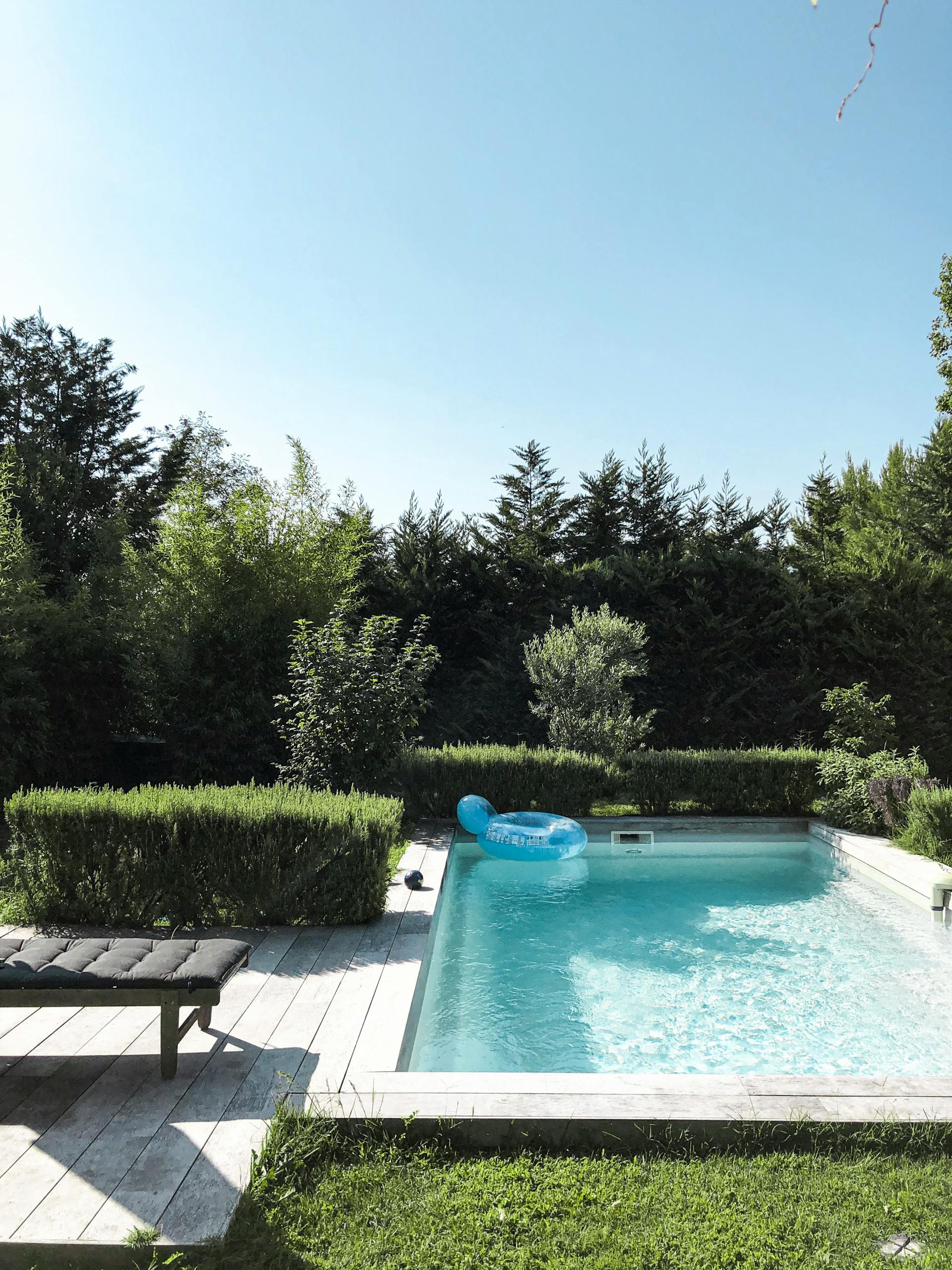
Building a pool is exciting. You get to choose everything from the pool’s location, shape, and style, allowing you to create your paradise in your backyard. However, you’ll need to know where to start if you haven’t gone through the process.
So, we put together all of the best pool-building tips for homeowners. After reading, you’ll know where to start and have a solid plan for your new pool. Let’s dive in!
1. Plan as Much as Possible
Before you start building the pool you must plan it out. You can break down the process into several steps to make it easier. You’ll need to decide:
Making a list will help you keep track of everything. You shouldn’t start building without a solid plan covering these aspects. You can even plan out more to make the building process easier on yourself.
If you’re having trouble creating a plan, that’s okay! There are professional inground pool builders available who can help you. You wouldn’t want to start the job and realize halfway through that you made a mistake.
Let’s quickly cover all the above aspects your pool plan should cover:
Your Budget
You must make a budget before getting too detailed with your plan. Your pool budget needs to include:
You should research the cost of pools first to help you determine a reasonable budget. Several factors can change the total cost, so you need to look at the prices of different materials. An inground pool will also cost more than an above-ground one.
Where the Pool Will Go
Of course, you must check you have enough space for a pool. You can use measuring tape outside to determine what size pool you can fit.
It’s best to be as exact as possible with your measurements. That way, you know exactly how much space you have.
Don’t forget, you need ample room around the pool for people to walk safely around it. So, you want to make it smaller than the open space or it’ll be too crowded.
The Type of Pool
Next, consider whether you want an inground or above-ground pool. In-ground pools look nicer, last longer, and are very luxurious. However, they tend to cost more than above-ground pools.
Above-ground pools are also easier to install. You can take them down quickly, if you want them only out during the summer seasons, too.
The Pool Material
There are several types of pool materials you could use. Fiberglass, concrete, and vinyl-lined pools are the most common for inground pools. The above grounds usually consist of high-quality resin.
Fiberglass pools are low-maintenance and last a long time. However, they come in the fewest designs because brands make them from molds. In comparison, concrete pools come in any size or shape but are more expensive to maintain.
Lastly, a vinyl-lined pool is the most cost-effective option. You will need to replace the liner every so many years.
The Shape and Size of the Pool
You can technically make your in-ground pool any size or shape. So, get creative! You can even add waterfalls, clear acrylic windows, fencing, lights, underwater benches, and much more.
Take time to design your pool. You can also talk with pool designers to see what your options are.
2. Choose Energy Efficient Options
You’ll likely need heaters, filters, lighting, and pumps for your pool. It’s best to look for energy-efficient options for a few reasons. First, the environment should use these greener pool accessories. Second, it can make the pool more affordable to maintain over time because you’re not using as much power to keep it clean and comfortable.
Solar heating and lighting is an excellent place to start.
3. Check Local Regulations
It’s essential to research rules on pools in your area before you start building. You wouldn’t want to get hit with fines from your county at any step during the construction process.
You’ll likely need permits before you can build. Plus, you need to ensure you stick to local regulations, including all building codes.
The rules can vary from area to area slightly, so make sure you check.
4. Plan for Maintenance
You’ll need to maintain the pool. That means regular cleaning, testing the water, and keeping the surrounding landscape nice. You might also need to keep a fence around the pool, so you’ll want that in good condition too.
It can be a lot of work to take care of a pool, but it’s worth it. It’ll last you much longer and it’ll be clean and fun to swim and relax in.
5. Assume Kids Will Use It
If you have kids, or kids that visit, assume they’ll want to swim. Kids love pools, so it’s always good to keep them in mind when building it. You should build the pool somewhere that’s easily visible, making it easier to keep an eye on any little ones that want to swim.
Make sure the pool is easy to get out of. You should include ladders near areas that don’t have a low slope. So, anyone can get out of the pool on either side without hassle.
You’ll want to keep a fence around the pool to ensure kids don’t try to get in without supervision. Finally, also have safety flotation devices nearby in case someone starts struggling to swim.
Take time to educate your kids on pool safety. They shouldn’t dive in the pool, swim alone, or run around it.
Design Your New Pool
Now, you’re all ready to start designing your pool. You’ll want to map it out on a graph first, even if it’s just a doodle. Then, make sure you choose the size and materials of the pool. As long as you keep in mind that you have to maintain the pool, you can design one that lasts a lifetime.
Share this:
Like this: