A kitchen is more than a place to prepare meals. It is where routines begin, conversations happen, and daily habits take shape. Small design choices can quietly influence how comfortable and welcoming this space feels. Many homeowners focus on major renovations, yet subtle elements often have the greatest impact. Thoughtful design supports both function and atmosphere without overwhelming the space.
This article explores simple design elements that can transform kitchens through intention rather than excess. Each component focuses on balance, usability, and long-term appeal. These ideas suit a wide range of homes and styles, making them practical for everyday living. By paying attention to details that shape light, surfaces, storage, and durability, spaces can feel more refined and enjoyable without dramatic changes.
1) Reflective Surfaces Improve Openness
Light influences how a room feels throughout the day. Natural light softens the environment, while artificial lighting defines work zones and movement paths. However, brightness depends not only on fixtures or windows. The way surfaces respond to light shapes how open or enclosed the area appears. Smooth finishes reflect light across the room, helping reduce shadows and visual heaviness.
For example, high gloss lacquer kitchen cabinets are frequently chosen to enhance brightness without altering lighting layouts. Cabinet manufacturers like BFP produce lacquered surfaces designed to reflect light evenly, creating a cleaner, more open appearance. This approach allows kitchens to feel lighter without adding visual clutter. Reflective cabinetry is a practical design choice that enhances atmosphere while maintaining a modern, balanced look.
2) Clean, Consistent Surface Finishes
Visual consistency plays a significant role in how a kitchen is perceived. When finishes align across cabinets, panels, and visible surfaces, the space feels calmer and more intentional. Inconsistent textures or materials can be distracting, even if individual pieces look appealing on their own. Consistency helps the eye move smoothly across the room.
Smooth surfaces also contribute to ease of maintenance. Finishes that resist staining and clean easily support everyday use without frustration. When materials are chosen with both appearance and function in mind, kitchens maintain their appeal longer. Clean finishes allow other design elements to stand out naturally. This balance creates a space that feels polished without appearing overly styled.
Photo by Martin Lang
3) Smart Storage That Reduces Visual Noise
Storage design affects both organization and atmosphere. When everyday items remain visible, surfaces can feel crowded and distracting. Thoughtful storage solutions help keep essentials accessible while reducing clutter. Flat fronts, concealed handles, and integrated storage options contribute to a cleaner appearance.
Reducing visual noise makes a kitchen feel more open and manageable. Hidden storage supports smoother routines by keeping frequently used items within reach without overwhelming the space. When storage works quietly in the background, the room feels easier to use and more inviting. This approach improves daily function while preserving a refined overall look.
4) Balanced Color Choices That Age Well
Color influences warmth, openness, and longevity. Balanced palettes create flexibility as tastes change over time. Neutral tones paired with subtle contrast help a kitchen remain appealing without relying on short-lived trends. Soft variation adds interest without overpowering the space. Subtle shifts in tone help prevent visual fatigue over long periods. This restraint supports calm environments that feel welcoming year after year.
Choosing colors that work with light and materials supports harmony. Lighter shades enhance openness, while broader accents add depth and grounding. Balanced color choices allow future updates without major redesigns. This flexibility helps the room remain comfortable and relevant through changing needs and styles. Thoughtful color planning also makes coordinating new elements far easier. These choices reduce pressure to follow fast-moving design cycles.
Photo by Elina Fairytale
5) Durable Materials for Daily Use
Durability is an essential part of good design. High-activity areas experience constant use, making material choice critical. Surfaces that withstand wear while maintaining appearance support long-term comfort. Durable materials reduce the need for frequent repairs or replacements. Strong materials also help maintain visual consistency despite daily activity. This reliability supports confidence during everyday use.
When materials perform well under daily use, a kitchen feels easier to maintain. Resistance to moisture, heat, and impact supports confidence during routine tasks. Durable choices also protect investment value. Design that balances strength with visual appeal creates spaces that remain functional and attractive over time. Long-lasting surfaces reduce maintenance stress for busy households. Practical durability helps design decisions feel worthwhile over many years.
Conclusion
Everyday living benefits from thoughtful design choices that support comfort and function. Reflective surfaces, consistent finishes, smart storage, balanced color, and durable materials work together to elevate the kitchen experience. These elements improve how the space looks and feels without requiring dramatic changes. When design focuses on intention and usability, the result supports daily life with ease and quiet refinement.


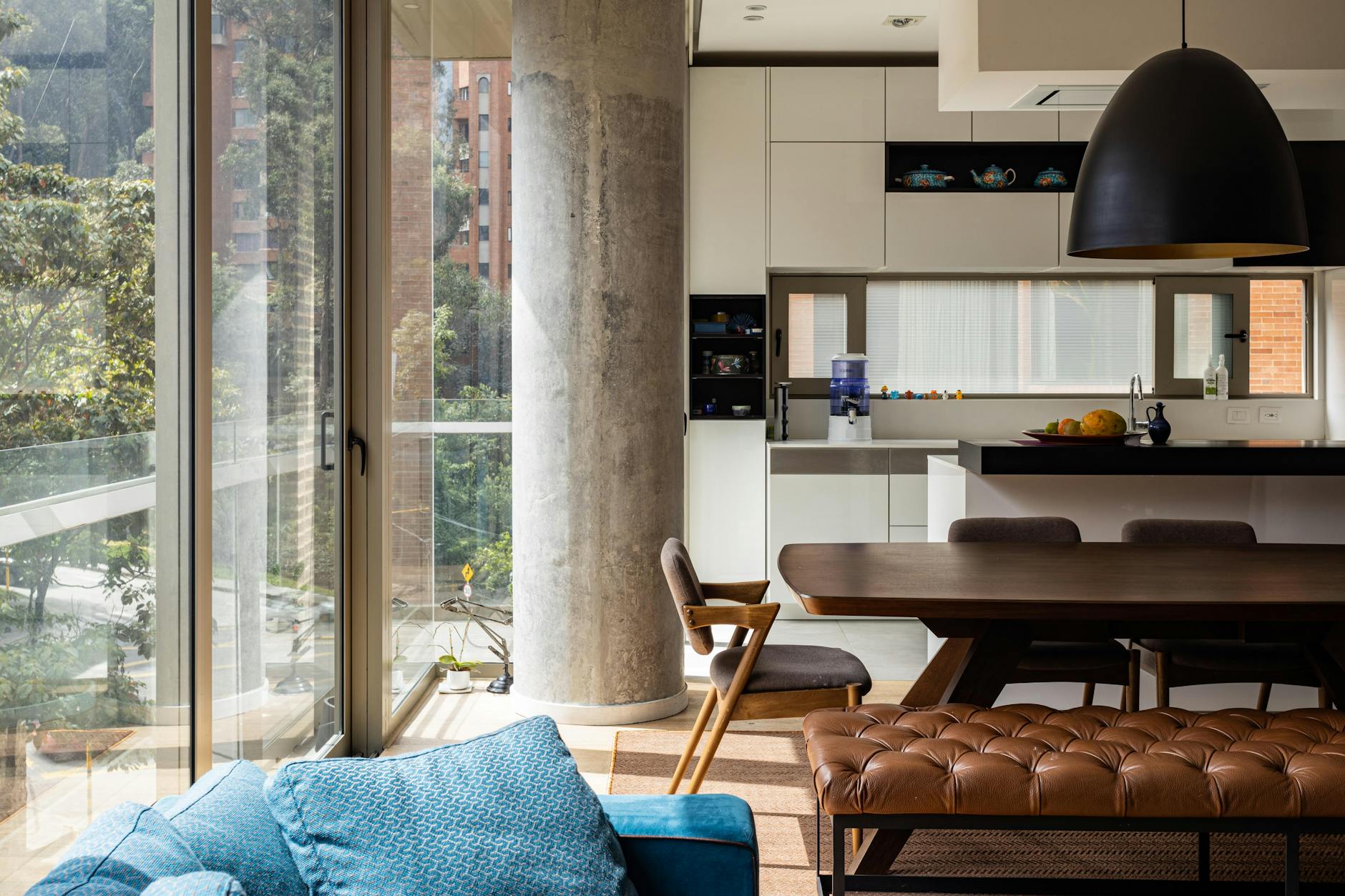
A kitchen is more than a place to prepare meals. It is where routines begin, conversations happen, and daily habits take shape. Small design choices can quietly influence how comfortable and welcoming this space feels. Many homeowners focus on major renovations, yet subtle elements often have the greatest impact. Thoughtful design supports both function and atmosphere without overwhelming the space.
This article explores simple design elements that can transform kitchens through intention rather than excess. Each component focuses on balance, usability, and long-term appeal. These ideas suit a wide range of homes and styles, making them practical for everyday living. By paying attention to details that shape light, surfaces, storage, and durability, spaces can feel more refined and enjoyable without dramatic changes.
1) Reflective Surfaces Improve Openness
Light influences how a room feels throughout the day. Natural light softens the environment, while artificial lighting defines work zones and movement paths. However, brightness depends not only on fixtures or windows. The way surfaces respond to light shapes how open or enclosed the area appears. Smooth finishes reflect light across the room, helping reduce shadows and visual heaviness.
For example, high gloss lacquer kitchen cabinets are frequently chosen to enhance brightness without altering lighting layouts. Cabinet manufacturers like BFP produce lacquered surfaces designed to reflect light evenly, creating a cleaner, more open appearance. This approach allows kitchens to feel lighter without adding visual clutter. Reflective cabinetry is a practical design choice that enhances atmosphere while maintaining a modern, balanced look.
2) Clean, Consistent Surface Finishes
Visual consistency plays a significant role in how a kitchen is perceived. When finishes align across cabinets, panels, and visible surfaces, the space feels calmer and more intentional. Inconsistent textures or materials can be distracting, even if individual pieces look appealing on their own. Consistency helps the eye move smoothly across the room.
Smooth surfaces also contribute to ease of maintenance. Finishes that resist staining and clean easily support everyday use without frustration. When materials are chosen with both appearance and function in mind, kitchens maintain their appeal longer. Clean finishes allow other design elements to stand out naturally. This balance creates a space that feels polished without appearing overly styled.
3) Smart Storage That Reduces Visual Noise
Storage design affects both organization and atmosphere. When everyday items remain visible, surfaces can feel crowded and distracting. Thoughtful storage solutions help keep essentials accessible while reducing clutter. Flat fronts, concealed handles, and integrated storage options contribute to a cleaner appearance.
Reducing visual noise makes a kitchen feel more open and manageable. Hidden storage supports smoother routines by keeping frequently used items within reach without overwhelming the space. When storage works quietly in the background, the room feels easier to use and more inviting. This approach improves daily function while preserving a refined overall look.
4) Balanced Color Choices That Age Well
Color influences warmth, openness, and longevity. Balanced palettes create flexibility as tastes change over time. Neutral tones paired with subtle contrast help a kitchen remain appealing without relying on short-lived trends. Soft variation adds interest without overpowering the space. Subtle shifts in tone help prevent visual fatigue over long periods. This restraint supports calm environments that feel welcoming year after year.
Choosing colors that work with light and materials supports harmony. Lighter shades enhance openness, while broader accents add depth and grounding. Balanced color choices allow future updates without major redesigns. This flexibility helps the room remain comfortable and relevant through changing needs and styles. Thoughtful color planning also makes coordinating new elements far easier. These choices reduce pressure to follow fast-moving design cycles.
5) Durable Materials for Daily Use
Durability is an essential part of good design. High-activity areas experience constant use, making material choice critical. Surfaces that withstand wear while maintaining appearance support long-term comfort. Durable materials reduce the need for frequent repairs or replacements. Strong materials also help maintain visual consistency despite daily activity. This reliability supports confidence during everyday use.
When materials perform well under daily use, a kitchen feels easier to maintain. Resistance to moisture, heat, and impact supports confidence during routine tasks. Durable choices also protect investment value. Design that balances strength with visual appeal creates spaces that remain functional and attractive over time. Long-lasting surfaces reduce maintenance stress for busy households. Practical durability helps design decisions feel worthwhile over many years.
Conclusion
Everyday living benefits from thoughtful design choices that support comfort and function. Reflective surfaces, consistent finishes, smart storage, balanced color, and durable materials work together to elevate the kitchen experience. These elements improve how the space looks and feels without requiring dramatic changes. When design focuses on intention and usability, the result supports daily life with ease and quiet refinement.
Share this:
Like this: