There is a certain magic in holding a piece of history that has survived for centuries, from the legendary Ming dynasty to the soulful treasures of the Tang era. For many collectors, Ancient Chinese Artifacts are more than just decor; they are a physical bridge to a lost world of incredible artistry.
However, as interest in these treasures grows, so does the quality of modern replicas, making it harder to spot the real thing. Developing a discerning eye requires a mix of historical knowledge and a hands-on inspection of the materials. It is a fascinating journey of discovery that turns every acquisition into a rewarding learning experience.
1. Check the Surface Aging
A genuine patina is one of the most reliable signs of age because it develops naturally over hundreds of years of air and soil exposure. This oxidation creates a depth of color and a specific texture that modern machines simply cannot mimic. When you look closely at a real artifact, you should see irregular wear patterns that suggest a long life and provide strong evidence of patina authenticity.
Fakes, on the other hand, often rely on acids or chemicals to create a forced look of age. Such artificial methods can leave behind a distinct chemical smell or a “greasy” feel that should immediately raise a red flag. Real aging is dry, hard, and integrated into the material rather than just sitting on the surface.
2. Study the Crafting Style
Ancient artisans did not have the luxury of modern technology, so their work often features subtle, hand-carved irregularities that give the piece character. These tiny flaws in the carving or the manual kiln firing process are actually hallmarks of authenticity. Machine-made replicas often look far too perfect or symmetrical, which is a common giveaway of a modern origin.
Serious collectors often look for specialized sources that provide deep historical context and verifiable quality for their homes. As an example, people who opt for Ancient Chinese art pieces curated by Relic & Rarity emphasize that their results are based on a plan designed by specialists who prioritize a rigorous investigation. Such a dedicated approach helps you achieve a sophisticated collection while ensuring you still feel like the most informed version of yourself.
3. Test the Material Weight
The weight and density of a piece can tell you a lot about the era it came from and the materials used. Different dynasties favored specific clay types or bronze alloys that have a very distinct feel when you hold them in your hands. Modern alloys or synthetic materials are often much lighter or have a different “ring” when tapped.
For instance, early bronzes are often quite heavy because of their high lead content, while fine porcelain should feel delicate yet sturdy. If a piece feels surprisingly light or “plastic-like” for its size, it might be a modern imitation using lighter materials. Familiarizing yourself with the expected weight of different materials is a great way to verify a piece quickly.
4. Look at the Reign Marks
Imperial reign marks were used to indicate which emperor was in power when a piece was created, making them a vital clue for dating. However, because these stamps are so famous, they are also the most commonly faked part of any artifact, especially when evaluating rare Chinese ceramics. Authentic imperial markings were always created by master calligraphers with perfect stroke order and fluid lines.
Fakes often show shaky hands or use font styles that didn’t exist during the era the mark claims to represent. It is important to research the specific calligraphy styles of each dynasty to ensure the writing matches the historical record. A real mark should feel like a natural part of the design, not like something added as an afterthought.
5. Search for Burial Signs
If a piece was buried for centuries, it will often show signs of mineralization where soil nutrients have bonded to the surface. These hardened deposits are nearly impossible to scrub off and often form tiny, crystalline structures that you can see under a magnifying glass. Real soil encrustations feel like stone rather than just dried dirt.
Another great sign to look for is “root tracks,” which are microscopic etchings left by plant roots as they grow around the object. These tiny, wandering lines are extremely difficult to fake convincingly because they are etched into the material over a vast amount of time. Finding these natural signs of the earth is a strong indicator that you are looking at a genuine relic.
Conclusion
Authenticating ancient artifacts is both a science and a rewarding art form that requires immense patience and curiosity. By focusing on surface details, material weight, and proper documentation, you can build a collection that is both beautiful and historically significant. Every genuine piece you find is a small victory for history and a wonderful addition to your home. Taking the time to study these details ensures that your passion for the past is always well-rewarded.


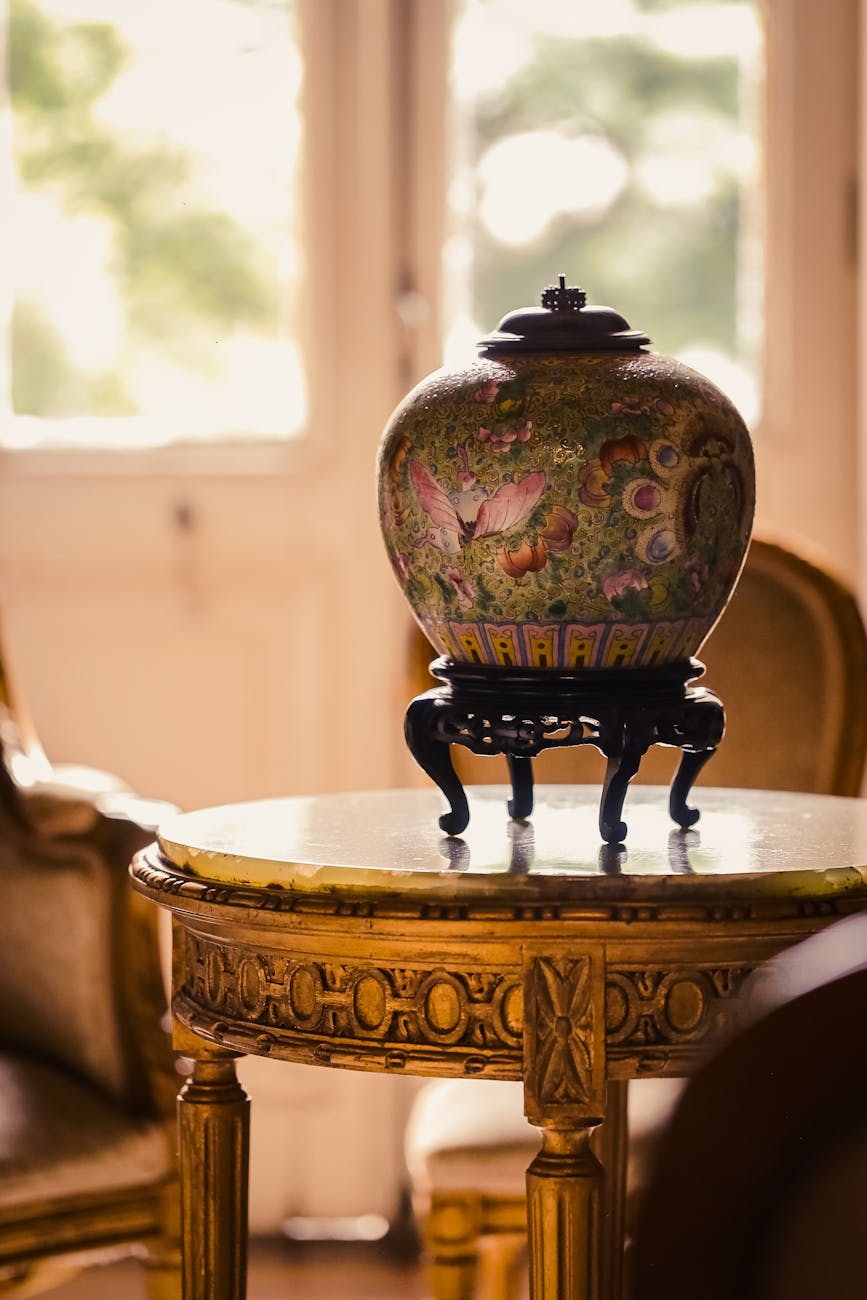
There is a certain magic in holding a piece of history that has survived for centuries, from the legendary Ming dynasty to the soulful treasures of the Tang era. For many collectors, Ancient Chinese Artifacts are more than just decor; they are a physical bridge to a lost world of incredible artistry.
However, as interest in these treasures grows, so does the quality of modern replicas, making it harder to spot the real thing. Developing a discerning eye requires a mix of historical knowledge and a hands-on inspection of the materials. It is a fascinating journey of discovery that turns every acquisition into a rewarding learning experience.
1. Check the Surface Aging
A genuine patina is one of the most reliable signs of age because it develops naturally over hundreds of years of air and soil exposure. This oxidation creates a depth of color and a specific texture that modern machines simply cannot mimic. When you look closely at a real artifact, you should see irregular wear patterns that suggest a long life and provide strong evidence of patina authenticity.
Fakes, on the other hand, often rely on acids or chemicals to create a forced look of age. Such artificial methods can leave behind a distinct chemical smell or a “greasy” feel that should immediately raise a red flag. Real aging is dry, hard, and integrated into the material rather than just sitting on the surface.
2. Study the Crafting Style
Ancient artisans did not have the luxury of modern technology, so their work often features subtle, hand-carved irregularities that give the piece character. These tiny flaws in the carving or the manual kiln firing process are actually hallmarks of authenticity. Machine-made replicas often look far too perfect or symmetrical, which is a common giveaway of a modern origin.
Serious collectors often look for specialized sources that provide deep historical context and verifiable quality for their homes. As an example, people who opt for Ancient Chinese art pieces curated by Relic & Rarity emphasize that their results are based on a plan designed by specialists who prioritize a rigorous investigation. Such a dedicated approach helps you achieve a sophisticated collection while ensuring you still feel like the most informed version of yourself.
3. Test the Material Weight
The weight and density of a piece can tell you a lot about the era it came from and the materials used. Different dynasties favored specific clay types or bronze alloys that have a very distinct feel when you hold them in your hands. Modern alloys or synthetic materials are often much lighter or have a different “ring” when tapped.
For instance, early bronzes are often quite heavy because of their high lead content, while fine porcelain should feel delicate yet sturdy. If a piece feels surprisingly light or “plastic-like” for its size, it might be a modern imitation using lighter materials. Familiarizing yourself with the expected weight of different materials is a great way to verify a piece quickly.
4. Look at the Reign Marks
Imperial reign marks were used to indicate which emperor was in power when a piece was created, making them a vital clue for dating. However, because these stamps are so famous, they are also the most commonly faked part of any artifact, especially when evaluating rare Chinese ceramics. Authentic imperial markings were always created by master calligraphers with perfect stroke order and fluid lines.
Fakes often show shaky hands or use font styles that didn’t exist during the era the mark claims to represent. It is important to research the specific calligraphy styles of each dynasty to ensure the writing matches the historical record. A real mark should feel like a natural part of the design, not like something added as an afterthought.
5. Search for Burial Signs
If a piece was buried for centuries, it will often show signs of mineralization where soil nutrients have bonded to the surface. These hardened deposits are nearly impossible to scrub off and often form tiny, crystalline structures that you can see under a magnifying glass. Real soil encrustations feel like stone rather than just dried dirt.
Another great sign to look for is “root tracks,” which are microscopic etchings left by plant roots as they grow around the object. These tiny, wandering lines are extremely difficult to fake convincingly because they are etched into the material over a vast amount of time. Finding these natural signs of the earth is a strong indicator that you are looking at a genuine relic.
Conclusion
Authenticating ancient artifacts is both a science and a rewarding art form that requires immense patience and curiosity. By focusing on surface details, material weight, and proper documentation, you can build a collection that is both beautiful and historically significant. Every genuine piece you find is a small victory for history and a wonderful addition to your home. Taking the time to study these details ensures that your passion for the past is always well-rewarded.
Share this:
Like this: