Air quality plays a crucial role in maintaining a healthy and comfortable living environment. Poor air quality can exacerbate respiratory issues, allergies, and other health problems. Thankfully, there are several practical steps you can take to improve the air quality in your home. Here are some effective strategies to consider.
Ventilation Is Key
One of the simplest ways to enhance air quality is to ensure proper ventilation. Opening windows and doors periodically allows fresh air to circulate, reducing the concentration of indoor pollutants. In urban areas or during high pollen seasons, consider using window screens or limiting ventilation to times when outdoor air quality is better.
Use Air Purifiers
Air purifiers can be particularly beneficial for removing airborne particles such as dust, pollen, and pet dander. Choose a purifier with a HEPA filter for maximum efficiency. Place it in areas where your family spends the most time, such as the living room or bedrooms, to ensure cleaner air.
Maintain Cleanliness
Regular cleaning is essential for reducing dust and allergens in your home. Vacuum carpets and rugs weekly using a vacuum with a HEPA filter. Don’t forget to clean upholstery, curtains, and hard-to-reach areas where dust can accumulate. Damp dusting surfaces instead of dry dusting can also prevent particles from becoming airborne.
Control Humidity Levels
Excessive humidity can encourage mould growth and increase dust mites, both of which negatively impact air quality. Keep humidity levels between 30% and 50% using dehumidifiers or air conditioners. For specific areas like bathrooms and kitchens, ensure proper use of exhaust fans to expel moisture.
Introduce Indoor Plants
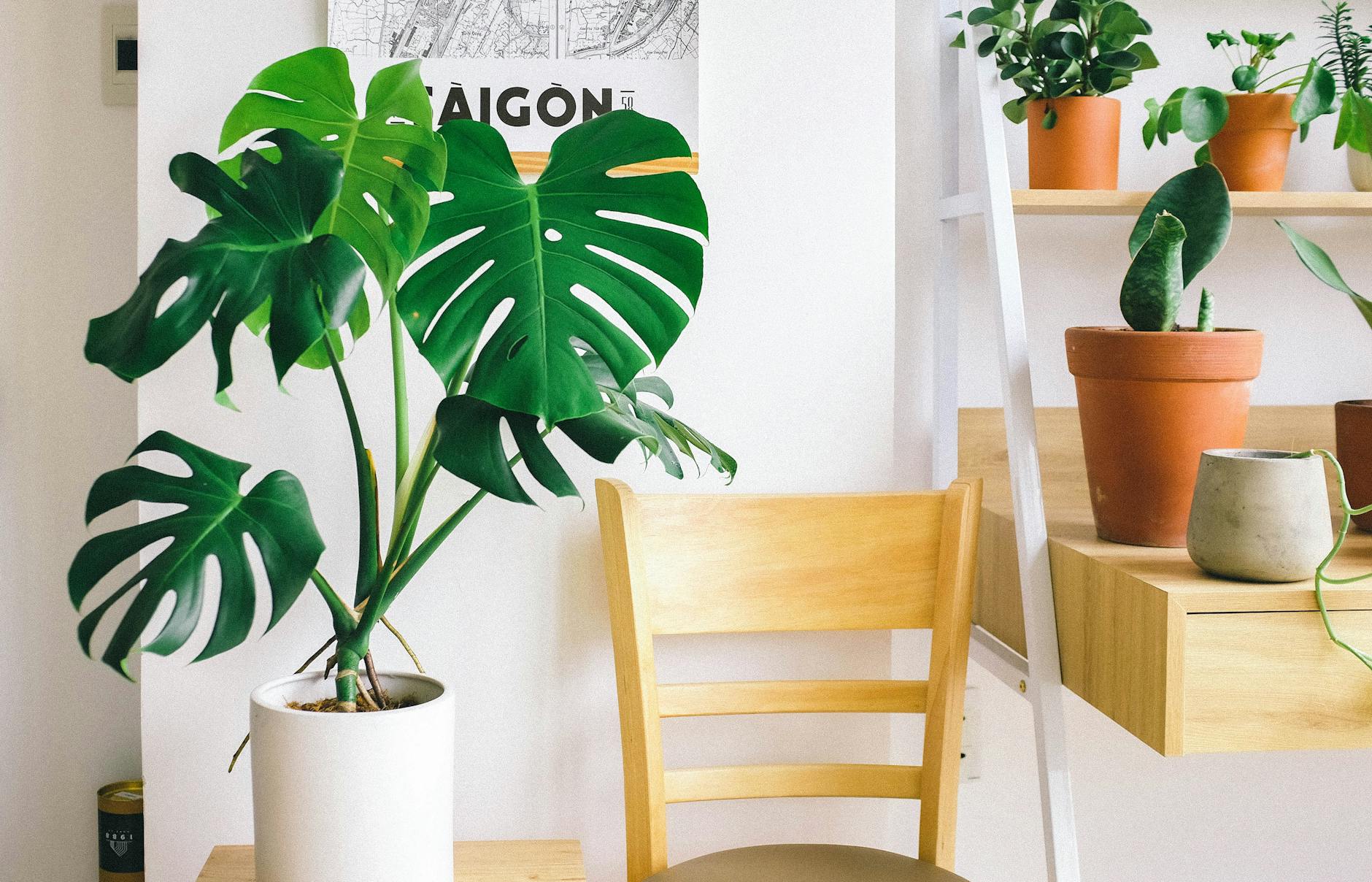
Certain indoor plants, such as peace lilies and snake plants, can help improve air quality by absorbing pollutants and releasing oxygen. While plants are not a substitute for other air quality measures, they can be a delightful and natural addition to your home’s ecosystem. However, ensure they are well-maintained to prevent mould growth in the soil.
Photo by cottonbro studio
Minimise Chemical Pollutants
Household cleaning products, paints, and aerosols can release volatile organic compounds (VOCs) into the air. Opt for low-VOC or VOC-free products wherever possible. Additionally, avoid smoking indoors, as tobacco smoke contains numerous harmful chemicals that linger in the air and on surfaces.
Replace and Maintain Filters
Regularly changing filters in your heating, ventilation, and cooling systems is essential for maintaining good air quality. Ensure your air conditioning unit’s filters are cleaned or replaced as recommended by the manufacturer. This prevents the circulation of dust and other pollutants.
Avoid Artificial Fragrances
While air fresheners and scented candles can make your home smell pleasant, they often contain chemicals that may contribute to indoor air pollution. Instead, use natural alternatives like essential oils or simmering herbs and spices on the stove for a pleasant aroma.
Photo by doTERRA International,
Test For Pollutants
If you’re concerned about specific pollutants, such as radon or carbon monoxide, consider using home testing kits. Early detection allows you to take appropriate measures to mitigate these risks.
Improving air quality in your home requires a combination of habits and tools, but the benefits to your health and well-being are well worth the effort. By implementing these strategies, you can create a fresher, healthier indoor environment for you and your loved ones.


Air quality plays a crucial role in maintaining a healthy and comfortable living environment. Poor air quality can exacerbate respiratory issues, allergies, and other health problems. Thankfully, there are several practical steps you can take to improve the air quality in your home. Here are some effective strategies to consider.
Ventilation Is Key
One of the simplest ways to enhance air quality is to ensure proper ventilation. Opening windows and doors periodically allows fresh air to circulate, reducing the concentration of indoor pollutants. In urban areas or during high pollen seasons, consider using window screens or limiting ventilation to times when outdoor air quality is better.
Use Air Purifiers
Air purifiers can be particularly beneficial for removing airborne particles such as dust, pollen, and pet dander. Choose a purifier with a HEPA filter for maximum efficiency. Place it in areas where your family spends the most time, such as the living room or bedrooms, to ensure cleaner air.
Maintain Cleanliness
Regular cleaning is essential for reducing dust and allergens in your home. Vacuum carpets and rugs weekly using a vacuum with a HEPA filter. Don’t forget to clean upholstery, curtains, and hard-to-reach areas where dust can accumulate. Damp dusting surfaces instead of dry dusting can also prevent particles from becoming airborne.
Control Humidity Levels
Excessive humidity can encourage mould growth and increase dust mites, both of which negatively impact air quality. Keep humidity levels between 30% and 50% using dehumidifiers or air conditioners. For specific areas like bathrooms and kitchens, ensure proper use of exhaust fans to expel moisture.
Introduce Indoor Plants
Certain indoor plants, such as peace lilies and snake plants, can help improve air quality by absorbing pollutants and releasing oxygen. While plants are not a substitute for other air quality measures, they can be a delightful and natural addition to your home’s ecosystem. However, ensure they are well-maintained to prevent mould growth in the soil.
Minimise Chemical Pollutants
Household cleaning products, paints, and aerosols can release volatile organic compounds (VOCs) into the air. Opt for low-VOC or VOC-free products wherever possible. Additionally, avoid smoking indoors, as tobacco smoke contains numerous harmful chemicals that linger in the air and on surfaces.
Replace and Maintain Filters
Regularly changing filters in your heating, ventilation, and cooling systems is essential for maintaining good air quality. Ensure your air conditioning unit’s filters are cleaned or replaced as recommended by the manufacturer. This prevents the circulation of dust and other pollutants.
Avoid Artificial Fragrances
While air fresheners and scented candles can make your home smell pleasant, they often contain chemicals that may contribute to indoor air pollution. Instead, use natural alternatives like essential oils or simmering herbs and spices on the stove for a pleasant aroma.
Test For Pollutants
If you’re concerned about specific pollutants, such as radon or carbon monoxide, consider using home testing kits. Early detection allows you to take appropriate measures to mitigate these risks.
Improving air quality in your home requires a combination of habits and tools, but the benefits to your health and well-being are well worth the effort. By implementing these strategies, you can create a fresher, healthier indoor environment for you and your loved ones.
Share this:
Like this: