Once you’re engaged, the path to getting married and planning a wedding can feel overwhelming. You might already have a vision for the details, such as themes, dresses, and food, or you may be unsure about many aspects. But don’t worry, there’s a rhythm to it all. Let’s break down the wedding planning journey to make it feel less like a marathon and more like a manageable walk in the park.
Start with the Big Picture: Engagement to 12+ Months Out
After the engagement, the first 12 months are your planning foundation, so take your time to get things right. Start by setting a date, considering which season works best for you. For instance, do you want a destination wedding, or do you need to think about the possibility of rain? Once you’ve narrowed that down, securing your venue should be your next priority. Popular venues can book up over a year in advance, so don’t wait too long.
At this stage, it’s also worth thinking about your bridal party, your wedding dress (yes, you’ll want to start early on this one!), and your couple’s wedding bands. Ordering early ensures there’s no last-minute rush.
Midway Milestones: 9–6 Months Before the Wedding
By now, you should have the big items ticked off – venue and date, themes, and guest list. With the foundation set, it’s time to focus on other important elements, like booking your vendors. Think caterers, photographers, florists, and entertainment. At this stage, you should have a clearer picture of your wedding budget, which will help you make more informed decisions when hiring suppliers.
Now, it’s time to zero in on the finer details. You’ll want to start thinking about the ceremony and reception details – everything from seating arrangements to table settings. You’ll also need to confirm details with vendors and review contracts to ensure everything is on track.
This is also the time to shop for bridesmaids’ and groomsmen’s attire. Be sure to get the wedding party involved in the process. Finally, order your wedding cake and finalize your wedding day itinerary. Don’t forget to arrange transportation for your big day and confirm the details of your honeymoon if you’re planning one.
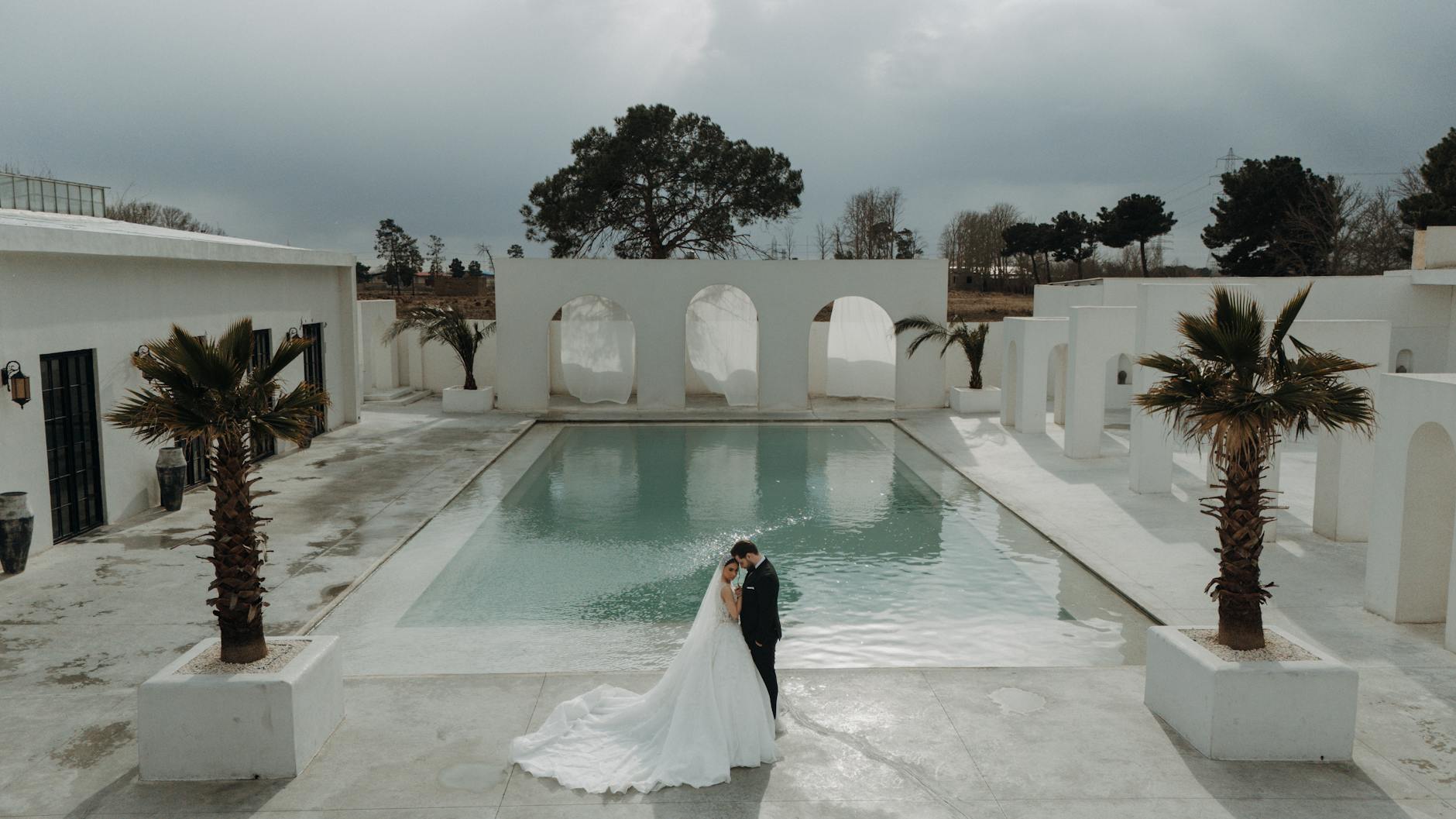
Photo by Masood Aslami
The Final Stretch: 1 Month to the Big Day
With the wedding only a month away, it’s time for the final push. You’ll want to confirm all your vendor bookings, including the schedule for the rehearsal dinner. During this stage, you may need to finalise your wedding day beauty appointments. Try a trial run to avoid any surprises on the big day. It’s also a good idea to start packing for your honeymoon, if applicable.
Creating Your Wedding Day Timeline
As the day draws closer, create a wedding day timeline, including: scheduling when everyone needs to arrive; how long each part of the ceremony will take; and when to allow for breaks or photos. The timeline should also account for unexpected delays, like guests running late or weather disruptions. By having a clear schedule, you can reduce stress and focus on enjoying your day, knowing everything is in place. Finally, if you’re working with a coordinator, make sure they’re familiar with the timeline so they can manage the day seamlessly.
Remember, while wedding planning is no small feat, taking it one step at a time and following this general timeline will ensure you enjoy every moment leading up to your big day.


Once you’re engaged, the path to getting married and planning a wedding can feel overwhelming. You might already have a vision for the details, such as themes, dresses, and food, or you may be unsure about many aspects. But don’t worry, there’s a rhythm to it all. Let’s break down the wedding planning journey to make it feel less like a marathon and more like a manageable walk in the park.
Start with the Big Picture: Engagement to 12+ Months Out
After the engagement, the first 12 months are your planning foundation, so take your time to get things right. Start by setting a date, considering which season works best for you. For instance, do you want a destination wedding, or do you need to think about the possibility of rain? Once you’ve narrowed that down, securing your venue should be your next priority. Popular venues can book up over a year in advance, so don’t wait too long.
At this stage, it’s also worth thinking about your bridal party, your wedding dress (yes, you’ll want to start early on this one!), and your couple’s wedding bands. Ordering early ensures there’s no last-minute rush.
Midway Milestones: 9–6 Months Before the Wedding
By now, you should have the big items ticked off – venue and date, themes, and guest list. With the foundation set, it’s time to focus on other important elements, like booking your vendors. Think caterers, photographers, florists, and entertainment. At this stage, you should have a clearer picture of your wedding budget, which will help you make more informed decisions when hiring suppliers.
Now’s also the time to decide if you would like to hire a wedding planner or not. Keep refining your guest list and sending out save-the-dates to ensure your guests can make relevant arrangements.
Invitation & Final Details: 5–2 Months Before
Now, it’s time to zero in on the finer details. You’ll want to start thinking about the ceremony and reception details – everything from seating arrangements to table settings. You’ll also need to confirm details with vendors and review contracts to ensure everything is on track.
This is also the time to shop for bridesmaids’ and groomsmen’s attire. Be sure to get the wedding party involved in the process. Finally, order your wedding cake and finalize your wedding day itinerary. Don’t forget to arrange transportation for your big day and confirm the details of your honeymoon if you’re planning one.
The Final Stretch: 1 Month to the Big Day
With the wedding only a month away, it’s time for the final push. You’ll want to confirm all your vendor bookings, including the schedule for the rehearsal dinner. During this stage, you may need to finalise your wedding day beauty appointments. Try a trial run to avoid any surprises on the big day. It’s also a good idea to start packing for your honeymoon, if applicable.
Creating Your Wedding Day Timeline
As the day draws closer, create a wedding day timeline, including: scheduling when everyone needs to arrive; how long each part of the ceremony will take; and when to allow for breaks or photos. The timeline should also account for unexpected delays, like guests running late or weather disruptions. By having a clear schedule, you can reduce stress and focus on enjoying your day, knowing everything is in place. Finally, if you’re working with a coordinator, make sure they’re familiar with the timeline so they can manage the day seamlessly.
Remember, while wedding planning is no small feat, taking it one step at a time and following this general timeline will ensure you enjoy every moment leading up to your big day.
Share this:
Like this: