There’s nothing more exciting than planning changes to your outdoor space. A new patio, lush garden beds, or even a small extension can completely transform how you use your home. Besides, it is a fantastic way to add value to your property.
But before you start sketching ideas or buying materials, it’s important to think about what’s happening beneath the surface. Rushing into projects without preparation can lead to expensive mistakes and unnecessary stress.
While it’s tempting to jump straight into design ideas to improve your home exterior, taking the time to check your land first will pay off in the long run. There’s so much going on with your outdoor space that you want to understand all the factors before making a decision you could regret later.
Photo by Roman Biernacki
Let’s talk about archeological value
Many parts of Australia are steeped in cultural heritage, and your property may sit on an area of historical or archaeological significance. This could be remnants of early settlements or artefacts hidden underground for generations.
Doing this step protects your project and is responsible. If you start excavation and find artefacts later, work will stop and costs will blow out. That’s why many homeowners and developers call on ALASSOC, experts in archaeological and heritage consulting. They provide surveys and assessments to determine if your site has heritage value, so you can have peace of mind before you commit to your plans.
Even if you don’t think you’ll find anything significant, do this step to protect your investment and Australia’s cultural heritage.
Check the soil before you plant
If you’re planning new flower beds, vegetables, or even a small outdoor structure, the type of soil you have will play a big role in whether it thrives or struggles. Clay-heavy soils, for example, can hold too much water, making them sticky in winter and hard as concrete in summer.
On the other hand, sandy soils may drain too quickly, leaving plants without the steady supply of moisture they need. Acidic soils can make it difficult for many plants to absorb essential nutrients, while very alkaline soils can have a similar effect. Testing kits are inexpensive and give you a quick snapshot of your garden’s pH level.
Most soil issues can be improved. But you need to know what you’re working with.
Photo by Markus Spiske
Make sure the ground is stable
Before you start building anything permanent in your garden, it’s important to know that the ground beneath is stable. Uneven settling or hidden soft spots in the soil can cause new structures to shift, crack, or even collapse over time.
Without proper checks, you might find your freshly paved patio tilting after the first heavy rain or your garden office developing structural issues within a few years. These problems are not only frustrating but also expensive to put right.
Specialists can carry out soil and stability tests that reveal whether the ground can support your plans. This step may feel like an extra hassle, but it’s far easier and cheaper to deal with potential issues before you build rather than after.
In conclusion, there’s a lot more to your outdoor space than meets the eye. While there’s no denying that many homeowners do not expect more than a simple garden, no matter what you want to do with your outdoor area, prior testing can save you a lot of hassles!


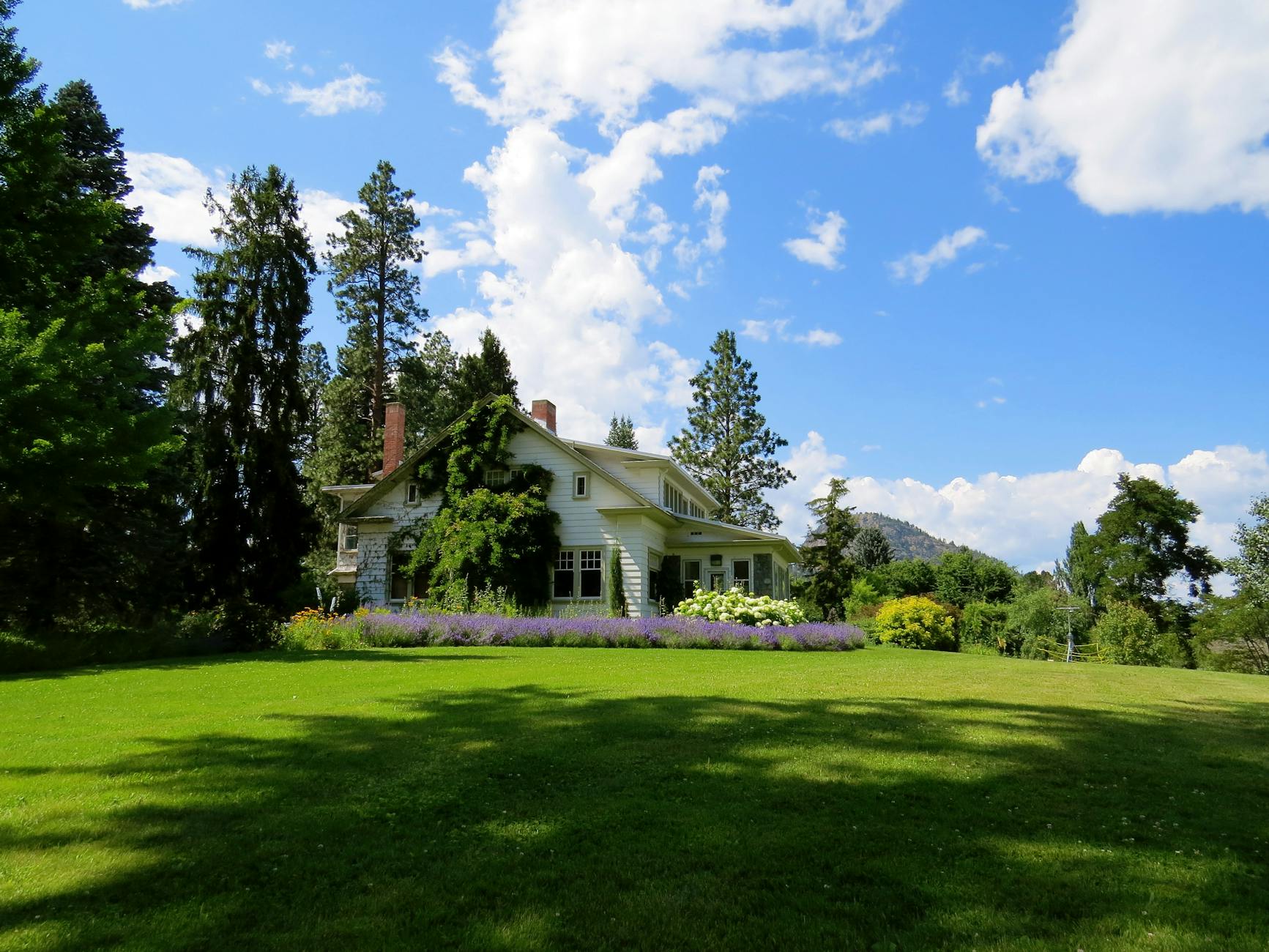
There’s nothing more exciting than planning changes to your outdoor space. A new patio, lush garden beds, or even a small extension can completely transform how you use your home. Besides, it is a fantastic way to add value to your property.
But before you start sketching ideas or buying materials, it’s important to think about what’s happening beneath the surface. Rushing into projects without preparation can lead to expensive mistakes and unnecessary stress.
While it’s tempting to jump straight into design ideas to improve your home exterior, taking the time to check your land first will pay off in the long run. There’s so much going on with your outdoor space that you want to understand all the factors before making a decision you could regret later.
Let’s talk about archeological value
Many parts of Australia are steeped in cultural heritage, and your property may sit on an area of historical or archaeological significance. This could be remnants of early settlements or artefacts hidden underground for generations.
Doing this step protects your project and is responsible. If you start excavation and find artefacts later, work will stop and costs will blow out. That’s why many homeowners and developers call on ALASSOC, experts in archaeological and heritage consulting. They provide surveys and assessments to determine if your site has heritage value, so you can have peace of mind before you commit to your plans.
Even if you don’t think you’ll find anything significant, do this step to protect your investment and Australia’s cultural heritage.
Check the soil before you plant
If you’re planning new flower beds, vegetables, or even a small outdoor structure, the type of soil you have will play a big role in whether it thrives or struggles. Clay-heavy soils, for example, can hold too much water, making them sticky in winter and hard as concrete in summer.
On the other hand, sandy soils may drain too quickly, leaving plants without the steady supply of moisture they need. Acidic soils can make it difficult for many plants to absorb essential nutrients, while very alkaline soils can have a similar effect. Testing kits are inexpensive and give you a quick snapshot of your garden’s pH level.
Most soil issues can be improved. But you need to know what you’re working with.
Make sure the ground is stable
Before you start building anything permanent in your garden, it’s important to know that the ground beneath is stable. Uneven settling or hidden soft spots in the soil can cause new structures to shift, crack, or even collapse over time.
Without proper checks, you might find your freshly paved patio tilting after the first heavy rain or your garden office developing structural issues within a few years. These problems are not only frustrating but also expensive to put right.
Specialists can carry out soil and stability tests that reveal whether the ground can support your plans. This step may feel like an extra hassle, but it’s far easier and cheaper to deal with potential issues before you build rather than after.
In conclusion, there’s a lot more to your outdoor space than meets the eye. While there’s no denying that many homeowners do not expect more than a simple garden, no matter what you want to do with your outdoor area, prior testing can save you a lot of hassles!
Share this:
Like this: