When it comes to renovating or improving the value of your home, choosing the right flooring can make a significant difference. Hardwood floors, with their timeless beauty and durability, have remained a popular choice among homeowners for decades. This article delves into the myriad benefits of installing hardwood flooring, from aesthetic appeal to financial return value.
Enhanced Home Value
One of the most compelling reasons to install hardwood flooring is its impact on your home’s market value. According to Fixr, homes with hardwood flooring can see an increase in value by approximately 3% to 5%. This boost in value can be a significant advantage when considering a future resale, thus providing a good return on your investment.
Potential buyers often appreciate the aesthetic appeal and durability of hardwood floors, viewing them as a premium feature. The timeless elegance offered by these floors can elevate the overall ambiance and desirability of your property. Consequently, this attribute is likely to attract more prospective buyers when you decide to list your home, maximizing your selling potential.
Hardwood floors not only enhance visual appeal, but they also signify a home that is well-maintained and modern. This naturally increases perceived value, as buyers associate hardwood with quality and longevity. When it comes to renovations that add tangible value, hardwood flooring is a wise choice to consider.
Longevity and Low Maintenance
Durability is a hallmark of hardwood flooring, making it an excellent long-term investment for homeowners. Most hardwood floors, especially prefinished variants, can last for decades with minimal maintenance. According to This Old House, a homeowner might only need to consider sanding and restaining every 15 to 30 years, depending on the amount of wear the flooring receives.
Regular sweeping or vacuuming is often sufficient to maintain the pristine condition of hardwood floors. Spills should be cleaned promptly to avoid staining, but beyond that, the upkeep is relatively hassle-free. This low maintenance requirement contributes to the overall cost-effectiveness of hardwood flooring over time.
Advanced finishes and treatments applied to modern hardwoods enhance their resistance to wear and tear, extending their lifespan significantly. The initial investment in hardwood can therefore translate into reduced costs over the years compared to other types of flooring, which may require more frequent replacing or repairing.
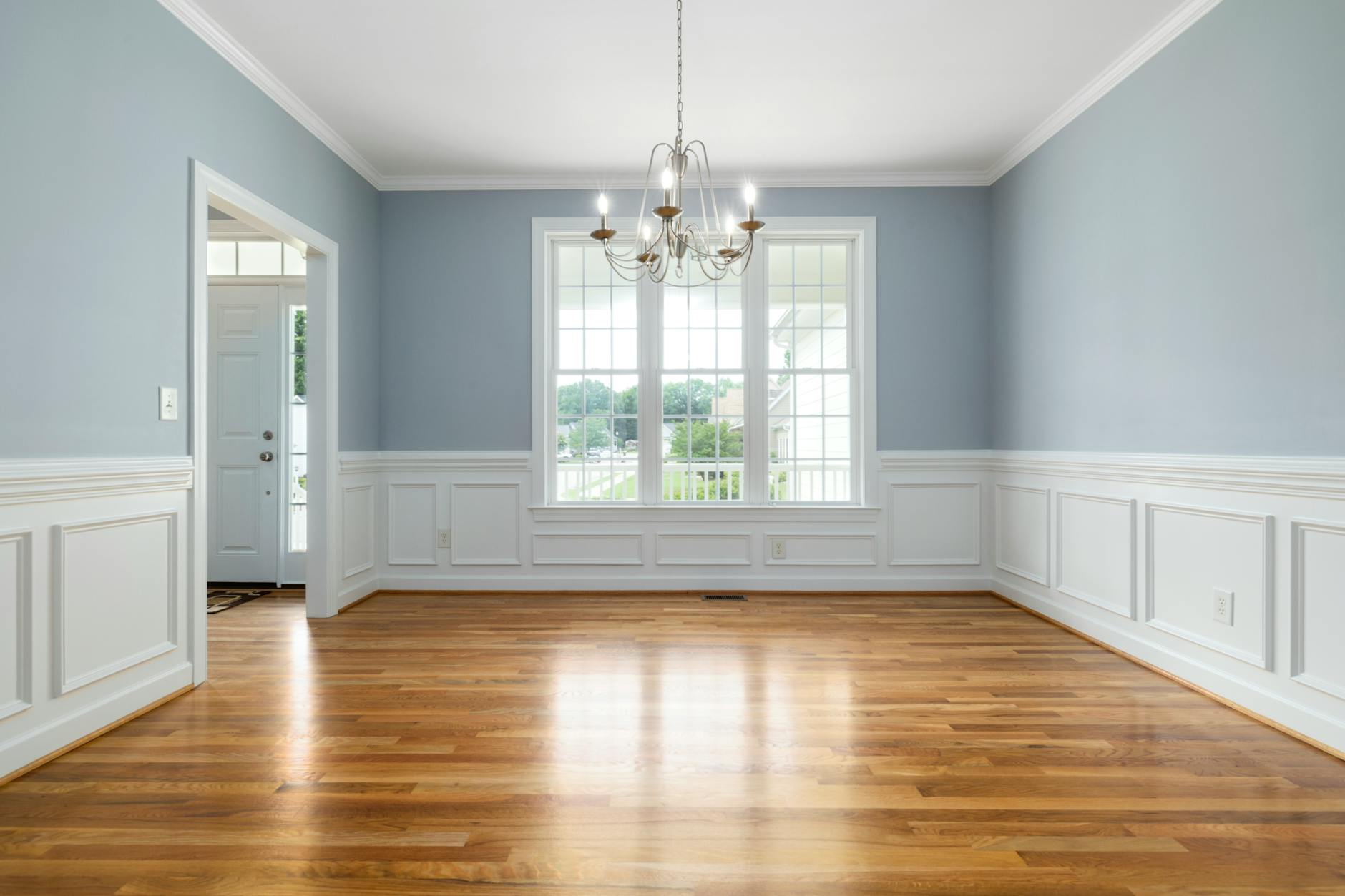
Photo by Ushindi Namegabe
Financial Returns
Investing in hardwood flooring can also yield impressive financial returns beyond just resale value. Forbes highlights that homeowners can experience a 106% return on their investment from hardwood installations. This means that the amount you spend on the flooring could potentially be recouped entirely, with additional profit, upon selling your home.
Hardwood floors are often seen as a luxury feature in homes, which can create a competitive edge in the real estate market. Buyers looking for premium quality will be willing to pay more for homes that offer enduring features like hardwood flooring. Financially, this results in a superior payback when compared to other upgrade options.
Apart from direct financial benefits, the intangible value that hardwood floors add to quality of life is another return worth considering. Walking on smooth, elegant flooring can enhance the comfort and luxury feel of any space, increasing your overall satisfaction and enjoyment of your home environment.
Installing hardwood flooring in your home is a beneficial investment that can enhance not only aesthetic appeal but also property value and financial returns. With advantages including increased home value, longevity, low maintenance, and exceptional return on investment, it’s clear why hardwood floors remain a top choice for discerning homeowners. Whether you’re planning to sell soon or intend to enjoy your home for years to come, hardwood flooring offers significant benefit potential, ensuring you reap rewards long after installation.


When it comes to renovating or improving the value of your home, choosing the right flooring can make a significant difference. Hardwood floors, with their timeless beauty and durability, have remained a popular choice among homeowners for decades. This article delves into the myriad benefits of installing hardwood flooring, from aesthetic appeal to financial return value.
Enhanced Home Value
One of the most compelling reasons to install hardwood flooring is its impact on your home’s market value. According to Fixr, homes with hardwood flooring can see an increase in value by approximately 3% to 5%. This boost in value can be a significant advantage when considering a future resale, thus providing a good return on your investment.
Potential buyers often appreciate the aesthetic appeal and durability of hardwood floors, viewing them as a premium feature. The timeless elegance offered by these floors can elevate the overall ambiance and desirability of your property. Consequently, this attribute is likely to attract more prospective buyers when you decide to list your home, maximizing your selling potential.
Hardwood floors not only enhance visual appeal, but they also signify a home that is well-maintained and modern. This naturally increases perceived value, as buyers associate hardwood with quality and longevity. When it comes to renovations that add tangible value, hardwood flooring is a wise choice to consider.
Longevity and Low Maintenance
Durability is a hallmark of hardwood flooring, making it an excellent long-term investment for homeowners. Most hardwood floors, especially prefinished variants, can last for decades with minimal maintenance. According to This Old House, a homeowner might only need to consider sanding and restaining every 15 to 30 years, depending on the amount of wear the flooring receives.
Regular sweeping or vacuuming is often sufficient to maintain the pristine condition of hardwood floors. Spills should be cleaned promptly to avoid staining, but beyond that, the upkeep is relatively hassle-free. This low maintenance requirement contributes to the overall cost-effectiveness of hardwood flooring over time.
Advanced finishes and treatments applied to modern hardwoods enhance their resistance to wear and tear, extending their lifespan significantly. The initial investment in hardwood can therefore translate into reduced costs over the years compared to other types of flooring, which may require more frequent replacing or repairing.
Financial Returns
Investing in hardwood flooring can also yield impressive financial returns beyond just resale value. Forbes highlights that homeowners can experience a 106% return on their investment from hardwood installations. This means that the amount you spend on the flooring could potentially be recouped entirely, with additional profit, upon selling your home.
Hardwood floors are often seen as a luxury feature in homes, which can create a competitive edge in the real estate market. Buyers looking for premium quality will be willing to pay more for homes that offer enduring features like hardwood flooring. Financially, this results in a superior payback when compared to other upgrade options.
Apart from direct financial benefits, the intangible value that hardwood floors add to quality of life is another return worth considering. Walking on smooth, elegant flooring can enhance the comfort and luxury feel of any space, increasing your overall satisfaction and enjoyment of your home environment.
Installing hardwood flooring in your home is a beneficial investment that can enhance not only aesthetic appeal but also property value and financial returns. With advantages including increased home value, longevity, low maintenance, and exceptional return on investment, it’s clear why hardwood floors remain a top choice for discerning homeowners. Whether you’re planning to sell soon or intend to enjoy your home for years to come, hardwood flooring offers significant benefit potential, ensuring you reap rewards long after installation.
Share this:
Like this: