A well-designed garden room can turn a simple outdoor space into a versatile retreat that enhances everyday living. Blending indoor comfort with natural surroundings, it creates a quiet sanctuary for work, relaxation, or creativity.
Incorporating natural light, thoughtful layouts, and materials that harmonize with the environment makes the space feel open and refreshing. Whether used as a home office, art studio, or peaceful escape, the garden room extends living areas while maintaining a strong connection to nature.
Core Principles Of Garden Room Design For Retreat Living
Creating a garden room that serves as a retreat requires attention to specific design elements. Prioritizing light, materials, comfort, and greenery ensures the space becomes a seamless extension of the home while maintaining a close connection with nature.
Maximizing Natural Light And Skylights
Natural light is essential in a garden room to establish a bright, inviting atmosphere. Large windows and glass doors allow sunlight to flood the space during the day, minimizing the need for artificial lighting. Skylights are equally important; they introduce overhead light, reducing shadows and enhancing the feeling of openness.
Strategically placing skylights can also help control the indoor temperature, especially if operable options are chosen to promote airflow. Using clear or frosted glass allows for privacy while still welcoming daylight. Careful orientation of windows prevents glare and maximizes sunlight exposure throughout different seasons, providing consistent illumination that nurtures both well-being and plants inside the garden room.
Photo by Rachel Claire
Blending Indoor Comfort With Outdoor Living
A successful garden room balances indoor comfort with the freshness of outdoor living. This involves installing effective insulation to maintain temperature stability and using weatherproof elements to protect from moisture and drafts.
Comfortable seating, textiles like cushions or throws, and heating solutions extend usability year-round. Features such as Dutch doors or screens enable natural ventilation without compromising security or pest control. The design integrates both sheltered and open areas, encouraging interactions with the garden while offering respite from harsher weather conditions or insects.
Selecting Natural Materials For A Calming Atmosphere
Natural materials are key in fostering a relaxing environment in garden rooms. Wood, especially reclaimed varieties, brings warmth and texture that synthetic substances rarely achieve. Walls, beams, and flooring crafted from untreated or lightly finished wood enhance the organic feel.
Other materials like stone, bamboo, and natural insulation contribute to the sense of calm while supporting sustainability goals. These elements also age gracefully, creating visual interest over time. Combining materials thoughtfully avoids harsh contrasts, focusing instead on smooth transitions and harmony that promote mental ease and connection with nature.
Integrating Greenery And Vertical Gardens
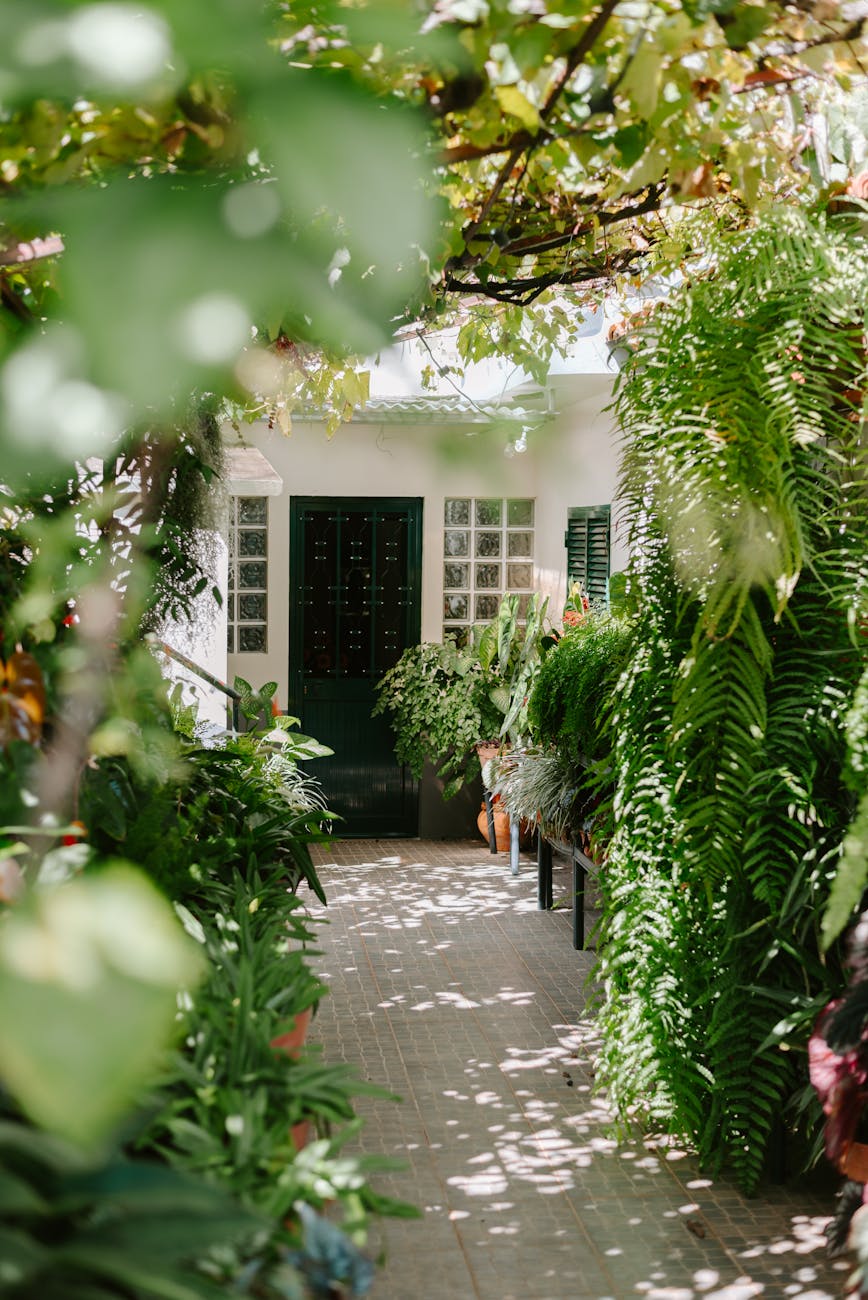
Incorporating greenery is essential for a garden room to feel like a true retreat. Vertical gardens using decorative planters or modular systems maximize space while providing lush visual interest.
Indoor plants improve air quality and create microclimates that raise comfort levels. Selecting easy-to-maintain species suited to indoor conditions ensures longevity and minimal upkeep. Grouping plants by humidity and light needs optimizes healthy growth.
Vertical gardens can serve as natural screens or focal points, introducing layers of texture and color. Thoughtful placement enhances privacy and reinforces the fusion between indoor living and the natural environment beyond the garden room’s walls.
Photo by Valeria Ushakova
Transformative Garden Room Retreat Ideas
Designing a garden room to serve as a true retreat involves thoughtful choices in style, materials, and functionality. Tailoring the space to blend comfort with purpose creates an environment that supports work, relaxation, and creativity. Carefully selecting features and zones enhances the overall experience.
Modern Minimalist Garden Room Concepts
Modern minimalist garden rooms emphasize clean lines, simplicity, and open space. They often use neutral color palettes with whites, grays, and natural wood tones to promote calmness and clarity. Large windows or glass walls maximize natural light and blur the boundary between indoors and outdoors.
Furnishings are sleek, ergonomic, and multi-functional, focusing on comfort without clutter. Built-in storage solutions keep the space tidy while preserving the minimalist aesthetic. This approach suits home offices or art studios where focus and inspiration are key.
Soft, indirect lighting complements daylight, avoiding harsh contrasts and enhancing tranquility. The minimalist style supports a productive yet relaxing atmosphere, making it ideal for modern outdoor retreats.
Rustic Retreat Ambiance And Material Choices
Rustic garden rooms create warmth through natural materials like exposed timber beams, stone accents, and rough-hewn finishes. Earthy colors such as browns, greens, and warm neutrals foster a grounded, inviting feel. Textiles like wool, linen, and rattan add tactile comfort.
This design suits reading nooks and guest accommodation, inviting quiet enjoyment and rest. Furniture tends toward handcrafted or vintage pieces, adding character and authenticity. Warm lighting, such as lantern-style fixtures or soft bulbs, enhances the cozy mood.
Incorporating plants or a small indoor garden strengthens the connection to nature. The rustic retreat blends charm with comfort to offer a calming sanctuary from everyday life.
Functional Zones: Home Offices, Reading Nooks, And Meditation Spaces
A successful garden room retreat often includes well-defined zones tailored to different activities. Home offices benefit from ergonomic furniture, ample desk space, and controlled lighting to reduce eye strain. Noise-reducing materials or soundproofing improve concentration.
Reading nooks require comfortable seating with plush cushions or armchairs, paired with adjustable task lighting. Adding shelves or storage nearby keeps books organized. Quiet corners or alcoves help foster focus and relaxation.
Meditation spaces focus on simplicity and peace, with minimal furniture, soft rugs, and natural elements like plants or stones. These zones should be free from distractions and offer privacy. Incorporating neutral colors and gentle natural light supports calm and mindfulness.
Photo by Mikael Blomkvist
Enhancing The Retreat With Features Like Fireplaces, Water Elements, And Ergonomic Furniture
Incorporating a fireplace adds warmth and a focal point, extending usability into cooler months. Whether a traditional wood-burning or modern electric model, fireplaces heighten comfort and atmosphere. Water features such as fountains or small ponds introduce soothing sounds and visual tranquility.
Ergonomic furniture is essential throughout the retreat to support physical well-being. Adjustable chairs, supportive cushions, and proper desk heights reduce fatigue during work or relaxation. Pairing functional furniture with soft lighting improves mood and usability.


A well-designed garden room can turn a simple outdoor space into a versatile retreat that enhances everyday living. Blending indoor comfort with natural surroundings, it creates a quiet sanctuary for work, relaxation, or creativity.
Incorporating natural light, thoughtful layouts, and materials that harmonize with the environment makes the space feel open and refreshing. Whether used as a home office, art studio, or peaceful escape, the garden room extends living areas while maintaining a strong connection to nature.
Core Principles Of Garden Room Design For Retreat Living
Creating a garden room that serves as a retreat requires attention to specific design elements. Prioritizing light, materials, comfort, and greenery ensures the space becomes a seamless extension of the home while maintaining a close connection with nature.
Maximizing Natural Light And Skylights
Natural light is essential in a garden room to establish a bright, inviting atmosphere. Large windows and glass doors allow sunlight to flood the space during the day, minimizing the need for artificial lighting. Skylights are equally important; they introduce overhead light, reducing shadows and enhancing the feeling of openness.
Strategically placing skylights can also help control the indoor temperature, especially if operable options are chosen to promote airflow. Using clear or frosted glass allows for privacy while still welcoming daylight. Careful orientation of windows prevents glare and maximizes sunlight exposure throughout different seasons, providing consistent illumination that nurtures both well-being and plants inside the garden room.
Blending Indoor Comfort With Outdoor Living
A successful garden room balances indoor comfort with the freshness of outdoor living. This involves installing effective insulation to maintain temperature stability and using weatherproof elements to protect from moisture and drafts.
Comfortable seating, textiles like cushions or throws, and heating solutions extend usability year-round. Features such as Dutch doors or screens enable natural ventilation without compromising security or pest control. The design integrates both sheltered and open areas, encouraging interactions with the garden while offering respite from harsher weather conditions or insects.
Selecting Natural Materials For A Calming Atmosphere
Natural materials are key in fostering a relaxing environment in garden rooms. Wood, especially reclaimed varieties, brings warmth and texture that synthetic substances rarely achieve. Walls, beams, and flooring crafted from untreated or lightly finished wood enhance the organic feel.
Other materials like stone, bamboo, and natural insulation contribute to the sense of calm while supporting sustainability goals. These elements also age gracefully, creating visual interest over time. Combining materials thoughtfully avoids harsh contrasts, focusing instead on smooth transitions and harmony that promote mental ease and connection with nature.
Integrating Greenery And Vertical Gardens
Incorporating greenery is essential for a garden room to feel like a true retreat. Vertical gardens using decorative planters or modular systems maximize space while providing lush visual interest.
Indoor plants improve air quality and create microclimates that raise comfort levels. Selecting easy-to-maintain species suited to indoor conditions ensures longevity and minimal upkeep. Grouping plants by humidity and light needs optimizes healthy growth.
Vertical gardens can serve as natural screens or focal points, introducing layers of texture and color. Thoughtful placement enhances privacy and reinforces the fusion between indoor living and the natural environment beyond the garden room’s walls.
Transformative Garden Room Retreat Ideas
Designing a garden room to serve as a true retreat involves thoughtful choices in style, materials, and functionality. Tailoring the space to blend comfort with purpose creates an environment that supports work, relaxation, and creativity. Carefully selecting features and zones enhances the overall experience.
Modern Minimalist Garden Room Concepts
Modern minimalist garden rooms emphasize clean lines, simplicity, and open space. They often use neutral color palettes with whites, grays, and natural wood tones to promote calmness and clarity. Large windows or glass walls maximize natural light and blur the boundary between indoors and outdoors.
Furnishings are sleek, ergonomic, and multi-functional, focusing on comfort without clutter. Built-in storage solutions keep the space tidy while preserving the minimalist aesthetic. This approach suits home offices or art studios where focus and inspiration are key.
Soft, indirect lighting complements daylight, avoiding harsh contrasts and enhancing tranquility. The minimalist style supports a productive yet relaxing atmosphere, making it ideal for modern outdoor retreats.
Rustic Retreat Ambiance And Material Choices
Rustic garden rooms create warmth through natural materials like exposed timber beams, stone accents, and rough-hewn finishes. Earthy colors such as browns, greens, and warm neutrals foster a grounded, inviting feel. Textiles like wool, linen, and rattan add tactile comfort.
This design suits reading nooks and guest accommodation, inviting quiet enjoyment and rest. Furniture tends toward handcrafted or vintage pieces, adding character and authenticity. Warm lighting, such as lantern-style fixtures or soft bulbs, enhances the cozy mood.
Incorporating plants or a small indoor garden strengthens the connection to nature. The rustic retreat blends charm with comfort to offer a calming sanctuary from everyday life.
Functional Zones: Home Offices, Reading Nooks, And Meditation Spaces
A successful garden room retreat often includes well-defined zones tailored to different activities. Home offices benefit from ergonomic furniture, ample desk space, and controlled lighting to reduce eye strain. Noise-reducing materials or soundproofing improve concentration.
Reading nooks require comfortable seating with plush cushions or armchairs, paired with adjustable task lighting. Adding shelves or storage nearby keeps books organized. Quiet corners or alcoves help foster focus and relaxation.
Meditation spaces focus on simplicity and peace, with minimal furniture, soft rugs, and natural elements like plants or stones. These zones should be free from distractions and offer privacy. Incorporating neutral colors and gentle natural light supports calm and mindfulness.
Enhancing The Retreat With Features Like Fireplaces, Water Elements, And Ergonomic Furniture
Incorporating a fireplace adds warmth and a focal point, extending usability into cooler months. Whether a traditional wood-burning or modern electric model, fireplaces heighten comfort and atmosphere. Water features such as fountains or small ponds introduce soothing sounds and visual tranquility.
Ergonomic furniture is essential throughout the retreat to support physical well-being. Adjustable chairs, supportive cushions, and proper desk heights reduce fatigue during work or relaxation. Pairing functional furniture with soft lighting improves mood and usability.
Share this:
Like this: