It’s clear that the fossil fuel era is going to come to an end, one way or another. Optimists like to believe it will be through collective government action. But the reality is that the price mechanism will ultimately seal the fate of coal, oil, and gas. When prices rise, alternative energy solutions will invariably fill the gap.
That’s why setting up a business in the energy 2.0 sector could put you in an excellent position. You’d be poised to take over the market, ready to cash in the moment the crisis hits in the traditional sector.
What’s more, solar panels, wind, and other technologies are already doing well. Many businesses in the sector are making a lot of money from it, helping their founders get rich. So, what can you do to set up a solar panel business? Here’s our advice.
Get To Know The Market
The first step is to know the business. The more you understand how it operates, the better you will do when you finally start investing.
Make sure you take time to figure out which projects your business could do well. Focus on the areas in which you’re most likely to succeed. Don’t take on massive installation projects unless you know you have the capital to support you.
Figure Out Your Business Model
The next step is to figure out your business model. Different businesses can be involved in the solar industry in different ways.
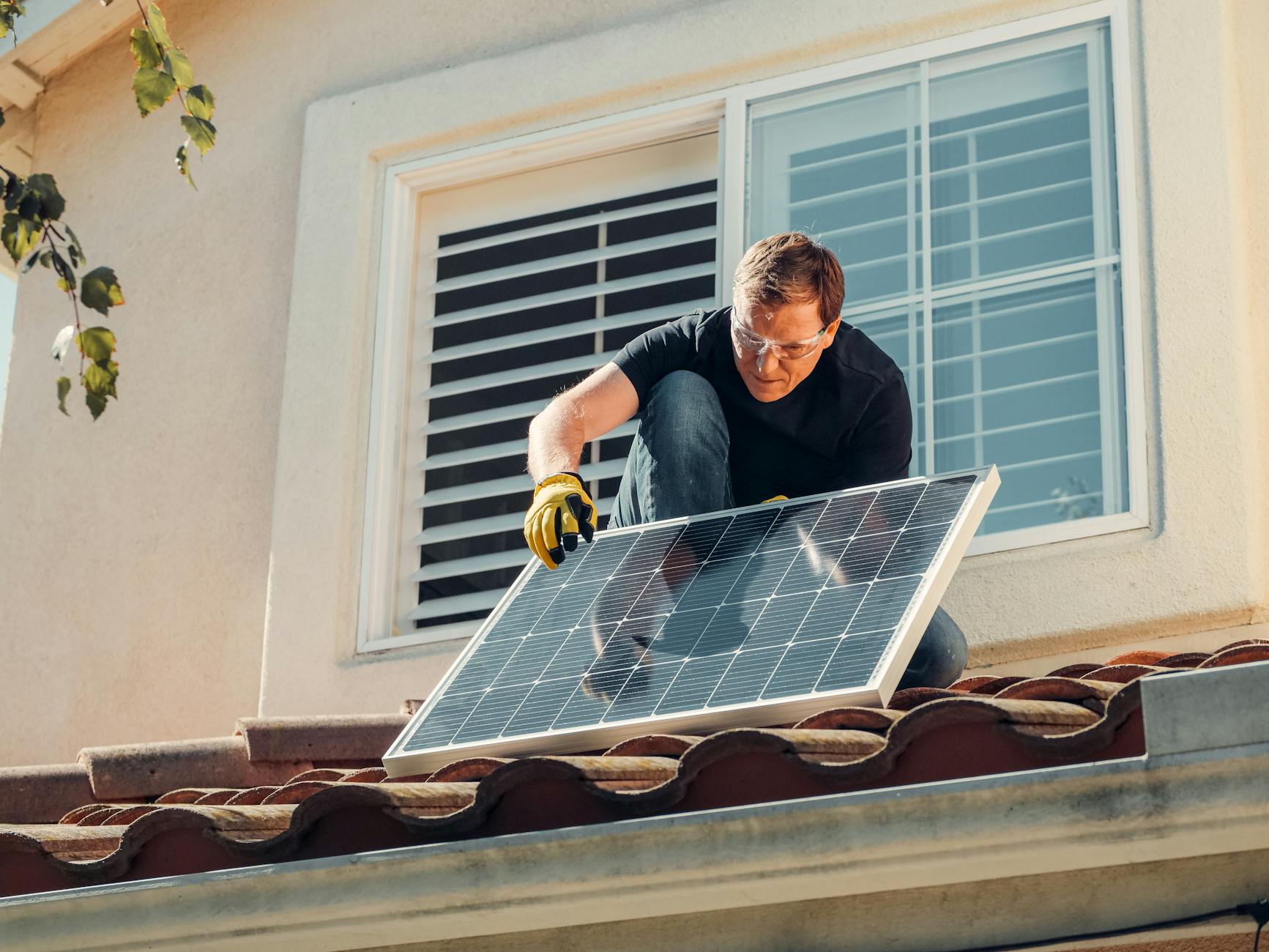
You want to identify a model that works for you. You might be interested in the selling and installation of solar panels, maintenance, or distribution to sell manufacturing products. Other areas may also include specialization in solar designs, consulting, or the development of your own manufactured solar products. The clarification of the business model would help in the structuring of operations.
Remember, in any solar panel business, you will need to maintain relationships with suppliers. You won’t be able to do everything yourself, whether that’s sourcing solar cable or finding agencies that can supply you with installation laborers.
Building your knowledge is another essential step. Remember, the solar industry is technical in nature, and even if you do not actually install the panels, you should learn basic concepts of photovoltaic systems, energy storage, and advances in solar technology.
Because of this, it’s a good idea to go to the North American Board of Certified Energy Practitioners (NABCEP) and get the relevant accolades. These will provide you with the background you require to excel. It is also a great way to establish credibility and gain a level of trust with clients.
Focus On Customer Service
Finally, once you’ve laid the groundwork, ensure you provide customers with the best service as that’s one of the best ways to make a name for yourself in the sector. The more you can meet their needs, the more your name will get around and you can win referral business.
If you can, include as many services in your installation plans as possible, including maintenance, warranties, and upkeep.


It’s clear that the fossil fuel era is going to come to an end, one way or another. Optimists like to believe it will be through collective government action. But the reality is that the price mechanism will ultimately seal the fate of coal, oil, and gas. When prices rise, alternative energy solutions will invariably fill the gap.
That’s why setting up a business in the energy 2.0 sector could put you in an excellent position. You’d be poised to take over the market, ready to cash in the moment the crisis hits in the traditional sector.
What’s more, solar panels, wind, and other technologies are already doing well. Many businesses in the sector are making a lot of money from it, helping their founders get rich. So, what can you do to set up a solar panel business? Here’s our advice.
Get To Know The Market
The first step is to know the business. The more you understand how it operates, the better you will do when you finally start investing.
Make sure you take time to figure out which projects your business could do well. Focus on the areas in which you’re most likely to succeed. Don’t take on massive installation projects unless you know you have the capital to support you.
Figure Out Your Business Model
The next step is to figure out your business model. Different businesses can be involved in the solar industry in different ways.
You want to identify a model that works for you. You might be interested in the selling and installation of solar panels, maintenance, or distribution to sell manufacturing products. Other areas may also include specialization in solar designs, consulting, or the development of your own manufactured solar products. The clarification of the business model would help in the structuring of operations.
Remember, in any solar panel business, you will need to maintain relationships with suppliers. You won’t be able to do everything yourself, whether that’s sourcing solar cable or finding agencies that can supply you with installation laborers.
Build Your Knowledge
Building your knowledge is another essential step. Remember, the solar industry is technical in nature, and even if you do not actually install the panels, you should learn basic concepts of photovoltaic systems, energy storage, and advances in solar technology.
Because of this, it’s a good idea to go to the North American Board of Certified Energy Practitioners (NABCEP) and get the relevant accolades. These will provide you with the background you require to excel. It is also a great way to establish credibility and gain a level of trust with clients.
Focus On Customer Service
Finally, once you’ve laid the groundwork, ensure you provide customers with the best service as that’s one of the best ways to make a name for yourself in the sector. The more you can meet their needs, the more your name will get around and you can win referral business.
If you can, include as many services in your installation plans as possible, including maintenance, warranties, and upkeep.
Share this:
Like this: