When it comes to really nasty weather, this can disrupt your workspace especially if you work outdoors or even semi-outdoors (like logistics and fulfillment). But with that said, when you’re trying to improve your office or workspace, you need to keep in mind that the bad weather can massively destroy efficiency. This doesn’t always need to be a natural disaster, in fact, even just a severe thunderstorm or heavy rainfall for days on end can make a significant impact too.
Whether it’s a fierce winter storm, a torrential downpour, or a scorching heatwave, it’s crucial to have measures in place to keep everyone safe. Bad weather is just bad weather, but it all can have a bad effect. Where do you even begin on this? How can you keep your workspace safe during bad weather? Well, here’s exactly what you need to know!
How Exactly Can Bad Weather Affect Your Workspace?
Again, this doesn’t necessarily mean dangerous weather like tornadoes or hurricanes; in those cases all work should cease unless you are an emergency worker. When referring to bad weather, this specifically means storms, or maybe a lot of snow, nothing extreme- nothing that would be considered fatal or a natural disaster.
Weather doesn’t just affect the great outdoors; it can also bring a whole host of problems to your workplace. When storms roll in with heavy rain, the risk of flooding is real, which can damage not only the structure of office buildings but also soak through critical documents and fry pricey electronics. It can even get to the point where it’s flooded outside so much that you’ll need to hire a vacuum truck for assistance. This is just an example, but again, bad weather can really get in the way of productive work.
So, what about more examples? Well, icy conditions and snowfall make getting to work a risky proposition, leading to late arrivals or accidents that can keep essential team members away from their desks (not that it’s anyone’s fault). Gusty winds are notorious for shattering windows and knocking down power lines, potentially leaving your workspace in the dark and offline (at that point, there’s hardly any work to be done).
Any of these scenarios could force your business to shut down temporarily, leading to lost productivity and financial setbacks. The aftermath of a storm often lingers, affecting everything from the bottom line to the daily flow of operations. While full-on natural disasters and dangerous weather are going to be far more significant, you’ll still want to keep in mind that bad weather is still bad for business.
Create a Weather-Ready Plan
As a business owner, having a robust plan tailored to handle different types of severe weather is key. This plan should cover everything from who to call in an emergency to detailed escape routes and procedures. It’s also a good idea to keep this plan visible and ensure everyone knows where it is and what it contains. Don’t forget to review and update it regularly, especially if there are changes in staff or building layout. You should have a plan for standard bad weather, but also one in case this turns really bad, like natural-disaster level bad.
Photo by Lisa Fotios
Always Stay Updated with the Weather Forecast
Keep an eye on the sky—or rather, on a reliable weather forecasting service. Thankfully, nowadays, technology makes it easier than ever to stay informed about upcoming storms or heat advisories. Plus, you just can’t go wrong with apps, and alert services can send real-time updates right to your phone, helping you make informed decisions about your workday logistics and safety measures.
Practice Drills and Scenarios
Another thing that’s really going to help out with both safety and efficiency is to just hold regular emergency drills to ensure everyone knows what to do when disaster strikes (well, maybe not disaster). Generally speaking, practicing these drills for various scenarios helps iron out any kinks in your plans and reduces panic during real events. Whether it’s a fire drill or a tornado drill, the repetition will help embed these procedures into everyone’s memory. While this might sound like it’s too much, bad weather can always turn into something worse.
How Secure Is Your Workspace?
When bad weather ruins efficiency, it usually comes down to the structure of the workspace itself. So, why not make it a routine to check the integrity of your building? This means that you’ll want to look for any potential weak spots like damaged roofs, loose window frames, or clogged drainage systems. Basically, you’ll want to secure anything and everything and just keep making sure that your workspace is 100% prepared.


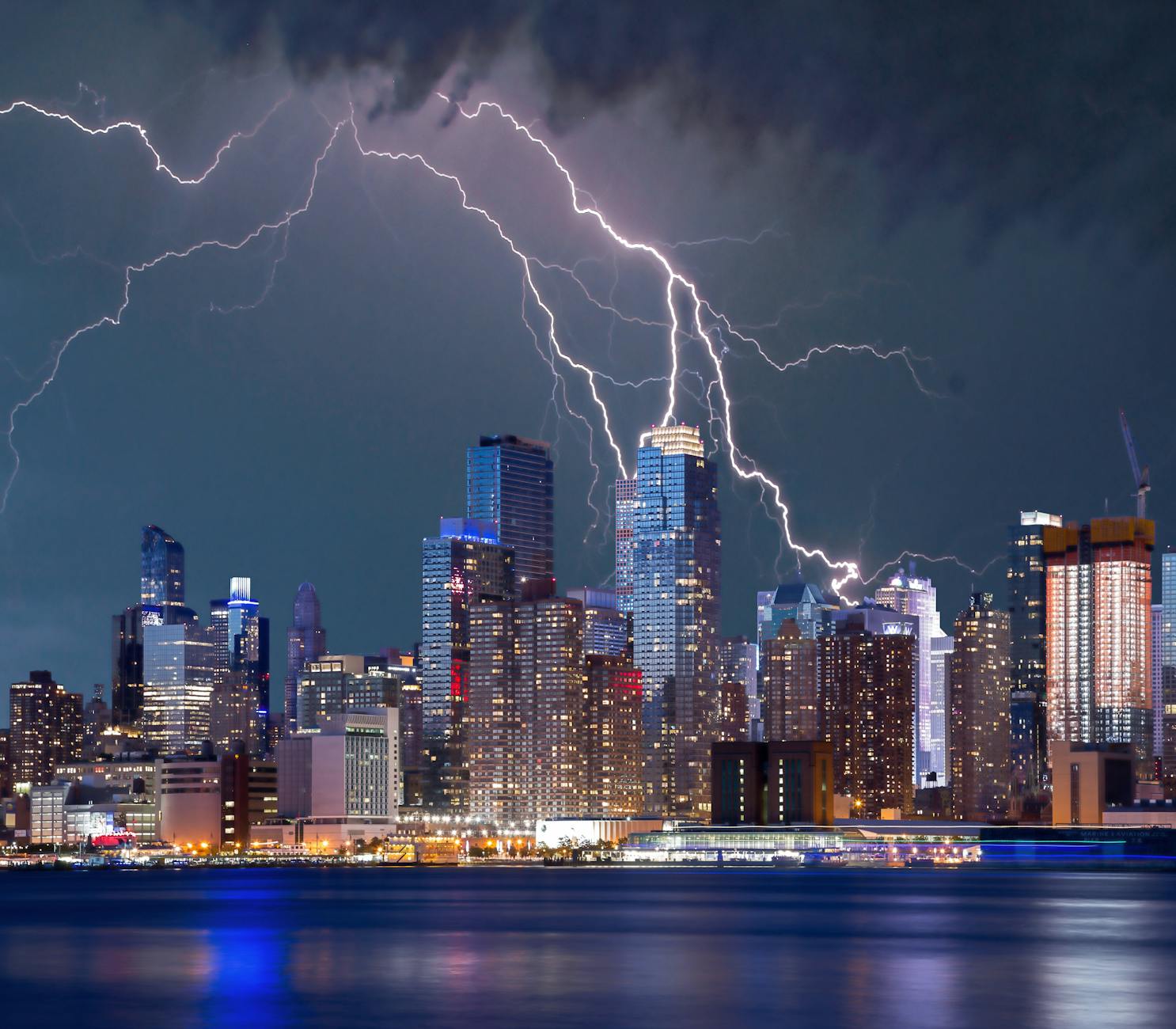
When it comes to really nasty weather, this can disrupt your workspace especially if you work outdoors or even semi-outdoors (like logistics and fulfillment). But with that said, when you’re trying to improve your office or workspace, you need to keep in mind that the bad weather can massively destroy efficiency. This doesn’t always need to be a natural disaster, in fact, even just a severe thunderstorm or heavy rainfall for days on end can make a significant impact too.
Whether it’s a fierce winter storm, a torrential downpour, or a scorching heatwave, it’s crucial to have measures in place to keep everyone safe. Bad weather is just bad weather, but it all can have a bad effect. Where do you even begin on this? How can you keep your workspace safe during bad weather? Well, here’s exactly what you need to know!
How Exactly Can Bad Weather Affect Your Workspace?
Again, this doesn’t necessarily mean dangerous weather like tornadoes or hurricanes; in those cases all work should cease unless you are an emergency worker. When referring to bad weather, this specifically means storms, or maybe a lot of snow, nothing extreme- nothing that would be considered fatal or a natural disaster.
Weather doesn’t just affect the great outdoors; it can also bring a whole host of problems to your workplace. When storms roll in with heavy rain, the risk of flooding is real, which can damage not only the structure of office buildings but also soak through critical documents and fry pricey electronics. It can even get to the point where it’s flooded outside so much that you’ll need to hire a vacuum truck for assistance. This is just an example, but again, bad weather can really get in the way of productive work.
So, what about more examples? Well, icy conditions and snowfall make getting to work a risky proposition, leading to late arrivals or accidents that can keep essential team members away from their desks (not that it’s anyone’s fault). Gusty winds are notorious for shattering windows and knocking down power lines, potentially leaving your workspace in the dark and offline (at that point, there’s hardly any work to be done).
Any of these scenarios could force your business to shut down temporarily, leading to lost productivity and financial setbacks. The aftermath of a storm often lingers, affecting everything from the bottom line to the daily flow of operations. While full-on natural disasters and dangerous weather are going to be far more significant, you’ll still want to keep in mind that bad weather is still bad for business.
Create a Weather-Ready Plan
As a business owner, having a robust plan tailored to handle different types of severe weather is key. This plan should cover everything from who to call in an emergency to detailed escape routes and procedures. It’s also a good idea to keep this plan visible and ensure everyone knows where it is and what it contains. Don’t forget to review and update it regularly, especially if there are changes in staff or building layout. You should have a plan for standard bad weather, but also one in case this turns really bad, like natural-disaster level bad.
Always Stay Updated with the Weather Forecast
Keep an eye on the sky—or rather, on a reliable weather forecasting service. Thankfully, nowadays, technology makes it easier than ever to stay informed about upcoming storms or heat advisories. Plus, you just can’t go wrong with apps, and alert services can send real-time updates right to your phone, helping you make informed decisions about your workday logistics and safety measures.
Practice Drills and Scenarios
Another thing that’s really going to help out with both safety and efficiency is to just hold regular emergency drills to ensure everyone knows what to do when disaster strikes (well, maybe not disaster). Generally speaking, practicing these drills for various scenarios helps iron out any kinks in your plans and reduces panic during real events. Whether it’s a fire drill or a tornado drill, the repetition will help embed these procedures into everyone’s memory. While this might sound like it’s too much, bad weather can always turn into something worse.
How Secure Is Your Workspace?
When bad weather ruins efficiency, it usually comes down to the structure of the workspace itself. So, why not make it a routine to check the integrity of your building? This means that you’ll want to look for any potential weak spots like damaged roofs, loose window frames, or clogged drainage systems. Basically, you’ll want to secure anything and everything and just keep making sure that your workspace is 100% prepared.
Share this:
Like this: