In recent years, drones have transitioned from being niche gadgets for hobbyists to becoming essential tools for a wide range of professionals. This evolution has been driven by technological advancements that have made drones more accessible, versatile, and powerful. As a result, drones are now used in industries as diverse as photography, agriculture, real estate, and emergency response. This article explores the factors contributing to the rise of consumer drones, their impact on various industries, and the future of this rapidly growing market.
The Evolution of Drone Technology
The development of drone technology has been nothing short of remarkable. Early drones were expensive, difficult to operate, and offered limited functionality. However, the past decade has seen significant improvements in design, usability, and affordability. Modern drones, such as the DJI , are equipped with advanced features like high-definition cameras, GPS, obstacle avoidance, and extended flight times, making them suitable for both amateurs and professionals.
One of the most significant advancements in drone technology is the integration of artificial intelligence (AI). AI-powered drones can perform complex tasks autonomously, such as mapping large areas, tracking moving objects, and following pre-programmed flight paths. These capabilities have opened up new possibilities for industries that rely on aerial data and imagery.
The Impact on Photography and Filmmaking
Perhaps the most visible impact of drones has been in the fields of photography and filmmaking. Drones have revolutionised how aerial shots are captured, allowing filmmakers and photographers to achieve stunning visuals that were once only possible with expensive helicopter rentals. The affordability and ease of use of drones like the DJI Mini 4 have made aerial photography accessible to a broader audience, from amateur photographers to professional cinematographers.
Drones are now a staple in the film industry, used in everything from blockbuster movies to independent films. They provide a unique perspective, enabling filmmakers to capture breathtaking landscapes, dynamic action scenes, and intricate architectural details. Moreover, drones are also being used in live event coverage, sports broadcasting, and documentary filmmaking, further expanding their role in visual storytelling.
Transforming Real Estate Marketing
The real estate industry has also embraced drones as a powerful marketing tool. Aerial footage of properties provides potential buyers with a comprehensive view of a property’s location, layout, and surroundings. This type of visual content is particularly valuable for luxury properties, large estates, and commercial real estate, where traditional photography may not capture the full scope of the property.
Drones allow real estate agents to create immersive virtual tours, giving buyers the opportunity to explore properties from the comfort of their homes. High-quality aerial images and videos can highlight a property’s unique features, such as landscaped gardens, swimming pools, and proximity to landmarks or natural beauty. This innovative approach to real estate marketing has been shown to increase engagement, generate more leads, and ultimately, speed up the sales process.
Drones in Agriculture: Precision and Efficiency
In agriculture, drones are being used to monitor crops, assess soil health, and manage irrigation systems with unprecedented precision. The ability to capture detailed aerial images allows farmers to detect issues such as pest infestations, nutrient deficiencies, and water stress early on. This early detection enables timely interventions, reducing crop loss and improving yields.
Drones equipped with multispectral cameras can analyse plant health by capturing data beyond the visible spectrum. But to maximise efficiency, many drone operators in agriculture have started using a pilot logbook to track flight data, maintenance schedules, and performance metrics.This data helps farmers make informed decisions about fertiliser application, irrigation scheduling, and harvest timing. Additionally, drones can be used to map large fields, monitor livestock, and even plant seeds in difficult-to-reach areas. The use of drones in agriculture is part of a broader trend towards precision farming, which aims to increase efficiency and sustainability in food production.
Photo by The Lazy Artist Gallery
The Role of Drones in Environmental Conservation
Drones are increasingly being used in environmental conservation efforts, where they provide valuable data for monitoring wildlife, tracking deforestation, and assessing the health of ecosystems. Conservationists use drones to survey large and remote areas, collecting data on animal populations, habitat conditions, and environmental changes over time.
For instance, drones have been used to monitor endangered species in their natural habitats, reducing the need for intrusive and potentially harmful human presence. They can also capture high-resolution images of forests, rivers, and coastlines, helping scientists track changes in land use, water quality, and vegetation cover. This data is crucial for developing strategies to protect vulnerable ecosystems and combat climate change.
Emergency Response and Public Safety
Drones are also playing a crucial role in emergency response and public safety. In disaster situations, drones can quickly survey affected areas, providing real-time data to first responders. This information is invaluable for assessing damage, locating survivors, and planning rescue operations. For example, drones have been used in search and rescue missions in remote areas, where ground access is limited or dangerous.
Photo by Mudassir Ali
In addition to disaster response, drones are being used by law enforcement agencies for surveillance, crowd monitoring, and crime scene analysis. They offer a safer and more efficient alternative to manned helicopters, particularly in urban environments. Drones equipped with thermal imaging cameras can detect heat signatures, making them effective tools for locating missing persons or tracking suspects in low-visibility conditions.
The Future of Consumer Drones
The future of consumer drones looks promising, with continued advancements in technology expected to drive further growth in the market. One area of development is the improvement of battery life and energy efficiency, which will allow drones to fly longer and cover greater distances. This will be particularly beneficial for industries such as agriculture, where large areas need to be surveyed regularly.
Another area of focus is the development of drones with enhanced AI capabilities, enabling them to perform more complex tasks with minimal human intervention. For example, AI-powered drones could be used in construction to monitor progress and ensure safety compliance or in logistics to deliver packages autonomously.
As drone technology continues to evolve, we can expect to see even more innovative applications across various industries. From improving public safety to enhancing creative projects, drones are set to become an indispensable tool in the modern world.
Challenges and Considerations
Despite the many benefits of drones, there are also challenges and considerations that need to be addressed. One of the main concerns is privacy, as drones equipped with cameras can capture images and videos without the knowledge or consent of individuals. This has led to calls for stricter regulations on drone usage, particularly in residential areas and public spaces.
Additionally, there are safety concerns related to drone operations, especially in crowded or sensitive environments. The risk of collisions with other aircraft, buildings, or people is a significant issue, and as drone usage increases, so does the potential for accidents. To mitigate these risks, many countries have implemented regulations governing where and how drones can be flown, including restrictions on flying near airports, over crowds, and at certain altitudes.
Another challenge is the potential for drones to be used for malicious purposes, such as smuggling contraband, conducting surveillance, or even carrying out attacks. As a result, security agencies are exploring ways to detect and neutralise rogue drones, including the use of counter-drone technologies.
The Impact on Traditional Aviation
The rise of consumer drones has also had an impact on traditional aviation, particularly in the area of air traffic control frameworks. With more drones taking to the skies, there is a need for better coordination between manned and unmanned aircraft to prevent collisions and ensure safe operations. This has led to the development of systems that can track and manage drone flights in real-time, integrating them into existing air traffic control frameworks.
In the future, we may see the emergence of dedicated airspaces for drones, particularly in urban areas where they are likely to be used for tasks such as package delivery and surveillance. This would require significant investment in infrastructure and technology, but it could also unlock new possibilities for drone operations, such as urban air mobility and drone taxis.
The rise of consumer drones marks a significant shift in how we capture and interact with the world around us. From hobbyists experimenting with aerial photography to professionals using drones for complex tasks in industries like agriculture, real estate, and public safety, the impact of this technology is far-reaching. As drones continue to evolve, their applications will only expand, making them an essential tool in the modern technological landscape.
However, as with any emerging technology, it is crucial to balance innovation with regulation, ensuring that drones are used safely, responsibly, and ethically. By addressing the challenges and embracing the opportunities presented by drones, we can harness their full potential to benefit society as a whole.


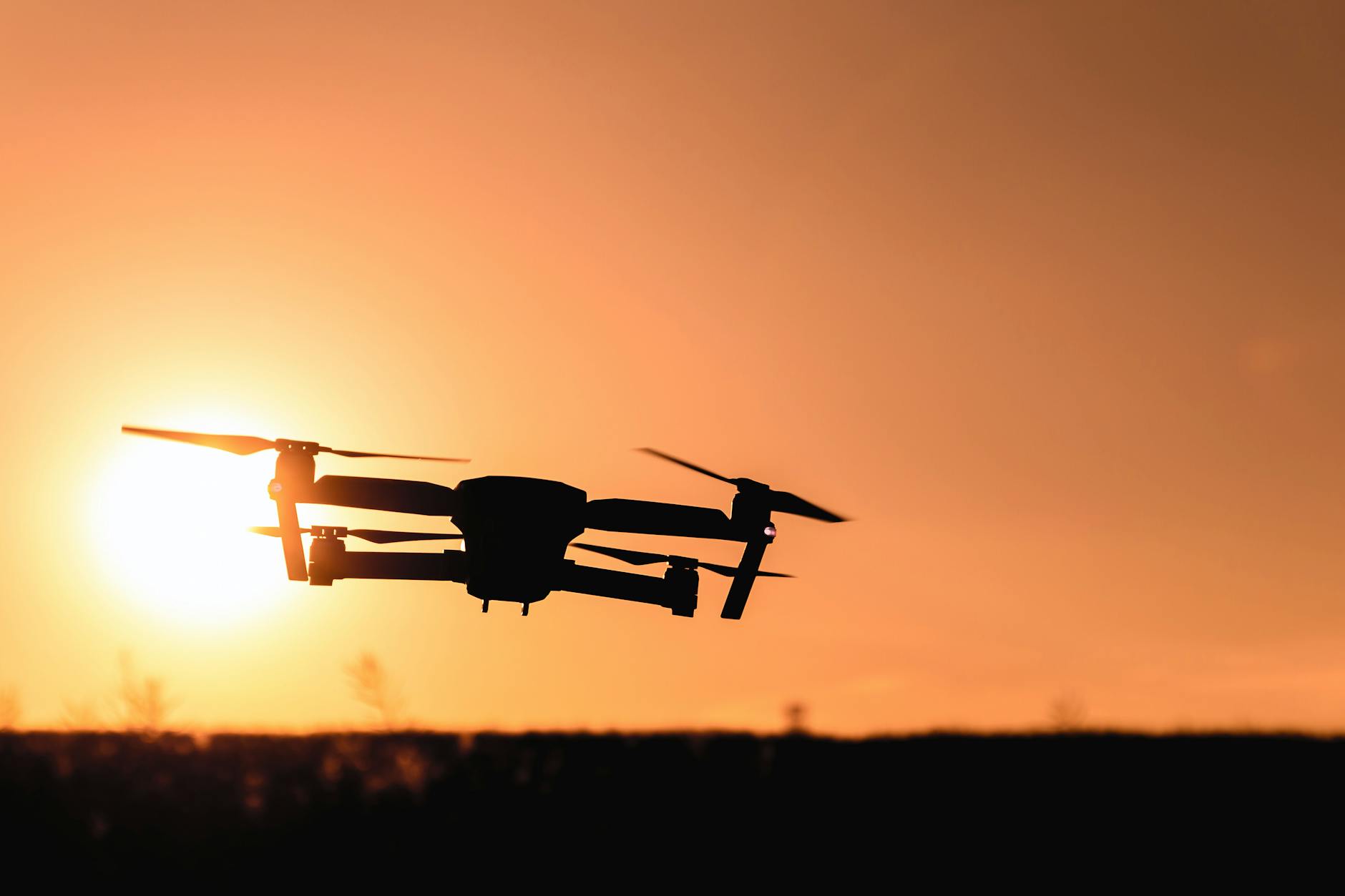
In recent years, drones have transitioned from being niche gadgets for hobbyists to becoming essential tools for a wide range of professionals. This evolution has been driven by technological advancements that have made drones more accessible, versatile, and powerful. As a result, drones are now used in industries as diverse as photography, agriculture, real estate, and emergency response. This article explores the factors contributing to the rise of consumer drones, their impact on various industries, and the future of this rapidly growing market.
The Evolution of Drone Technology
The development of drone technology has been nothing short of remarkable. Early drones were expensive, difficult to operate, and offered limited functionality. However, the past decade has seen significant improvements in design, usability, and affordability. Modern drones, such as the DJI , are equipped with advanced features like high-definition cameras, GPS, obstacle avoidance, and extended flight times, making them suitable for both amateurs and professionals.
One of the most significant advancements in drone technology is the integration of artificial intelligence (AI). AI-powered drones can perform complex tasks autonomously, such as mapping large areas, tracking moving objects, and following pre-programmed flight paths. These capabilities have opened up new possibilities for industries that rely on aerial data and imagery.
The Impact on Photography and Filmmaking
Perhaps the most visible impact of drones has been in the fields of photography and filmmaking. Drones have revolutionised how aerial shots are captured, allowing filmmakers and photographers to achieve stunning visuals that were once only possible with expensive helicopter rentals. The affordability and ease of use of drones like the DJI Mini 4 have made aerial photography accessible to a broader audience, from amateur photographers to professional cinematographers.
Drones are now a staple in the film industry, used in everything from blockbuster movies to independent films. They provide a unique perspective, enabling filmmakers to capture breathtaking landscapes, dynamic action scenes, and intricate architectural details. Moreover, drones are also being used in live event coverage, sports broadcasting, and documentary filmmaking, further expanding their role in visual storytelling.
Transforming Real Estate Marketing
The real estate industry has also embraced drones as a powerful marketing tool. Aerial footage of properties provides potential buyers with a comprehensive view of a property’s location, layout, and surroundings. This type of visual content is particularly valuable for luxury properties, large estates, and commercial real estate, where traditional photography may not capture the full scope of the property.
Drones allow real estate agents to create immersive virtual tours, giving buyers the opportunity to explore properties from the comfort of their homes. High-quality aerial images and videos can highlight a property’s unique features, such as landscaped gardens, swimming pools, and proximity to landmarks or natural beauty. This innovative approach to real estate marketing has been shown to increase engagement, generate more leads, and ultimately, speed up the sales process.
Drones in Agriculture: Precision and Efficiency
In agriculture, drones are being used to monitor crops, assess soil health, and manage irrigation systems with unprecedented precision. The ability to capture detailed aerial images allows farmers to detect issues such as pest infestations, nutrient deficiencies, and water stress early on. This early detection enables timely interventions, reducing crop loss and improving yields.
Drones equipped with multispectral cameras can analyse plant health by capturing data beyond the visible spectrum. But to maximise efficiency, many drone operators in agriculture have started using a pilot logbook to track flight data, maintenance schedules, and performance metrics.This data helps farmers make informed decisions about fertiliser application, irrigation scheduling, and harvest timing. Additionally, drones can be used to map large fields, monitor livestock, and even plant seeds in difficult-to-reach areas. The use of drones in agriculture is part of a broader trend towards precision farming, which aims to increase efficiency and sustainability in food production.
The Role of Drones in Environmental Conservation
Drones are increasingly being used in environmental conservation efforts, where they provide valuable data for monitoring wildlife, tracking deforestation, and assessing the health of ecosystems. Conservationists use drones to survey large and remote areas, collecting data on animal populations, habitat conditions, and environmental changes over time.
For instance, drones have been used to monitor endangered species in their natural habitats, reducing the need for intrusive and potentially harmful human presence. They can also capture high-resolution images of forests, rivers, and coastlines, helping scientists track changes in land use, water quality, and vegetation cover. This data is crucial for developing strategies to protect vulnerable ecosystems and combat climate change.
Emergency Response and Public Safety
Drones are also playing a crucial role in emergency response and public safety. In disaster situations, drones can quickly survey affected areas, providing real-time data to first responders. This information is invaluable for assessing damage, locating survivors, and planning rescue operations. For example, drones have been used in search and rescue missions in remote areas, where ground access is limited or dangerous.
In addition to disaster response, drones are being used by law enforcement agencies for surveillance, crowd monitoring, and crime scene analysis. They offer a safer and more efficient alternative to manned helicopters, particularly in urban environments. Drones equipped with thermal imaging cameras can detect heat signatures, making them effective tools for locating missing persons or tracking suspects in low-visibility conditions.
The Future of Consumer Drones
The future of consumer drones looks promising, with continued advancements in technology expected to drive further growth in the market. One area of development is the improvement of battery life and energy efficiency, which will allow drones to fly longer and cover greater distances. This will be particularly beneficial for industries such as agriculture, where large areas need to be surveyed regularly.
Another area of focus is the development of drones with enhanced AI capabilities, enabling them to perform more complex tasks with minimal human intervention. For example, AI-powered drones could be used in construction to monitor progress and ensure safety compliance or in logistics to deliver packages autonomously.
As drone technology continues to evolve, we can expect to see even more innovative applications across various industries. From improving public safety to enhancing creative projects, drones are set to become an indispensable tool in the modern world.
Challenges and Considerations
Despite the many benefits of drones, there are also challenges and considerations that need to be addressed. One of the main concerns is privacy, as drones equipped with cameras can capture images and videos without the knowledge or consent of individuals. This has led to calls for stricter regulations on drone usage, particularly in residential areas and public spaces.
Additionally, there are safety concerns related to drone operations, especially in crowded or sensitive environments. The risk of collisions with other aircraft, buildings, or people is a significant issue, and as drone usage increases, so does the potential for accidents. To mitigate these risks, many countries have implemented regulations governing where and how drones can be flown, including restrictions on flying near airports, over crowds, and at certain altitudes.
Another challenge is the potential for drones to be used for malicious purposes, such as smuggling contraband, conducting surveillance, or even carrying out attacks. As a result, security agencies are exploring ways to detect and neutralise rogue drones, including the use of counter-drone technologies.
The Impact on Traditional Aviation
The rise of consumer drones has also had an impact on traditional aviation, particularly in the area of air traffic control frameworks. With more drones taking to the skies, there is a need for better coordination between manned and unmanned aircraft to prevent collisions and ensure safe operations. This has led to the development of systems that can track and manage drone flights in real-time, integrating them into existing air traffic control frameworks.
In the future, we may see the emergence of dedicated airspaces for drones, particularly in urban areas where they are likely to be used for tasks such as package delivery and surveillance. This would require significant investment in infrastructure and technology, but it could also unlock new possibilities for drone operations, such as urban air mobility and drone taxis.
The rise of consumer drones marks a significant shift in how we capture and interact with the world around us. From hobbyists experimenting with aerial photography to professionals using drones for complex tasks in industries like agriculture, real estate, and public safety, the impact of this technology is far-reaching. As drones continue to evolve, their applications will only expand, making them an essential tool in the modern technological landscape.
However, as with any emerging technology, it is crucial to balance innovation with regulation, ensuring that drones are used safely, responsibly, and ethically. By addressing the challenges and embracing the opportunities presented by drones, we can harness their full potential to benefit society as a whole.
Share this:
Like this: