If you have a list of jobs to do around the house, you know how overwhelming it can feel to tackle them all. It’s often hard to keep up, and things can quickly pile up. A helpful way to manage this is to step back, assess which tasks need your attention most, and consider the consequences of leaving them undone. This approach helps you prioritise and make decisions that are genuinely beneficial in the long run.
Leaking Roof
A minor roof leak might not seem like a big deal, but even a small drip can turn into a serious problem over time. What starts as a few drops can gradually seep into your home’s structure, damaging insulation and even affecting electrical systems. Left unchecked, the moisture from a small leak can encourage the growth of mold and mildew, eventually leading to rotting timber and compromising the structural integrity of your roof. Damp insulation also loses its effectiveness, causing heat loss in winter and excess heat gain in summer, which can impact both comfort and energy bills. Common warning signs include water stains on ceilings or curling shingles. If you notice these, it’s important to book a professional roof inspection as soon as possible. Acting early makes it easier to repair damage before it escalates, helping you protect your home and avoid costly repairs.
Cracks in the Foundation
Not all cracks in the foundation are cause for alarm, but some are. If you don’t monitor the issue then it could become a big problem. What was once a simple cosmetic issue can become a challenge in no time at all. If you want to know what can go wrong here, then the first issue would be water infiltration. Cracks tend to invite moisture, and this can lead to mildew, mold, and even flooding. You may also find that this ends up invading your crawl spaces, which is the last thing you need. Pests can also find their way into your home if you are not careful, exploiting small cracks and eventually finding their way in. Structural instability is another issue. If you notice that the soil in your home is shifting or if you know that the pressure is mounting, then cracks can compromise the stability of your home, which is the last thing you need. As a general rule, you should be taking the time to monitor any small cracks while ensuring that you call in a structural engineer to check out anything that might be changing shape over time. You should also look into waterproofing if you can, as issues like this can grow and grow until they become huge issues that are beyond your control.
Plumbing Leaks
It’s very easy to ignore dripping taps or even slow-draining plugholes. After all, it’s not just a small issue. You may find that leaking plumbing not only wastes water, but it can also cause hidden damage under your floor and even inside your cabinets. If you want to help yourself here, then you need to try and make sure that you are taking note of hidden leaks or rot. Burst pipes can also be an issue. A small leak can turn into a big rupture, and this is especially the case if you have a bad or corroded pipe. If you do notice that there is a water spot or if you know that there is a musty smell, then you need to take action on this. Even a simple washer replacement can save you hours of a job so try and make sure that you keep this in mind if you can.
Peeling Paint
Paint can protect your home from the elements. Peeling or bubbling paint however, is a big issue. If you have it on your wood siding or if you have it on your trim then this is a big sign that you have an issue that has to be dealt with. This is a sign that water is coming into your home, which can lead to water damage. If you want to stop this from being an issue, then you need to treat the source of the issue as well as the damage that has been done. Water damage can lead to wood rot, which will eventually break down and wreak havoc on your home. You may also find that pest infestations are an issue. Insects like termites or even carpenter ants tend to be attracted to soft wood, and this can lead to widespread issues throughout your home. You may also find that you have decreased curb appeal as well. Exterior wear and tear can affect your home’s resale value, and it can also impact neighboring perception. Repainting and resealing the wood should probably be your first port of call here. This will help you to preserve the structure of your home, and it will also help you to stop the issue from getting worse.
Photo by Blue Bird
If you’ve noticed peeling paint, it’s a good idea to check for underlying issues like water damage before reaching for a fresh coat. Addressing any hidden problems first ensures your new paint lasts longer and helps protect your home overall. Tackling these repairs early can save you time and money in the long run. Remember, ignoring these warning signs won’t make them disappear, if left untreated, they’re likely to worsen over time.


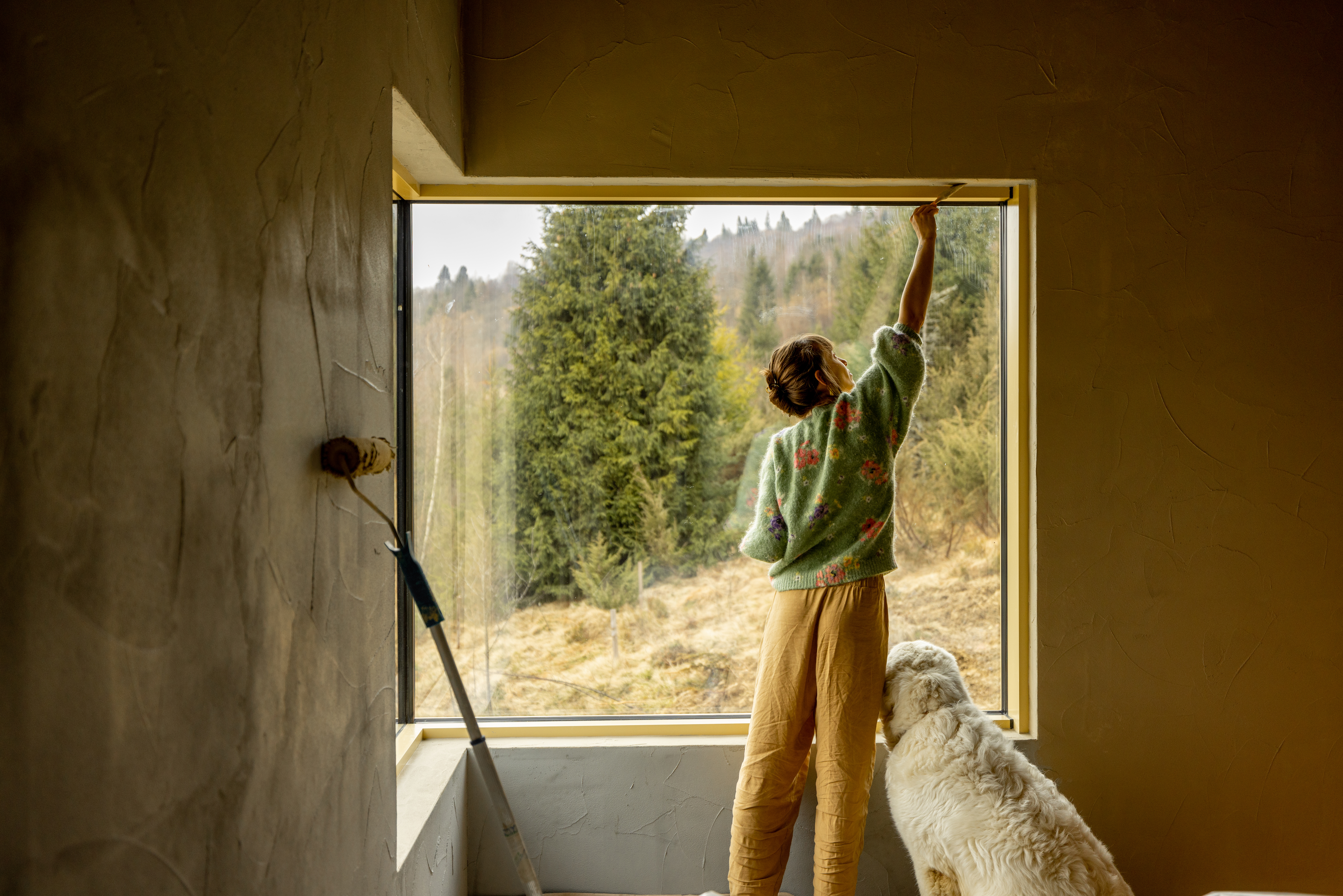
If you have a list of jobs to do around the house, you know how overwhelming it can feel to tackle them all. It’s often hard to keep up, and things can quickly pile up. A helpful way to manage this is to step back, assess which tasks need your attention most, and consider the consequences of leaving them undone. This approach helps you prioritise and make decisions that are genuinely beneficial in the long run.
Leaking Roof
A minor roof leak might not seem like a big deal, but even a small drip can turn into a serious problem over time. What starts as a few drops can gradually seep into your home’s structure, damaging insulation and even affecting electrical systems. Left unchecked, the moisture from a small leak can encourage the growth of mold and mildew, eventually leading to rotting timber and compromising the structural integrity of your roof. Damp insulation also loses its effectiveness, causing heat loss in winter and excess heat gain in summer, which can impact both comfort and energy bills. Common warning signs include water stains on ceilings or curling shingles. If you notice these, it’s important to book a professional roof inspection as soon as possible. Acting early makes it easier to repair damage before it escalates, helping you protect your home and avoid costly repairs.
Cracks in the Foundation
Not all cracks in the foundation are cause for alarm, but some are. If you don’t monitor the issue then it could become a big problem. What was once a simple cosmetic issue can become a challenge in no time at all. If you want to know what can go wrong here, then the first issue would be water infiltration. Cracks tend to invite moisture, and this can lead to mildew, mold, and even flooding. You may also find that this ends up invading your crawl spaces, which is the last thing you need. Pests can also find their way into your home if you are not careful, exploiting small cracks and eventually finding their way in. Structural instability is another issue. If you notice that the soil in your home is shifting or if you know that the pressure is mounting, then cracks can compromise the stability of your home, which is the last thing you need. As a general rule, you should be taking the time to monitor any small cracks while ensuring that you call in a structural engineer to check out anything that might be changing shape over time. You should also look into waterproofing if you can, as issues like this can grow and grow until they become huge issues that are beyond your control.
Plumbing Leaks
It’s very easy to ignore dripping taps or even slow-draining plugholes. After all, it’s not just a small issue. You may find that leaking plumbing not only wastes water, but it can also cause hidden damage under your floor and even inside your cabinets. If you want to help yourself here, then you need to try and make sure that you are taking note of hidden leaks or rot. Burst pipes can also be an issue. A small leak can turn into a big rupture, and this is especially the case if you have a bad or corroded pipe. If you do notice that there is a water spot or if you know that there is a musty smell, then you need to take action on this. Even a simple washer replacement can save you hours of a job so try and make sure that you keep this in mind if you can.
Peeling Paint
Paint can protect your home from the elements. Peeling or bubbling paint however, is a big issue. If you have it on your wood siding or if you have it on your trim then this is a big sign that you have an issue that has to be dealt with. This is a sign that water is coming into your home, which can lead to water damage. If you want to stop this from being an issue, then you need to treat the source of the issue as well as the damage that has been done. Water damage can lead to wood rot, which will eventually break down and wreak havoc on your home. You may also find that pest infestations are an issue. Insects like termites or even carpenter ants tend to be attracted to soft wood, and this can lead to widespread issues throughout your home. You may also find that you have decreased curb appeal as well. Exterior wear and tear can affect your home’s resale value, and it can also impact neighboring perception. Repainting and resealing the wood should probably be your first port of call here. This will help you to preserve the structure of your home, and it will also help you to stop the issue from getting worse.
If you’ve noticed peeling paint, it’s a good idea to check for underlying issues like water damage before reaching for a fresh coat. Addressing any hidden problems first ensures your new paint lasts longer and helps protect your home overall. Tackling these repairs early can save you time and money in the long run. Remember, ignoring these warning signs won’t make them disappear, if left untreated, they’re likely to worsen over time.
Share this:
Like this: