Accessibility and disability-conscious planning are now more visible priorities in the way cities and public spaces are designed, which is an important step forward. Still, it would be hard to call the world truly “accessible.” Natural landscapes, varied terrain, and the reality that many places simply haven’t been built with accessibility in mind mean that significant barriers remain.
For example, you may love to visit quaint Italian villages, but you’re unlikely to find many disabled ramps or perfect mobility aids in a hillside town that was built in the 1300’s. Maybe this can change as time goes on, but for now, it’s important to stay realistic.
Travellers who rely on accessible measures can benefit from knowing which destinations are designed to accommodate their needs and which are not. The challenge is how to factor this into your travel planning, since accessibility information isn’t always easy to find. That’s where this guide comes in, to help make the process simpler.
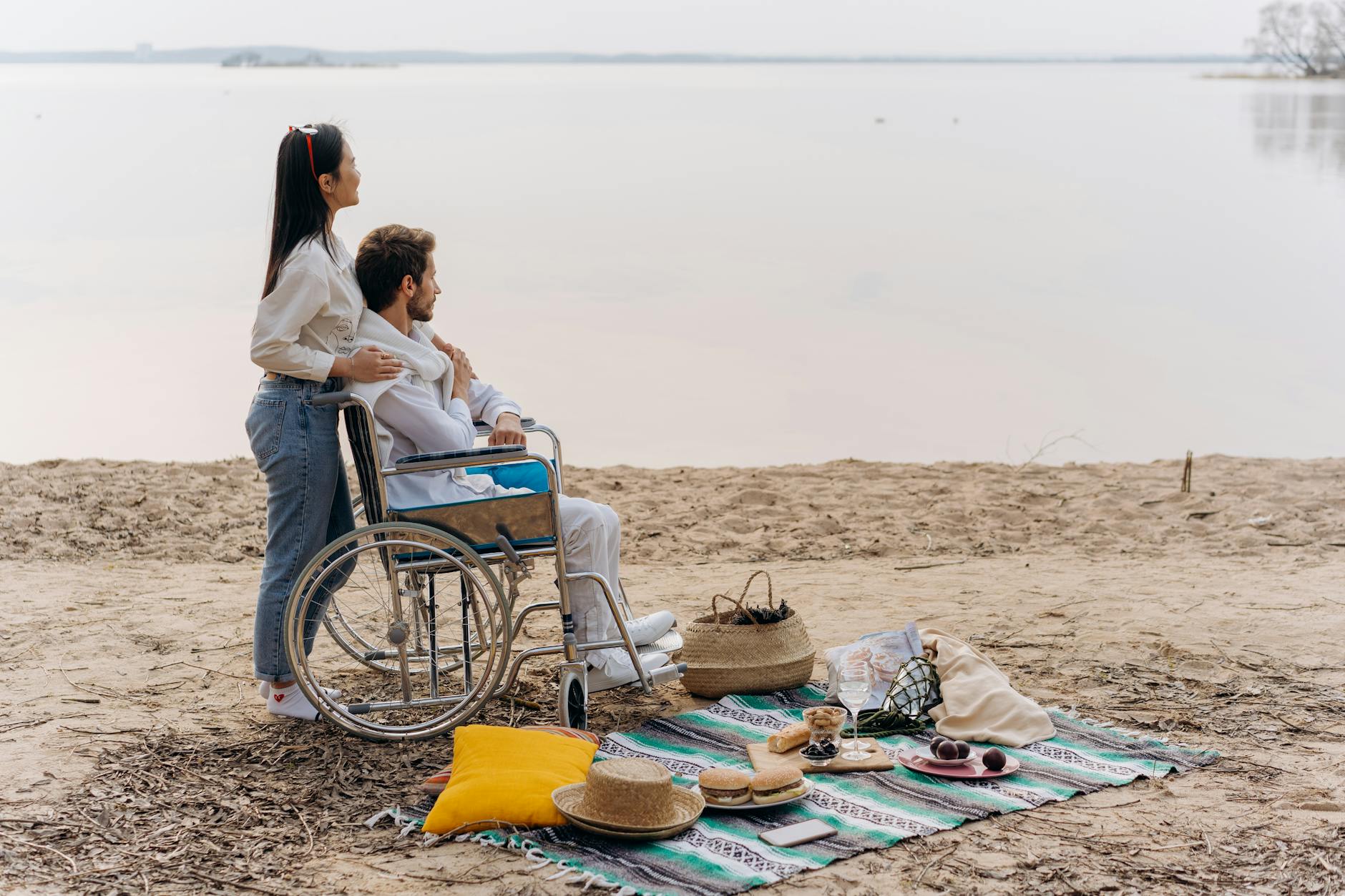
Photo by Ante Emmanuel
Call Ahead to Confirm Accessibility
It sounds a little too simple, but picking up the phone and having a chat with hotels, restaurants, or tour operators about what they’ve got in place can glean more information than you’d assume. Websites can be vague or outdated about accessibility features, and sometimes businesses have made improvements they haven’t bothered updating online.
We’d suggest asking specific questions about entrance access, bathroom facilities, and whether there are lifts or only stairs, because that’ll give you a much clearer picture than any generic “accessible” label on a booking site. Additionally, speaking to someone directly means you can explain your needs if they’re unique, and they can let you know honestly whether their setup will work for you. Some places might even go out of their way to try to accommodate you if you’re polite, just make sure they don’t charge a huge amount extra for it. In some countries, that’s illegal, but you have to check.
Do A Sweep On Google Street View
Google Street View is quite useful for scoping out an area before you arrive. You can virtually walk down streets to see if pavements are smooth or cobbled, check how wide doorways look, and get a sense of if there are steep hills between your accommodation and the places you want to visit. You can also spot the likelihood of whether mobility scooters would be practical on certain routes or if the terrain is going to be too challenging.
It’s not perfect, obviously, because the images might be a few years old and don’t show you everything. However, as far as planning goes, it gives you a decent heads-up about what to expect and which areas might need rethinking.
Check Out Reviews & Disabled Travel Forums
Other travelers with accessibility needs are often the best source of honest information about what a destination is really like, and they won’t mince words, which is great. Disabled travel forums and review sites are of course much more motivated than any other type of person to tell you the real situation, and especially information that official tourism pages won’t, like which museums have terrible lift access or which beaches have been fitted with proper walkways.
With this advice, you’ll be sure to check if a tourist hotspot is accessible or not, and ensure your planning is aligned to your individual travel needs.


Accessibility and disability-conscious planning are now more visible priorities in the way cities and public spaces are designed, which is an important step forward. Still, it would be hard to call the world truly “accessible.” Natural landscapes, varied terrain, and the reality that many places simply haven’t been built with accessibility in mind mean that significant barriers remain.
For example, you may love to visit quaint Italian villages, but you’re unlikely to find many disabled ramps or perfect mobility aids in a hillside town that was built in the 1300’s. Maybe this can change as time goes on, but for now, it’s important to stay realistic.
Travellers who rely on accessible measures can benefit from knowing which destinations are designed to accommodate their needs and which are not. The challenge is how to factor this into your travel planning, since accessibility information isn’t always easy to find. That’s where this guide comes in, to help make the process simpler.
Call Ahead to Confirm Accessibility
It sounds a little too simple, but picking up the phone and having a chat with hotels, restaurants, or tour operators about what they’ve got in place can glean more information than you’d assume. Websites can be vague or outdated about accessibility features, and sometimes businesses have made improvements they haven’t bothered updating online.
We’d suggest asking specific questions about entrance access, bathroom facilities, and whether there are lifts or only stairs, because that’ll give you a much clearer picture than any generic “accessible” label on a booking site. Additionally, speaking to someone directly means you can explain your needs if they’re unique, and they can let you know honestly whether their setup will work for you. Some places might even go out of their way to try to accommodate you if you’re polite, just make sure they don’t charge a huge amount extra for it. In some countries, that’s illegal, but you have to check.
Do A Sweep On Google Street View
Google Street View is quite useful for scoping out an area before you arrive. You can virtually walk down streets to see if pavements are smooth or cobbled, check how wide doorways look, and get a sense of if there are steep hills between your accommodation and the places you want to visit. You can also spot the likelihood of whether mobility scooters would be practical on certain routes or if the terrain is going to be too challenging.
It’s not perfect, obviously, because the images might be a few years old and don’t show you everything. However, as far as planning goes, it gives you a decent heads-up about what to expect and which areas might need rethinking.
Check Out Reviews & Disabled Travel Forums
Other travelers with accessibility needs are often the best source of honest information about what a destination is really like, and they won’t mince words, which is great. Disabled travel forums and review sites are of course much more motivated than any other type of person to tell you the real situation, and especially information that official tourism pages won’t, like which museums have terrible lift access or which beaches have been fitted with proper walkways.
With this advice, you’ll be sure to check if a tourist hotspot is accessible or not, and ensure your planning is aligned to your individual travel needs.
Share this:
Like this: