Choosing the perfect roof for your home involves more than just picking the best material or finding a good deal. It’s about understanding the overall aesthetic of your house and ensuring that your choice enhances its charm and functionality. A roof doesn’t just protect your home from the elements; it significantly contributes to its visual appeal and can influence your home’s energy efficiency. After all, isn’t your roof the crown of your castle? By aligning the roof style with your home’s architecture, you ensure that every angle reflects your aesthetic intentions. Remember, a well-chosen roof does more than shelter—it makes a statement.
Understanding Architectural Compatibility
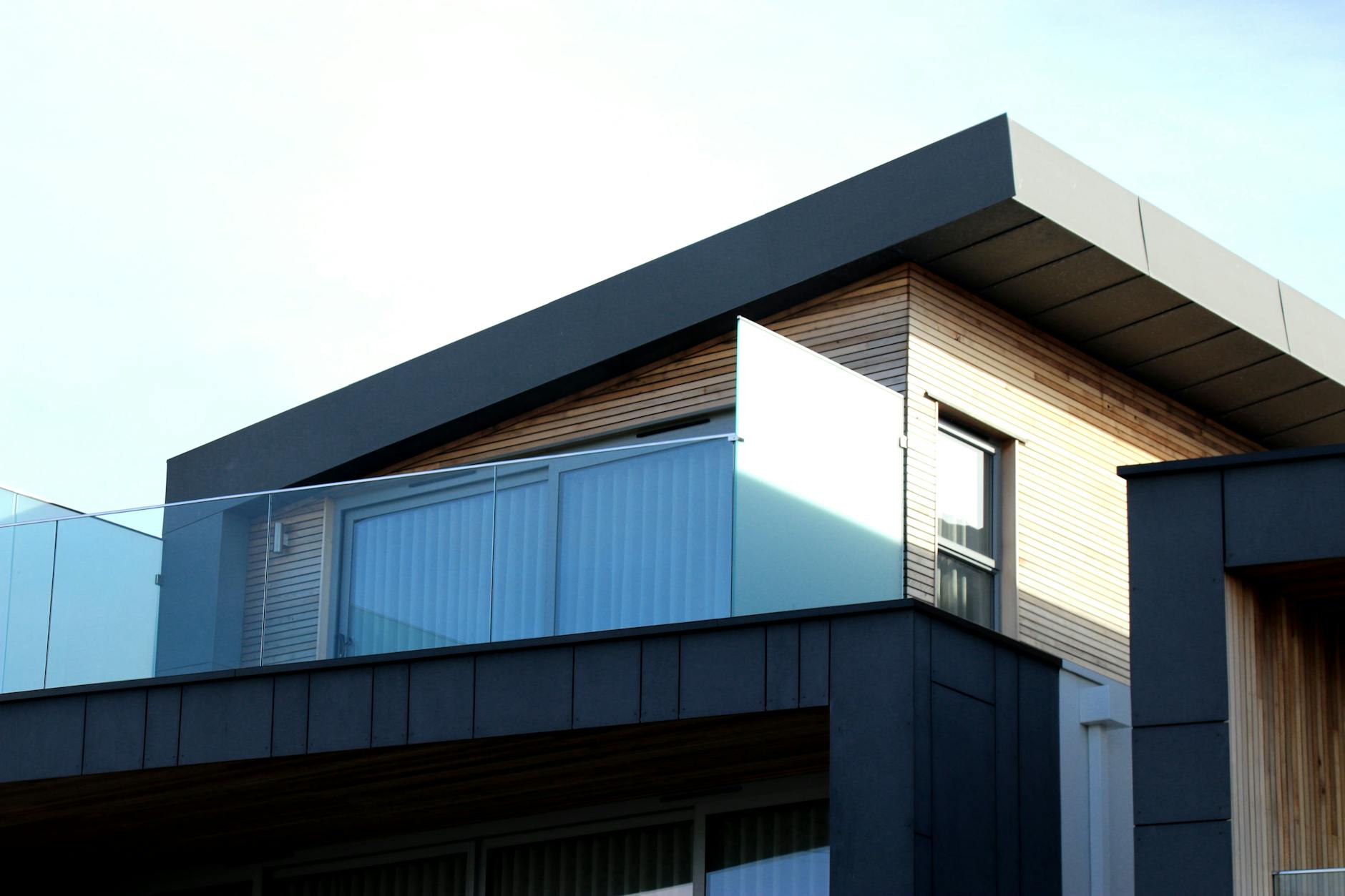
When starting your journey to select the perfect roof, consider the architectural style of your home. Whether you own a colonial, Victorian, modern, or craftsman-style home, the roof should complement the building’s historical integrity or contemporary flair. For instance, colonial homes often look best with traditional shingles or slate, which preserve their historic look. In contrast, ultra-modern homes might suit flat, green, or metal roofs to align with their sleek, minimalistic aesthetics. The choice of roofing material can transform an ordinary house into a neighborhood gem, enhancing its curb appeal and increasing its market value.
Selecting the Right Material
The material of the roof plays a pivotal role not only in appearance but also in longevity, cost, and maintenance. Asphalt shingles are widely popular due to their cost-effectiveness and versatility. On the other hand, slate and tile offer a longer lifespan with a distinctive look, making them ideal for specific styles like Mediterranean or Tudor homes. Regardless of your choice, choosing a professional roofing company is essential to ensure that installation is handled correctly, maximizing the longevity and performance of your roof. For those considering metal options, consulting a metal roofing company can provide insights into more durable and sustainable alternatives that complement any architectural style.
Choosing Colors and Textures
The color and texture of your roof also warrant careful consideration. They should complement your home’s exterior elements, like paint, trim, and landscaping. Lighter colors effectively reflect heat, reducing cooling costs in warmer climates, while darker shades can help homes retain heat in cooler areas. Textured materials like wood shakes or thick tiles add dimension and character, which can enhance a home’s rustic charm or elegance.
Photo by Binyamin Mellish
Opting for Energy Efficiency
Energy efficiency is another crucial factor in choosing the right roof. Materials that are highly reflective or have excellent insulating properties can keep your home more comfortable and cut down on energy bills. Many homeowners are now looking at green roofing options, such as solar tiles, which protect the house and generate electricity, offering a great return on investment through saved energy costs. This shift towards sustainable solutions reshapes roofing trends as more people seek to reduce their environmental footprint while enhancing their home’s functionality.
Accounting for Climate Impact
The local climate should also guide your roofing decision. Areas prone to heavy rain, snow, or extreme temperatures require roofs that withstand harsh weather conditions. For instance, metal roofs are excellent for snow-prone areas as they shed snow quickly, preventing buildup and potential damage. Additionally, in regions where hurricanes or heavy winds are expected, selecting a roof with superior wind resistance can provide peace of mind and reduce potential repair costs. The ability of metal roofs to reflect sunlight also helps maintain cooler indoor temperatures in hot climates, making them a versatile choice for various weather conditions.
Installation and Maintenance Considerations
Installation and maintenance considerations should be considered. Some roofing materials may require specialized installation skills, impacting your choice depending on the availability of skilled contractors in your area. The long-term maintenance commitment and potential repair costs are also essential to consider. For example, asphalt shingles might need more frequent replacement or repair, but they are often easier and cheaper to fix than more durable materials like metal or tile.
Balancing Budget and Value
Finally, budget is always a significant factor. It’s crucial to balance upfront costs with long-term value. Cheaper materials might save money initially but could lead to higher maintenance and replacement costs. Investing in a roofing material that fits your home’s style and offers the best balance of price, durability, and maintenance over its lifetime is wise. Properly evaluating the total cost of ownership, including potential energy savings, can ensure that your investment enhances your home’s aesthetic and functional value.
Photo by Curtis Adams
Choosing the right roof involves carefully balancing aesthetic considerations, material properties, climate compatibility, installation and maintenance demands, and budget. By taking the time to understand the needs and style of your home, you can select a roof that looks beautiful and provides long-term benefits, enhancing both the curb appeal and the functionality of your home. Isn’t it worth investing in a roof that elevates your home’s style while offering tangible benefits? Moreover, a well-chosen roof can transform your home into a landmark in your community, setting a standard for both style and sustainability.


Choosing the perfect roof for your home involves more than just picking the best material or finding a good deal. It’s about understanding the overall aesthetic of your house and ensuring that your choice enhances its charm and functionality. A roof doesn’t just protect your home from the elements; it significantly contributes to its visual appeal and can influence your home’s energy efficiency. After all, isn’t your roof the crown of your castle? By aligning the roof style with your home’s architecture, you ensure that every angle reflects your aesthetic intentions. Remember, a well-chosen roof does more than shelter—it makes a statement.
Understanding Architectural Compatibility
When starting your journey to select the perfect roof, consider the architectural style of your home. Whether you own a colonial, Victorian, modern, or craftsman-style home, the roof should complement the building’s historical integrity or contemporary flair. For instance, colonial homes often look best with traditional shingles or slate, which preserve their historic look. In contrast, ultra-modern homes might suit flat, green, or metal roofs to align with their sleek, minimalistic aesthetics. The choice of roofing material can transform an ordinary house into a neighborhood gem, enhancing its curb appeal and increasing its market value.
Selecting the Right Material
The material of the roof plays a pivotal role not only in appearance but also in longevity, cost, and maintenance. Asphalt shingles are widely popular due to their cost-effectiveness and versatility. On the other hand, slate and tile offer a longer lifespan with a distinctive look, making them ideal for specific styles like Mediterranean or Tudor homes. Regardless of your choice, choosing a professional roofing company is essential to ensure that installation is handled correctly, maximizing the longevity and performance of your roof. For those considering metal options, consulting a metal roofing company can provide insights into more durable and sustainable alternatives that complement any architectural style.
Choosing Colors and Textures
The color and texture of your roof also warrant careful consideration. They should complement your home’s exterior elements, like paint, trim, and landscaping. Lighter colors effectively reflect heat, reducing cooling costs in warmer climates, while darker shades can help homes retain heat in cooler areas. Textured materials like wood shakes or thick tiles add dimension and character, which can enhance a home’s rustic charm or elegance.
Opting for Energy Efficiency
Energy efficiency is another crucial factor in choosing the right roof. Materials that are highly reflective or have excellent insulating properties can keep your home more comfortable and cut down on energy bills. Many homeowners are now looking at green roofing options, such as solar tiles, which protect the house and generate electricity, offering a great return on investment through saved energy costs. This shift towards sustainable solutions reshapes roofing trends as more people seek to reduce their environmental footprint while enhancing their home’s functionality.
Accounting for Climate Impact
The local climate should also guide your roofing decision. Areas prone to heavy rain, snow, or extreme temperatures require roofs that withstand harsh weather conditions. For instance, metal roofs are excellent for snow-prone areas as they shed snow quickly, preventing buildup and potential damage. Additionally, in regions where hurricanes or heavy winds are expected, selecting a roof with superior wind resistance can provide peace of mind and reduce potential repair costs. The ability of metal roofs to reflect sunlight also helps maintain cooler indoor temperatures in hot climates, making them a versatile choice for various weather conditions.
Installation and Maintenance Considerations
Installation and maintenance considerations should be considered. Some roofing materials may require specialized installation skills, impacting your choice depending on the availability of skilled contractors in your area. The long-term maintenance commitment and potential repair costs are also essential to consider. For example, asphalt shingles might need more frequent replacement or repair, but they are often easier and cheaper to fix than more durable materials like metal or tile.
Balancing Budget and Value
Finally, budget is always a significant factor. It’s crucial to balance upfront costs with long-term value. Cheaper materials might save money initially but could lead to higher maintenance and replacement costs. Investing in a roofing material that fits your home’s style and offers the best balance of price, durability, and maintenance over its lifetime is wise. Properly evaluating the total cost of ownership, including potential energy savings, can ensure that your investment enhances your home’s aesthetic and functional value.
Choosing the right roof involves carefully balancing aesthetic considerations, material properties, climate compatibility, installation and maintenance demands, and budget. By taking the time to understand the needs and style of your home, you can select a roof that looks beautiful and provides long-term benefits, enhancing both the curb appeal and the functionality of your home. Isn’t it worth investing in a roof that elevates your home’s style while offering tangible benefits? Moreover, a well-chosen roof can transform your home into a landmark in your community, setting a standard for both style and sustainability.
Share this:
Like this: