Hot weather can be a nightmare, especially if you’re indoors. It just seems to magnify the heat because there’s no breeze. The good news, though, is that while homes can get stuffy sometimes, there are things you can do about it. What’s more, many of these strategies are highly effective.
Use Blackout Curtains
One option is to use blackout curtains. These block incoming solar radiation, preventing it from penetrating your windows and curtains and getting into your room.
Have you ever noticed that sunny parts of your home are much warmer than shady parts during the day? That’s because heat can travel directly through your windows (without any conduction or air flow necessary), just from the sun alone. Blackout curtains stop this by blocking all light.
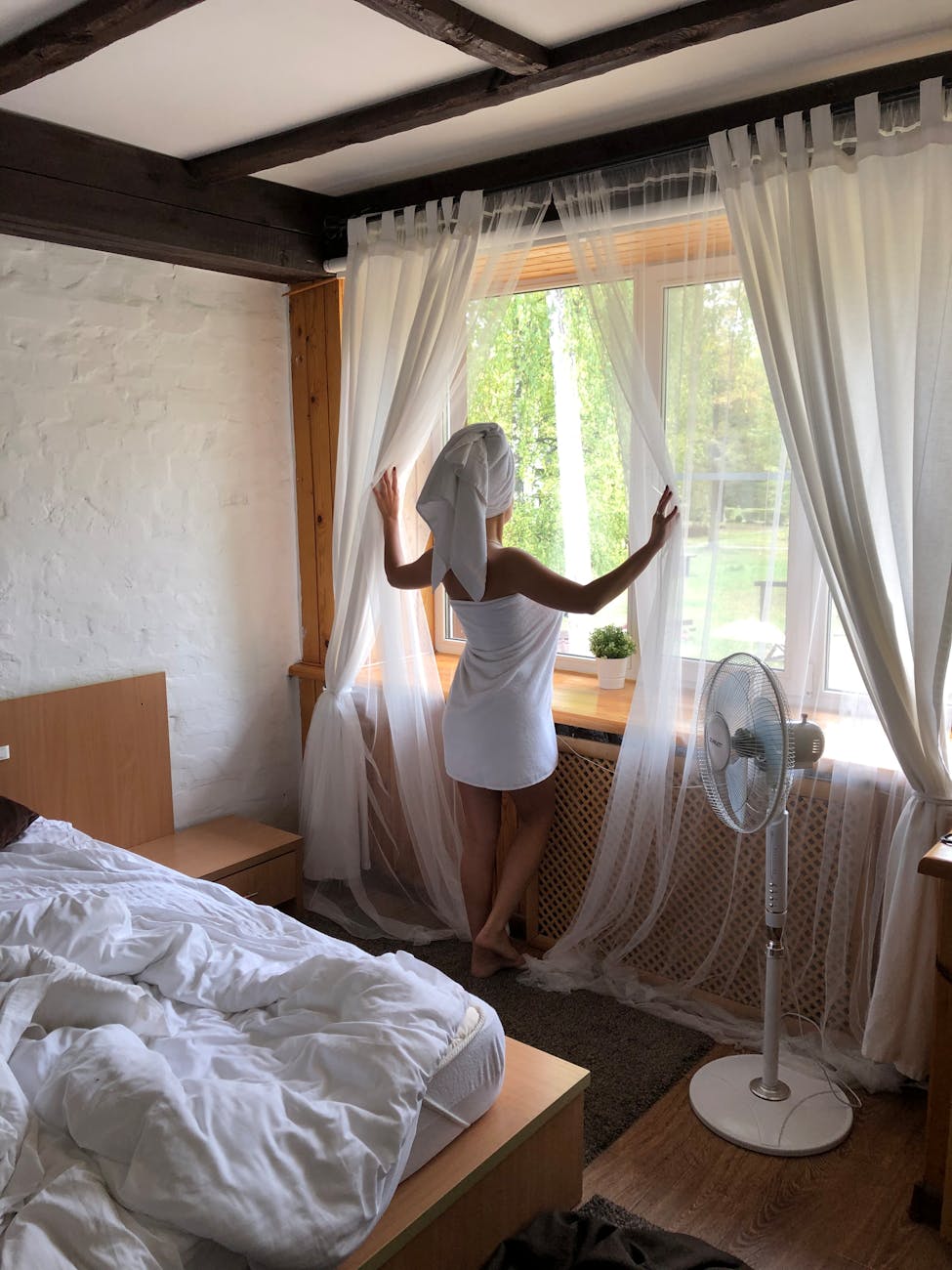
Photo by Mateusz Dach
Use A Dehumidifier
If things are getting really warm in your home, you could also try using a dehumidifier. These remove water from the air, making it feel less humid. No, they won’t reduce the temperature. But because they are removing the moisture content from the air, they can have an enormous effect.
Insulate Your Home
Another strategy is to use insulation. Instead of just fitting it to keep you toasty in winter, you can also use it to keep you cool in summer. Have you ever seen one of those collapsible cool boxes? If you have, you’ll know that they have a thick layer of padding to keep the warm air outside away.
You’re going for the same effect with your home. Putting extra padding in your walls and ceilings can reduce heat’s ability to get inside. It seems counterintuitive at first, but you can try it with an ice cube and a cloth. Wrapping the ice cube in the towel keeps it solid longer than one left on a counter at room temperature.
Seal Gaps
You should also focus on sealing gaps. Reducing these prevents warm air from getting inside and undermining your efforts to cool down. Gap-sealing is usually something you see when people are trying to make their homes warmer and stop drafts. But, of course, it’s a godsend in hot weather because it prevents the reverse from happening.
Start by sealing the gaps around your windows and doors. Then, check to see if you have any additional gaps in your home, including those around window and door frames, basements, and attics.
Plant Shade Trees
Another option is to plant shade trees. These are a natural way to reduce the amount of sunlight hitting your home. Shade trees act as a combination of blackout curtains and insulation. They block heat and light, which makes them useful for locations where the sun sometimes shines directly overhead.
Of course, you have to grow them first. And you’ll need to think about the dangers they pose to your roof (if a storm blows them over, for example). So there you have it – some of the best ways to prevent hot weather from infiltrating your home and ruining your day. Try these techniques and stay cool!


Hot weather can be a nightmare, especially if you’re indoors. It just seems to magnify the heat because there’s no breeze. The good news, though, is that while homes can get stuffy sometimes, there are things you can do about it. What’s more, many of these strategies are highly effective.
Use Blackout Curtains
One option is to use blackout curtains. These block incoming solar radiation, preventing it from penetrating your windows and curtains and getting into your room.
Have you ever noticed that sunny parts of your home are much warmer than shady parts during the day? That’s because heat can travel directly through your windows (without any conduction or air flow necessary), just from the sun alone. Blackout curtains stop this by blocking all light.
Use A Dehumidifier
If things are getting really warm in your home, you could also try using a dehumidifier. These remove water from the air, making it feel less humid. No, they won’t reduce the temperature. But because they are removing the moisture content from the air, they can have an enormous effect.
Insulate Your Home
Another strategy is to use insulation. Instead of just fitting it to keep you toasty in winter, you can also use it to keep you cool in summer. Have you ever seen one of those collapsible cool boxes? If you have, you’ll know that they have a thick layer of padding to keep the warm air outside away.
You’re going for the same effect with your home. Putting extra padding in your walls and ceilings can reduce heat’s ability to get inside. It seems counterintuitive at first, but you can try it with an ice cube and a cloth. Wrapping the ice cube in the towel keeps it solid longer than one left on a counter at room temperature.
Seal Gaps
You should also focus on sealing gaps. Reducing these prevents warm air from getting inside and undermining your efforts to cool down. Gap-sealing is usually something you see when people are trying to make their homes warmer and stop drafts. But, of course, it’s a godsend in hot weather because it prevents the reverse from happening.
Start by sealing the gaps around your windows and doors. Then, check to see if you have any additional gaps in your home, including those around window and door frames, basements, and attics.
Plant Shade Trees
Another option is to plant shade trees. These are a natural way to reduce the amount of sunlight hitting your home. Shade trees act as a combination of blackout curtains and insulation. They block heat and light, which makes them useful for locations where the sun sometimes shines directly overhead.
Of course, you have to grow them first. And you’ll need to think about the dangers they pose to your roof (if a storm blows them over, for example). So there you have it – some of the best ways to prevent hot weather from infiltrating your home and ruining your day. Try these techniques and stay cool!
Share this:
Like this: