Many homes have lower levels that sit unused or filled with random storage. These spaces hold so much potential. With a bit of planning, you can transform that spare room into a warm, inviting corner that brings calm moments after long days. This guide will help you shape that quiet retreat with simple steps.
You will learn how to assess your space, plan the layout, manage the climate, select storage, and add small touches that enhance the mood. Every part of this guide aims to keep the process simple. By the end, you will see how easy it is to turn an overlooked area into a space you will enjoy for years.
Assessing Your Basement Space
Begin by examining the room as it stands today. Check the light, walls, smell, and floor. Is there dampness in the air? Are the corners dark? What about the height?Do you hear noise that may disturb the calm feel you want?
A small checklist can help:
Is the room dry?
Are the walls firm?
Do you feel any drafts?
Does the floor feel level?
Make simple notes. These small observations guide every choice you make later. Once you know the strengths and limits of the room, shaping it becomes much easier.
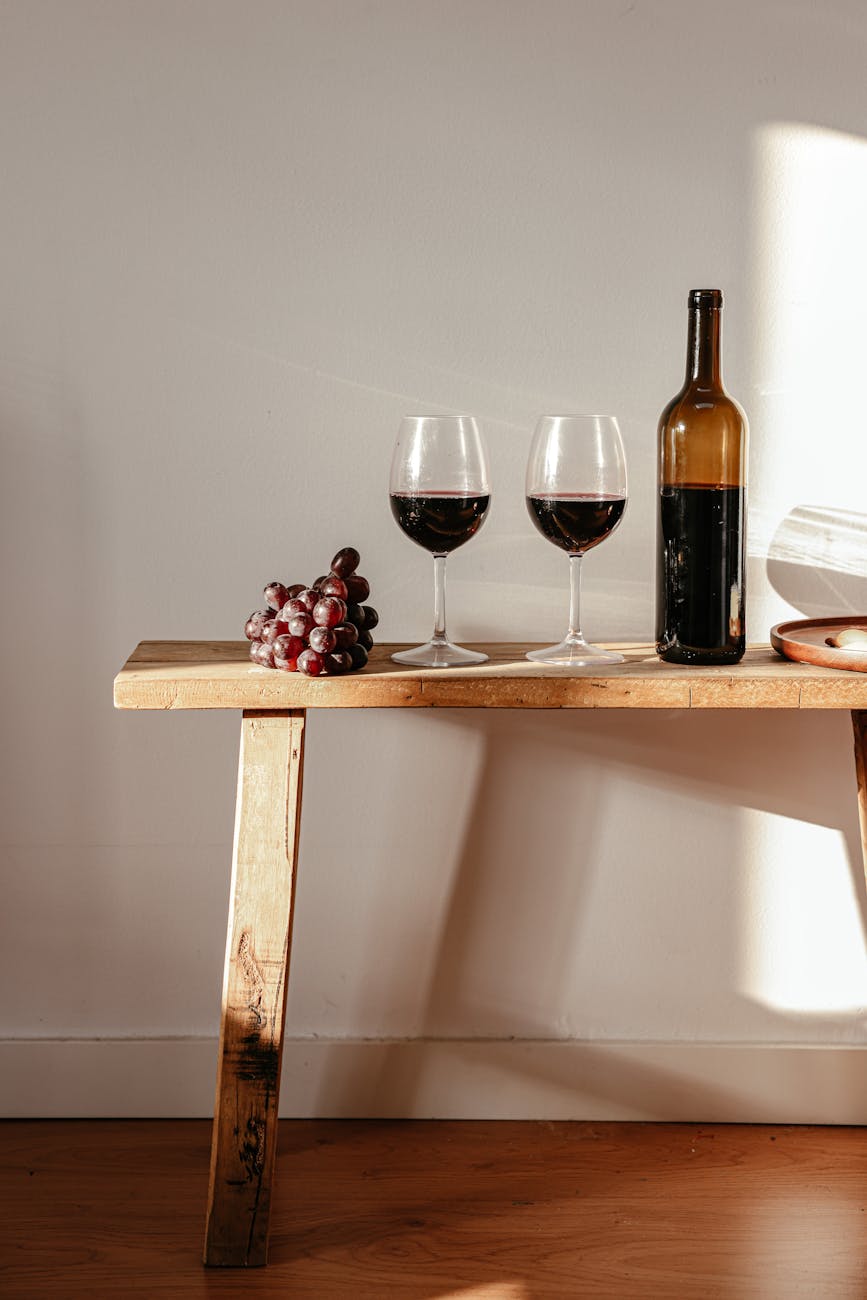
Photo by Gül Işık
Planning the Layout and Ambience
This part shapes the overall feel of the room when you walk in. Consider where you want to sit, how you want to navigate the space, and where your racks or shelves will be positioned. This is also the best time to add design ideas.
Many people look for layout clues when building a basement wine cellar that brings comfort and quiet. Homeowners using inspirations from Summit Wine Cellars check how simple adjustments guide the flow of a room. These sources help teams compare tools in one place and choose items that match real tasks. They also make restocking simple, which saves time during busy weeks.
Ask yourself a few questions.
Do you want a corner to sit and relax?
Do you want a taller shelf or a shorter one?
Do you want warm colors or something lighter?
Simple questions bring clear answers. Even a small sketch helps you picture the shape you want.
Climate Control and Preservation Essentials
Bottles need stable conditions. A space that feels too warm or too dry can alter the taste of the wine. That is why temperature and air balance matter. Start with the basics. Keep the room cool and stable. Avoid direct light. Seal small gaps where air leaks. Add simple insulation if the wall feels thin.
A quick checklist:
Keep the room cool
Keep the air steady
Avoid bright light
Seal open edges
Think of this section as building a layer of protection. Once these foundations are set, the rest of the project feels easier.
Photo by Ilyasick Photo
Choosing Storage and Display Solutions
This step allows you to bring personality into the room. You can use tall racks, small wall holders, or shelves that sit low near the ground. Think about your style. Do you like simple lines or a more classic look? Do you want all bottles on display or some hidden behind doors?
A few ideas to consider:
Wood racks for a warm tone
Metal frames for a clean look
Wall grids for small rooms
Glass panels for a modern touch.
Pick pieces that feel right for the room. Ensure they remain firm and easily accessible. A small test helps. Place one empty bottle on the shelf.
Finishing Touches That Elevate the Space
Also, think about the moments you want to enjoy here. Some people like quiet nights in a calm corner, while others use the space for small gatherings or simple tasting sessions with close friends. These choices guide how the room fits into your daily life. A few ideas can help shape the mood you want:
A small table for relaxed end-of-day moments
Soft lighting for a gentle and warm setting
A compact seating spot for quiet breaks or short visits
These details help the space feel personal and comfortable. They make the room feel more lived-in and welcoming. Each small addition adds to a setting that feels peaceful and easy to enjoy.
Conclusion
Turning a spare lower level into a small retreat is easier than it may seem. With simple planning, steady air control, clean storage, and warm finishing touches, the space begins to feel calm and inviting. A few careful steps guide the entire process. Once done, the room becomes a place where you can unwind, host guests, or enjoy quiet time on your own. This small project can breathe new life into an area that once felt unused, making it a standout feature of your home.


Many homes have lower levels that sit unused or filled with random storage. These spaces hold so much potential. With a bit of planning, you can transform that spare room into a warm, inviting corner that brings calm moments after long days. This guide will help you shape that quiet retreat with simple steps.
You will learn how to assess your space, plan the layout, manage the climate, select storage, and add small touches that enhance the mood. Every part of this guide aims to keep the process simple. By the end, you will see how easy it is to turn an overlooked area into a space you will enjoy for years.
Assessing Your Basement Space
Begin by examining the room as it stands today. Check the light, walls, smell, and floor. Is there dampness in the air? Are the corners dark? What about the height?Do you hear noise that may disturb the calm feel you want?
A small checklist can help:
Make simple notes. These small observations guide every choice you make later. Once you know the strengths and limits of the room, shaping it becomes much easier.
Planning the Layout and Ambience
This part shapes the overall feel of the room when you walk in. Consider where you want to sit, how you want to navigate the space, and where your racks or shelves will be positioned. This is also the best time to add design ideas.
Many people look for layout clues when building a basement wine cellar that brings comfort and quiet. Homeowners using inspirations from Summit Wine Cellars check how simple adjustments guide the flow of a room. These sources help teams compare tools in one place and choose items that match real tasks. They also make restocking simple, which saves time during busy weeks.
Ask yourself a few questions.
Simple questions bring clear answers. Even a small sketch helps you picture the shape you want.
Climate Control and Preservation Essentials
Bottles need stable conditions. A space that feels too warm or too dry can alter the taste of the wine. That is why temperature and air balance matter. Start with the basics. Keep the room cool and stable. Avoid direct light. Seal small gaps where air leaks. Add simple insulation if the wall feels thin.
A quick checklist:
Think of this section as building a layer of protection. Once these foundations are set, the rest of the project feels easier.
Choosing Storage and Display Solutions
This step allows you to bring personality into the room. You can use tall racks, small wall holders, or shelves that sit low near the ground. Think about your style. Do you like simple lines or a more classic look? Do you want all bottles on display or some hidden behind doors?
A few ideas to consider:
Pick pieces that feel right for the room. Ensure they remain firm and easily accessible. A small test helps. Place one empty bottle on the shelf.
Finishing Touches That Elevate the Space
Also, think about the moments you want to enjoy here. Some people like quiet nights in a calm corner, while others use the space for small gatherings or simple tasting sessions with close friends. These choices guide how the room fits into your daily life. A few ideas can help shape the mood you want:
These details help the space feel personal and comfortable. They make the room feel more lived-in and welcoming. Each small addition adds to a setting that feels peaceful and easy to enjoy.
Conclusion
Turning a spare lower level into a small retreat is easier than it may seem. With simple planning, steady air control, clean storage, and warm finishing touches, the space begins to feel calm and inviting. A few careful steps guide the entire process. Once done, the room becomes a place where you can unwind, host guests, or enjoy quiet time on your own. This small project can breathe new life into an area that once felt unused, making it a standout feature of your home.
Share this:
Like this: