CBD (Cannabidiol) is a naturally occurring plant compound renowned for its wide range of healing and therapeutic effects. It has been clinically proven to improve sleep and reduce stress and anxiety.
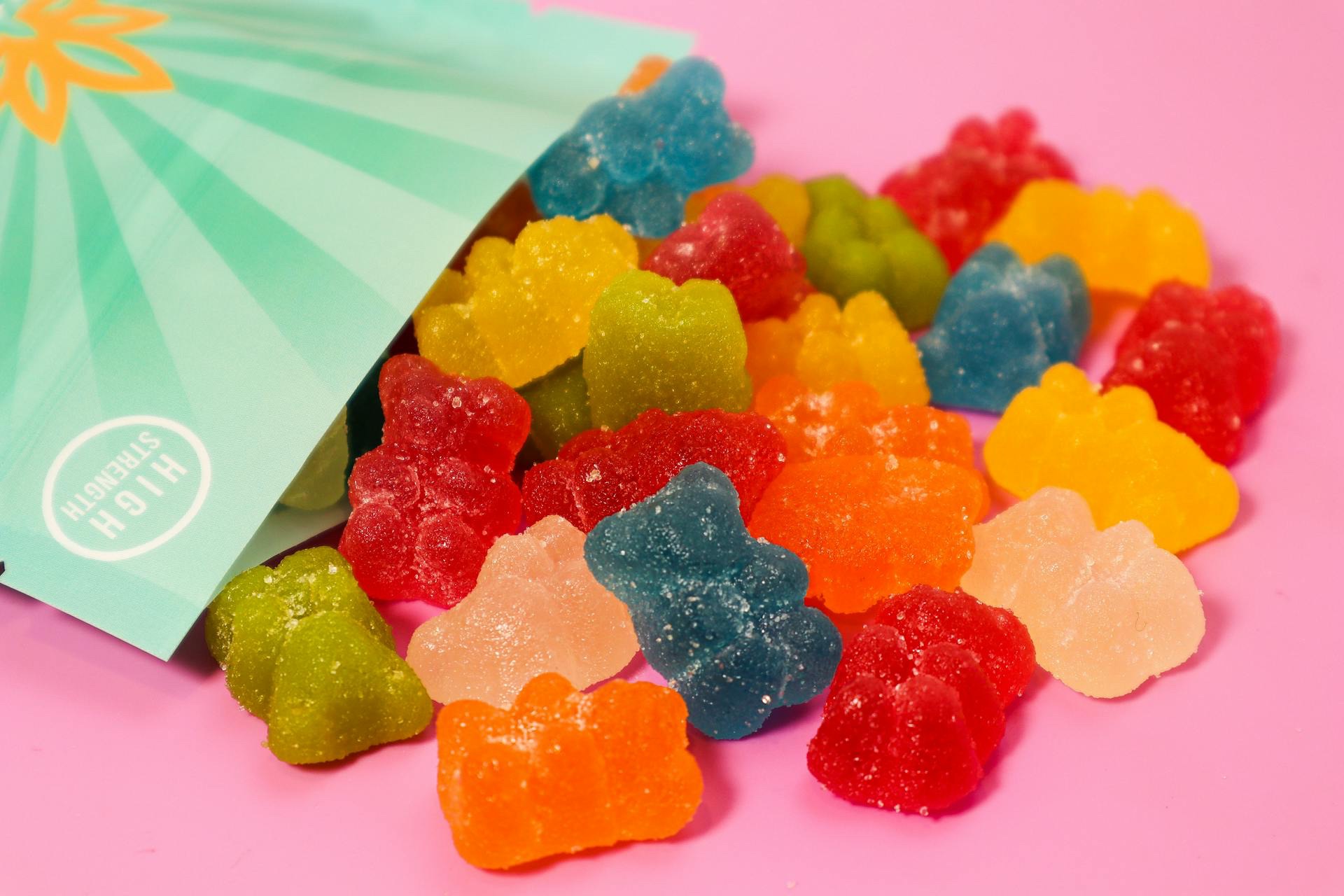
People are increasingly interested in CBD products like gummies, capsules, softgels, oils, bath bombs, honey sticks, chocolates, and other edibles. So, to answer the question, yes, selling CBD products can be profitable.
There’s a reason why there are now more than two thousand CBD brands in the US alone. From CBD wholesale to franchise stores and online sites, there are numerous entrepreneurial opportunities in this space.
If you are planning to launch a CBD business and are concerned about break-even time, profit margins, and an actionable plan, this article is for you.
CBD Market Overview
In recent years, the CBD market has grown from a niche segment to a multi-billion dollar industry. In 2023, the global CBD industry was valued at around $7 billion. With the ongoing increase in demand, educational efforts, and more countries becoming informed about alternative treatments, the CBD industry is expected to reach $27 billion in valuation by 2033.
That’s a compound annual growth rate (CAGR) of almost 17.3%! There’s no doubt that business opportunities are significant in this space. Additionally, after COVID-19 and due to ongoing geopolitical conflicts, people are feeling more tense and stressed than ever before.
Hence, demand has surged for naturally calming products like CBD gummies and oils. Even pets can benefit from CBD’s healing effects on the endocannabinoid system, leading to a surge in demand for pet-specific CBD-infused products like chews, treats, and vests.
The typical consumer group for CBD products spans multiple demographics, from millennials to Gen Alpha. The elderly segment has also seen an uptick, as CBD provides better pain and inflammation relief from conditions like arthritis, fibromyalgia, and various other neuropathic pain conditions.
Plus, there’s no risk of dependency or major side effects, making it preferable over opioids and other traditional anxiety, pain, and sleep medications. In terms of product market share, oils and tinctures form almost 40%, topicals 20%, edibles 15%, capsules 10%, and the rest are miscellaneous items like bath bombs, pet chews, and clothes.
Cost Structures, Profit Margins, and More
Profit margins vary depending on the product segments you deal in, but they generally range from 15% to 75%. We’ll discuss margins based on distribution channels in the next section. Regarding products, tinctures and oils usually have the highest margins, ranging between 40% and 60%.
This is because production costs are relatively low, as only a few ingredients are required compared to other forms. Topicals follow with margins between 35% and 50%, and edibles and capsules generally yield 30% to 45%. The basic cost structure of CBD products includes raw material costs, manufacturing, testing, packaging, branding, and distribution.
Let’s break down the costs for a typical $60 CBD oil bottle: $12 for raw materials (hemp extract, flavors, preservatives, color, etc.), $5 for manufacturing, $3 for testing, $2 for packaging and branding, and $8 for distribution.
This results in a $30 cost of goods sold and a 50% margin. However, as a newcomer, you may need to spend a lot on marketing initially, which will affect this margin structure. Plus, with oversupply and new brands entering the market daily, these margins may face pressure and change drastically in the coming years.
Brands that focus on the premium segment and position their CBD products in the wellness and lifestyle theme often command a higher premium than the general competition. However, with a premium positioning, your addressable market size also shrinks, so plan accordingly.
Profit Through Different Distribution Channels
The wholesale CBD business model requires significant volume to generate substantial profits. Wholesale prices typically run 50-60% below retail, meaning businesses must move large quantities to achieve profitability.
Building good relations with retailers is essential, and you need to increase your visibility by appearing in trade shows. You make less money per item but get regular, predictable orders, though stores have the upper hand in negotiations.
Opening your shop in busy areas costs between $3,000 and $10,000 in rent each month. In high-traffic locations like New York City, you might keep about 15-25% of what you sell after paying all your expenses.
The advantage is that you can offer experiences like product tastings or consultations, which helps customers justify paying higher prices.
Selling online through your website gives you the highest margins, at 60-70% of the sale price, but you often need to spend 20-30% on advertising. Since major platforms like Amazon and eBay don’t allow CBD products, you’ll need to use other website builders like Shopify (which costs $29-$299 per month) to host your website.
Alternatively, you can hire a full-time developer to hardcode and maintain the website for you. Explore all avenues and choose what works best with your brand vision and budget.
Startup Costs for a CBD Business
E-commerce startups can launch with $10,000-$25,000, and physical retail locations may require $50,000-$200,000. Manufacturing operations may need $250,000 or more for equipment and facilities.
Licensing costs can range from $500 to $5,000 annually, depending on your state. Lab testing which is essential for regulatory compliance and consumer trust, adds $300-$500 per batch.
Insurance premiums are higher than standard business policies, at around $3,000-$10,000 annually. Most startups purchase wholesale CBD isolate or distillate, which fluctuates in price based on market conditions and can dramatically affect margins.
Conclusion
In summary, selling CBD products can indeed be profitable. Depending on the distribution method and product form you choose, your profit margins can range from 15% to 75%.
However, note that the initial investment is usually high, as you need significant capital for sourcing raw materials, manufacturing, obtaining permits, and marketing. The market is competitive, but if you bring something new in terms of taste, effectiveness, packaging, and lifestyle appeal, there’s ample space for growth.
For example, Colorado Botanicals started in 2017 with a vision to bring affordable and transparent CBD products to the masses and has become one of the most well-


CBD (Cannabidiol) is a naturally occurring plant compound renowned for its wide range of healing and therapeutic effects. It has been clinically proven to improve sleep and reduce stress and anxiety.
People are increasingly interested in CBD products like gummies, capsules, softgels, oils, bath bombs, honey sticks, chocolates, and other edibles. So, to answer the question, yes, selling CBD products can be profitable.
There’s a reason why there are now more than two thousand CBD brands in the US alone. From CBD wholesale to franchise stores and online sites, there are numerous entrepreneurial opportunities in this space.
If you are planning to launch a CBD business and are concerned about break-even time, profit margins, and an actionable plan, this article is for you.
CBD Market Overview
In recent years, the CBD market has grown from a niche segment to a multi-billion dollar industry. In 2023, the global CBD industry was valued at around $7 billion. With the ongoing increase in demand, educational efforts, and more countries becoming informed about alternative treatments, the CBD industry is expected to reach $27 billion in valuation by 2033.
That’s a compound annual growth rate (CAGR) of almost 17.3%! There’s no doubt that business opportunities are significant in this space. Additionally, after COVID-19 and due to ongoing geopolitical conflicts, people are feeling more tense and stressed than ever before.
Hence, demand has surged for naturally calming products like CBD gummies and oils. Even pets can benefit from CBD’s healing effects on the endocannabinoid system, leading to a surge in demand for pet-specific CBD-infused products like chews, treats, and vests.
The typical consumer group for CBD products spans multiple demographics, from millennials to Gen Alpha. The elderly segment has also seen an uptick, as CBD provides better pain and inflammation relief from conditions like arthritis, fibromyalgia, and various other neuropathic pain conditions.
Plus, there’s no risk of dependency or major side effects, making it preferable over opioids and other traditional anxiety, pain, and sleep medications. In terms of product market share, oils and tinctures form almost 40%, topicals 20%, edibles 15%, capsules 10%, and the rest are miscellaneous items like bath bombs, pet chews, and clothes.
Cost Structures, Profit Margins, and More
Profit margins vary depending on the product segments you deal in, but they generally range from 15% to 75%. We’ll discuss margins based on distribution channels in the next section. Regarding products, tinctures and oils usually have the highest margins, ranging between 40% and 60%.
This is because production costs are relatively low, as only a few ingredients are required compared to other forms. Topicals follow with margins between 35% and 50%, and edibles and capsules generally yield 30% to 45%. The basic cost structure of CBD products includes raw material costs, manufacturing, testing, packaging, branding, and distribution.
Let’s break down the costs for a typical $60 CBD oil bottle: $12 for raw materials (hemp extract, flavors, preservatives, color, etc.), $5 for manufacturing, $3 for testing, $2 for packaging and branding, and $8 for distribution.
This results in a $30 cost of goods sold and a 50% margin. However, as a newcomer, you may need to spend a lot on marketing initially, which will affect this margin structure. Plus, with oversupply and new brands entering the market daily, these margins may face pressure and change drastically in the coming years.
Brands that focus on the premium segment and position their CBD products in the wellness and lifestyle theme often command a higher premium than the general competition. However, with a premium positioning, your addressable market size also shrinks, so plan accordingly.
Profit Through Different Distribution Channels
The wholesale CBD business model requires significant volume to generate substantial profits. Wholesale prices typically run 50-60% below retail, meaning businesses must move large quantities to achieve profitability.
Building good relations with retailers is essential, and you need to increase your visibility by appearing in trade shows. You make less money per item but get regular, predictable orders, though stores have the upper hand in negotiations.
Opening your shop in busy areas costs between $3,000 and $10,000 in rent each month. In high-traffic locations like New York City, you might keep about 15-25% of what you sell after paying all your expenses.
The advantage is that you can offer experiences like product tastings or consultations, which helps customers justify paying higher prices.
Selling online through your website gives you the highest margins, at 60-70% of the sale price, but you often need to spend 20-30% on advertising. Since major platforms like Amazon and eBay don’t allow CBD products, you’ll need to use other website builders like Shopify (which costs $29-$299 per month) to host your website.
Alternatively, you can hire a full-time developer to hardcode and maintain the website for you. Explore all avenues and choose what works best with your brand vision and budget.
Startup Costs for a CBD Business
E-commerce startups can launch with $10,000-$25,000, and physical retail locations may require $50,000-$200,000. Manufacturing operations may need $250,000 or more for equipment and facilities.
Licensing costs can range from $500 to $5,000 annually, depending on your state. Lab testing which is essential for regulatory compliance and consumer trust, adds $300-$500 per batch.
Insurance premiums are higher than standard business policies, at around $3,000-$10,000 annually. Most startups purchase wholesale CBD isolate or distillate, which fluctuates in price based on market conditions and can dramatically affect margins.
Conclusion
In summary, selling CBD products can indeed be profitable. Depending on the distribution method and product form you choose, your profit margins can range from 15% to 75%.
However, note that the initial investment is usually high, as you need significant capital for sourcing raw materials, manufacturing, obtaining permits, and marketing. The market is competitive, but if you bring something new in terms of taste, effectiveness, packaging, and lifestyle appeal, there’s ample space for growth.
For example, Colorado Botanicals started in 2017 with a vision to bring affordable and transparent CBD products to the masses and has become one of the most well-
Share this:
Like this: