When preserving your wine collection, wine cellar climate control systems are essential for ensuring ideal storage conditions. It’s not solely about maintaining a cooler environment, the system you select significantly affects the protection of your investment. If you’re planning to establish a new cellar or considering an upgrade to your existing setup, it’s crucial to make the right choice from the beginning. The decision you make will influence the future of your wine collection for many years to come.
Consider Your Cellar Space
Begin by carefully examining your cellar space, really take your time with this. Use that tape measure to capture the precise dimensions. Consider how many bottles you currently have and how many you intend to add to your collection. In Australia, we encounter distinct challenges due to our climate.
A cellar in Brisbane requires a completely different storage strategy than one in Melbourne. Where exactly is your cellar situated within your home? Cellars in basements often demand less cooling capacity than those that have been converted from upper rooms. The effectiveness of your insulation and sealing can greatly impact performance, even tiny gaps can put a strain on your system and reduce its efficiency.
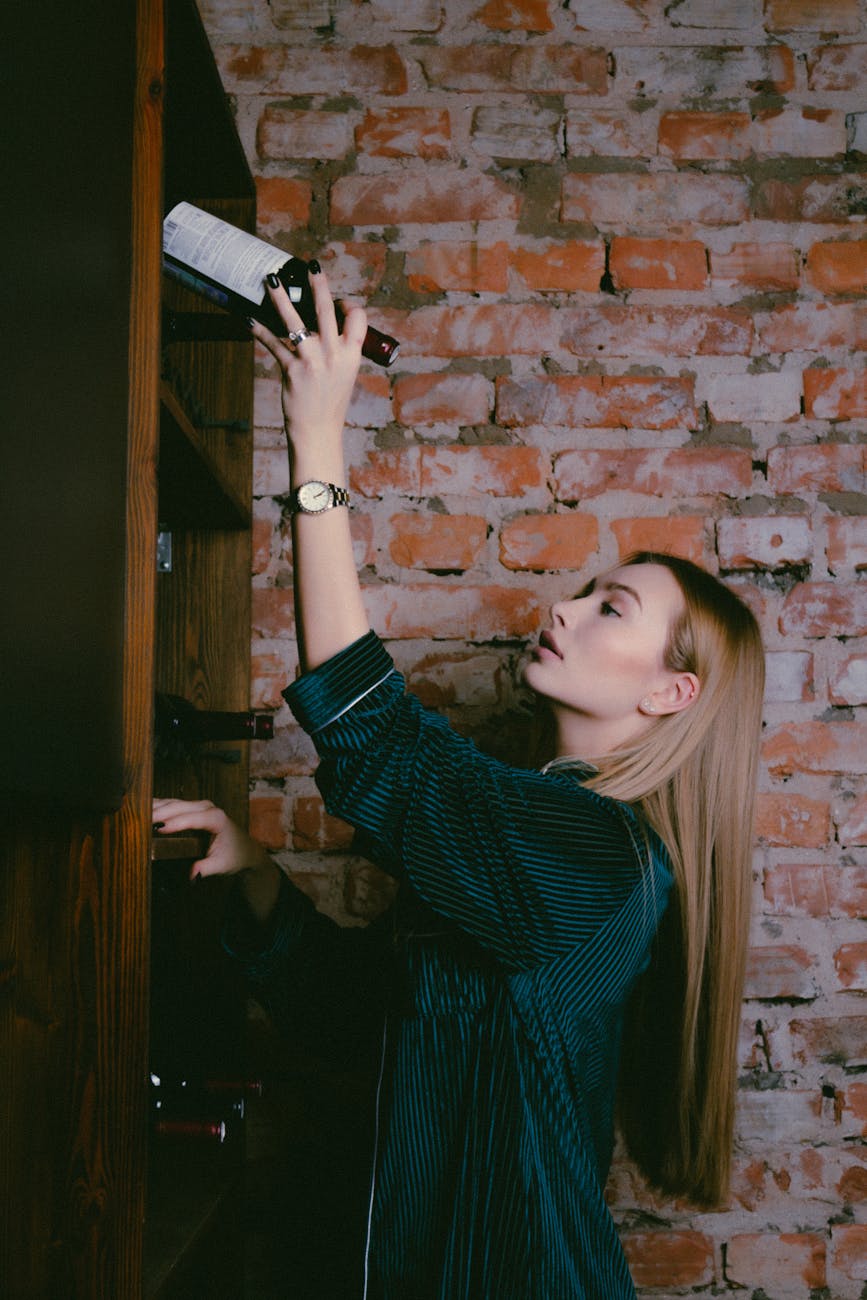
Photo by cottonbro studio
Calculating System Capacity Requirements
Determining the appropriate system size is equally important. If it’s too small, your system will struggle, if it’s too large, you’ll waste money. You’ll need to consider your maximum bottle capacity and take into account the heat load of your area.
The ideal range for wine storage is between 12-14°C, with humidity levels around 65-75%. Australian summers can be harsh, so your system must be powerful enough to cope with those extremely hot days without faltering. Keep in mind the seasonal temperature variations when calculating your system’s capacity.
Installation Requirements
Before committing to a specific system, consider the practical aspects. Where will you actually place the unit? Some systems require external venting, which involves cutting through walls for ductwork. Others are self-contained but may need additional space within your cellar.
Inspect your electrical configuration as well, most reliable systems require a dedicated circuit. Additionally, ensure that you can easily access the unit for maintenance, there’s nothing worse than having to take apart half your cellar to service the system. While professional installation may have a higher upfront cost, it often leads to savings over time.
Operational Considerations
Operating expenses are incredibly important. Choose systems with high energy efficiency ratings that comply with Australian regulations. You’ll appreciate the savings on your energy bills down the line. Noise is another crucial factor that is often ignored. A loud unit can be quite annoying, especially if your cellar is located near living spaces. The top systems operate quietly without disturbing your wine bottles.
Speaking of bottles, consider vibration, you want to avoid jostling your valuable vintages. It’s also essential to include regular maintenance schedules in your decision-making process.
Making Your Final Choice
Don’t let price be your only guide when choosing a climate control system. Sure, it’s tempting to save a few dollars upfront, but a system that struggles in our harsh climate will cost you more in the long run. Chat with other collectors about their experiences. What works for them? What do they wish they’d done differently? If you’re planning to grow your collection, consider going slightly bigger with your system capacity, it’s easier than upgrading later.
Want to make sure you’re on the right track? Have a yarn with local wine storage specialists who know their stuff. They’ve seen what works and what doesn’t in Australian conditions, and they can match your specific situation with the right system. After all, your wine collection deserves the best protection you can give it, and making an informed choice now will pay dividends for years to come.


When preserving your wine collection, wine cellar climate control systems are essential for ensuring ideal storage conditions. It’s not solely about maintaining a cooler environment, the system you select significantly affects the protection of your investment. If you’re planning to establish a new cellar or considering an upgrade to your existing setup, it’s crucial to make the right choice from the beginning. The decision you make will influence the future of your wine collection for many years to come.
Consider Your Cellar Space
Begin by carefully examining your cellar space, really take your time with this. Use that tape measure to capture the precise dimensions. Consider how many bottles you currently have and how many you intend to add to your collection. In Australia, we encounter distinct challenges due to our climate.
A cellar in Brisbane requires a completely different storage strategy than one in Melbourne. Where exactly is your cellar situated within your home? Cellars in basements often demand less cooling capacity than those that have been converted from upper rooms. The effectiveness of your insulation and sealing can greatly impact performance, even tiny gaps can put a strain on your system and reduce its efficiency.
Calculating System Capacity Requirements
Determining the appropriate system size is equally important. If it’s too small, your system will struggle, if it’s too large, you’ll waste money. You’ll need to consider your maximum bottle capacity and take into account the heat load of your area.
The ideal range for wine storage is between 12-14°C, with humidity levels around 65-75%. Australian summers can be harsh, so your system must be powerful enough to cope with those extremely hot days without faltering. Keep in mind the seasonal temperature variations when calculating your system’s capacity.
Installation Requirements
Before committing to a specific system, consider the practical aspects. Where will you actually place the unit? Some systems require external venting, which involves cutting through walls for ductwork. Others are self-contained but may need additional space within your cellar.
Inspect your electrical configuration as well, most reliable systems require a dedicated circuit. Additionally, ensure that you can easily access the unit for maintenance, there’s nothing worse than having to take apart half your cellar to service the system. While professional installation may have a higher upfront cost, it often leads to savings over time.
Operational Considerations
Operating expenses are incredibly important. Choose systems with high energy efficiency ratings that comply with Australian regulations. You’ll appreciate the savings on your energy bills down the line. Noise is another crucial factor that is often ignored. A loud unit can be quite annoying, especially if your cellar is located near living spaces. The top systems operate quietly without disturbing your wine bottles.
Speaking of bottles, consider vibration, you want to avoid jostling your valuable vintages. It’s also essential to include regular maintenance schedules in your decision-making process.
Making Your Final Choice
Don’t let price be your only guide when choosing a climate control system. Sure, it’s tempting to save a few dollars upfront, but a system that struggles in our harsh climate will cost you more in the long run. Chat with other collectors about their experiences. What works for them? What do they wish they’d done differently? If you’re planning to grow your collection, consider going slightly bigger with your system capacity, it’s easier than upgrading later.
Want to make sure you’re on the right track? Have a yarn with local wine storage specialists who know their stuff. They’ve seen what works and what doesn’t in Australian conditions, and they can match your specific situation with the right system. After all, your wine collection deserves the best protection you can give it, and making an informed choice now will pay dividends for years to come.
Share this:
Like this: