Launching a restaurant business is a multifaceted endeavor, one that requires meticulous planning and a keen eye for detail. From crafting a unique culinary experience to designing a welcoming atmosphere, every aspect matters. Aspiring restaurateurs should take into grave consideration not just the aesthetic appeal, but the functional needs of their future establishment. With the right approach, your restaurant can become not just a dining space, but a cherished landmark in its community. Keep reading to uncover valuable insights and resources that will pave the way for your dream restaurant.
Essential Considerations Before Building Your Own Restaurant Space
Before launching your new restaurant, it’s essential to analyze your goals and resources. Determine the scale of your establishment, whether it will be a cozy bistro or a grand dining hall, and understand your target audience to inform your location and design choices. Financial planning is crucial; consider how you will fund your venture, whether through self-funding, loans, or investors, and ensure you have a comprehensive business plan that accounts for both building and initial operational costs.
Sourcing quality Commercial Restaurant Equipment Las Vegas is vital for efficient operations and food quality. Don’t overlook the importance of assembling a skilled workforce. Hiring experienced chefs and training front-of-house staff can set the foundation for excellent service. Partnering with reliable commercial electrical contractors can further enhance your restaurant’s operational efficiency, ensuring you create a thriving environment for both staff and patrons.
Photo by Volkan Vardar
Navigating Building Codes and Permits for New Restaurants
Restaurant owners must understand and adhere to local building codes and permits to ensure safety, health standards, and environmental protection. Acquainting oneself with the specific codes and permits in your area is crucial, as they can affect various aspects of your restaurant, such as kitchen ventilation systems, emergency exits, noise control, and alcohol licensing.
Having a knowledgeable contractor or legal advisor can save you from potential legal and financial penalties. Ensure all construction work is performed by licensed professionals to ensure compliance with electrical and plumbing codes. Maintaining open communication with local authorities and inspectors throughout the building process can facilitate smoother inspections and approvals, keeping your project timeline on track.
Choosing the Right Location and Layout for Restaurant Success
The location of a restaurant significantly impacts its success, with factors such as accessibility, visibility, and demographics influencing the decision. A good location attracts more customers and strengthens the establishment’s identity. The layout of the restaurant should be seamless, ensuring efficient service and comfort.
The design should reflect the restaurant’s brand and story, with elements like open kitchens or cozy booths contributing to the overall atmosphere. Working with experienced designers or architects can help maximize the potential of every square foot and ensure a functional and inviting restaurant. By considering every angle, from guest comfort to service efficiency, a restaurant can be created that is both functional and inviting.
Cost-Effective Building Materials and Resources for Restaurant Construction
When designing a restaurant, consider cost-effective building materials and resources that offer durability and maintenance. Research materials that will last and fit within your budget, such as reclaimed wood or industrial metals. Invest in quality materials that can withstand heavy use, especially in high-traffic areas like the dining room and kitchen.
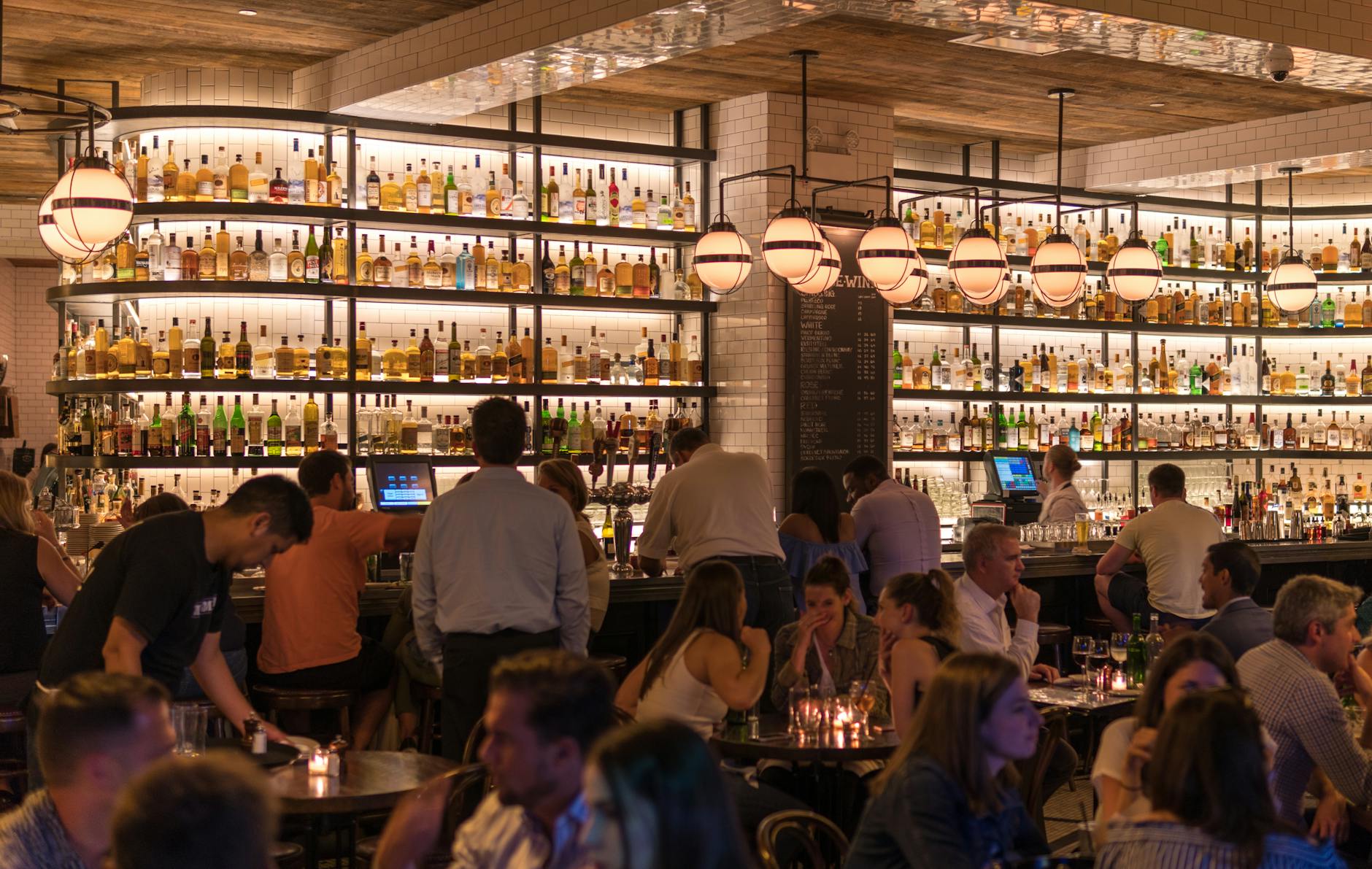
Investing more upfront can lead to long-term savings due to longevity and lower maintenance costs. Innovative materials can define your space and set it apart from competitors, such as feature walls, custom light fixtures, or handcrafted bar tops. Consider seeking suppliers who offer wholesale prices or discounts for bulk purchases, as building good relationships with them can lead to future savings on upkeep and renovations. Negotiating prices with suppliers can be beneficial if you can assure them of an ongoing business relationship.
Photo by Igor Starkov
Optimizing Operations for Long-Term Viability
Once the physical space is built and compliant, the focus shifts to the ongoing systems that ensure its success. A seasoned bar and restaurant consultant works with establishments to build these vital operational systems from the ground up. Their expertise directly supports core areas of restaurant management by helping establish efficient bar layouts and inventory systems to maximize speed of service.
They can also assist in curating beverage menus that balance creativity and profitability, ensuring financial health. They can train your front-of-house staff in service standards and upselling techniques to elevate the guest experience and increase revenue.
Incorporating Sustainable Practices in Restaurant Design and Build
Sustainable restaurant design is not only environmentally friendly but also smart business. Implementing energy-efficient appliances, water-saving fixtures, and sustainable materials can reduce operating costs and attract environmentally conscious consumers. Sustainable practices often qualify for tax credits and rebates. Using local, recycled, or renewable materials minimizes environmental footprint and demonstrates community commitment.
Energy efficiency should be a primary goal, with natural lighting, LED fixtures, and Energy Star-rated equipment reducing consumption. Optimizing heating, cooling, and ventilation systems is also crucial. Sustainability extends to operations, with composting food waste and locally sourced menu items reducing carbon footprint and fostering a positive public image.
Altogether, constructing a restaurant space that thrives involves careful consideration of numerous factors. By ensuring compliance with codes and permits, selecting a prime location, and choosing cost-effective and sustainable resources, you can establish a strong foundation for your business. Balancing aesthetics, functionality, and environmental responsibility will guide your restaurant on the path to long-term success and clientele loyalty.


Launching a restaurant business is a multifaceted endeavor, one that requires meticulous planning and a keen eye for detail. From crafting a unique culinary experience to designing a welcoming atmosphere, every aspect matters. Aspiring restaurateurs should take into grave consideration not just the aesthetic appeal, but the functional needs of their future establishment. With the right approach, your restaurant can become not just a dining space, but a cherished landmark in its community. Keep reading to uncover valuable insights and resources that will pave the way for your dream restaurant.
Essential Considerations Before Building Your Own Restaurant Space
Before launching your new restaurant, it’s essential to analyze your goals and resources. Determine the scale of your establishment, whether it will be a cozy bistro or a grand dining hall, and understand your target audience to inform your location and design choices. Financial planning is crucial; consider how you will fund your venture, whether through self-funding, loans, or investors, and ensure you have a comprehensive business plan that accounts for both building and initial operational costs.
Sourcing quality Commercial Restaurant Equipment Las Vegas is vital for efficient operations and food quality. Don’t overlook the importance of assembling a skilled workforce. Hiring experienced chefs and training front-of-house staff can set the foundation for excellent service. Partnering with reliable commercial electrical contractors can further enhance your restaurant’s operational efficiency, ensuring you create a thriving environment for both staff and patrons.
Navigating Building Codes and Permits for New Restaurants
Restaurant owners must understand and adhere to local building codes and permits to ensure safety, health standards, and environmental protection. Acquainting oneself with the specific codes and permits in your area is crucial, as they can affect various aspects of your restaurant, such as kitchen ventilation systems, emergency exits, noise control, and alcohol licensing.
Having a knowledgeable contractor or legal advisor can save you from potential legal and financial penalties. Ensure all construction work is performed by licensed professionals to ensure compliance with electrical and plumbing codes. Maintaining open communication with local authorities and inspectors throughout the building process can facilitate smoother inspections and approvals, keeping your project timeline on track.
Choosing the Right Location and Layout for Restaurant Success
The location of a restaurant significantly impacts its success, with factors such as accessibility, visibility, and demographics influencing the decision. A good location attracts more customers and strengthens the establishment’s identity. The layout of the restaurant should be seamless, ensuring efficient service and comfort.
The design should reflect the restaurant’s brand and story, with elements like open kitchens or cozy booths contributing to the overall atmosphere. Working with experienced designers or architects can help maximize the potential of every square foot and ensure a functional and inviting restaurant. By considering every angle, from guest comfort to service efficiency, a restaurant can be created that is both functional and inviting.
Cost-Effective Building Materials and Resources for Restaurant Construction
When designing a restaurant, consider cost-effective building materials and resources that offer durability and maintenance. Research materials that will last and fit within your budget, such as reclaimed wood or industrial metals. Invest in quality materials that can withstand heavy use, especially in high-traffic areas like the dining room and kitchen.
Investing more upfront can lead to long-term savings due to longevity and lower maintenance costs. Innovative materials can define your space and set it apart from competitors, such as feature walls, custom light fixtures, or handcrafted bar tops. Consider seeking suppliers who offer wholesale prices or discounts for bulk purchases, as building good relationships with them can lead to future savings on upkeep and renovations. Negotiating prices with suppliers can be beneficial if you can assure them of an ongoing business relationship.
Optimizing Operations for Long-Term Viability
Once the physical space is built and compliant, the focus shifts to the ongoing systems that ensure its success. A seasoned bar and restaurant consultant works with establishments to build these vital operational systems from the ground up. Their expertise directly supports core areas of restaurant management by helping establish efficient bar layouts and inventory systems to maximize speed of service.
They can also assist in curating beverage menus that balance creativity and profitability, ensuring financial health. They can train your front-of-house staff in service standards and upselling techniques to elevate the guest experience and increase revenue.
Incorporating Sustainable Practices in Restaurant Design and Build
Sustainable restaurant design is not only environmentally friendly but also smart business. Implementing energy-efficient appliances, water-saving fixtures, and sustainable materials can reduce operating costs and attract environmentally conscious consumers. Sustainable practices often qualify for tax credits and rebates. Using local, recycled, or renewable materials minimizes environmental footprint and demonstrates community commitment.
Energy efficiency should be a primary goal, with natural lighting, LED fixtures, and Energy Star-rated equipment reducing consumption. Optimizing heating, cooling, and ventilation systems is also crucial. Sustainability extends to operations, with composting food waste and locally sourced menu items reducing carbon footprint and fostering a positive public image.
Altogether, constructing a restaurant space that thrives involves careful consideration of numerous factors. By ensuring compliance with codes and permits, selecting a prime location, and choosing cost-effective and sustainable resources, you can establish a strong foundation for your business. Balancing aesthetics, functionality, and environmental responsibility will guide your restaurant on the path to long-term success and clientele loyalty.
Share this:
Like this: