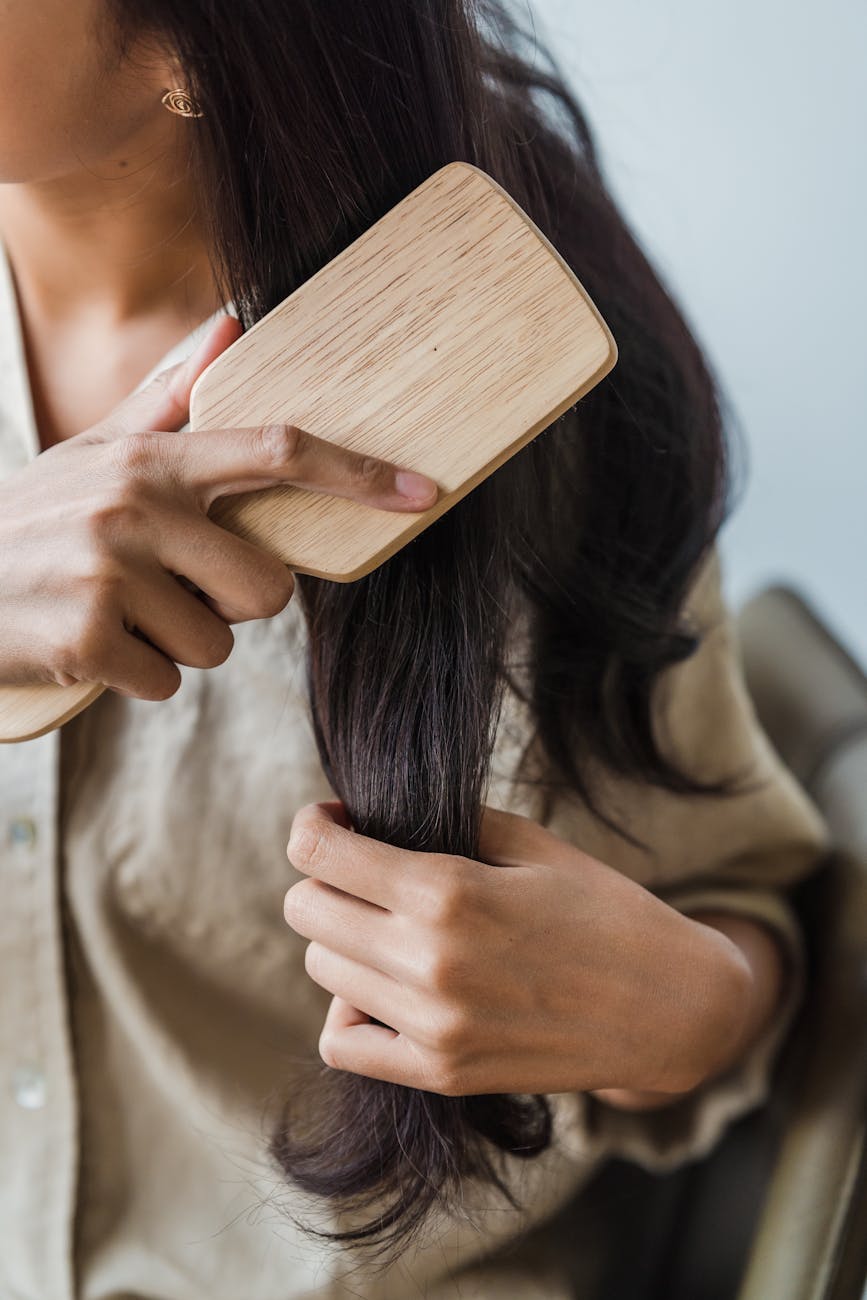
A sudden increase in hair shedding can feel confusing and emotional, especially when it happens gradually. One day, there seems to be more hair left behind in the brush. Another day, a part of the scalp looks more visible than before. These small changes can quietly build into worry, stress, and self-doubt about what is happening and whether it will stop. Many women describe this phase as overwhelming, frustrating, and deeply personal.
If this sounds familiar, take a moment to breathe. Support is available, and answers are closer than they may seem. A dermatologist can help bring clarity to this stage by identifying what is causing the shedding and guiding the next steps with care. Understanding how that process works can make the situation feel far less daunting.
This article walks through it all in a simple, approachable way.
When Hair Shedding Becomes More Than Normal
Some daily hair shedding is expected. Hair naturally moves through growth and resting cycles, which means losing a certain amount each day is part of a healthy process. Concern often begins when shedding feels heavier, lasts longer than usual, or comes with visible thinning that does not improve.
Common signs that hair shedding may need closer attention include:
Noticeably more hair in the shower drain or hairbrush
A widening part or a thinner ponytail over time
Hair that does not seem to regrow after several months
Increased scalp visibility, especially around the crown or temples
These changes do not always mean permanent hair loss, but they can signal that something is interrupting the normal growth cycle. This is where professional insight becomes helpful.
The Role of a Dermatology Consultation
Hair loss is rarely the result of just one issue. It often develops through a combination of internal and external factors that need to be looked at together. Nutrition, hormonal changes, underlying medical conditions, and emotional strain can all influence the hair growth cycle. In some cases, shedding may even be connected to hair loss caused by stress, which can push hair follicles into a resting phase earlier than expected.
Because of this, a dermatology consultation begins by identifying the root cause of the shedding. Understanding what is driving the changes allows treatments to be tailored more accurately, rather than relying on a one-size-fits-all approach.
During the visit, professionals at trusted practices like Altitude Dermatology examine the scalp, review hair density and growth patterns, and ask thoughtful questions about recent health changes or lifestyle shifts. This careful process helps clarify what is contributing to the shedding.
Once that clarity is established, the next step is developing a customized treatment plan. This may include medical treatments, supportive therapies, or lifestyle guidance, all aimed at encouraging healthier regrowth over time.
Treatment Approaches That May Be Recommended
Once the underlying cause is better understood, a dermatologist can recommend treatment options tailored to the individual. There is no single solution that works for everyone, which is why personalized care matters so much in hair recovery.
Depending on what is identified during evaluation, treatment plans may include a combination of approaches, such as:
Topical treatments designed to support healthier hair growth and improve scalp conditions
Oral medications or supplements when nutritional gaps or medical deficiencies are involved
PRP therapy, which uses concentrated platelets from the patient’s own blood to support hair follicles and encourage growth in certain cases
Lifestyle guidance, including stress management or routine adjustments that help support long-term recovery
The goal is not just to reduce shedding in the short term, but to create the right conditions for regrowth over time.
Photo by Ron Lach
Ongoing Support
Hair recovery is rarely a one-visit process. Because hair grows in natural cycles, visible improvement often takes time, patience, and regular monitoring. What works well in the early stages may need to be adjusted as the scalp and hair begin to respond. Ongoing support from a dermatologist helps ensure that care continues to match what the hair actually needs at each stage of recovery.
With follow-up visits, dermatologists can track changes in hair density, shedding patterns, and scalp health. They may refine treatments, recommend supportive adjustments, or address new concerns that come up along the way. This ongoing relationship allows small issues to be addressed early rather than waiting for setbacks to become frustrating or discouraging.
Wrapping Up
Excessive hair shedding can feel isolating, but it is a concern many people face at different stages of life. Understanding what is happening and why makes a powerful difference. With the right evaluation and ongoing support, a dermatologist can help bring clarity, direction, and hope to the process. Taking that first step toward professional guidance may be what helps restore not only healthier hair, but also peace of mind.


A sudden increase in hair shedding can feel confusing and emotional, especially when it happens gradually. One day, there seems to be more hair left behind in the brush. Another day, a part of the scalp looks more visible than before. These small changes can quietly build into worry, stress, and self-doubt about what is happening and whether it will stop. Many women describe this phase as overwhelming, frustrating, and deeply personal.
If this sounds familiar, take a moment to breathe. Support is available, and answers are closer than they may seem. A dermatologist can help bring clarity to this stage by identifying what is causing the shedding and guiding the next steps with care. Understanding how that process works can make the situation feel far less daunting.
This article walks through it all in a simple, approachable way.
When Hair Shedding Becomes More Than Normal
Some daily hair shedding is expected. Hair naturally moves through growth and resting cycles, which means losing a certain amount each day is part of a healthy process. Concern often begins when shedding feels heavier, lasts longer than usual, or comes with visible thinning that does not improve.
Common signs that hair shedding may need closer attention include:
These changes do not always mean permanent hair loss, but they can signal that something is interrupting the normal growth cycle. This is where professional insight becomes helpful.
The Role of a Dermatology Consultation
Hair loss is rarely the result of just one issue. It often develops through a combination of internal and external factors that need to be looked at together. Nutrition, hormonal changes, underlying medical conditions, and emotional strain can all influence the hair growth cycle. In some cases, shedding may even be connected to hair loss caused by stress, which can push hair follicles into a resting phase earlier than expected.
Because of this, a dermatology consultation begins by identifying the root cause of the shedding. Understanding what is driving the changes allows treatments to be tailored more accurately, rather than relying on a one-size-fits-all approach.
During the visit, professionals at trusted practices like Altitude Dermatology examine the scalp, review hair density and growth patterns, and ask thoughtful questions about recent health changes or lifestyle shifts. This careful process helps clarify what is contributing to the shedding.
Once that clarity is established, the next step is developing a customized treatment plan. This may include medical treatments, supportive therapies, or lifestyle guidance, all aimed at encouraging healthier regrowth over time.
Treatment Approaches That May Be Recommended
Once the underlying cause is better understood, a dermatologist can recommend treatment options tailored to the individual. There is no single solution that works for everyone, which is why personalized care matters so much in hair recovery.
Depending on what is identified during evaluation, treatment plans may include a combination of approaches, such as:
The goal is not just to reduce shedding in the short term, but to create the right conditions for regrowth over time.
Ongoing Support
Hair recovery is rarely a one-visit process. Because hair grows in natural cycles, visible improvement often takes time, patience, and regular monitoring. What works well in the early stages may need to be adjusted as the scalp and hair begin to respond. Ongoing support from a dermatologist helps ensure that care continues to match what the hair actually needs at each stage of recovery.
With follow-up visits, dermatologists can track changes in hair density, shedding patterns, and scalp health. They may refine treatments, recommend supportive adjustments, or address new concerns that come up along the way. This ongoing relationship allows small issues to be addressed early rather than waiting for setbacks to become frustrating or discouraging.
Wrapping Up
Excessive hair shedding can feel isolating, but it is a concern many people face at different stages of life. Understanding what is happening and why makes a powerful difference. With the right evaluation and ongoing support, a dermatologist can help bring clarity, direction, and hope to the process. Taking that first step toward professional guidance may be what helps restore not only healthier hair, but also peace of mind.
Share this:
Like this: