Your roof is one of the most important parts of your home, protecting you from the elements and keeping everything inside safe. Yet, many homeowners overlook roof maintenance until problems become unavoidable. Small issues like missing shingles or minor leaks may seem insignificant at first, but if ignored, they can lead to costly repairs or even a full roof replacement.
A well-maintained roof helps with insulation, prevents structural damage, and even enhances curb appeal. However, roofs naturally wear down over time due to exposure to harsh weather, debris, and aging materials. If you don’t catch these problems early, they can lead to severe water damage, higher energy bills, and safety concerns.
Regular inspections and timely repairs can extend the lifespan of your roof and save you money in the long run. Let’s start by discussing one of the biggest indicators that your roof might need attention: ongoing repair costs and when it might be time to consider a replacement.
Rising Repair Costs? Understand the Cost of Roof Replacement
Roofs have an average lifespan depending on the material, typically 20 to 30 years for asphalt shingles and longer for metal or tile roofs. As the roof ages, its ability to withstand weather damage decreases, making it more vulnerable to leaks, missing shingles, and structural issues. Over time, the cost of repairs can add up, making homeowners question whether continuing to fix the damage is the best financial decision.
When issues become too severe, as a homeowner, you should consider the cost of roof replacement to weigh whether repairs are still a viable option. Replacing a roof is a significant investment, but in many cases, it can be more cost-effective than repeatedly patching an old and failing structure. Factors such as roofing materials, labor, and roof size all contribute to the final cost, making it essential to evaluate your options before making a decision.
Homeowners often assume that a few minor roof repairs will keep their roof in good shape indefinitely. While this may be true in some cases, frequent repairs can indicate that the roof is reaching the end of its lifespan. If you find yourself calling a roofing contractor multiple times a year, it may be time to assess whether ongoing repairs are worth the investment.
If you’re unsure whether to repair or replace your roof, understanding the most common signs of damage can help guide your next steps.
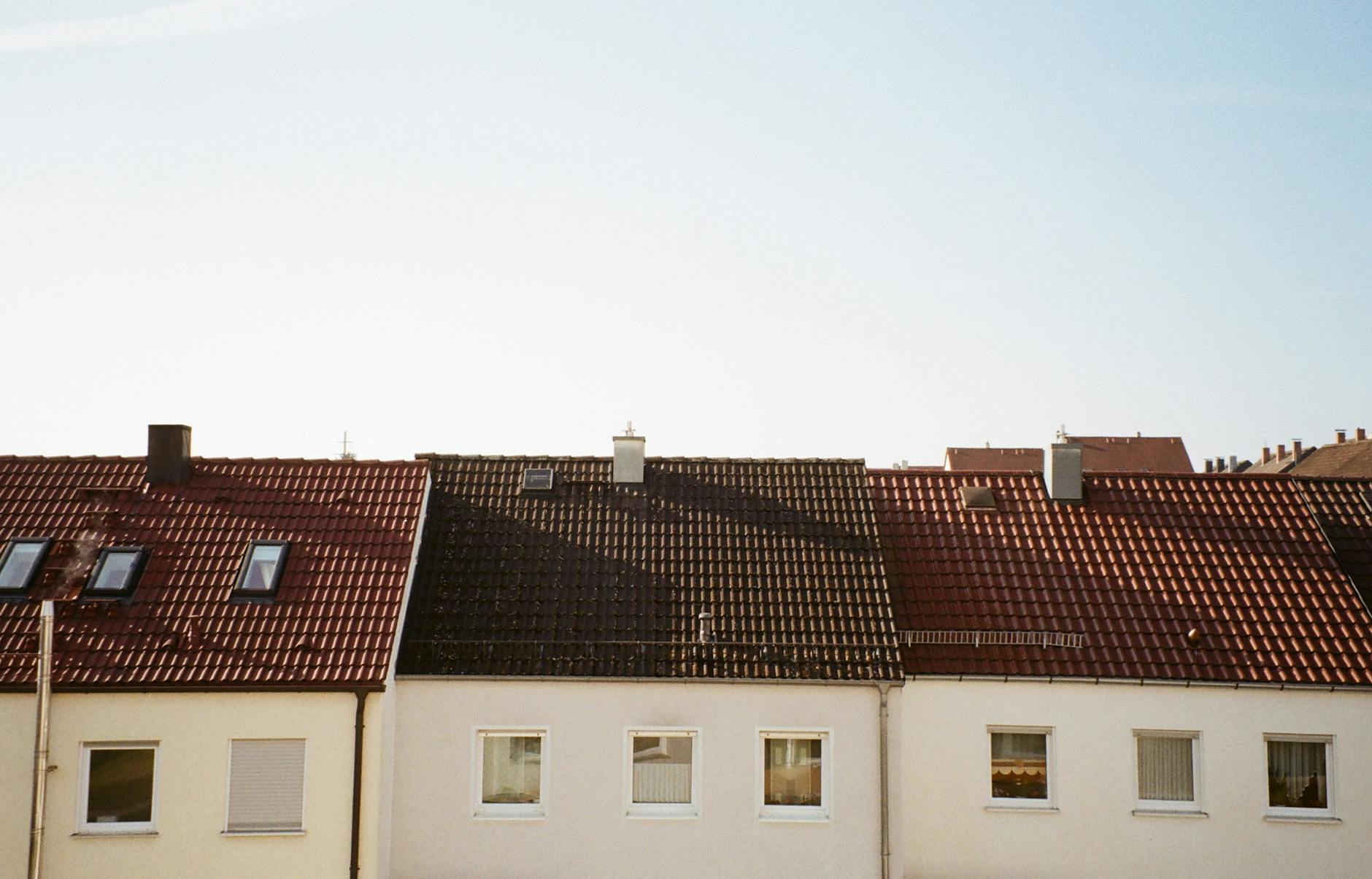
Photo by Wendy Wei
VisibleRoof Damage: Cracked, Curling, or Missing Shingles
Shingles are the first line of defense against the elements, so their condition is a clear indicator of overall roof health. If you notice cracked, curling, or missing shingles, your roof might be deteriorating. These problems often result from years of exposure to sun, wind, and rain, weakening the material and making it more susceptible to leaks.
Roofing shingles are designed to shed water efficiently, but when they become damaged, moisture can seep through, leading to rot and mold growth. If left unaddressed, these small problems can escalate into more extensive damage, affecting the structure underneath. Checking your roof for shingle damage at least once a year, especially after severe storms, can help you catch these issues early.
Leaks and Water Damage: Warning Signs Inside Your Home
Not all roofing problems are visible from the outside. Sometimes, the first signs of trouble appear inside your home. Water stains on ceilings and walls are common indicators that your roof might be leaking. If you notice dark spots, peeling paint, or damp areas, there’s a good chance that water is seeping through cracks or holes in your roof.
A leaking roof can lead to serious issues, including mold growth, structural weakening, and damage to insulation. It’s important to inspect your attic regularly, as leaks often start there before they become noticeable in living spaces. If you see sunlight peeking through your roof boards or feel excessive moisture in the attic, it’s time to schedule a professional inspection.
Sagging Roof or Structural Weakness
A sagging roof is a serious problem that requires immediate attention. Unlike minor shingle damage, a sagging roof can indicate structural weakness caused by water damage, poor construction, or excessive weight from debris or snow buildup. If your roofline appears uneven or dips in certain areas, this could be a sign of internal damage affecting the support system.
Structural problems can worsen over time, leading to potential roof collapse in extreme cases. Regular inspections can help identify weak spots before they become dangerous. If you notice any sagging, it’s essential to contact a professional to assess the severity of the issue.
Gutter and Downspout Issues: What They Reveal About Your Roof
Gutters and downspouts are essential for channeling water away from your home. However, when they become clogged or damaged, they can cause water to back up onto the roof, leading to deterioration. Overflowing gutters often result in pooling water, which can damage shingles and the underlying structure.
Another warning sign to look out for is the presence of granules in your gutters. Asphalt shingles gradually lose granules over time, but excessive granule buildup in gutters can indicate that your roof is deteriorating more quickly than expected. Cleaning your gutters regularly and ensuring they are properly attached can help prevent roof-related issues that may require water damage restoration.
Keeping your roof in good condition is essential for maintaining the safety and value of your home. Recognizing early warning signs, such as frequent repairs, visible shingle damage, leaks, sagging, and gutter issues, can help prevent costly problems in the future. Regular inspections and timely maintenance can extend the lifespan of your roof and save you thousands of dollars in unexpected expenses.
If you suspect your roof may need repairs, don’t wait until the damage worsens. Addressing small issues today can prevent the need for a full roof replacement down the line. Taking a proactive approach to roof maintenance will keep your home protected and give you peace of mind for years to come.


Your roof is one of the most important parts of your home, protecting you from the elements and keeping everything inside safe. Yet, many homeowners overlook roof maintenance until problems become unavoidable. Small issues like missing shingles or minor leaks may seem insignificant at first, but if ignored, they can lead to costly repairs or even a full roof replacement.
A well-maintained roof helps with insulation, prevents structural damage, and even enhances curb appeal. However, roofs naturally wear down over time due to exposure to harsh weather, debris, and aging materials. If you don’t catch these problems early, they can lead to severe water damage, higher energy bills, and safety concerns.
Regular inspections and timely repairs can extend the lifespan of your roof and save you money in the long run. Let’s start by discussing one of the biggest indicators that your roof might need attention: ongoing repair costs and when it might be time to consider a replacement.
Rising Repair Costs? Understand the Cost of Roof Replacement
Roofs have an average lifespan depending on the material, typically 20 to 30 years for asphalt shingles and longer for metal or tile roofs. As the roof ages, its ability to withstand weather damage decreases, making it more vulnerable to leaks, missing shingles, and structural issues. Over time, the cost of repairs can add up, making homeowners question whether continuing to fix the damage is the best financial decision.
When issues become too severe, as a homeowner, you should consider the cost of roof replacement to weigh whether repairs are still a viable option. Replacing a roof is a significant investment, but in many cases, it can be more cost-effective than repeatedly patching an old and failing structure. Factors such as roofing materials, labor, and roof size all contribute to the final cost, making it essential to evaluate your options before making a decision.
Homeowners often assume that a few minor roof repairs will keep their roof in good shape indefinitely. While this may be true in some cases, frequent repairs can indicate that the roof is reaching the end of its lifespan. If you find yourself calling a roofing contractor multiple times a year, it may be time to assess whether ongoing repairs are worth the investment.
If you’re unsure whether to repair or replace your roof, understanding the most common signs of damage can help guide your next steps.
Visible Roof Damage: Cracked, Curling, or Missing Shingles
Shingles are the first line of defense against the elements, so their condition is a clear indicator of overall roof health. If you notice cracked, curling, or missing shingles, your roof might be deteriorating. These problems often result from years of exposure to sun, wind, and rain, weakening the material and making it more susceptible to leaks.
Roofing shingles are designed to shed water efficiently, but when they become damaged, moisture can seep through, leading to rot and mold growth. If left unaddressed, these small problems can escalate into more extensive damage, affecting the structure underneath. Checking your roof for shingle damage at least once a year, especially after severe storms, can help you catch these issues early.
Leaks and Water Damage: Warning Signs Inside Your Home
Not all roofing problems are visible from the outside. Sometimes, the first signs of trouble appear inside your home. Water stains on ceilings and walls are common indicators that your roof might be leaking. If you notice dark spots, peeling paint, or damp areas, there’s a good chance that water is seeping through cracks or holes in your roof.
A leaking roof can lead to serious issues, including mold growth, structural weakening, and damage to insulation. It’s important to inspect your attic regularly, as leaks often start there before they become noticeable in living spaces. If you see sunlight peeking through your roof boards or feel excessive moisture in the attic, it’s time to schedule a professional inspection.
Sagging Roof or Structural Weakness
A sagging roof is a serious problem that requires immediate attention. Unlike minor shingle damage, a sagging roof can indicate structural weakness caused by water damage, poor construction, or excessive weight from debris or snow buildup. If your roofline appears uneven or dips in certain areas, this could be a sign of internal damage affecting the support system.
Structural problems can worsen over time, leading to potential roof collapse in extreme cases. Regular inspections can help identify weak spots before they become dangerous. If you notice any sagging, it’s essential to contact a professional to assess the severity of the issue.
Gutter and Downspout Issues: What They Reveal About Your Roof
Gutters and downspouts are essential for channeling water away from your home. However, when they become clogged or damaged, they can cause water to back up onto the roof, leading to deterioration. Overflowing gutters often result in pooling water, which can damage shingles and the underlying structure.
Another warning sign to look out for is the presence of granules in your gutters. Asphalt shingles gradually lose granules over time, but excessive granule buildup in gutters can indicate that your roof is deteriorating more quickly than expected. Cleaning your gutters regularly and ensuring they are properly attached can help prevent roof-related issues that may require water damage restoration.
Keeping your roof in good condition is essential for maintaining the safety and value of your home. Recognizing early warning signs, such as frequent repairs, visible shingle damage, leaks, sagging, and gutter issues, can help prevent costly problems in the future. Regular inspections and timely maintenance can extend the lifespan of your roof and save you thousands of dollars in unexpected expenses.
If you suspect your roof may need repairs, don’t wait until the damage worsens. Addressing small issues today can prevent the need for a full roof replacement down the line. Taking a proactive approach to roof maintenance will keep your home protected and give you peace of mind for years to come.
Share this:
Like this: