Office security is more important than it ever has been. Whether you’re managing a small start up or a large enterprise, protecting your staff, equipment, and sensitive data should be a top priority for you. From simple physical upgrades to smarter digital practices, there are many ways to make your office safer and more resilient.
Even something as basic as keeping a professional LED torch like an Olight handy can make a big difference in an emergency situation. Below we have 10 further tips that any business can follow to improve office security without breaking the bank.
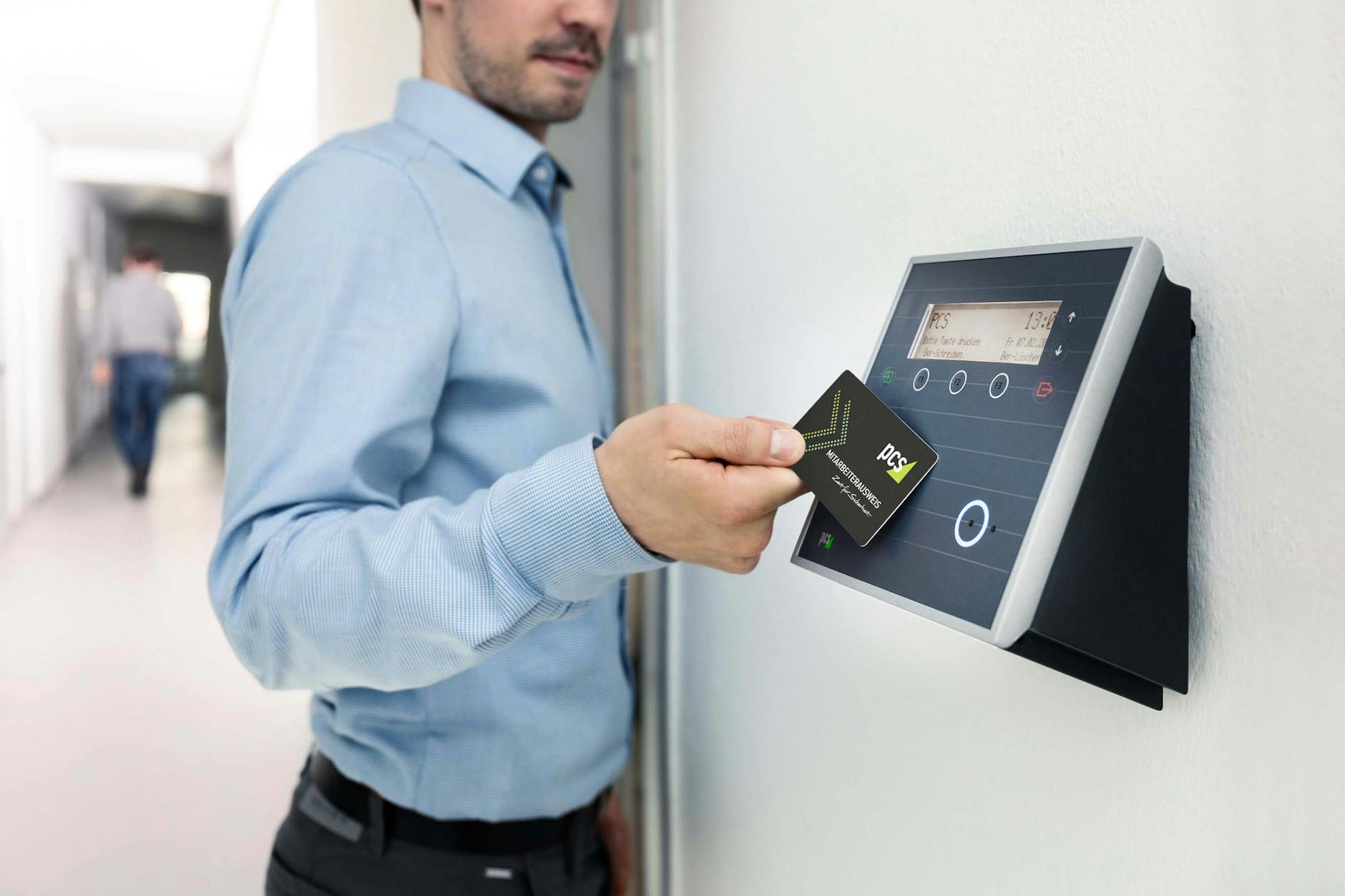
Control access to the building. One of the most effective ways to improve security in the office is to limit who can and cannot enter the building. A good access control system ensures that only authorised individuals can get inside. This may involve ID badges, smart cards, or biometric scanners like fingerprint readers. Visitors should always have to check in at reception and sign a visitor log and wear a temporary badge. This helps you to know who’s in the building at any given time and deters intruders from wandering in unnoticed. Regularly update your access list, especially when employees leave the company, to prevent former staff from retaining any injury privileges you do not want them to have.
Of your entry points. The most obvious vulnerabilities in an office space are your doors and entry points, like your windows. Making sure all entry points are sturdy and fitted with high quality locks is important, but you also need to check them regularly for signs of wear or tampering. It may be worth considering using automatic door closers and alarm systems that will alert you when a door is left open.In a high risk area, reinforce your windows with security film or bars. Never overlook less obvious points like fire exits, either loading docks or side doors.
Invest in good lighting. A well lit office exterior discourages trespasses and makes security cameras more effective. Install motion sensor lighting in parking lots, around entrances, and along walkways. Inside the building. Keep corridors and stairwells adequately lit even after hours. Emergency lighting is also critical during power outages or evacuations. Staff should always be able to see where they’re going, which reduces panic and injuries.
Install but maintain your security cameras. There is no point having security cameras as a deterrent against theft, vandalism, and break insurance if you’re not going to maintain them. These can also provide valuable evidence if an incident occurs. Place cameras at key points such as entrances, exits and storage rooms, as well as reception areas. Modern systems allow you to monitor feeds remotely, giving you Peace of Mind even when you’re away. However, you should make sure that your employees know that cameras are in use. Transparency will build trust with them and that will help them to comply.
Train your employees on security awareness. The first line of defence for your business is your staff. With the provision of regular training, employees will know how to spot suspicious behaviour, protect sensors of information and respond to emergencies as needed. Encourage them to report anything unusual, whether it’s an unfamiliar face in a restricted area or a phishing e-mail. Establishing clear policies on locking computers when leaving desks, safeguarding confidential information and not sharing passwords is important. A well informed team is far more effective than any single piece of tech when it comes to preventing security incidents.
Photo by Brett Sayles
Protect your digital assets. Office security isn’t just about physical protection, it’s also about cyber security. Businesses rely heavily on digital data, from client records to financial details. Use strong passwords, enable 2 factor authentication and ensure that your systems are regularly updated with the latest security patches. Back up all of your data frequently, both on site and in secure cloud storage. If your business handles sensitive customer information, make sure that you comply with data protection regulations, too. Consider hiring a cyber security consultant to evaluate your systems and recommend improvements.
Secure both equipment and confidential documents. Laptops, projectors and other portable devices are common targets for theft. Keep valuable equipment locked in secure cabinets or rooms when not in use. If employees take laptops or tablets home, there should be following strict guidelines for storage and password protection. Sensitive paperwork such as financial statements or personnel files should also be stored in locked filing cabinets or password protected systems. Never leave confidential documents out in the open and always shred old papers before disposal.
Plan for emergencies. Even with the best preventative measures, emergencies can still happen. Every office should have a clear emergency response plan that covers fire, medical incidents, power outages and security breaches. Designate safety officers or team leaders responsible for guiding staff during an evacuation. Conduct regular fire drills and safety training so everyone knows what to do. Keep emergency supplies such as first aid kits, flashlights, and backup batteries in accessible locations. Review and update your emergency plan regularly, especially if your office layout or staff numbers change. Preparation is key to minimising confusion and ensuring everyone’s safety.
Use alarm systems and monitoring services. An alarm system adds that other layer of protection to your office, but you should also include this in stairwells. Modern systems can detect movement, glass breakage or unauthorised entry, triggering alerts to both on site and security services. If possible, connect your alarm system to a professional monitoring service that responds quickly in case of an emergency. The presence of that visible alarm signs and stickers also acts as a deterrent for would be intruders.Remember to test alarms periodically to confirm they are working correctly.
Conduct regular security audits. Security is not a one time effort, but an ongoing process. Conducting periodic security audits helps you to identify weaknesses and address them before they become a serious problem. Review your policies, inspect your locks and cameras, test alarm systems and ensure your cyber security measures are up to date. Ask your employees about any issues they may have noticed too, because their feedback is valuable when they’re on the floor.


Office security is more important than it ever has been. Whether you’re managing a small start up or a large enterprise, protecting your staff, equipment, and sensitive data should be a top priority for you. From simple physical upgrades to smarter digital practices, there are many ways to make your office safer and more resilient.
Even something as basic as keeping a professional LED torch like an Olight handy can make a big difference in an emergency situation. Below we have 10 further tips that any business can follow to improve office security without breaking the bank.
Share this:
Like this: