Leonardo da Vinci, a luminary of the Renaissance, remains one of the most celebrated and scrutinized figures in the history of art. His paintings, characterized by innovative techniques and profound depth, continue to captivate audiences centuries after their creation. Among these, the Salvator Mundi and other iconic works such as the Mona Lisa and The Last Supper stand out, each telling a unique story of artistic evolution and mystery.
Salvator Mundi: The Rediscovered Marvel
The Salvator Mundi painting, or “Savior of the World,” represents one of the most astonishing art rediscoveries of the 21st century. Believed to have been painted around 1500, this portrayal of Christ as the savior who blesses the world while holding an orb symbolizes his role as the celestial ruler. The painting’s history is a riveting tale of loss, decay, and eventual restoration. Once considered lost, the painting re-emerged in 2005 in need of significant restoration. After its authenticity was confirmed by leading scholars, it was sold at auction in 2017 for an unprecedented $450 million, making it the most expensive painting ever sold.
The Salvator Mundi is especially noted for its use of sfumato, a technique developed by Leonardo that involves the delicate blending of colors and tones to eliminate harsh lines, creating a smoky effect. This method is masterfully employed to give Christ’s face a lifelike presence, imbued with an ethereal quality that seems both divine and human.
Mona Lisa: The Enigmatic Smile
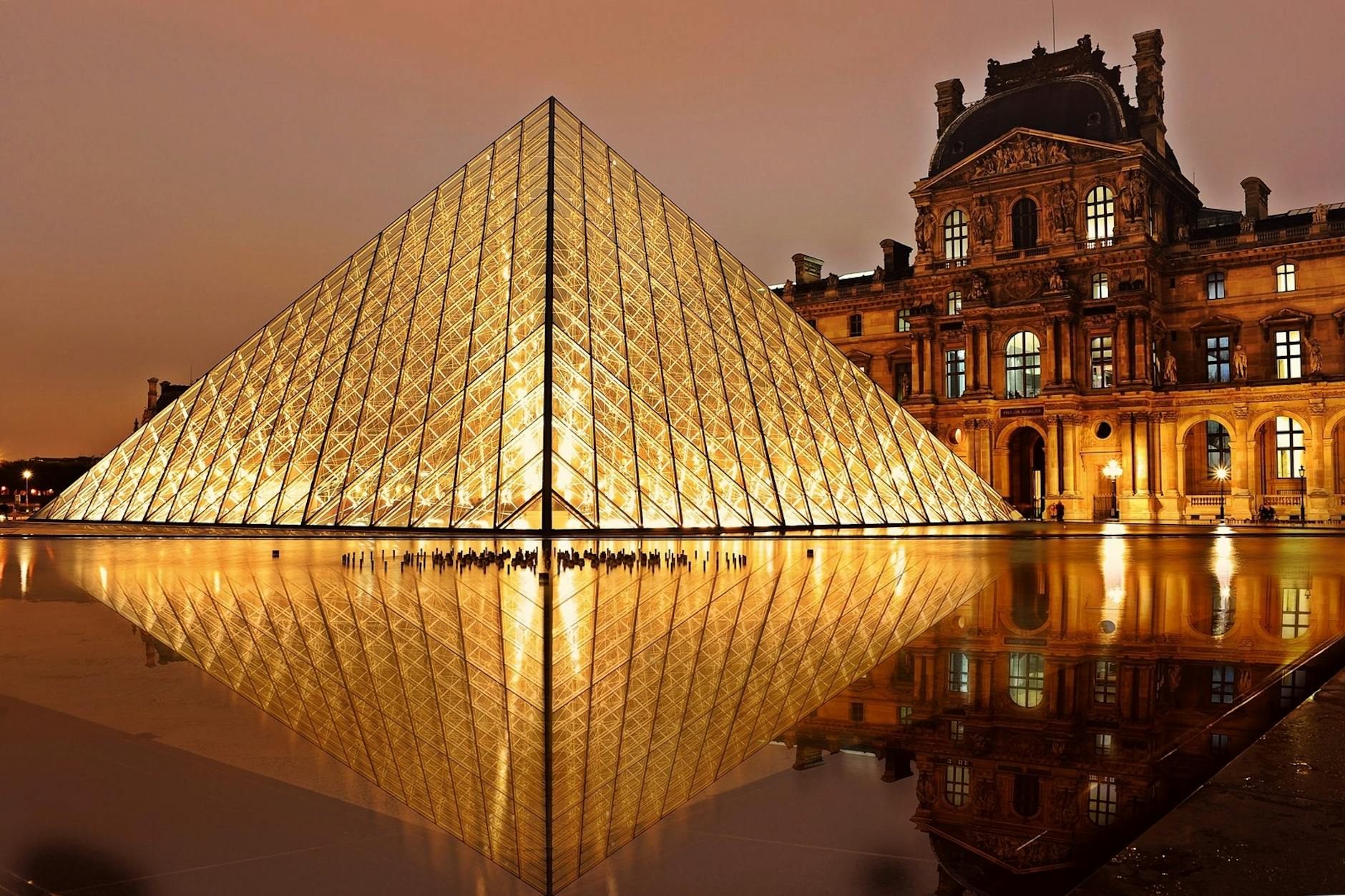
No discussion of Leonardo’s works would be complete without mentioning the Mona Lisa. Housed in the Louvre Museum in Paris, this painting is perhaps the most famous artwork in the world, celebrated for its mysterious smile and the elusive gaze of its subject, Lisa Gherardini. Painted between 1503 and 1519, the Mona Lisa is a prime example of Leonardo’s skill in using sfumato to achieve a realistic yet softly idealistic portrayal of the human face. The depth of expression on Lisa’s face, where the corners of her mouth and her eyes seem to subtly change with the viewer’s perspective, has intrigued art lovers and scholars for generations.
Photo by Gagan Kaur
The Last Supper: A Dramatic Biblical Scene
The Last Supper, a mural in Milan’s Convent of Santa Maria delle Grazie, depicts the dramatic moment from the Bible when Jesus announces that one of his disciples will betray him. Completed in 1498, this masterpiece differs from traditional depictions by capturing the apostles’ varied emotional reactions through their expressions and postures. The composition, a marvel of perspective and narrative depth draws the viewer’s eyes directly to the central figure of Christ, whose calm demeanor contrasts sharply with the turmoil around him.
This work, however, has suffered from environmental and human-induced damage over the centuries, necessitating several restorations. Despite these challenges, The Last Supper remains a seminal work for studying Renaissance art and Leonardo’s innovative approach to religious subject matter.
Photo by Una Laurencic
Legacy and Influence
Leonardo da Vinci’s oeuvre is a testament to his unrelenting curiosity and boundless creativity. His paintings are not only masterpieces of the visual arts but also rich with hidden scientific, philosophical, and literary significance, reflective of Leonardo’s diverse interests. As an artist, scientist, and inventor, Leonardo’s holistic approach to artistry continues to influence countless generations across multiple disciplines.
In contemplating Leonardo’s paintings, viewers are invited not just to observe but to ponder the broader questions of human existence and perception. His works, particularly the Salvator Mundi, the Mona Lisa, and The Last Supper, offer a timeless exploration of the complexities of human nature and the divine, leaving a legacy that profoundly resonates even in the modern world.


Leonardo da Vinci, a luminary of the Renaissance, remains one of the most celebrated and scrutinized figures in the history of art. His paintings, characterized by innovative techniques and profound depth, continue to captivate audiences centuries after their creation. Among these, the Salvator Mundi and other iconic works such as the Mona Lisa and The Last Supper stand out, each telling a unique story of artistic evolution and mystery.
Salvator Mundi: The Rediscovered Marvel
The Salvator Mundi painting, or “Savior of the World,” represents one of the most astonishing art rediscoveries of the 21st century. Believed to have been painted around 1500, this portrayal of Christ as the savior who blesses the world while holding an orb symbolizes his role as the celestial ruler. The painting’s history is a riveting tale of loss, decay, and eventual restoration. Once considered lost, the painting re-emerged in 2005 in need of significant restoration. After its authenticity was confirmed by leading scholars, it was sold at auction in 2017 for an unprecedented $450 million, making it the most expensive painting ever sold.
The Salvator Mundi is especially noted for its use of sfumato, a technique developed by Leonardo that involves the delicate blending of colors and tones to eliminate harsh lines, creating a smoky effect. This method is masterfully employed to give Christ’s face a lifelike presence, imbued with an ethereal quality that seems both divine and human.
Mona Lisa: The Enigmatic Smile
No discussion of Leonardo’s works would be complete without mentioning the Mona Lisa. Housed in the Louvre Museum in Paris, this painting is perhaps the most famous artwork in the world, celebrated for its mysterious smile and the elusive gaze of its subject, Lisa Gherardini. Painted between 1503 and 1519, the Mona Lisa is a prime example of Leonardo’s skill in using sfumato to achieve a realistic yet softly idealistic portrayal of the human face. The depth of expression on Lisa’s face, where the corners of her mouth and her eyes seem to subtly change with the viewer’s perspective, has intrigued art lovers and scholars for generations.
The Last Supper: A Dramatic Biblical Scene
The Last Supper, a mural in Milan’s Convent of Santa Maria delle Grazie, depicts the dramatic moment from the Bible when Jesus announces that one of his disciples will betray him. Completed in 1498, this masterpiece differs from traditional depictions by capturing the apostles’ varied emotional reactions through their expressions and postures. The composition, a marvel of perspective and narrative depth draws the viewer’s eyes directly to the central figure of Christ, whose calm demeanor contrasts sharply with the turmoil around him.
This work, however, has suffered from environmental and human-induced damage over the centuries, necessitating several restorations. Despite these challenges, The Last Supper remains a seminal work for studying Renaissance art and Leonardo’s innovative approach to religious subject matter.
Legacy and Influence
Leonardo da Vinci’s oeuvre is a testament to his unrelenting curiosity and boundless creativity. His paintings are not only masterpieces of the visual arts but also rich with hidden scientific, philosophical, and literary significance, reflective of Leonardo’s diverse interests. As an artist, scientist, and inventor, Leonardo’s holistic approach to artistry continues to influence countless generations across multiple disciplines.
In contemplating Leonardo’s paintings, viewers are invited not just to observe but to ponder the broader questions of human existence and perception. His works, particularly the Salvator Mundi, the Mona Lisa, and The Last Supper, offer a timeless exploration of the complexities of human nature and the divine, leaving a legacy that profoundly resonates even in the modern world.
Share this:
Like this: