We’ve all been there: a new place, a tight budget, a quick “add to cart,” and suddenly a box of flat-pack furniture is on the doorstep. It’s convenient, it’s inexpensive, and it looks decent once the last cam-lock clicks into place. But fast-forward a few months, maybe a year or two, and the charm usually fades. A sagging bookshelf here, a peeling veneer there, and that wobbly dining table you swore you would fix but never quite got around to.
What feels like a wallet-friendly choice often becomes a cycle of buying, replacing, and tossing. And that cycle has a much bigger impact on your home, your budget, and the environment than most people realise.
Let’s break it down, lifestyle-style, and look at why solid hardwood furniture, though pricier upfront, often becomes the “buy once, love forever” option. And along the way, we’ll look at one Australian brand, The Acacia Tree, that’s nudging people back toward furniture that actually lasts.
The Environmental Reality: Fast Furniture Is the New Fast Fashion
The rise of cheap, disposable furniture has created a quiet waste crisis in Australia. Every year, we send an astonishing amount of furniture to the tip; enough to equal hundreds of thousands of sofas, dining tables, and chairs. Much of it is built with materials that simply aren’t meant to survive heavy use, humidity, pets, kids, or a move across town.
Think of it like fast fashion: quick to buy, quick to break, quick to landfill.
Because these pieces are often made from particleboard or MDF, they’re tough to repair, hard to recycle, and not built for longevity. Once they chip, swell, or warp, there’s usually no saving them.
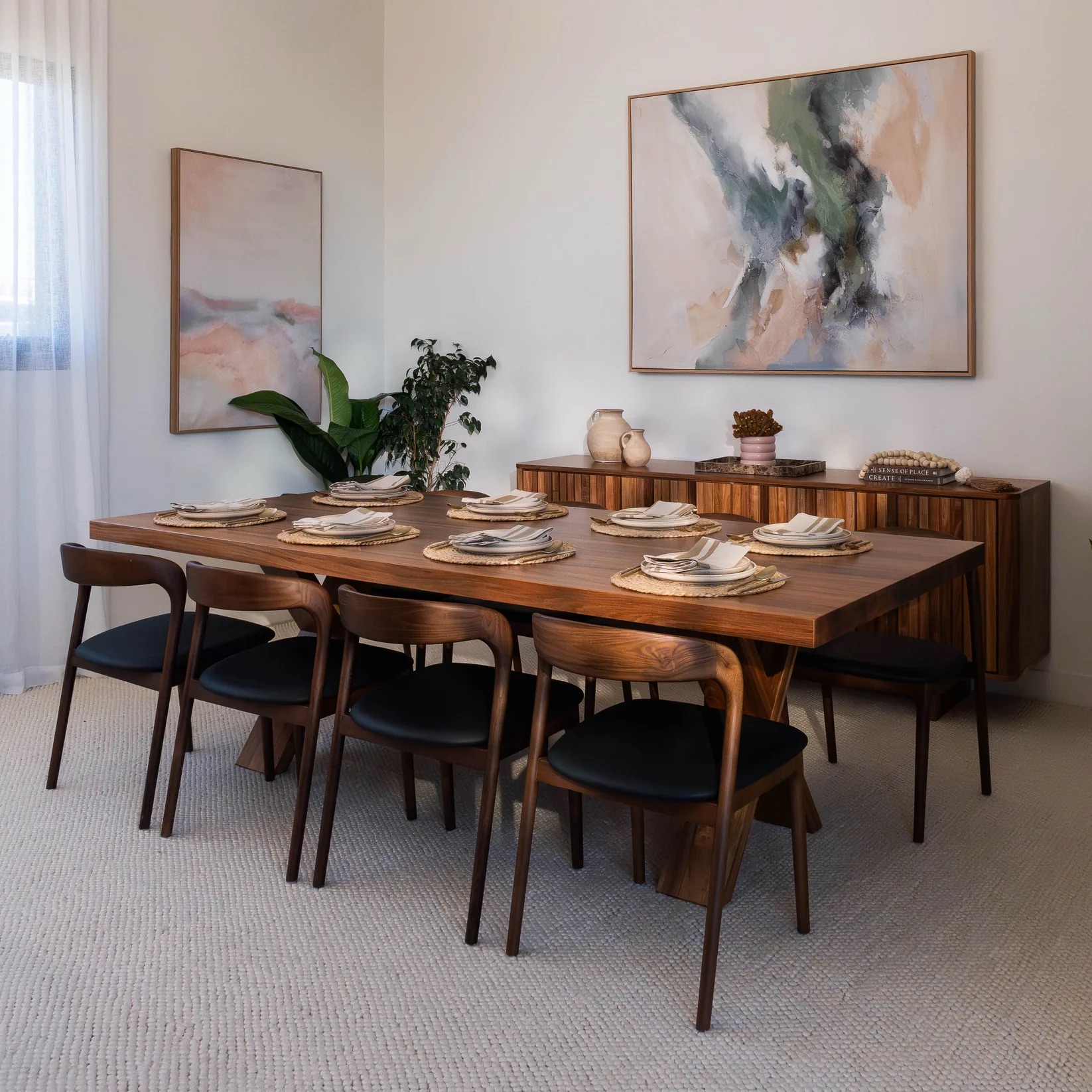
Solid hardwood tells a completely different story. Timbers like Tasmanian Oak or Victorian Ash can be sanded back, refinished, repaired, passed on, and repurposed. In other words, they’re part of a circular life cycle, not a throwaway culture.
Your Budget Over Time: The Cheap Option Isn’t Always Cheap
On day one, a $250 table looks like a win. But by year three? Maybe not so much. Flat-pack furniture is designed for short-term use. Move house once, and you’ll often hear it protesting. Spill something, and the veneer starts bubbling. Give it a few years of daily meals, and the wear and tear starts to show.
A solid hardwood piece, meanwhile, tends to go the distance; ten years, twenty, even longer with normal care. And if it gets scratched or marked? A quick sand and oil brings it back to life. When you look at “cost per year of use,” cheap often becomes surprisingly expensive. You pay not just for the item, but for the replacements… and the replacements after that.
Durability & Design: What “Built to Last” Really Means
If you’ve ever tried to tighten a screw on a cheap flat-pack chair for the tenth time, you already understand the difference.
Solid timber furniture is built using tried-and-true joinery methods, think dovetail joints or mortise and tenon, that hold up under pressure. Hardwoods are naturally strong and stable, so they don’t crumble, warp, or collapse the way a particleboard can when it’s stressed.
And here’s something else: timeless, well-crafted pieces don’t date. They move with you through different homes, different phases of life, and different décor moods without losing relevance or charm.
Thinking Like an Investor For Your Home
Next time you buy furniture, try shifting the lens:
Will this piece last three years or thirty?
Can it be repaired, or is it destined for the curb when something goes wrong?
Does this purchase add to landfill, or does it stay useful long-term?
Am I buying this for the price tag… or for how I want my home to feel?
It’s the same mindset we bring to clothing, tech, or even skincare, buy smart, not twice.
In a market filled with disposable imports, some Australian makers are bringing craftsmanship back into focus. The Acacia Tree is one of those brands, specialising in Australian-made solid hardwood pieces built from timbers like Messmate, Victorian Ash, and Tasmanian Oak.
They centre their design philosophy around longevity, comfort, and timelessness, creating furniture made for real homes and real families rather than fleeting trends. Their approach reflects a broader shift: more people are craving pieces that feel substantial, that age well, and that make a home feel grounded, not temporary.
Buy with Intention, Not Urgency
There’s nothing wrong with a quick furniture fix when life demands it. But before adding that next flat-pack to your cart, it’s worth asking what you’re really paying for. Short-term furniture creates long-term waste, it costs more over time, and it rarely adds joy to your home.
A solid hardwood piece, by contrast, offers longevity, warmth, character, and the satisfaction of living with something made well and made to stay. So next time you’re decorating or refreshing a space, pause and consider: Is this a piece for right now… or for the next chapter of your life?
Often, the answer nudges you toward quality and toward a home that feels a little more grounded, and a little more you.
And if you’re curious about The Acacia Tree and their high-quality hardwood pieces, visit theacaciatree.com.au or connect with them on Facebook.


We’ve all been there: a new place, a tight budget, a quick “add to cart,” and suddenly a box of flat-pack furniture is on the doorstep. It’s convenient, it’s inexpensive, and it looks decent once the last cam-lock clicks into place. But fast-forward a few months, maybe a year or two, and the charm usually fades. A sagging bookshelf here, a peeling veneer there, and that wobbly dining table you swore you would fix but never quite got around to.
What feels like a wallet-friendly choice often becomes a cycle of buying, replacing, and tossing. And that cycle has a much bigger impact on your home, your budget, and the environment than most people realise.
Let’s break it down, lifestyle-style, and look at why solid hardwood furniture, though pricier upfront, often becomes the “buy once, love forever” option. And along the way, we’ll look at one Australian brand, The Acacia Tree, that’s nudging people back toward furniture that actually lasts.
The Environmental Reality: Fast Furniture Is the New Fast Fashion
The rise of cheap, disposable furniture has created a quiet waste crisis in Australia. Every year, we send an astonishing amount of furniture to the tip; enough to equal hundreds of thousands of sofas, dining tables, and chairs. Much of it is built with materials that simply aren’t meant to survive heavy use, humidity, pets, kids, or a move across town.
Think of it like fast fashion: quick to buy, quick to break, quick to landfill.
Because these pieces are often made from particleboard or MDF, they’re tough to repair, hard to recycle, and not built for longevity. Once they chip, swell, or warp, there’s usually no saving them.
Solid hardwood tells a completely different story. Timbers like Tasmanian Oak or Victorian Ash can be sanded back, refinished, repaired, passed on, and repurposed. In other words, they’re part of a circular life cycle, not a throwaway culture.
Your Budget Over Time: The Cheap Option Isn’t Always Cheap
On day one, a $250 table looks like a win. But by year three? Maybe not so much. Flat-pack furniture is designed for short-term use. Move house once, and you’ll often hear it protesting. Spill something, and the veneer starts bubbling. Give it a few years of daily meals, and the wear and tear starts to show.
A solid hardwood piece, meanwhile, tends to go the distance; ten years, twenty, even longer with normal care. And if it gets scratched or marked? A quick sand and oil brings it back to life. When you look at “cost per year of use,” cheap often becomes surprisingly expensive. You pay not just for the item, but for the replacements… and the replacements after that.
Durability & Design: What “Built to Last” Really Means
If you’ve ever tried to tighten a screw on a cheap flat-pack chair for the tenth time, you already understand the difference.
Solid timber furniture is built using tried-and-true joinery methods, think dovetail joints or mortise and tenon, that hold up under pressure. Hardwoods are naturally strong and stable, so they don’t crumble, warp, or collapse the way a particleboard can when it’s stressed.
And here’s something else: timeless, well-crafted pieces don’t date. They move with you through different homes, different phases of life, and different décor moods without losing relevance or charm.
Thinking Like an Investor For Your Home
Next time you buy furniture, try shifting the lens:
In a market filled with disposable imports, some Australian makers are bringing craftsmanship back into focus. The Acacia Tree is one of those brands, specialising in Australian-made solid hardwood pieces built from timbers like Messmate, Victorian Ash, and Tasmanian Oak.
They centre their design philosophy around longevity, comfort, and timelessness, creating furniture made for real homes and real families rather than fleeting trends. Their approach reflects a broader shift: more people are craving pieces that feel substantial, that age well, and that make a home feel grounded, not temporary.
Buy with Intention, Not Urgency
There’s nothing wrong with a quick furniture fix when life demands it. But before adding that next flat-pack to your cart, it’s worth asking what you’re really paying for. Short-term furniture creates long-term waste, it costs more over time, and it rarely adds joy to your home.
A solid hardwood piece, by contrast, offers longevity, warmth, character, and the satisfaction of living with something made well and made to stay. So next time you’re decorating or refreshing a space, pause and consider: Is this a piece for right now… or for the next chapter of your life?
Often, the answer nudges you toward quality and toward a home that feels a little more grounded, and a little more you.
And if you’re curious about The Acacia Tree and their high-quality hardwood pieces, visit theacaciatree.com.au or connect with them on Facebook.
Share this:
Like this: